The Evolution of Robotaxi Rider Eligibility
As autonomous vehicle technology transitions from closed-course testing to bustling city streets, the demographics of who can actually hail a self-driving car are rapidly shifting. Initially, robotaxi services restricted their platforms to adults over the age of 18, primarily due to liability concerns and the beta-testing nature of the technology. Today, however, the landscape is changing. With millions of fully driverless miles logged, companies are expanding their rider eligibility to include teenagers, seniors, and individuals with mobility challenges.
For families, urban commuters, and accessibility advocates, understanding these nuanced robotaxi age limits and rider eligibility rules is crucial. As the National Highway Traffic Safety Administration (NHTSA) continues to monitor and regulate automated vehicle safety, commercial operators are implementing strict, multi-layered verification systems to ensure that every passenger—regardless of age or ability—is protected. This expert guide breaks down the current eligibility requirements across major platforms and provides best practices for a safe, seamless autonomous riding experience.
Breaking Down Age Limits by Major Robotaxi Services
Waymo One: Pioneering the Teen Rider Program
Waymo has consistently led the pack in commercial robotaxi deployment, and in early 2024, they made headlines by becoming the first major operator to lower their age limit. While the standard Waymo One account requires users to be at least 18 years old with a valid payment method, the company introduced a dedicated Teen Rider program for adolescents aged 16 and 17.
Under this program, parents or legal guardians must create the primary account and explicitly invite their teen to ride. The teen does not need a driver's license, but they must have a smartphone to run the Waymo app, track the vehicle, and communicate with support. Crucially, Waymo enforces strict geofencing and destination restrictions for minors. Teen riders cannot hail rides to or from locations primarily associated with alcohol, such as bars, liquor stores, or certain nightlife venues. Furthermore, rides are restricted to specific hours and approved service zones to ensure maximum operational oversight.
Zoox and Amazon: The 18+ Beta Restriction
Amazon's Zoox takes a fundamentally different approach to autonomous mobility with its purpose-built, carriage-style vehicle that lacks a steering wheel. Because Zoox is still largely operating under testing permits and limited commercial deployments in cities like San Francisco and Las Vegas, their eligibility rules remain conservative. Currently, all Zoox riders must be at least 18 years old. The company's focus remains on gathering diverse adult rider data and refining the carriage-style ingress and egress process before considering a minor rider program. Zoox also requires riders to agree to extensive liability waivers and beta-testing acknowledgments that legally require an adult signature.
Cruise and Emerging Competitors
Following its operational pause in late 2023, Cruise (backed by General Motors) has been slowly restructuring its public-facing ride-hailing ambitions. Historically, Cruise maintained a strict 18+ policy, requiring account holders to verify their identity and age via third-party API services before unlocking their first ride. As the industry watches Tesla's upcoming Cybercab and other emerging startups, it is highly likely that the 18+ baseline will remain the industry standard for independent account holders, with 16-17 year-olds requiring linked parental consent, mirroring the traditional auto insurance model for teen drivers.
Comparison Table: Robotaxi Age & Eligibility Rules
| Service | Minimum Solo Age | Teen Program (16-17) | Wheelchair Accessible? | ID Verification |
|---|---|---|---|---|
| Waymo One | 18 (Standard) | Yes (Parent-linked) | Yes (Select markets) | Required for Primary |
| Zoox | 18 | No | In Development | Required |
| Cruise | 18 | No | Limited Testing | Required |
| Tesla (Future) | TBD (Likely 18) | TBD | Unknown | Tesla Account Linked |
Accessibility and Special Eligibility Considerations
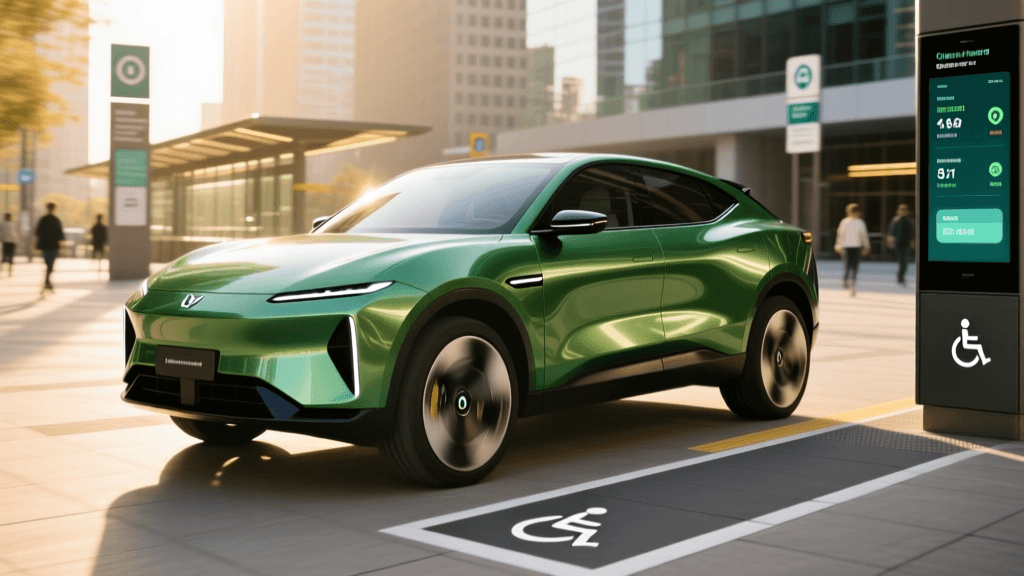
Eligibility is not solely defined by age; physical accessibility is a massive component of the robotaxi conversation. Under the Americans with Disabilities Act (ADA) transportation guidelines, transit providers must offer equitable access. However, the physical design of standard autonomous vehicles (often retrofitted SUVs like the Jaguar I-PACE) poses challenges for wheelchair users.
Waymo has addressed this by partnering with BraunAbility to develop and deploy Wheelchair Accessible Vehicles (WAVs). These vehicles feature rear-entry ramps and specialized securement systems. To be eligible for a WAV ride, users must toggle the 'Wheelchair Accessible Vehicle' option in their profile settings. Expert Tip: WAV fleets are currently much smaller than standard fleets. Riders should expect longer wait times and should schedule airport or medical trips well in advance using the 'Scheduled Ride' feature where available.
For visually or hearing-impaired riders, there are no eligibility restrictions. The Waymo app includes robust accessibility features, including VoiceOver compatibility, screen reader optimization, and in-car audio announcements that describe the vehicle's actions and the surrounding environment, ensuring a safe experience for all adult and teen riders.
Expert Tips & Best Practices for Parents of Teen Riders
Allowing a 16-year-old to ride alone in a vehicle without a human driver is a significant milestone. To ensure safety and peace of mind, parents should follow these best practices when setting up and managing teen robotaxi accounts:
- Conduct a 'Ride-Along' Orientation: Before letting your teen ride solo, take at least three rides together. Use this time to demonstrate how to locate the vehicle using the app's license plate and PIN verification, how to buckle up, and how to use the in-car 'Help' button.
- Establish a 'Safe Stop' Protocol: Robotaxis will not stop in the middle of a busy intersection or a highway shoulder. Teach your teen how to use the app's 'Edit Pickup/Drop-off' feature to move the pin to a safe, well-lit sidewalk or driveway. The vehicle's sensors require a safe curb to execute a stop.
- Utilize Trusted Contacts: Waymo allows primary account holders to track a teen's ride in real-time. Ensure your notification settings are enabled so you receive an alert when the teen is picked up and when they safely arrive at their destination.
- Discuss the 'Pull Over' Button: Every robotaxi is equipped with an emergency pull-over button. Teens need to know that if they feel unsafe, experience a medical issue, or notice erratic behavior from other passengers (in future shared-ride scenarios), they can press this button to safely bring the vehicle to a halt and immediately connect with a human support agent.
Expert Tips for Seniors and Riders with Mobility Needs
For elderly riders or those with limited mobility, robotaxis offer a promising alternative to traditional ride-hailing, which can sometimes involve rushed drivers or inaccessible vehicles. The U.S. Department of Transportation's Automated Vehicle Initiatives heavily emphasize the potential for AVs to restore independence to non-driving seniors. Here is how to optimize the experience:
- Master the PIN Verification: To prevent unauthorized entries, riders must type a 4-digit PIN into the rear-seat screen to start the ride. Seniors should write this PIN down or use the app's 'Show PIN' feature on their phone before approaching the curb to avoid fumbling with the screen while boarding.
- Allow Extra Time for Ingress/Egress: Robotaxis are programmed to wait a specific amount of time for a passenger to board before canceling the ride or moving on. If you use a walker or cane, use the app's messaging feature to notify the remote support team that you are approaching the vehicle slowly. The support agent can remotely extend the vehicle's wait time.
- Verify the Climate Controls: Autonomous vehicles run their HVAC systems continuously to protect onboard computing hardware, which can make the cabin feel quite cold. Familiarize yourself with the rear-seat touchscreens to adjust the temperature immediately upon entering.
The Future of Autonomous Rider Demographics
As machine learning models improve and edge-case scenarios are resolved, the regulatory frameworks governing robotaxi eligibility will inevitably loosen. We anticipate that within the next five years, the 'Teen Rider' model pioneered by Waymo will become an industry standard, complete with standardized geofencing around schools and restricted zones. Furthermore, purpose-built autonomous carriages like the Zoox and Tesla Cybercab will likely feature integrated ramps and automated securement systems, making ADA compliance a default feature rather than a specialized request. Until then, understanding the current boundaries, leveraging parental controls, and utilizing accessibility settings are the keys to unlocking the full potential of autonomous transportation.