The Paradigm Shift in Autonomous Accessibility
The Americans with Disabilities Act (ADA) mandates equal access to public transportation, yet traditional paratransit systems frequently fail to deliver equitable, spontaneous service. For the estimated 14% of U.S. adults living with a mobility-related disability, autonomous vehicles (AVs) represent far more than a technological novelty; they are a critical gateway to independence. However, not all AV platforms are engineered with the same accessibility baseline. In this data-driven comparison analysis, we evaluate the hardware specifications, software interfaces, and operational metrics of the industry's leading accessible robotaxis. Specifically, we compare Waymo's WAVE (Waymo Accessible Vehicle Experience) and Zoox's purpose-built carriage against traditional Wheelchair Accessible Vehicle (WAV) paratransit data to determine which platform truly delivers on the promise of universal mobility.
The Friction of Traditional Paratransit
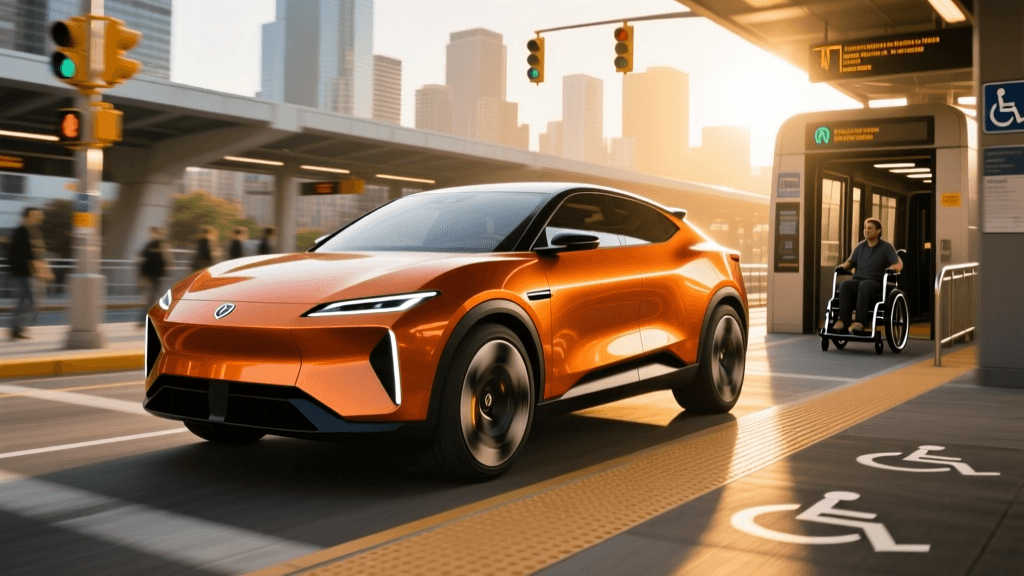
To understand the value proposition of accessible robotaxis, we must first quantify the failures of the current system. Traditional paratransit often requires 24-hour advance notice and yields a 30-minute pickup window, a friction point heavily documented in Government Accountability Office (GAO) reports on ADA transit compliance. This scheduling rigidity eliminates the possibility of spontaneous travel, emergency trips, or dynamic social engagements. Furthermore, human-driven WAV services suffer from inconsistent curb-cut alignment, often forcing riders to board in active travel lanes due to driver error or illegal parking. Robotaxis aim to solve these issues through precision mapping, on-demand dispatching, and purpose-built hardware.
Hardware Specifications: Waymo WAVE vs. Zoox Carriage
Waymo WAVE (Chrysler Pacifica Hybrid)
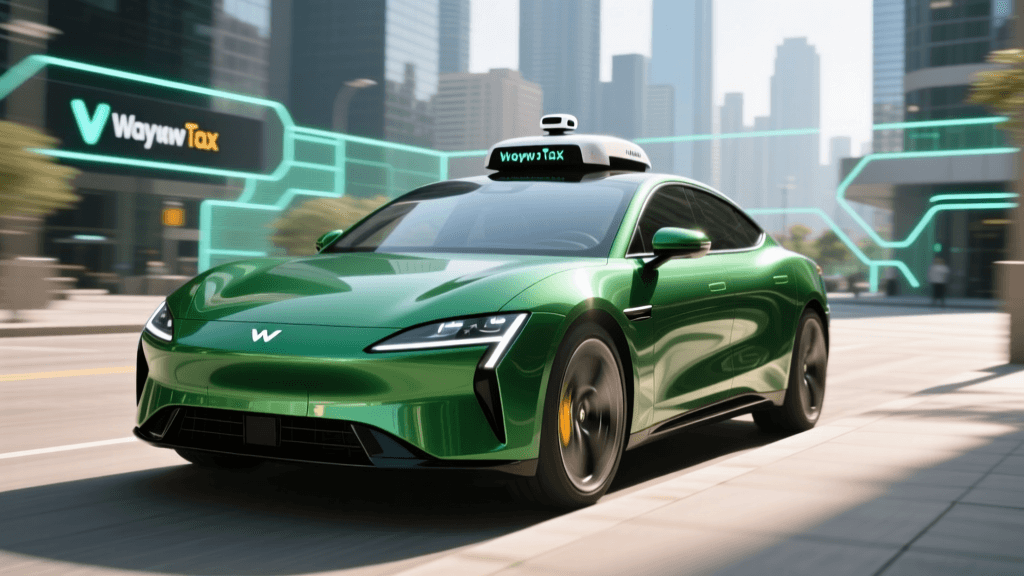
Waymo's approach to accessibility relies on retrofitting an existing production vehicle. The WAVE system modifies the Chrysler Pacifica Hybrid with a rear-entry ramp. According to Waymo's official WAVE accessibility hub, the ramp features a 32-inch clear width and supports up to 600 pounds. The vehicle utilizes an automated retractor securement system, allowing riders to lock their wheelchairs into place without requiring a human driver to manually strap down the chair. The interior height clearance is approximately 56 inches, accommodating most standard manual and power wheelchairs, though it poses limitations for riders with highly customized, elevated seating systems.
Zoox Purpose-Built Carriage
Zoox has taken a fundamentally different approach by designing its bidirectional carriage from the ground up, eliminating the steering wheel and traditional B-pillars. This architecture allows for level boarding in many urban environments, drastically reducing the mechanical complexity and deployment time of ramps. The Zoox carriage features integrated floor locks designed to interface with standard wheelchair tie-down points, and the absence of a front driver cabin creates a massive, open interior footprint. This open plan allows for a 360-degree turning radius inside the cabin, a significant advantage for riders using longer power chairs or scooters that struggle to pivot inside a modified minivan.
Data Comparison: Robotaxis vs. Traditional WAV Paratransit
The following table illustrates the stark operational differences between current AV accessibility solutions and legacy paratransit systems. Data is aggregated from municipal transit reports, AV beta-testing metrics, and federal accessibility guidelines.
| Metric | Waymo WAVE | Zoox Carriage | Traditional WAV Paratransit |
|---|---|---|---|
| Average Wait Time | 10-15 Minutes (On-Demand) | 5-12 Minutes (On-Demand) | 24-48 Hours (Advance Booking) |
| Pickup Window | Exact Pin Drop | Exact Pin Drop | 30-60 Minute Window |
| Ramp/Boarding Time | ~45 Seconds (Automated) | ~15 Seconds (Level Board) | ~90+ Seconds (Manual Ramp) |
| Securement Method | Automated Retractor System | Integrated Floor Locks | Manual Tie-Downs by Driver |
| Curb Cut Alignment | LiDAR Precision (cm-level) | LiDAR Precision (cm-level) | Variable (Human Error Prone) |
| Cost Per Mile | ~$1.50 - $2.50 | TBD (Projected Market Rate) | $35+ (System Cost per Trip) |
Sensory and Cognitive Accessibility Features
Accessibility extends far beyond wheelchair securement. According to the National Highway Traffic Safety Administration (NHTSA), ensuring that Automated Driving Systems (ADS) accommodate diverse physical, sensory, and cognitive needs is critical for widespread deployment. Both Waymo and Zoox have implemented multi-modal sensory cues to aid riders with visual or hearing impairments.
Haptic and Audio Feedback: Waymo's WAVE vehicles feature haptic seat feedback. If the vehicle is about to make a right turn, the right side of the rider's seat vibrates gently. Upon arrival, the seat vibrates to indicate which door is safest to exit, directly addressing the needs of visually impaired riders. Zoox utilizes spatial audio and dynamic LED lighting rings inside the carriage to communicate routing changes, stops, and arrival confirmations without relying solely on text screens.
Cognitive Predictability: For neurodivergent riders or those with sensory processing disorders, the predictability of a robotaxi is a massive advantage. Human drivers introduce variables: unpredictable conversations, varying music volumes, and erratic driving styles. Robotaxis offer a controlled climate, consistent lighting, and a predictable route displayed on high-contrast, screen-reader-compatible tablets. The rider app interfaces for both companies are fully optimized for Apple VoiceOver and Android TalkBack, ensuring that blind users can independently request, track, and verify their ride.
Actionable Guide: Navigating the Robotaxi Experience
For disabled riders preparing to use an accessible robotaxi service for the first time, preparation and precise profile configuration are essential. Follow this data-driven checklist to ensure a seamless experience:
- Measure Your Equipment: Before requesting a Waymo WAVE, measure your wheelchair's exact footprint. The maximum allowable dimensions are typically 32 inches wide, 48 inches long, and a combined weight (rider + chair) of 600 pounds. Power chairs with extended footrests may require manual adjustment before boarding.
- Configure App Accessibility Settings: In the rider app, navigate to the accessibility settings and explicitly toggle 'Require Wheelchair Accessible Vehicle.' This ensures the dispatch algorithm only routes WAVE-equipped vehicles to your location, preventing frustrating cancellations from standard AVs.
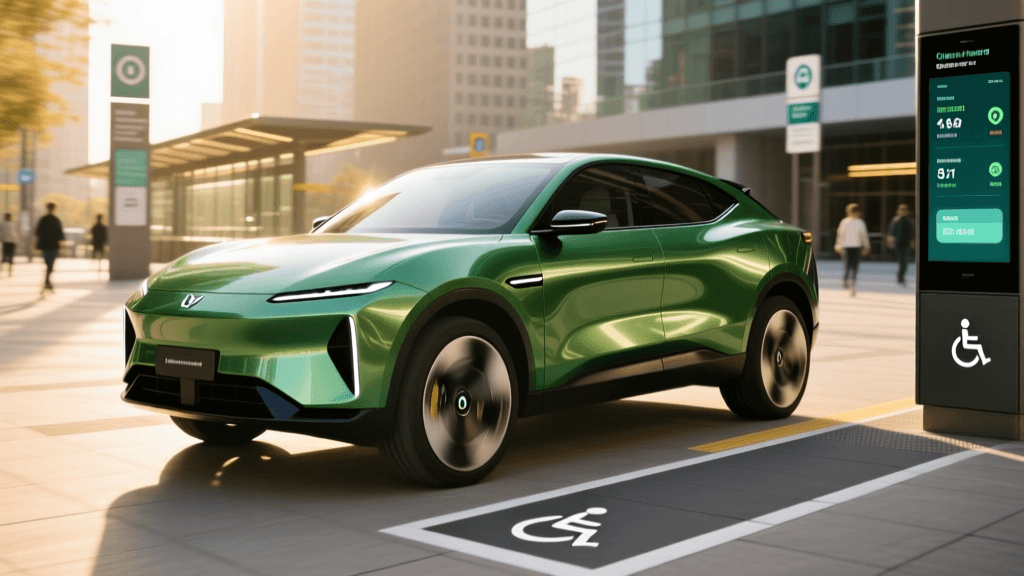
- Identify Optimal Pickup Zones: While AV LiDAR is highly accurate, it cannot move illegally parked cars blocking a curb cut. Use the app's 'Find Pickup' feature to manually drag the pin to the nearest verified ADA-compliant corner ramp, ensuring the vehicle has a clear 20-foot zone to deploy its ramp safely away from moving traffic.
- Utilize Remote Assistance: Both Waymo and Zoox offer two-way video and audio communication with a remote human support agent. If the automated securement system fails to engage, or if you experience a medical or mobility emergency mid-ride, press the prominent 'Help' button on the cabin tablet to instantly connect with a trained support specialist who can manually override systems or dispatch emergency services.
Conclusion: The Road to Universal Mobility
The data clearly indicates that robotaxis like Waymo WAVE and the Zoox carriage are poised to dismantle the logistical barriers of traditional paratransit. By replacing 24-hour advance booking windows with 10-minute on-demand dispatch, and substituting manual, driver-dependent securement with automated, precision-engineered locking systems, AVs offer unprecedented autonomy to disabled riders. While geofencing and fleet availability currently limit these services to specific metropolitan test zones, the operational metrics prove that autonomous transportation is not just a convenience for the able-bodied, but a vital, life-changing infrastructure for the disability community.