The Looming Robotaxi Takeover: Panic vs. Reality
If you spend any time in rideshare driver forums or gig-economy Facebook groups, you have likely seen the panic. With companies like Waymo expanding their commercial footprints and Tesla promising a dedicated robotaxi network, a pervasive sense of doom has settled over the Uber and Lyft driver community. The prevailing narrative suggests that human drivers are on a ticking clock, facing imminent obsolescence at the hands of lidar-equipped, AI-driven pods.
However, as with most technological revolutions, the reality is far more nuanced than the headlines suggest. The transition to autonomous mobility is not a light switch that will instantly plunge millions of gig workers into unemployment. Instead, it is a complex, geographically constrained, and economically challenging evolution. According to data tracking occupational trends, the gig economy continues to see fluctuating but resilient participation rates, even in cities where autonomous vehicles (AVs) are actively testing or operating. To understand the true impact of robotaxis on ride-hailing driver employment, we must separate science fiction from economic fact, debunk the most common myths, and address the critical mistakes drivers are making today.
Myth #1: Robotaxis Will Replace All Human Drivers Overnight
The most pervasive myth in the autonomous vehicle space is the idea of an overnight takeover. This assumes that once a robotaxi fleet achieves a lower cost-per-mile than a human driver, the market will instantly flip. This is fundamentally incorrect for several reasons.
First, the hardware required for Level 4 autonomy is incredibly expensive. A single robotaxi equipped with high-resolution lidar, radar, and redundant compute systems can cost well over $100,000. While companies like Waymo and Zoox are working to drive these costs down through custom manufacturing (such as the Zeekr-built Zoox vehicle or Waymo's 6th generation hardware), the capital expenditure required to replace even 10% of the current Uber and Lyft fleet in a single major metropolitan area is astronomical. Fleet operators cannot simply swap out human drivers for robots at scale without massive, sustained capital injections.
Second, the regulatory landscape is intentionally slow. Municipalities and state governments require extensive testing, safety validation, and public comment periods before allowing commercial AV deployment. As noted by the RAND Corporation, policy and liability frameworks for autonomous vehicles are still in their infancy, meaning widespread, unregulated deployment is years, if not decades, away in most jurisdictions.
Myth #2: AV Expansion is Happening Everywhere at Once
Another common mistake in analyzing robotaxi employment impact is assuming national uniformity. People in Phoenix or San Francisco see robotaxis navigating their streets daily and assume the rest of the country is next. In reality, Level 4 autonomy relies heavily on high-definition mapping, predictable infrastructure, and favorable weather conditions.
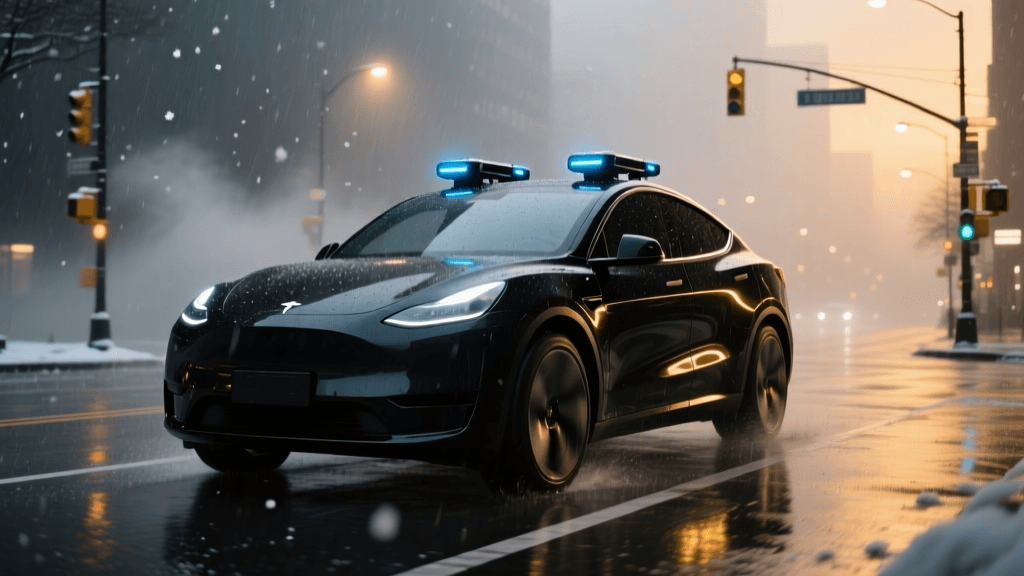
Robotaxis are currently 'geofenced' to specific operational design domains (ODDs). They struggle with unmapped rural roads, heavy snow, torrential rain that obscures lidar sensors, and complex, unmarked construction zones. A human driver can seamlessly adapt to a detour through a muddy suburban neighborhood; a robotaxi will likely pull over and request remote tele-assistance. Therefore, drivers operating in suburban, rural, or weather-heavy regions (such as the Midwest or Northeast) are virtually insulated from robotaxi competition for the foreseeable future.
Myth #3: Total Job Destruction Ignores Induced Demand
The 'lump of labor' fallacy assumes there is a fixed amount of transportation demand in the world. In reality, lowering the cost and friction of transportation creates new demand—a concept known in economics as the Jevons Paradox. If robotaxis make point-to-point travel cheaper and more reliable, people who previously relied on public transit, avoided traveling at night, or could not drive due to age or disability will utilize the service.
This surge in total vehicle miles traveled (VMT) will require massive fleet support. While the person behind the wheel may be replaced in some zones, the ecosystem will require human fleet managers, remote teleoperators, mobile sensor-calibration technicians, and specialized dispatchers. The nature of the job changes, but the transportation sector's overall employment footprint remains robust.
Data Breakdown: Human Drivers vs. Robotaxi Fleet Economics
To understand why human drivers are not going extinct tomorrow, we must look at the unit economics. Below is a comparison of the operational realities between a standard gig-economy driver and a commercial robotaxi fleet.
| Metric | Human Rideshare Driver (UberX/Lyft) | Robotaxi Fleet (e.g., Waymo 6th Gen) |
|---|---|---|
| Capital Cost (Vehicle) | $20,000 - $35,000 (Driver financed) | $100,000+ (Fleet financed) |
| Operational Hours | Flexible, peak-hour targeted | 20+ hours/day, limited by charging |
| Weather Limitations | Minimal (Human adaptability) | Severe (Geofenced out of storms) |
| Edge Case Handling | Instant (Rerouting, passenger disputes) | Requires remote human tele-assistance |
| Cleaning & Turnaround | Driver managed between rides | Requires dedicated depot staff |
As the table illustrates, robotaxis excel at high-volume, predictable routes in good weather. However, the hidden costs of fleet maintenance, depot real estate, and remote operations centers severely cut into the theoretical profit margins of AVs. Human drivers, who absorb their own vehicle depreciation and maintenance costs, remain highly competitive in dynamic, unpredictable environments. For a deeper look at the baseline employment statistics and gig-economy classifications, the Bureau of Labor Statistics continues to track the evolving landscape of chauffeurs and ride-hailing drivers, showing resilience in the sector despite AV testing.
Common Mistakes Rideshare Drivers Are Making Right Now
While the robotaxi threat is exaggerated in the short term, drivers are still making critical strategic mistakes in how they position themselves in the market.
1. Competing on Commodity Routes
The biggest mistake a human driver can make is focusing on simple, point-A-to-point-B airport runs or downtown bar-hopping routes. These are the exact geofenced corridors that robotaxis are optimized to dominate. If your entire business model relies on driving in perfect weather on a grid system, you are competing directly with an algorithm that never gets tired and never demands a living wage.
2. Ignoring the 'Human-in-the-Loop' Premium
Many drivers fail to realize that a robotaxi cannot help an elderly passenger with their walker, carry heavy luggage up three flights of stairs, or safely secure a child car seat. Drivers who treat their service as a commodity are missing the opportunity to pivot toward premium, high-touch service tiers like Uber Comfort, Uber Black, or specialized private clientele.
3. Failing to Track Safety Data Context
Drivers often read sensationalized news about robotaxi crashes and assume the public will reject AVs entirely. While AVs do face scrutiny, safety regulators track this data meticulously. According to the National Highway Traffic Safety Administration (NHTSA), automated driving systems are subject to strict crash reporting mandates. Human drivers who assume AVs will be banned due to minor infractions are misreading the regulatory commitment to reducing overall traffic fatalities, a goal where AVs theoretically excel in the long run.
Actionable Strategies: How to Future-Proof Your Income
If you are a rideshare driver looking to insulate your income from the gradual creep of autonomous vehicles, you need to adapt your strategy today. Here are practical, actionable steps to future-proof your career.
Pivot to Non-Emergency Medical Transport (NEMT)
One of the most lucrative and robot-proof sectors of passenger transport is NEMT. This involves transporting elderly, disabled, or medically fragile individuals to appointments. It requires a human touch, physical assistance, and specialized training (such as CPR or wheelchair securement certification). Robotaxis cannot legally or ethically perform these tasks. Obtaining the necessary local certifications and contracting with healthcare networks or private brokers can provide a stable, high-paying alternative to standard gig apps.
Target Premium and Event-Based Niches
Shift your focus to premium tiers and specialized events. Weddings, corporate retreats, and guided city tours require a human element. A driver who doubles as a knowledgeable local guide, or who provides a luxury, concierge-level experience (offering water, phone chargers, and personalized conversation), is providing a service that a sterile, silent robotaxi pod simply cannot replicate.
Upskill for AV Fleet Operations
If you are nearing the end of your driving career or want to transition off the road, look into the burgeoning AV support industry. Companies operating robotaxi fleets desperately need local workforce talent for roles such as mobile sensor technicians, fleet dispatchers, and remote teleoperation assistants. Your intimate knowledge of city traffic patterns, road infrastructure, and rideshare logistics makes you an ideal candidate for these operational roles.
Conclusion
The narrative that robotaxis will instantly eradicate the rideshare driver is a myth born of technological hype and a misunderstanding of unit economics. While Waymo, Cruise, and future Tesla networks will undoubtedly capture a specific slice of the urban transit pie, the broader transportation ecosystem requires human adaptability, empathy, and physical capability that AI cannot currently replicate. By avoiding commodity routes, embracing high-touch service niches, and preparing for adjacent career pivots, today's gig-economy drivers can not only survive the autonomous revolution but find new, more lucrative opportunities within it.