The Great Robotaxi Panic: Separating Fact from Fiction
If you spend any time in ride-hailing forums or gig-economy Facebook groups, you have likely seen the apocalyptic predictions. The narrative is pervasive: Waymo, Cruise, and Tesla are going to flip a switch, and millions of Uber and Lyft drivers will be out of work overnight. This fear is understandable, but it is fundamentally disconnected from the technological, regulatory, and economic realities of autonomous vehicle (AV) deployment. As a senior analyst tracking the robotaxi space, I see drivers making critical career mistakes based on science fiction rather than industry facts. It is time to bust the most damaging myths surrounding robotaxi driver employment and provide a practical, actionable roadmap for gig workers to thrive in the emerging AV economy.
Myth 1: Robotaxis Will Instantly Eliminate All Ride-Hailing Jobs
The most common myth is the idea of an overnight flip. People assume that once a robotaxi service launches in a city, human drivers will immediately become obsolete in that market. This ignores the concept of the Operational Design Domain (ODD). According to the National Highway Traffic Safety Administration (NHTSA), Automated Driving Systems are strictly limited by their ODD—the specific conditions under which the system is designed to function safely.
Current Level 4 robotaxis are heavily geofenced. They struggle with heavy rain, snow, unmapped construction zones, and complex unpaved routes. A human driver in a standard Prius can easily navigate a sudden detour through a muddy residential street during a downpour; a robotaxi will simply pull over and cancel the ride. Because of these limitations, human drivers will remain essential for edge cases, adverse weather conditions, and complex urban routing for years, if not decades, to come. The transition is a slow integration, not an instant replacement.
Myth 2: The End of the Steering Wheel Means the End of Jobs
Another massive fallacy is the belief that removing the driver eliminates the need for human labor in the ride-hailing ecosystem. In reality, the International Transport Forum (ITF) highlights that automated mobility shifts labor from in-vehicle driving to behind-the-scenes fleet management, teleoperations, and specialized maintenance.
Robotaxis require an immense amount of human support. Who cleans the interior when a passenger spills coffee? Who recalibrates the LiDAR sensors after a minor fender bender? Who monitors the fleet remotely when an AV encounters an unrecognized obstacle? The AV economy is creating thousands of new roles in remote fleet assistance, sensor calibration, EV battery maintenance, and vehicle sanitation. The job is not disappearing; it is migrating from the driver's seat to the depot and the remote operations center.
Common Mistakes Gig Workers Make During the AV Transition
Believing these myths leads current drivers to make costly strategic mistakes regarding their careers and finances:
- Mistake 1: Ignoring Geographic Realities. Many drivers in rural or sprawling suburban areas panic unnecessarily. Robotaxi economics currently only work in dense, high-demand urban cores with mapped infrastructure. Suburban and rural ride-hailing will rely on human drivers for the foreseeable future.
- Mistake 2: Failing to Upskill in EV Maintenance. Almost all modern robotaxis (like the Jaguar I-PACE used by Waymo or the custom Zoox vehicle) are fully electric. Drivers who view themselves solely as 'steering wheel operators' miss the opportunity to transition into the highly lucrative EV maintenance sector.
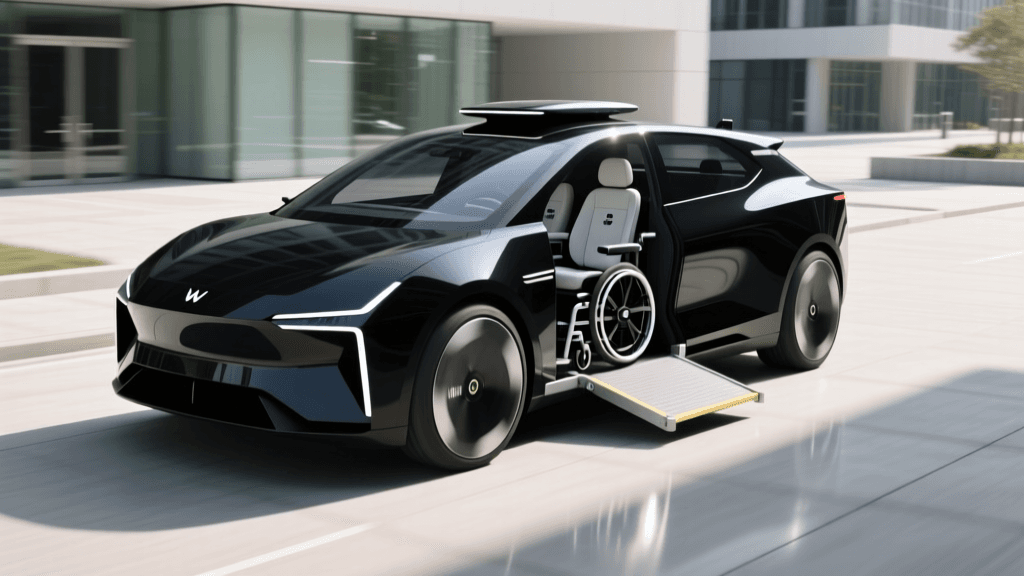
- Mistake 3: Assuming AVs Will Handle Niche Markets. Non-emergency medical transport, luxury airport transfers, and accessibility-focused transit (helping elderly or disabled passengers into vehicles) require a human touch that robots cannot currently provide.
Actionable Guide: How Drivers Can Pivot to the AV Economy
Instead of waiting for the industry to pass you by, proactive drivers are already mapping their current gig-economy skills to the emerging AV fleet economy. Below is a transition matrix showing how your current experience translates to future roles.
| Current Gig Skill | AV Economy Equivalent Role | Required Upskilling / Action |
|---|---|---|
| Real-time Route Navigation | Remote Fleet Dispatcher / Teleoperations | Complete remote-assistance certification; learn fleet management software. |
| Basic Vehicle Upkeep (Wipers, Fluids) | AV Sensor Technician / Detailer | Learn LiDAR/Camera cleaning protocols; get certified in high-voltage safety. |
| Customer Service & Conflict Resolution | In-Cabin Experience Manager | Transition to corporate support for AV companies handling rider escalations. |
| EV Charging Habits | Fleet Charging Logistics Coordinator | Study commercial depot charging schedules and battery degradation management. |
Specific Certifications to Pursue Today
If you want to future-proof your income, stop driving 60-hour weeks and dedicate 5 hours a week to upskilling. Here are two highly specific, actionable paths:
- ASE L3 Certification (Light Duty Hybrid/Electric Vehicle Specialist): Since robotaxi fleets are entirely electric, fleet operators desperately need technicians who understand high-voltage systems. The ASE L3 test costs around $45 (plus registration fees), and study guides cost about $50. Spending three months preparing for this certification can transition you from a $20/hour gig worker to a $35+/hour EV fleet technician.
- Remote Teleoperations Training: Companies like Waymo, Cruise, and Halodi hire remote operators to guide AVs through complex scenarios. These roles often pay between $25 and $35 per hour and offer full benefits. Look for 'Autonomous Vehicle Remote Operator' or 'Teleassistance Specialist' job postings and familiarize yourself with the concept of 'human-in-the-loop' autonomous systems.
The Geographic Reality: Why Your Market Matters
It is vital to analyze your specific city when assessing your employment risk. The U.S. Department of Transportation tracks AV testing and deployment, and the data shows a hyper-concentrated rollout. Cities like Phoenix, San Francisco, and Los Angeles are ground zero for robotaxi expansion due to their grid layouts and favorable weather. If you drive in these markets, you should begin exploring the AV fleet support roles mentioned above immediately.
However, if you drive in cities with heavy snowfall (like Chicago or Boston), chaotic traffic patterns, or sprawling rural suburbs, your job security as a human driver is incredibly high for the next decade. Robotaxi companies cannot afford the mapping, sensor winterization, and edge-case programming required to operate profitably in these environments anytime soon. In these markets, the smartest move is to double down on premium human services—such as VIP airport runs or specialized pet transport—where the human element is the primary selling point.
Conclusion: Adaptation Over Anxiety
The robotaxi revolution is not a job-ending apocalypse; it is an industry evolution. The gig workers who will suffer are those who cling to the myth of instant replacement and refuse to adapt. By understanding the limitations of Operational Design Domains, recognizing the massive need for EV fleet maintenance, and pursuing targeted certifications like the ASE L3, ride-hailing drivers can secure a profitable foothold in the autonomous future. The steering wheel may eventually disappear, but the need for human expertise in mobility will only grow more complex, more technical, and more rewarding.