The Shift from Robotaxis to Autonomous Delivery
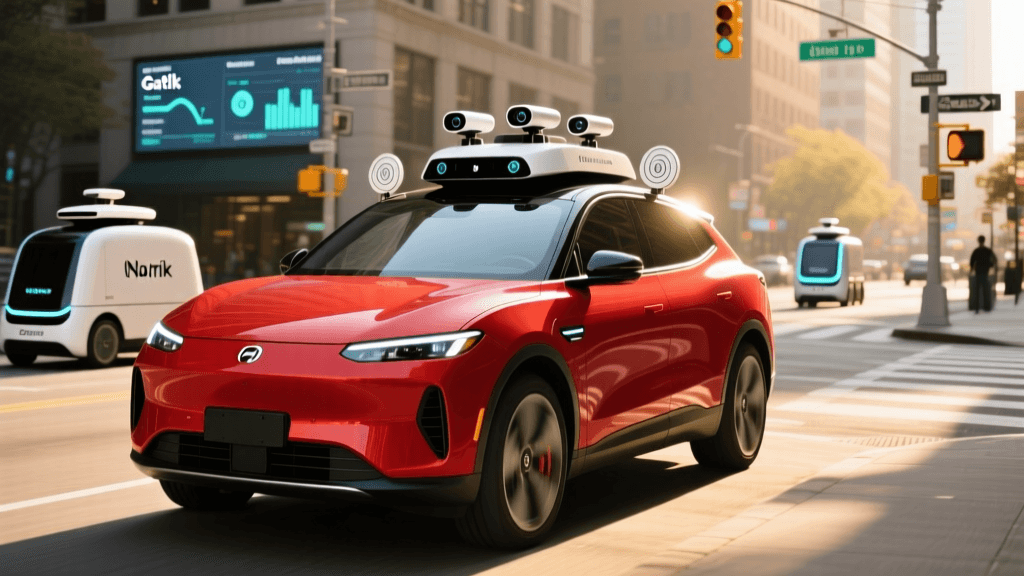
While passenger robotaxis dominate headlines, the autonomous delivery vehicle (ADV) sector is quietly achieving commercial viability. Unlike human-centric robotaxis, ADVs operate in constrained Operational Design Domains (ODDs), prioritize cargo safety over passenger comfort, and bypass complex interior UX requirements. This technology deep dive tracks the hardware, software, and deployment metrics defining the current autonomous last-mile and middle-mile logistics landscape.
Core Technology Stack: What Powers Last-Mile Autonomy
Autonomous delivery vehicles rely on a tightly integrated hardware and software stack to navigate dynamic urban environments. The industry has largely moved away from pure vision-based approaches in favor of robust sensor fusion, ensuring redundancy in adverse weather conditions.
Sensor Fusion and LiDAR Arrays
Modern ADVs utilize a combination of solid-state and mechanical LiDAR, 4D imaging radar, and high-dynamic-range (HDR) cameras. For instance, digital LiDAR systems from providers like Ouster provide high-resolution point clouds essential for detecting low-reflectivity obstacles such as dark-colored debris or pedestrians at night. According to the SAE International J3016 standard, achieving Level 4 autonomy requires these sensors to feed into a system capable of performing the complete dynamic driving task without human intervention within a specific ODD.
Software Architecture: SLAM and HD Mapping
Hardware is only half the equation. The software stack relies heavily on High-Definition (HD) mapping combined with real-time SLAM. Unlike standard GPS, which offers meter-level accuracy, HD maps provide centimeter-level precision, detailing lane widths, curb heights, and traffic light coordinates. However, maintaining these maps is computationally expensive. Modern ADVs are shifting toward "map-light" architectures, utilizing deep learning models like BEV (Bird's Eye View) transformers to infer road topology in real-time, reducing reliance on continuously updated HD maps. This shift drastically lowers the operational overhead required to expand an ADV fleet into new zip codes.
Edge Computing and AI Inference
Processing terabytes of sensor data daily requires massive edge compute capabilities. The industry standard has converged around NVIDIA’s DRIVE Orin SoC, delivering up to 275 TOPS (Tera Operations Per Second). This compute power enables real-time SLAM and complex path-planning algorithms. Furthermore, 4D imaging radars, such as the Continental ARS540, are increasingly used to pierce through fog, heavy rain, and direct sun glare, providing velocity and elevation data that traditional radars lack.
2024 Autonomous Delivery Vehicle Comparison Matrix
To understand the current hardware landscape, fleet managers must evaluate the physical and computational specifications of leading ADV platforms. Below is a technical comparison of the most prominent autonomous delivery vehicles currently in pilot or commercial deployment.
| Vehicle Platform | Class / Form Factor | Primary LiDAR / Sensors | Compute Node | Max Payload | Deployment Status |
|---|---|---|---|---|---|
| Nuro R3 | Low-Speed Pod (LSV) | Ouster Digital LiDAR, Helm Cameras | Custom NVIDIA-based | 500 lbs (227 kg) | Commercial (Walmart, Kroger) |
| Gatik Box Truck | Class 3-6 Box Truck | Hesai / Luminar LiDAR, Radar | NVIDIA Orin / Custom | Up to 10,000 lbs | Commercial (Walmart, Tyson) |
| Udelv Transporter | Multi-Stop Cargo Van | Mobileye EyeQ, Surround Cameras | Mobileye SuperVision | 2,000 lbs (907 kg) | Pilot / Early Commercial |
| Zoox Cargo | Carriage-Style (Modified) | Custom 360 LiDAR, Vision | Proprietary Zoox Stack | Variable (Testing) | R&D / Limited Pilot |
Deployment Tracker: Where Are They Operating Now?
Tracking where these vehicles are legally permitted to operate is critical for logistics companies planning regional rollouts. The National Conference of State Legislatures (NCSL) maintains a comprehensive database of state-level AV laws, highlighting that states like Texas, Arizona, and California remain the primary hubs for commercial ADV operations due to favorable regulatory frameworks and favorable weather conditions.
Nuro: Dominating the Last-Mile Grocery Sector
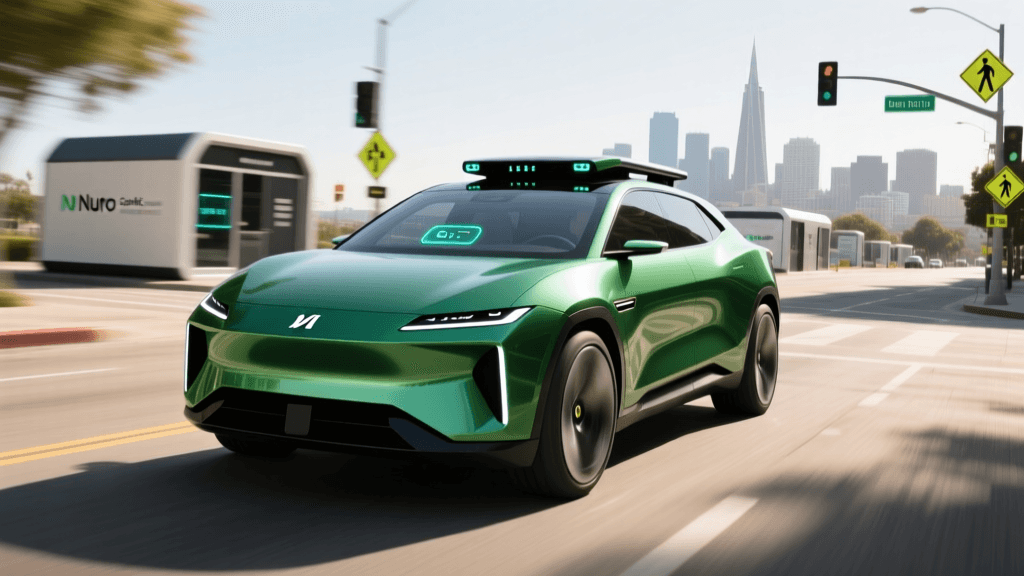
Nuro has secured multiple exemptions from the NHTSA to operate vehicles without steering wheels or mirrors. Their R3 vehicle is currently deployed in the Houston and Dallas-Fort Worth metroplexes, partnering heavily with Kroger and Walmart. Nuro’s strategy focuses on low-speed, right-side-of-the-road driving, minimizing the kinetic energy involved in potential collisions and simplifying the path-planning neural networks.
Gatik: Conquering Middle-Mile B2B Logistics
Unlike last-mile pods, Gatik focuses on the "middle mile"—moving goods from distribution centers to retail storefronts. Operating Class 3 to Class 6 box trucks, Gatik has achieved a massive footprint in Texas and Arkansas. By removing the driver from fixed, repetitive routes (often highway or arterial road driving), Gatik provides a clear ROI for enterprise clients like Tyson Foods and Walmart, who face chronic Class A CDL driver shortages.
Unit Economics: Cost-Per-Mile and Fleet Viability
For fleet managers, the ultimate metric is the cost-per-mile (CPM). Currently, human-driven last-mile delivery costs range from $2.50 to $4.00 per mile, factoring in labor, insurance, and vehicle depreciation. The U.S. Department of Transportation’s Automated Vehicles Comprehensive Plan outlines the federal push to integrate AVs safely into the supply chain, noting the potential for massive efficiency gains. Autonomous delivery aims to push the CPM below $1.50 once teleoperation ratios scale from 1:3 (one remote operator per three vehicles) to 1:15 or higher. Hardware costs for a full Level 4 sensor suite have dropped from over $150,000 in 2019 to roughly $35,000–$50,000 today, making the hardware payback period viable within 18 to 24 months of continuous operation.
How Fleet Managers Can Prepare for AV Integration
Integrating autonomous delivery vehicles requires more than just purchasing hardware; it demands a complete operational overhaul. Here is actionable advice for logistics directors:
- Define Your ODD Strictly: Do not attempt to deploy ADVs in geofenced areas with high rates of double-parked vehicles, unmapped construction zones, or severe winter weather. Map your routes to ensure they fit the AV provider's validated ODD.
- Upgrade Docking Infrastructure: Last-mile pods like the Nuro R3 require specialized, secure loading zones. Invest in automated locker systems or geo-fenced curbside pickup zones to eliminate the "last 50 feet" human handoff problem.
- Negotiate Teleoperation SLAs: When contracting with an ADV provider, scrutinize their remote assistance Service Level Agreements. Ensure their teleoperation latency is under 100ms and that their fallback protocols for network dead zones are clearly defined.
- Monitor Sensor Degradation Metrics: Implement daily automated sensor calibration checks. Dust, road grime, and minor misalignments can degrade LiDAR point clouds by up to 15%, triggering unnecessary disengagements and teleoperation interventions.
Conclusion
The autonomous delivery sector has transitioned from speculative R&D to a measurable, revenue-generating segment of the logistics industry. By leveraging advanced sensor fusion, high-TOPS edge computing, and highly constrained ODDs, companies like Nuro and Gatik are proving that Level 4 autonomy is commercially viable today. For fleet managers and tech enthusiasts, tracking the evolution of these platforms—from LiDAR resolutions to teleoperation ratios—provides a clear roadmap to the future of automated supply chains.