The Data-Driven Reality of Rear Cross Traffic Alert (RCTA) Systems
As vehicles become increasingly autonomous, Advanced Driver Assistance Systems (ADAS) have transitioned from luxury perks to standard safety expectations. Among the most relied-upon features in daily driving is the Rear Cross Traffic Alert (RCTA) system. Designed to warn drivers of approaching vehicles, cyclists, or pedestrians while reversing out of parking spaces, RCTA is often marketed as a foolproof co-pilot for parking lot navigation. However, a data-driven analysis of real-world effectiveness reveals a more nuanced picture. While RCTA significantly reduces certain types of collisions, its hardware limitations, sensor blind spots, and environmental vulnerabilities demand that drivers understand exactly how the technology works—and more importantly, when it fails.
Sensor Architecture: Radar vs. Ultrasonic vs. Vision
To understand RCTA effectiveness, we must first examine the sensor fusion architectures deployed by modern automakers. RCTA systems primarily rely on one of three technologies, or a combination thereof, to monitor the lateral zones behind the vehicle.
1. Millimeter-Wave Radar (24GHz and 77GHz)
The gold standard for RCTA is millimeter-wave radar. Typically housed behind the rear bumper fascia (which is transparent to radar waves), these sensors emit electromagnetic waves that bounce off moving metallic and dense objects. Modern 77GHz radar systems offer a high-resolution lateral detection range of up to 20 to 30 meters. Radar excels at calculating the velocity and trajectory of cross-traffic, making it highly effective at predicting collision paths in perpendicular parking scenarios.
2. Ultrasonic Sensors
Ultrasonic parking sensors operate using high-frequency sound waves (typically 40kHz). While excellent for measuring static distances to curbs or walls (Rear Parking Assist), they are severely limited in cross-traffic applications. Ultrasonic sensors generally have a maximum effective range of 2 to 5 meters and a narrow field of view. By the time an ultrasonic sensor detects a vehicle moving laterally at 15 mph, the vehicle is often already in the driver's blind spot or dangerously close to the rear bumper.
3. Camera-Based Vision Systems
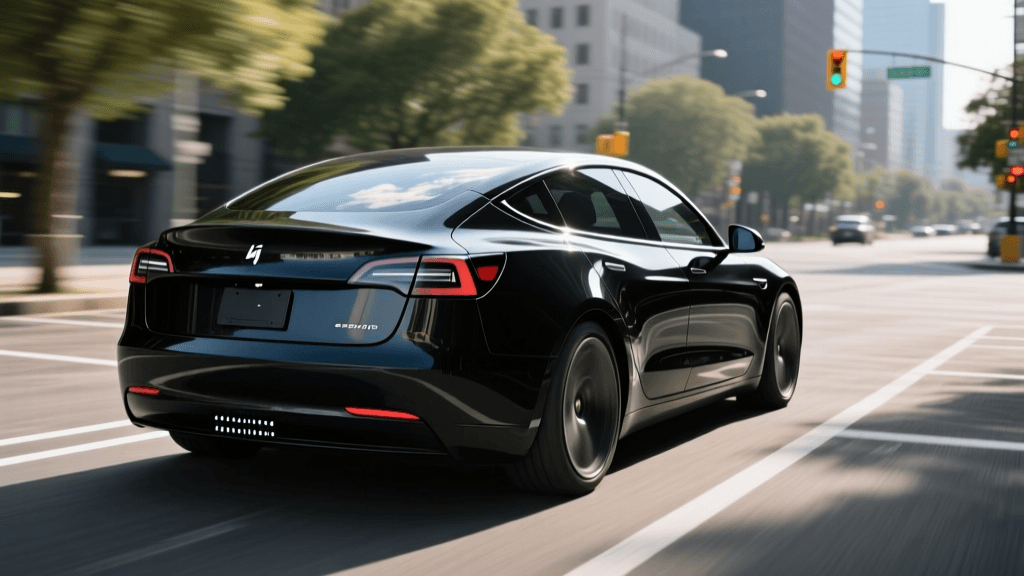
With the shift toward 'Tesla Vision' and advanced AI processing, some automakers are attempting to replace radar with wide-angle rearview cameras and neural networks. While cameras provide excellent object classification (e.g., distinguishing a shopping cart from a pedestrian), they struggle with depth perception, low-light conditions, and lens occlusion, making them less reliable as a standalone RCTA solution compared to dedicated radar.
The Data: IIHS and AAA Studies on RCTA Effectiveness
Empirical data from leading traffic safety organizations highlights both the triumphs and the critical shortcomings of RCTA systems. According to the Insurance Institute for Highway Safety (IIHS), vehicles equipped with comprehensive rear crash prevention systems—which combine RCTA, rear parking sensors, and Rear Automatic Emergency Braking (Rear AEB)—show a staggering 78% reduction in backup crashes compared to vehicles with no rear assist technology. However, when isolating RCTA warning systems without automatic braking intervention, the crash reduction rate drops significantly, heavily relying on driver reaction time.
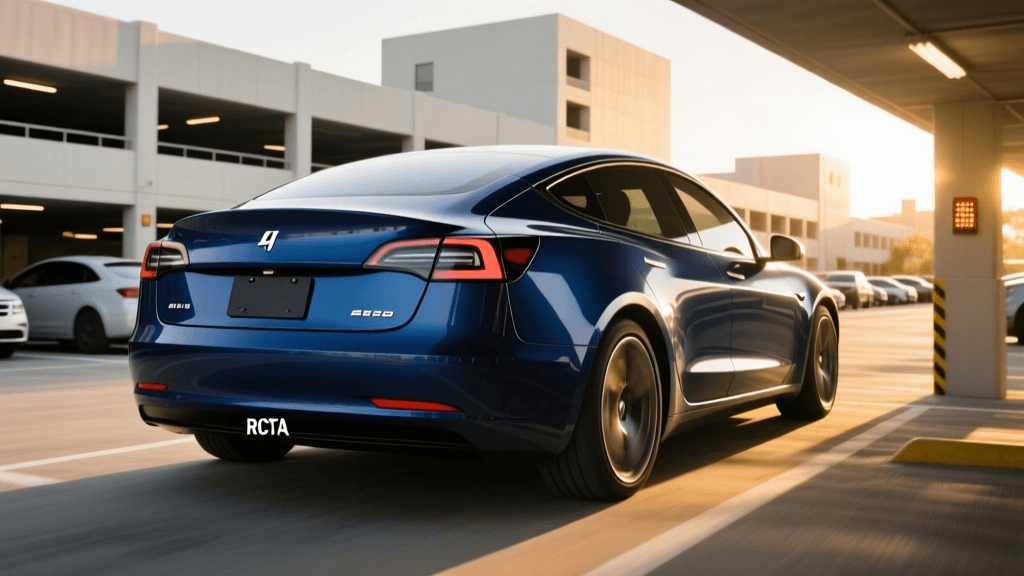
Furthermore, research conducted by the AAA Foundation for Traffic Safety exposed severe limitations in real-world parking geometries. AAA's controlled testing demonstrated that RCTA systems are critically compromised when reversing out of angled parking spots, or when parked between larger vehicles like pickup trucks or SUVs. In angled scenarios, the radar's line-of-sight is blocked by adjacent vehicles. The system often cannot detect an approaching car until the reversing vehicle's rear axle has already crossed the parking line and entered the active traffic lane—leaving the driver with less than 0.8 seconds to react and brake.
OEM Implementation Comparison: How Top Brands Tune RCTA
Not all RCTA systems are created equal. Automakers tune their sensor sensitivity, alert modalities, and false-positive thresholds differently. Below is a data-driven comparison of how major OEMs implement RCTA in their current ADAS suites.
| OEM / System Name | Primary Sensor Tech | Lateral Detection Range | Alert Modality | Known Tuning Characteristic |
|---|---|---|---|---|
| Toyota (TSS / PVM) | 77GHz Millimeter-Wave Radar | Up to 20 meters | Visual + Directional Chime | Highly reliable in perpendicular lots; conservative false-positive rate. |
| Honda (Honda Sensing) | Radar + Ultrasonic Fusion | Up to 15 meters | Aggressive Audible Beep + BSM Icon | Prone to false alerts from stationary metallic objects (e.g., chain-link fences). |
| Subaru (EyeSight / RAB) | Rear Corner Radars | Up to 20 meters | Visual + Distinctive Tone | Excellent integration with Rear Automatic Braking; strong performance in rain. |
| Tesla (Autopark / Vision) | Camera Vision (Post-2022) | Variable (Software Dependent) | Visual Overlay + Audio | Struggles with low-contrast objects and heavy glare; lacks dedicated radar. |
Critical Limitations: When RCTA Fails the Driver
Despite impressive spec sheets, RCTA systems are bound by the laws of physics and software limitations. Understanding these failure points is crucial for safe vehicle operation.
The Angled Parking and Overhang Problem
As noted in AAA testing, angled parking spaces are the Achilles' heel of RCTA. Because the sensors are mounted on the rear corners of the bumper, adjacent vehicles block the radar's field of view. Furthermore, if a driver is reversing a vehicle with a long rear overhang (like a full-size SUV or a crew-cab pickup), the rear sensors remain shielded by adjacent cars long after the driver's side window has cleared the parking space. The system simply cannot see cross-traffic until the vehicle is already protruding into the lane.
Environmental and Topographical Interference
According to the National Highway Traffic Safety Administration (NHTSA), drivers must remain vigilant because sensor efficacy degrades in poor weather. Heavy rain, snow accumulation, and ice buildup on the rear bumper fascia can attenuate or scatter radar waves, effectively blinding the RCTA system. Similarly, parking on a steep incline or decline can alter the radar's horizontal plane, causing it to read the ground or the sky rather than approaching vehicles.
Target Classification and Stationary Objects
RCTA algorithms are specifically tuned to detect moving targets with a high radar cross-section (like cars and trucks). To prevent annoying false alarms, engineers program the system to ignore stationary objects. This means RCTA will rarely alert you if you are reversing toward a stationary shopping cart, a concrete pillar, or a parked motorcycle that is not currently moving. Additionally, fast-moving bicycles or pedestrians wearing non-reflective clothing may not generate a strong enough radar return to trigger an alert in time.
Actionable Advice: Maximizing Your RCTA System
RCTA is a supplementary tool, not a replacement for spatial awareness. To get the most out of your vehicle's ADAS technology while mitigating its inherent limitations, follow these data-backed best practices:
- The 'Inch-and-Peek' Technique: When reversing out of a tight or angled spot, do not rely solely on the RCTA chime. Reverse slowly (under 3 mph) until the front half of your vehicle clears the adjacent cars, pause to visually clear the lane, and then proceed.
- Maintain Sensor Hygiene: Radar sensors are located behind the plastic rear bumper, usually near the corners. While you cannot 'clean' the radar directly, keeping the bumper free of thick mud, snow, and ice ensures the fascia does not distort the electromagnetic waves. Keep the rearview and side mirrors clean for visual confirmation.
- Understand Your Vehicle's Blind Spots: Consult your owner's manual to find the exact sensor placement. If you drive a vehicle with a massive rear overhang, assume the RCTA is effectively blind until your rear axle crosses the parking line.
- Disable When Necessary: If you are backing up to a chain-link fence, a dense bush, or a crowded loading dock, temporarily disable RCTA via the dashboard menu to prevent 'alert fatigue' caused by continuous false-positive warnings.
Conclusion: Trust but Verify
The data is clear: Rear Cross Traffic Alert systems, particularly those utilizing 77GHz millimeter-wave radar paired with Rear AEB, are highly effective at reducing low-speed parking lot collisions in perpendicular scenarios. However, the technology is not infallible. The physical limitations of radar propagation, combined with the geometric challenges of angled parking and environmental interference, mean that RCTA must be treated as a secondary layer of defense. By understanding the hardware driving your vehicle's alerts and adopting proactive reversing habits, you can leverage the best of modern ADAS technology without falling victim to its blind spots.