The Evolution of ADAS: From Single Sensors to Sensor Fusion
The automotive industry is undergoing a seismic shift in how vehicles perceive the world. Advanced Driver Assistance Systems (ADAS) have evolved from simple, single-sensor warnings into complex, multi-layered sensor fusion networks capable of navigating dense urban environments. As we look toward the future of autonomous and semi-autonomous driving, understanding the distinct roles of cameras, radar, lidar, and ultrasonic sensors is no longer just for engineers—it is essential for informed car buyers.
According to the National Highway Traffic Safety Administration (NHTSA), ADAS technologies are fundamentally changing the landscape of vehicle safety, with features like Automatic Emergency Braking (AEB) becoming standard. However, the hardware powering these features is rapidly changing. The future of smart driving relies on 'sensor fusion'—the algorithmic blending of multiple sensor inputs to create a redundant, 360-degree digital twin of the vehicle's surroundings. Let us break down the core ADAS sensor types, their future trajectories, and what they mean for your next vehicle purchase.
Breaking Down the Core ADAS Sensor Types
Cameras: The Eyes of AI Vision
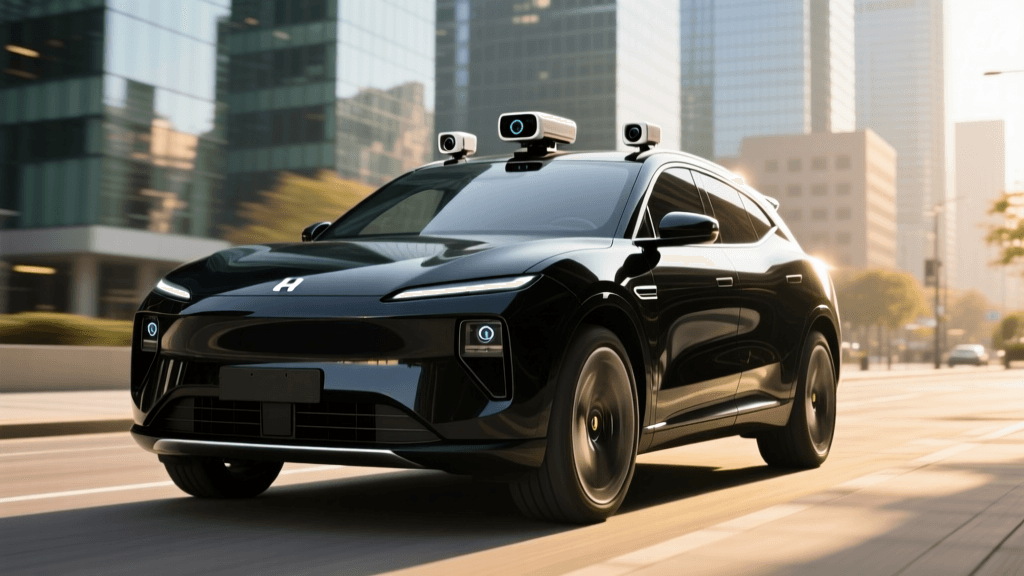
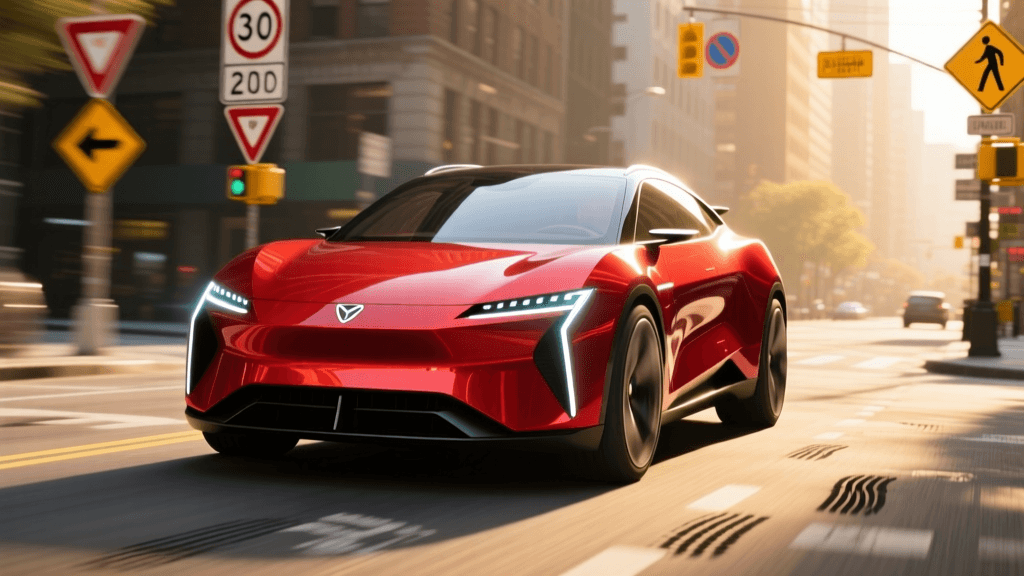
Cameras are the only sensors capable of reading text, identifying traffic light colors, and recognizing complex visual patterns like construction zone signage. Modern ADAS setups utilize a mix of forward-facing monocular and stereo cameras, alongside surround-view fisheye lenses.
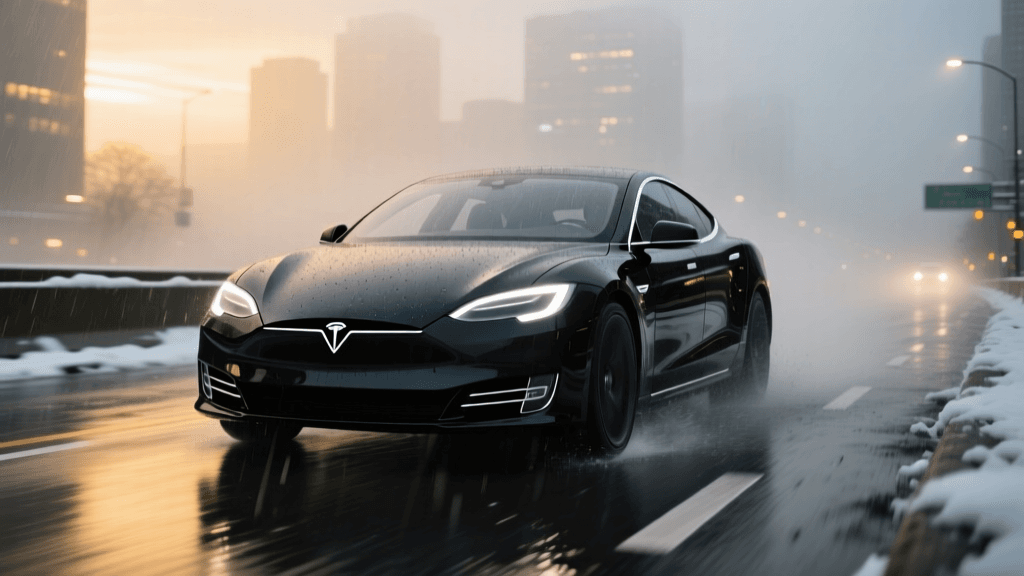
Future Trend: The industry is moving toward high-megapixel sensors (8MP and above) paired with AI-driven 'Bird's Eye View' (BEV) transformer models. Instead of relying on traditional 2D bounding boxes, modern neural networks process camera feeds directly into a 3D voxel space. While Tesla has famously bet the farm on a 'vision-only' approach, most legacy automakers treat cameras as one vital layer of a broader sensor fusion stack, acknowledging that cameras still struggle in heavy fog, blinding sun glare, and pitch-black conditions.
Radar and the Rise of 4D Imaging
Traditional millimeter-wave radar has been the workhorse of Adaptive Cruise Control (ACC) for over a decade. It excels at measuring the distance and relative velocity of objects ahead, completely unaffected by rain, snow, or darkness. However, traditional radar lacks vertical resolution, meaning it often struggles to distinguish between a stopped car and a steel overpass bridge.
Future Trend: The advent of 4D Imaging Radar is revolutionizing this space. By adding elevation (the fourth dimension) to the standard range, azimuth, and velocity data, 4D radar generates point clouds that rival low-resolution lidar. Companies like Continental and Bosch are integrating 4D radar into 2024 and 2025 vehicle platforms. For buyers, a vehicle equipped with 4D radar offers vastly superior phantom-braking prevention and better highway autopilot reliability at a fraction of the cost of lidar.
Lidar: The Solid-State Revolution
Light Detection and Ranging (Lidar) uses laser pulses to create a hyper-accurate, real-time 3D map of the environment. It is the gold standard for depth perception and edge detection. Historically, mechanical spinning lidar units cost upwards of $70,000, restricting them to robotaxi test fleets.
Future Trend: The future is solid-state lidar. By eliminating moving parts and utilizing micro-mirrors or flash technologies, companies like Luminar and Innoviz have driven the cost of automotive-grade lidar below $1,000. Solid-state lidar is now appearing in premium EVs from brands like Volvo, Lotus, and NIO. If you frequently drive on unlit rural highways or want the highest tier of Level 3 autonomous readiness, selecting a vehicle with integrated solid-state lidar is a forward-looking investment.
Ultrasonic Sensors: The Unsung Heroes of Parking
Ultrasonic sensors emit high-frequency sound waves to detect nearby objects. They are inexpensive, highly reliable at low speeds, and form the backbone of automatic parking assist and near-field blind-spot warnings.
Future Trend: Interestingly, the trend here is consolidation. Some automakers, most notably Tesla, temporarily removed ultrasonic sensors (USS) in favor of 'Tesla Vision' camera-based depth estimation, only to face significant consumer backlash regarding parking accuracy. The industry consensus for 2025 and beyond is that while high-definition surround cameras can handle 3D parking visualization, ultrasonic sensors remain a necessary, cheap redundancy for detecting glass walls, thin poles, and low curbs that cameras might miss.
Sensor Fusion vs. Vision-Only: The Industry Divide
As a buyer, you will encounter two distinct philosophies in the smart driving market. The 'Vision-Only' camp argues that since humans drive using only eyes (cameras) and a brain (neural networks), cars should do the same. This approach reduces hardware costs and simplifies manufacturing.
Conversely, the 'Sensor Fusion' camp argues that machines should exceed human limitations. By combining the visual classification of cameras, the all-weather velocity tracking of radar, and the precise 3D mapping of lidar, the vehicle achieves redundancy. If a camera is blinded by the sun, the radar and lidar take over. For consumers prioritizing maximum safety and future-proofing for over-the-air (OTA) Level 3 autonomy, multi-sensor fusion remains the superior, albeit more expensive, choice.
Buyer's Guide: ADAS Sensor Maintenance and Calibration Costs
When purchasing a modern EV or smart vehicle, you must consider the total cost of ownership, specifically regarding ADAS sensor repairs. A minor fender bender that would have cost $500 to fix a decade ago can now result in a massive bill due to sensor replacement and recalibration. The Insurance Institute for Highway Safety (IIHS) has extensively documented how ADAS hardware significantly drives up repair costs and insurance premiums.
Below is an estimated breakdown of what you can expect to pay for ADAS sensor repairs and calibrations on modern vehicles:
| Sensor Type | Typical Location | Est. Replacement Cost | Calibration Requirement |
|---|---|---|---|
| Forward Camera | Behind Rearview Mirror (Windshield) | $400 - $900 | Static & Dynamic (Requires specialized targets and a test drive) |
| Corner Radar | Behind Front/Rear Bumpers | $600 - $1,200 | Dynamic (Requires specific driving patterns to align) |
| 4D Imaging Radar | Front Grille / Lower Fascia | $800 - $1,500 | Static (Requires dealer-level laser alignment tools) |
| Solid-State Lidar | Roofline / Front Fenders | $1,200 - $2,500+ | Static (Highly sensitive; often requires factory-certified techs) |
| Ultrasonic Sensors | Bumper Fascias | $50 - $150 per unit | None (Plug-and-play in most architectures) |
Actionable Advice for Buyers: Before signing the paperwork on a new smart vehicle, ask the dealer about their in-house ADAS calibration capabilities. If the dealership lacks the specialized calibration bays required for static lidar or camera alignment, you may be forced to wait weeks for a mobile technician or tow the vehicle to a regional hub after a simple windshield replacement. Additionally, ensure your auto insurance policy includes 'OEM glass and sensor calibration' coverage, as aftermarket windshields can sometimes distort camera optics, causing ADAS lane-keep systems to fail.
Future Outlook: Centralized Compute and Zonal Architecture
Looking ahead to 2026 and beyond, the physical sensors are only half the story. The future of ADAS lies in centralized compute architectures. Instead of each sensor having its own dedicated processing chip, vehicles are moving toward massive central supercomputers, such as the Nvidia DRIVE Orin and Qualcomm Snapdragon Ride platforms.
This 'zonal architecture' allows raw data from cameras, radar, and lidar to be ingested simultaneously, processed by a single AI brain, and acted upon in milliseconds. For the consumer, this means your car will receive OTA updates that don't just tweak the user interface, but fundamentally improve the sensor fusion algorithms, making the car a safer, more capable driver years after it leaves the lot.
Conclusion
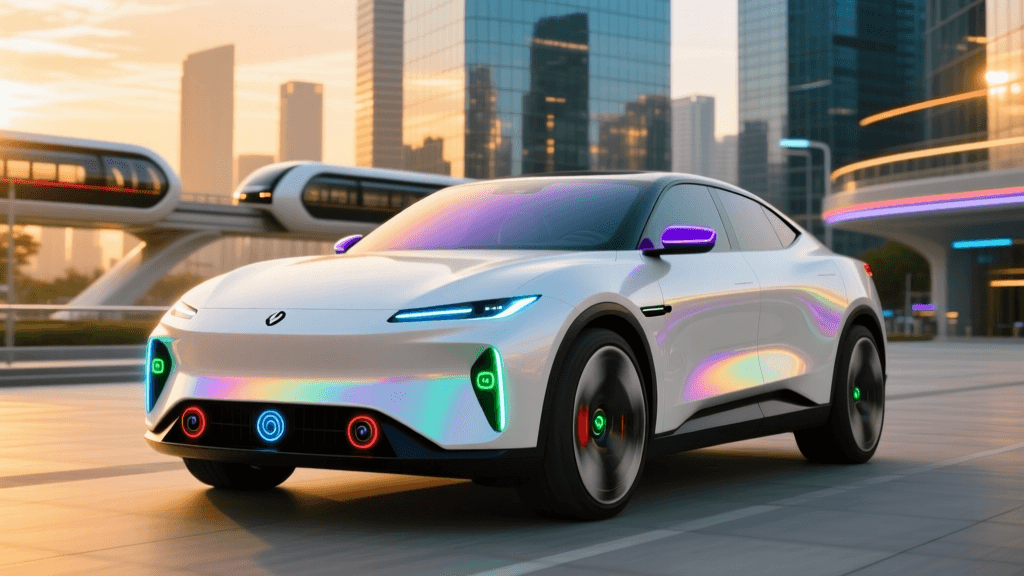
The ADAS sensor landscape is no longer a one-size-fits-all proposition. While cameras and ultrasonic sensors handle the baseline requirements of modern driving, the integration of 4D imaging radar and solid-state lidar is drawing a hard line between standard driver assistance and true autonomous readiness. As you evaluate your next vehicle purchase, look beyond the marketing buzzwords. Check the spec sheet for sensor fusion, inquire about calibration costs, and choose a hardware suite that aligns with your driving environment and safety priorities. The future of driving is intelligent, but only if the vehicle has the right eyes to see the road ahead.