The Hidden Cost of Smart Driving: An ADAS Repair Analysis
The automotive industry is undergoing a seismic shift toward electrification and autonomous capabilities. As advanced driver assistance systems (ADAS) become standard equipment on everything from entry-level crossovers to luxury electric vehicles, the driving experience has undeniably become safer and more convenient. However, this technological leap has introduced a complex new reality for vehicle ownership: the staggering cost and complexity of ADAS repairs. For modern EV and hybrid owners, a minor fender bender or a cracked windshield is no longer a simple, inexpensive fix. It is a highly technical procedure requiring specialized equipment, OEM parts, and meticulous calibration.
As we look toward the future of smart mobility, understanding the reliability of these sensors and the financial implications of their repair is critical. According to the National Highway Traffic Safety Administration (NHTSA), ADAS features like automatic emergency braking (AEB) and lane-keeping assist are fundamentally reducing crash rates. Yet, the physical hardware enabling these life-saving features is increasingly placed in the most vulnerable areas of the vehicle. This guide analyzes current ADAS reliability, breaks down real-world repair costs, and explores the future industry trends aimed at solving the repairability crisis.
Current ADAS Reliability and Sensor Vulnerability
Modern smart vehicles rely on a sensor fusion network comprising cameras, millimeter-wave radars, ultrasonic sensors, and, increasingly, LiDAR (Light Detection and Ranging). While the software governing these systems is highly reliable, the physical hardware is remarkably vulnerable to environmental hazards and minor collisions.
Windshield Replacements and Camera Calibration
The forward-facing camera module, typically mounted behind the rearview mirror, is the backbone of features like traffic sign recognition, lane centering, and pedestrian detection. Because it requires a perfectly clear optical path, any chip or crack in the windshield's camera zone necessitates a full glass replacement. Unlike legacy vehicles, replacing an ADAS-equipped windshield requires precise optical calibration. If the camera is off by even a fraction of a degree, the vehicle's computer may misinterpret lane lines, causing the car to steer toward oncoming traffic or fail to recognize obstacles.
The LiDAR and Radar Premium
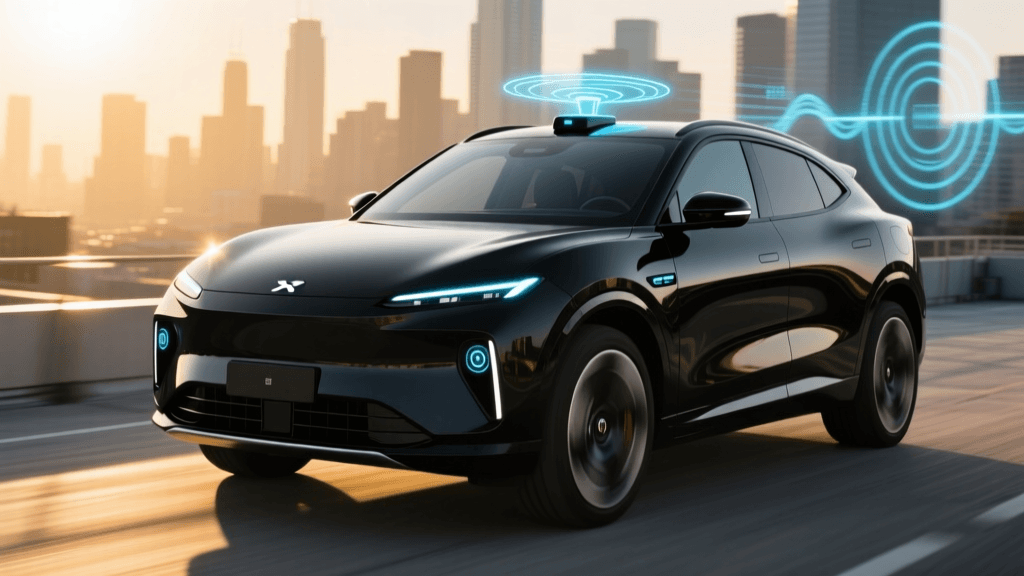
LiDAR units, which provide high-resolution 3D mapping for advanced autonomous driving features, are notoriously expensive. Vehicles like the Volvo EX90 and Lucid Air utilize prominent LiDAR arrays. In the EX90, the LiDAR is housed in a roof-mounted pod to maximize range and prevent obstruction, but this makes it susceptible to damage from low-hanging branches or parking garage impacts. Conversely, radar units are usually hidden behind the front emblem or lower bumper fascia. While protected from the elements, they are situated in the primary impact zone for minor front-end collisions, meaning a cracked bumper cover often requires radar removal, replacement, and dynamic recalibration.
ADAS Repair Cost Breakdown: What to Expect
To understand the financial impact of ADAS ownership, we must look beyond the part cost and factor in the labor-intensive calibration process. Calibration can be static (performed in a shop using laser-aligned target boards) or dynamic (requiring a technician to drive the vehicle at specific speeds on well-marked roads). The AAA Automotive Research team has repeatedly highlighted that ADAS components can account for a massive percentage of total collision repair bills. Below is an estimated breakdown of common ADAS repair scenarios for modern EVs and smart hybrids in 2024 and 2025.
| ADAS Component | Average Part Cost (OEM) | Calibration & Labor | Total Estimated Cost |
|---|---|---|---|
| Forward-Facing Camera (Windshield) | $400 - $900 | $300 - $550 | $700 - $1,450 |
| Front Millimeter-Wave Radar (Bumper) | $850 - $1,600 | $250 - $450 | $1,100 - $2,050 |
| Roof/Fascia LiDAR Array | $1,500 - $3,500 | $500 - $900 | $2,000 - $4,400 |
| Ultrasonic Parking Sensors (Set of 4) | $600 - $1,100 | $150 - $300 | $750 - $1,400 |
| Side-View Mirror Camera (360-Degree) | $350 - $700 | $200 - $400 | $550 - $1,100 |
"As vehicle complexity increases, the auto body repair industry is facing a severe bottleneck. The requirement for OEM-specific diagnostic tools, pristine shop environments for static calibration, and highly trained technicians means that minor ADAS damage is resulting in major financial and logistical headaches for consumers."
Future Trends: How Automakers Are Tackling Repairability
The current trajectory of ADAS repair costs is unsustainable for both consumers and the auto insurance industry. Recognizing this, automakers and Tier 1 suppliers (like Bosch, Continental, and Magna) are engineering the next generation of ADAS hardware with repairability and cost-efficiency in mind. Here are the key industry trends shaping the future of smart car maintenance.
1. Self-Calibrating and Continuous Background Alignment
The most significant upcoming trend is the shift toward self-calibrating ADAS. Currently, replacing a radar or camera requires a manual reset and alignment procedure. In the near future, advanced neural networks and over-the-air (OTA) software architectures will allow vehicles to perform continuous background calibration. By using fixed environmental reference points—such as lane markings, guardrails, and GPS mapping data—the vehicle's computer will automatically adjust sensor alignment on the fly. This will drastically reduce the need for time-consuming static calibration in a dealership service bay, potentially cutting labor costs by 50% or more.
2. Solid-State LiDAR and Protected Sensor Placement
Mechanical spinning LiDAR units are expensive and fragile. The industry is rapidly transitioning to solid-state LiDAR, which has no moving parts, is significantly cheaper to manufacture, and is more resistant to vibration and impact. Furthermore, automakers are rethinking sensor placement. Instead of mounting cameras and LiDAR on the exterior roof or behind thin plastic bumper covers, future designs are integrating sensors behind the interior rearview mirror glass or embedding them beneath heated, reinforced glass panels that resist rock chips and minor impacts.
3. Modular Sensor Housings
Historically, if a camera lens was scratched, the entire integrated electronic module had to be replaced. Future ADAS architectures are moving toward modular designs where the outer optical housing or protective glass can be replaced independently of the expensive internal processing unit. This simple design philosophy shift could reduce camera repair costs from over $1,000 to under $200.
The Insurance Industry's Response
The Insurance Institute for Highway Safety (IIHS) has extensively documented how ADAS influences crash frequencies and severities. While ADAS reduces the frequency of accidents, the severity (cost) of the accidents that do occur is rising. In response, insurance providers are adapting their underwriting models. Some insurers are beginning to offer specific "ADAS and Glass Protection" riders that waive the deductible for windshield replacements and camera calibrations, recognizing that forcing a consumer to pay a $1,000 deductible might lead them to delay repairing a cracked windshield, thereby disabling critical safety features like AEB.
Actionable Advice for EV and Smart Car Owners
As we navigate this transitional period in automotive repairability, owners of ADAS-equipped EVs and hybrids must be proactive to protect their wallets and their safety. Follow these actionable guidelines:
- Audit Your Insurance Policy: Ensure your comprehensive coverage includes "OEM Glass and Calibration" endorsements. Aftermarket windshields often have slight optical distortions that can cause forward-facing cameras to fail calibration, leading to phantom braking or lane-keep errors.
- Require Pre-Scan and Post-Scan Reports: If your vehicle is involved in any collision, demand that the body shop perform an OEM-mandated pre-scan and post-scan. This ensures that even sensors not directly impacted by the collision are verified for proper communication on the CAN bus network.
- Invest in Sensor Protection: For vehicles with exposed front radars or roof-mounted LiDAR, apply high-quality automotive ceramic coatings or paint protection film (PPF) to the sensor housings. This prevents micro-scratches and UV degradation that can blind optical sensors over time.
- Choose Certified Collision Centers: Do not take an ADAS-equipped vehicle to a generic repair shop. Only use manufacturer-certified collision centers that possess the specific target boards, laser-alignment racks, and proprietary software required for your exact make and model.
Conclusion
The integration of ADAS into modern EVs and hybrids represents a monumental leap forward in road safety and driving convenience. However, the current ecosystem of ADAS repair and calibration remains a costly, fragile bottleneck. As we look toward the latter half of the decade, the industry's pivot toward self-calibrating software, solid-state hardware, and modular sensor designs promises to alleviate these financial burdens. Until then, smart car owners must remain vigilant, properly insured, and highly selective about where they entrust their vehicle's complex sensory network for repair.