The Reality of ADAS in Adverse Weather
Advanced Driver Assistance Systems (ADAS) have fundamentally changed the way we drive, offering a safety net of features like Automatic Emergency Braking (AEB), Adaptive Cruise Control (ACC), and Lane Centering Assist. However, these systems are not infallible. They rely on a delicate network of cameras, radar, LiDAR, and ultrasonic sensors to interpret the world around your vehicle. When Mother Nature introduces rain, snow, or fog, the sensory input these systems rely on becomes compromised. According to the National Highway Traffic Safety Administration (NHTSA), ADAS features are designed to assist the driver, not replace them, and adverse weather is precisely when human supervision becomes most critical. In this guide, we break down exactly how different weather conditions impact your vehicle's smart driving tech and provide expert best practices to keep you safe on the road.
How Rain Impacts ADAS Sensors
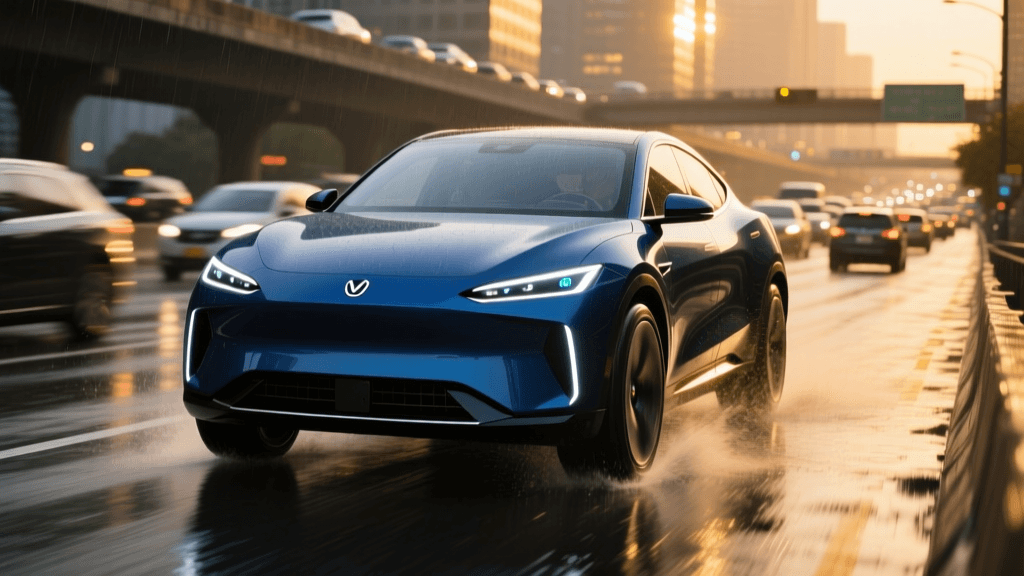
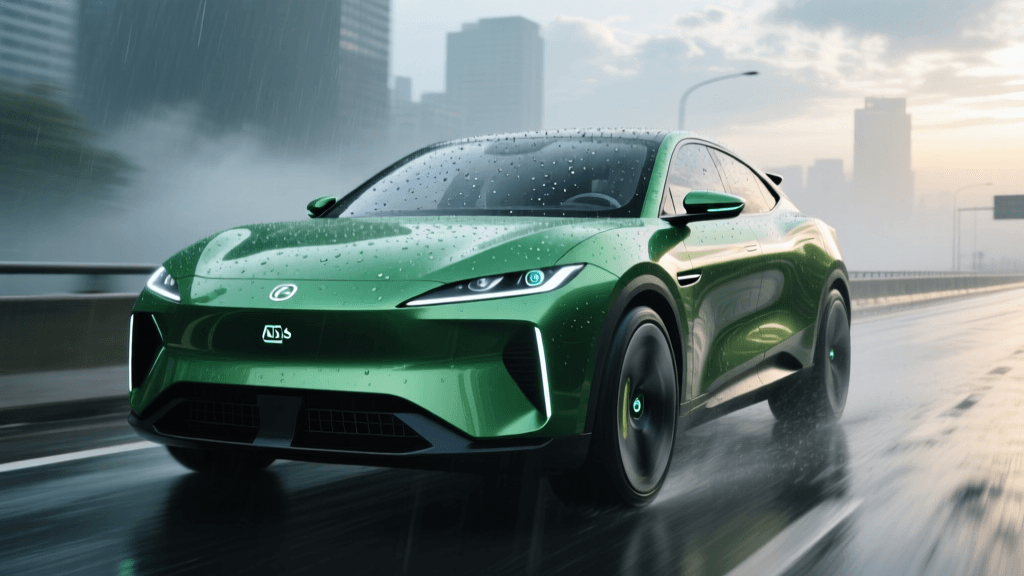
Rain is the most common adverse weather condition, but its effect on ADAS is surprisingly complex. The primary victim of heavy rain is the forward-facing camera, typically mounted behind the rearview mirror. Water droplets on the windshield act as distorted lenses, scattering light and blurring the camera's vision. This can cause Lane Keep Assist (LKA) to lose track of painted road lines, leading to sudden disengagement or erratic steering inputs.
Radar, which operates using radio waves, generally penetrates rain better than optical cameras. However, heavy downpours can cause 'attenuation,' where the radar waves are absorbed or scattered by dense water droplets. More problematically, wet roads create highly reflective surfaces. Radar waves can bounce off puddles or wet guardrails, creating 'ghost' objects. This is a primary cause of 'phantom braking'—when your car suddenly slams on the brakes on the highway because the radar误identified a radar reflection from a wet overpass or heavy spray from a semi-truck as a stationary obstacle.
Certain systems are more sensitive than others. For example, Subaru’s EyeSight system, which relies heavily on stereo cameras, has historically been prone to disabling itself during heavy rain or when facing direct sun glare reflecting off a wet road. Conversely, systems that fuse radar and camera data (like Ford’s BlueCruise or GM’s Super Cruise) tend to handle moderate rain better, though they will still issue takeover requests in torrential storms.
Snow and Ice: The Ultimate ADAS Blindfold
If rain blinds ADAS sensors, snow and ice bury them. Modern vehicles hide their radar emitters behind plastic fascias in the lower grille or behind the brand emblem. While these radars can 'see' through clean plastic, a buildup of wet snow, slush, or a solid layer of ice will completely block the signal. When this happens, Adaptive Cruise Control and AEB will typically display a 'System Unavailable' or 'Sensor Blocked' warning on your dashboard and deactivate.
Ultrasonic sensors, used for parking assist and blind-spot monitoring, are equally vulnerable. A thin layer of frost or a dusting of dry snow over these small circular sensors on your bumpers will render your parking assist useless and may cause your blind-spot monitoring to remain permanently illuminated with false positives.
Furthermore, snow obscures the very infrastructure ADAS relies on: lane markings. Without visible lines, camera-based lane centering is impossible. Even vehicles equipped with HD mapping and GPS-based lane positioning (like GM's Super Cruise) will limit their functionality or disengage if the system detects a loss of traction or if the road geometry shifts due to unplowed snow banks.
Fog and Low Visibility: When Cameras Fail
Fog presents a unique challenge because it consists of microscopic water droplets suspended in the air. For optical cameras, fog drastically reduces contrast and visibility, making it impossible for the software to identify vehicles, pedestrians, or lane markers. LiDAR (Light Detection and Ranging), which uses infrared laser pulses, also struggles immensely in fog. The laser pulses hit the water droplets and scatter back to the sensor, creating a 'whiteout' effect in the system's point cloud, making it blind to actual obstacles beyond a few dozen feet.
Radar is the undisputed champion of foggy conditions. Because radar wavelengths are much larger than water droplets, they pass through fog with minimal interference. If your vehicle utilizes a robust radar-forward ACC system, it will likely continue to track the car ahead of you long after your own eyes—and the car's cameras—have been rendered useless by the fog. However, because the camera is blinded, features that require visual confirmation (like Traffic Sign Recognition and Lane Centering) will shut down.
ADAS Sensor Performance Comparison Chart
Understanding the strengths and weaknesses of your vehicle's specific sensor suite is crucial for anticipating how it will behave when the weather turns. Below is a comparison of how the primary ADAS sensors handle adverse conditions.
| Sensor Type | Primary Function | Performance in Heavy Rain | Performance in Snow/Ice | Performance in Dense Fog |
|---|---|---|---|---|
| Optical Cameras | Lane Keep, Sign Recognition, Object Classification | Poor (Blinded by droplets, glare) | Very Poor (Obscured by buildup) | Very Poor (Low contrast, scattering) |
| Millimeter-Wave Radar | Adaptive Cruise, AEB, Blind Spot | Good (Some false positives/ghosting) | Poor (Blocked by physical ice/slush) | Excellent (Penetrates fog easily) |
| LiDAR | 3D Mapping, High-Def Object Detection | Fair (Attenuation in heavy rain) | Poor (Blocked by physical buildup) | Poor (Laser scattering) |
| Ultrasonic | Low-Speed Parking, Proximity Alerts | Fair (Water can cause minor echoes) | Very Poor (Blocked by frost/snow) | Excellent (Unaffected by fog) |
Expert Tips & Best Practices for Bad Weather Driving
Knowing how your car processes the environment is only half the battle. As an expert in smart driving technology, I recommend the following actionable best practices to maximize safety and system utility when the weather deteriorates.
1. The Pre-Trip Sensor Wipe
Before driving in snow or freezing rain, take 60 seconds to walk around your vehicle with a microfiber cloth. Wipe the front emblem (where the radar often lives), the rear emblem, the side mirror cameras, and the windshield just in front of the rearview mirror. Clearing these specific zones can be the difference between your AEB system functioning at an intersection or failing entirely.
2. Disable Auto-Wipers to Prevent Phantom Braking
In heavy rain, automatic windshield wipers can inadvertently trigger phantom braking. The camera, located behind the glass, sometimes interprets the fast-moving wiper blade or the sudden splash of water as an object entering the vehicle's path. If you are using Adaptive Cruise Control in a downpour, consider switching your wipers to manual mode and timing your wipes when traffic is clear, or be prepared to immediately cover the brake pedal if the car flinches.
3. Rely on Radar-Based ACC in Fog
If you are driving in dense fog on the highway, turn off Lane Centering Assist, as the system will likely hunt for non-existent lines and steer erratically. Instead, rely solely on radar-based Adaptive Cruise Control to maintain a safe following distance from the taillights ahead of you. Set the following distance to maximum to give the radar and your own reaction time a buffer against sudden stops.
4. Beware of Post-Windshield Replacement Calibration Issues
If you have recently had your windshield replaced, your forward-facing camera was likely disconnected and recalibrated. According to the Insurance Institute for Highway Safety (IIHS), improper calibration can severely degrade ADAS performance. If your lane centering feels 'nervous' or hugs one side of the lane during light rain, take the vehicle back to the dealer or a certified glass shop for a dynamic recalibration. Do not trust a misaligned camera in wet conditions.
5. Understand the 'System Unavailable' Cascade
Most modern EVs and smart cars employ a cascading shutdown protocol. First, Lane Centering will disable. Next, AEB and Forward Collision Warning will shut off. Finally, basic ABS and traction control remain. Do not wait for the system to shut down in the middle of a snowy curve. If you see snow accumulating on your front bumper or heavy fog rolling in, proactively disengage ADAS, grip the wheel, and take full manual control of the vehicle.
Conclusion
ADAS technology is a marvel of modern engineering, but it is not a substitute for an attentive human driver, especially when the skies open up. Rain, snow, and fog exploit the physical limitations of optical and laser-based sensors, forcing your vehicle to rely on its most basic radar inputs—or shut down entirely. By understanding the specific vulnerabilities of your car's sensor suite, maintaining a clean sensor array, and knowing exactly when to take over the wheel, you can leverage the convenience of smart driving tech without compromising your safety in adverse weather conditions.