The Foundation of Autonomous Driving: ADAS Sensor Types Explained
The automotive industry is undergoing a seismic shift from mechanical engineering to software-defined mobility. At the heart of this revolution are Advanced Driver Assistance Systems (ADAS), which serve as the foundational building blocks for fully autonomous vehicles. According to the National Highway Traffic Safety Administration (NHTSA), ADAS technologies like automatic emergency braking and lane-keeping assist are already significantly reducing collision rates on modern roadways. However, these systems are only as effective as the sensors that feed them data.
To navigate complex environments, modern electric vehicles (EVs) and smart cars rely on a suite of overlapping sensors. The 'Big Four' sensor types—cameras, radar, lidar, and ultrasonic—each possess unique physical properties, strengths, and limitations. As we look toward the future of Level 3 and Level 4 autonomy, as defined by SAE International, understanding how these sensors work and where the industry is heading is critical for both automotive engineers and savvy EV buyers.
Breaking Down the Big Four: Capabilities and Limitations
Cameras (The Eyes of the Vehicle)
Cameras are the most human-like sensors in the ADAS suite. Utilizing advanced CMOS image sensors and sophisticated machine learning algorithms, cameras excel at object classification. They can read traffic signs, distinguish between a pedestrian and a cyclist, and detect lane markings with high precision. Tesla has famously bet its entire autonomous future on a 'Tesla Vision' camera-only approach, arguing that human-level optical data combined with neural networks is sufficient for full self-driving.
Limitations: Cameras are inherently passive sensors; they rely on ambient light. They struggle in blinding sun glare, heavy fog, snow, and pitch-black conditions. Furthermore, estimating the exact distance and closing speed of an object using only 2D images requires immense computational power and can occasionally result in 'phantom braking' events.
Radar (The All-Weather Workhorse)
Radio Detection and Ranging (radar) has been a staple in automotive safety for decades, primarily powering Adaptive Cruise Control (ACC). Modern automotive radar operates in the millimeter-wave spectrum (typically 77 GHz). By bouncing radio waves off objects and measuring the Doppler shift of the returning signal, radar instantly calculates the exact distance and relative velocity of targets ahead.
Limitations: Traditional radar has poor spatial resolution, particularly in the vertical axis. It can tell you that a metallic object is 100 meters away and closing at 20 mph, but it struggles to differentiate between a stopped car and a metallic overhead bridge. This lack of elevation data is a primary cause of radar-induced phantom braking.
Lidar (The 3D Mapping Powerhouse)
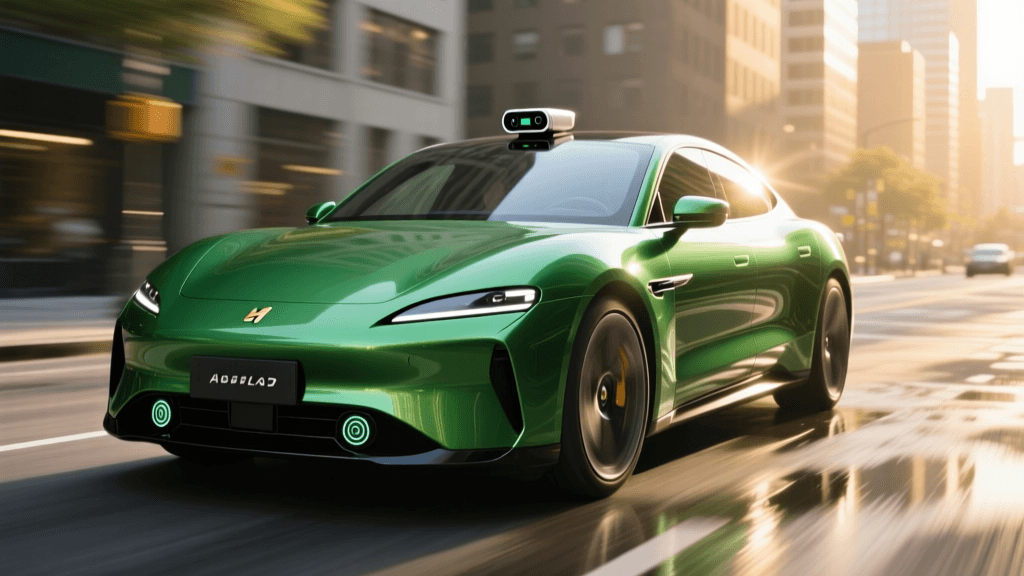
Light Detection and Ranging (lidar) is widely considered the holy grail for high-level autonomy, heavily utilized by robotaxi fleets like Waymo and Cruise. Lidar fires millions of invisible laser pulses per second and measures the time-of-flight for the light to bounce back. This generates a hyper-accurate, real-time 3D point cloud of the vehicle's surroundings, mapping the exact geometry of the environment down to the centimeter, regardless of ambient lighting.
Limitations: Historically, the barrier to lidar has been cost and packaging. Early mechanical spinning lidars cost upwards of $75,000 and were mounted conspicuously on vehicle roofs. While prices have plummeted, lidar can still be degraded by heavy rain, snow, or dense fog, which scatter the laser pulses.
Ultrasonic Sensors (The Close-Quarters Experts)
Ultrasonic sensors operate on the same principles as sonar, emitting high-frequency sound waves (typically 40 kHz) to detect nearby objects. They are incredibly cheap to manufacture, highly reliable at low speeds, and completely unaffected by lighting or weather conditions.
Limitations: Their effective range is limited to about 2 to 5 meters. Therefore, ultrasonic sensors are strictly relegated to close-quarters maneuvering, such as automated parking assist, blind-spot proximity warnings, and low-speed cross-traffic alerts.
Comparative Analysis: ADAS Sensor Performance Matrix
To understand how automakers blend these technologies, review the performance matrix below. This concept, known as 'sensor fusion,' ensures that the blind spots of one sensor are covered by the strengths of another.
| Sensor Type | Effective Range | Resolution / Detail | Weather Resilience | Relative Unit Cost | Primary ADAS Application |
|---|---|---|---|---|---|
| Camera | Up to 250m | High (Color, Text, 2D) | Low (Blinded by weather/glare) | $20 - $100 | Lane Keep, Sign Recognition, Object Classification |
| Radar (77 GHz) | Up to 300m | Low (Poor elevation data) | High (Penetrates fog/rain) | $50 - $150 | Adaptive Cruise, Blind Spot, AEB |
| Lidar | Up to 250m+ | Extremely High (3D Point Cloud) | Medium (Scattered by heavy snow) | $300 - $1,000+ | HD Mapping, Level 3+ Autonomy, Complex Urban Routing |
| Ultrasonic | 2m - 5m | Very Low (Proximity only) | Very High | $2 - $10 | Parking Assist, Low-Speed Obstacle Avoidance |
Future Trends & Industry Outlook: What’s Next for ADAS Sensors?
As the race toward Level 3 and Level 4 autonomy accelerates, the hardware landscape is evolving rapidly. Here are the most critical future trends shaping the ADAS sensor market.
The Rise of 4D Imaging Radar
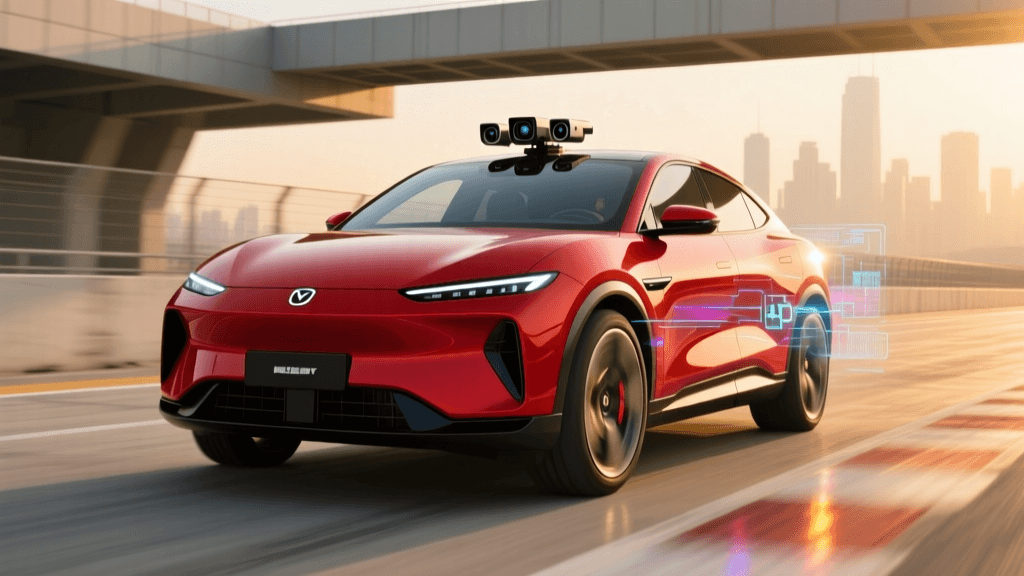
The most significant disruption in the sensor space is the advent of 4D imaging radar. Traditional radar measures distance, azimuth (horizontal angle), and velocity. 4D imaging radar adds elevation to the mix. By utilizing advanced cascading chip architectures and multiple-input multiple-output (MIMO) antenna arrays, 4D radar generates a dense point cloud that rivals low-resolution lidar. Industry giants like Bosch and Continental are pushing this technology, which allows vehicles to accurately distinguish between a stopped vehicle and an overhead highway sign, effectively solving the phantom braking issue at a fraction of the cost of lidar.
Solid-State Lidar and Cost Reduction
The mechanical spinning lidars of the past decade are being replaced by solid-state and semi-solid-state architectures. By utilizing micro-electromechanical systems (MEMS) mirrors or optical phased arrays (OPA), companies like Luminar, Innoviz, and Hesai are eliminating moving parts. This increases durability, allows the sensors to be hidden seamlessly behind vehicle windshields or bumpers, and drastically reduces manufacturing costs. We are rapidly approaching the inflection point where high-performance lidar units cost under $500, making them viable for mainstream consumer EVs rather than just luxury flagship models or robotaxis.
Advanced Sensor Fusion and AI Compute
Historically, sensor fusion occurred at the 'object level'—the camera identified a car, the radar identified a moving mass, and a central computer reconciled the two. The future is raw data fusion (or early fusion). Powered by massive system-on-chips (SoCs) like the NVIDIA DRIVE Orin, which processes over 250 trillion operations per second (TOPS), raw pixel and point-cloud data are merged before object classification even occurs. This allows the AI to 'see' the environment holistically, drastically reducing latency and improving edge-case recognition.
Practical Advice for EV and Smart Car Buyers
Understanding ADAS sensor technology is not just for engineers; it has direct financial and practical implications for consumers purchasing modern EVs and smart hybrids.
- Factor in Calibration Costs: According to the Insurance Institute for Highway Safety (IIHS), minor collisions that would have historically cost a few hundred dollars to repair can now cost thousands. If your windshield is cracked or your bumper is dented, the embedded cameras and radars must be meticulously recalibrated using specialized targets and laser alignment tools. Always verify that your insurance policy covers OEM glass and ADAS calibration.
- Beware of Aftermarket Modifications: Applying dark aftermarket window tint to the upper windshield can blind the forward-facing camera module, disabling automatic emergency braking and lane centering. Similarly, installing aftermarket bull bars or grille guards can physically block radar emitters, rendering ACC useless.
- Look for Sensor Redundancy: When shopping for a vehicle with Level 2+ or Level 3 capabilities, prioritize models that offer a redundant sensor suite. While camera-only systems are improving, vehicles that combine high-definition cameras with 4D radar or solid-state lidar offer vastly superior safety margins in adverse weather conditions, such as heavy rain or fog.
- Maintenance is Key: Sensors require physical upkeep. Keep radar emitters (usually located behind the front emblem or lower bumper) clear of mud, snow, and ice. Many modern EVs now feature automated sensor-cleaning systems, including high-pressure washer jets for cameras and heated housings for lidars, which are highly recommended options if you live in a region with harsh winters.
Pro Tip: Before taking delivery of a new EV, check the vehicle's ADAS menu to ensure all sensors are reporting as 'Online' and unobstructed. A simple layer of dealership wax or a misplaced license plate frame can trigger persistent ADAS warning lights.
Conclusion
The future of advanced driver assistance systems relies not on a single miracle sensor, but on the harmonious orchestration of multiple technologies. While cameras provide the semantic understanding of the world, radar ensures all-weather reliability, lidar delivers flawless 3D geometry, and ultrasonic sensors master the micro-manuevers. As 4D imaging radar and solid-state lidar drive costs down and AI compute pushes sensor fusion to new heights, the dream of safe, ubiquitous, and fully autonomous driving is moving rapidly from science fiction to the showroom floor.