The Hidden Cost of Smart Driving: ADAS Reliability in Focus
As the automotive industry accelerates toward an autonomous future, Advanced Driver Assistance Systems (ADAS) have transitioned from premium luxury options to standard equipment on most new EVs and hybrids. Features like Automatic Emergency Braking (AEB), Lane Centering, and Adaptive Cruise Control rely on a complex web of cameras, millimeter-wave radars, ultrasonic sensors, and increasingly, LiDAR arrays. While the National Highway Traffic Safety Administration (NHTSA) highlights the undeniable safety benefits of these systems in reducing collision severity, a looming challenge is emerging for consumers and the automotive aftermarket: the staggering cost and complexity of ADAS repairs.
Why Minor Fender Benders Now Cost Thousands
In the pre-ADAS era, a minor rear-end collision or a cracked windshield was a relatively inexpensive, straightforward fix. Today, the integration of fragile, high-precision sensors into vulnerable exterior zones has fundamentally altered the economics of collision repair.
Consider the front bumper. Modern EVs often house short-range radar sensors and ultrasonic parking sensors directly behind the bumper fascia. Even a low-speed impact that doesn't break the plastic can misalign a radar bracket by a fraction of a degree. Because a millimeter-wave radar operating at 77 GHz requires exact alignment to accurately detect vehicles hundreds of feet ahead, the entire sensor assembly must often be replaced and recalibrated.
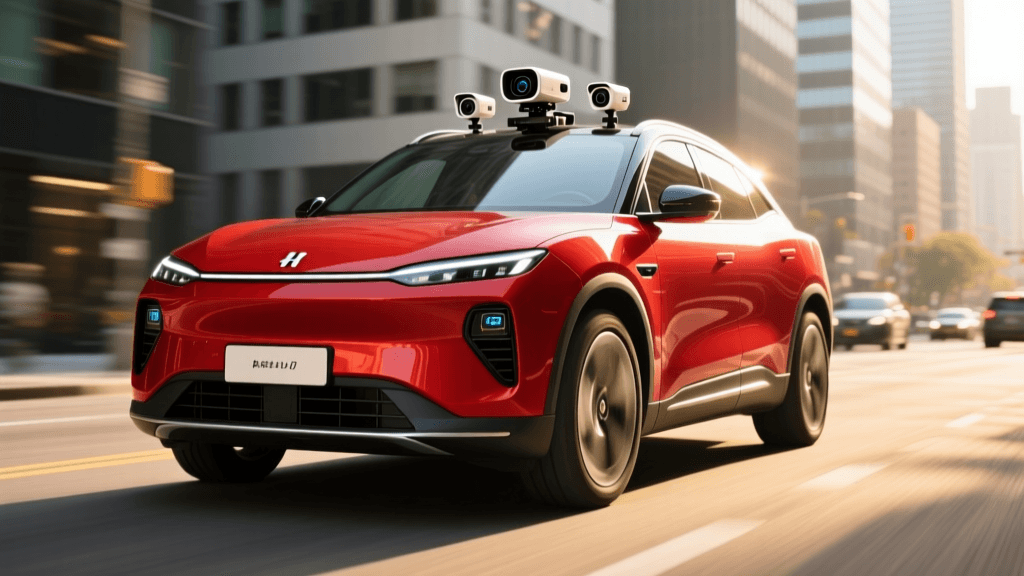
Similarly, the windshield is no longer just a piece of glass; it is a critical optical housing for forward-facing stereo cameras used in Lane Keep Assist and Traffic Sign Recognition. Replacing a windshield on an ADAS-equipped vehicle requires meticulous static and dynamic calibration, transforming a $300 glass job into a $1,200+ ordeal.
The Calibration Conundrum
Calibration is the hidden cost driver in ADAS repairs. It generally falls into two categories:
- Static Calibration: Performed in a controlled shop environment using specialized laser-aligned targets, optical benches, and proprietary OEM software. This requires expensive real estate and certified technicians.
- Dynamic Calibration: Requires a technician to drive the vehicle at specific speeds on well-marked highways for a set duration so the system can 'learn' its environment and align its internal parameters.
ADAS Repair Cost Analysis: Current Data & Projections
To understand the financial impact, we must look at the breakdown of parts, labor, and calibration requirements. According to industry analyses tracked by the Insurance Information Institute (III), vehicles equipped with ADAS can cost up to 37% more to repair after a crash than vehicles without these features. As sensor density increases with Level 3 and Level 4 autonomous capabilities, this premium is expected to widen.
| Component | Pre-ADAS Average Cost | ADAS-Equipped Cost (Parts + Calibration) | Primary Calibration Method |
|---|---|---|---|
| Front Bumper Cover | $400 - $800 | $1,500 - $3,200 | Static (Radar) & Dynamic |
| Windshield Replacement | $250 - $500 | $900 - $1,800 | Static (Camera Target) |
| Side Mirror Assembly | $150 - $300 | $600 - $1,100 | Dynamic (Blind Spot) |
| Roof-Mounted LiDAR Puck | N/A | $2,500 - $5,000+ | Factory/Static |
Future Trends: How the Industry is Adapting to Repair Realities
The automotive industry recognizes that unsustainable repair costs threaten consumer adoption and insurance viability. Moving into 2025 and beyond, several key trends are reshaping ADAS reliability and serviceability:
1. Self-Calibrating and AI-Driven Sensors
OEMs are developing 'continuous calibration' algorithms. Instead of requiring a shop visit after a minor bump, the vehicle's AI uses lane lines, guardrails, and GPS data to dynamically adjust radar and camera alignment on the fly. While this won't replace static calibration for major hardware replacements, it will drastically reduce false-positive ADAS errors caused by minor environmental shifts or suspension settling.
2. Relocating Vulnerable Sensors
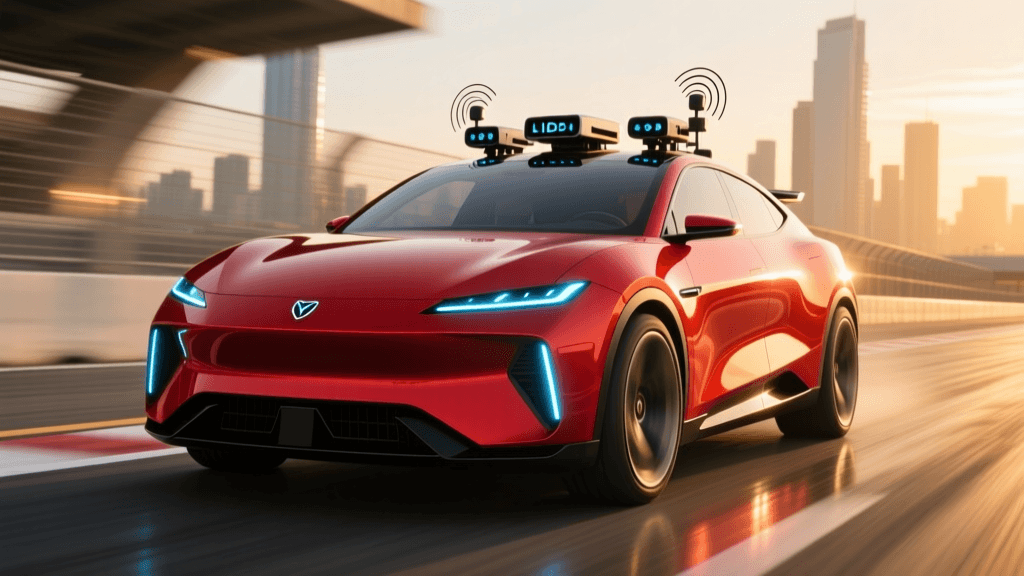
We are witnessing a design shift in sensor placement. Rather than embedding expensive LiDAR and radar units in the lower fascia—where they are highly susceptible to parking curb strikes and debris—manufacturers are moving toward roof-mounted 'puck' LiDARs (as seen on certain autonomous fleet vehicles and premium EVs) and integrating solid-state LiDAR directly into the headlight housings, which offer better structural protection.
3. Modular Sensor Brackets
Historically, a bent radar bracket meant replacing the entire $1,200 sensor unit. Future architectures are adopting modular, sacrificial brackets that absorb impact and can be swapped out for under $50, preserving the expensive sensor hardware itself.
Reliability Outlook: Environmental Degradation and Software Glitches
Beyond collision damage, long-term ADAS reliability is a growing concern. Cameras are subject to UV degradation, micro-pitting from road debris, and moisture ingress. LiDAR units, which contain spinning mechanical parts or delicate solid-state mirrors, face thermal throttling issues in extreme climates.
However, the Insurance Institute for Highway Safety (IIHS) notes that the most frequent ADAS 'failures' reported by consumers are actually software-related or tied to sensor occlusion (e.g., heavy rain, snow, or direct sun glare blinding cameras). This is particularly relevant for EVs relying on 'vision-only' camera systems, which struggle more in adverse weather compared to LiDAR-heavy approaches. The future of ADAS reliability relies heavily on sensor fusion—cross-referencing camera data with radar and LiDAR so that if one sensor is temporarily blinded, the others seamlessly compensate without disengaging the system.
Actionable Advice for EV and Smart Car Buyers
Navigating the financial risks of ADAS ownership requires proactive planning. Here is how you can protect your wallet:
- Audit Your Insurance Policy: Ensure your policy includes OEM parts coverage and glass calibration riders. Some insurers offer specific 'ADAS protection' add-ons that cover the high cost of recalibration without eating into your deductible.
- Prioritize OEM Windshield Warranties: When buying an EV, check if the manufacturer offers a separate warranty for ADAS camera housings and windshield calibration. Aftermarket glass often lacks the precise optical clarity required for stereo cameras, leading to persistent Lane Keep Assist failures.
- Choose Certified Body Shops: If you need repairs, seek out I-CAR Gold Class certified shops or OEM-certified collision centers. Independent shops may lack the $30,000+ static calibration rigs required to properly align modern EV sensor suites.
- Request a Pre-Purchase ADAS Scan: If buying a used smart car or EV, have a certified technician perform a full OBD-II ADAS module scan. This will reveal hidden fault codes or pending calibration errors that a standard test drive won't expose.
- Maintain Sensor Cleanliness: Invest in specialized sensor-cleaning kits. Never use abrasive chemicals on camera lenses or LiDAR housings, as micro-scratches will refract light and cause phantom braking events.
Conclusion
The integration of ADAS represents a monumental leap forward in vehicular safety, but it has undeniably complicated the economics of car ownership. As we look toward the future, the industry's pivot toward self-calibrating software, modular hardware, and sensor fusion promises to mitigate these soaring repair costs. Until then, understanding the vulnerabilities of your vehicle's sensor suite and securing the right insurance protections remains the smartest drive you can make.