The Urban ADAS Challenge: Why City Driving Breaks Systems
Highway driving is a relatively predictable environment for Advanced Driver Assistance Systems (ADAS). Lane markings are clear, traffic flows in a single direction, and speeds are consistent. City driving, however, is the ultimate stress test for automotive sensors. Urban environments are plagued by occlusion (pedestrians stepping out from behind delivery trucks), complex intersections, reflective glass storefronts that confuse radar, and endless stop-and-go traffic that triggers phantom braking.
According to the National Highway Traffic Safety Administration (NHTSA), ADAS technologies are designed to assist, not replace, the driver. In dense urban grids, the line between helpful assistance and annoying intervention can blur. To help you navigate the concrete jungle, we have ranked the top ADAS suites based on their city-driving capabilities and compiled a comprehensive troubleshooting guide to solve the most common urban sensor failures.
Ranking the Best ADAS Suites for Urban Environments
1. Volvo City Safety (Best Overall for Pedestrian and Cyclist Detection)
Volvo has long been a pioneer in urban safety, and the latest iteration of City Safety is arguably the most robust system for dense metropolitan areas. Using a fusion of high-definition cameras, millimeter-wave radar, and, in newer models like the EX90, LiDAR, Volvo excels at detecting vulnerable road users. The system specifically targets the 'occlusion problem'—identifying a pedestrian partially hidden by a parked car before the human driver can see them. The auto-brake intervention at speeds under 30 mph is exceptionally smooth, avoiding the jarring halts common in competitor systems.
2. Honda Sensing (Best for Intersection and Traffic Jam Assist)
Honda Sensing utilizes a wide-angle camera (up to 90 degrees in newer models) paired with a front-mounted radar. This wide field of view is critical for city driving, particularly at uncontrolled intersections. Honda's Traffic Jam Assist operates effectively at low speeds (under 45 mph), providing gentle steering and braking inputs that reduce driver fatigue in gridlock. The system's Blind Spot Information (BSI) and Cross Traffic Monitor are highly responsive to urban hazards like cyclists filtering through stopped cars.
3. Toyota Safety Sense 3.0 (Best for Low-Speed Pre-Collision)
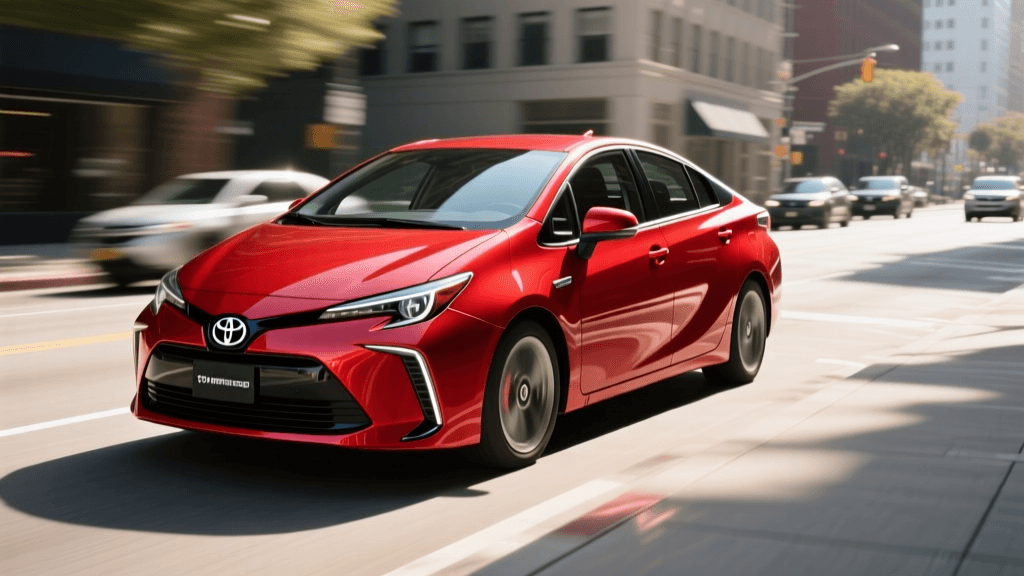
Toyota Safety Sense (TSS) 3.0 features a dedicated Pre-Collision System with Pedestrian Detection that is highly tuned for low-speed urban maneuvers. A standout feature for city dwellers is the Intersection Support function, which can detect oncoming vehicles or pedestrians crossing the street when the driver is making a left or right turn at an intersection. While the steering assist can feel slightly aggressive on narrow, unlined city streets, its braking interventions are highly reliable and well-calibrated for sudden urban stops.
4. Tesla Autopilot / Full Self-Driving (Best Vision Processing, Highest Troubleshooting Needs)
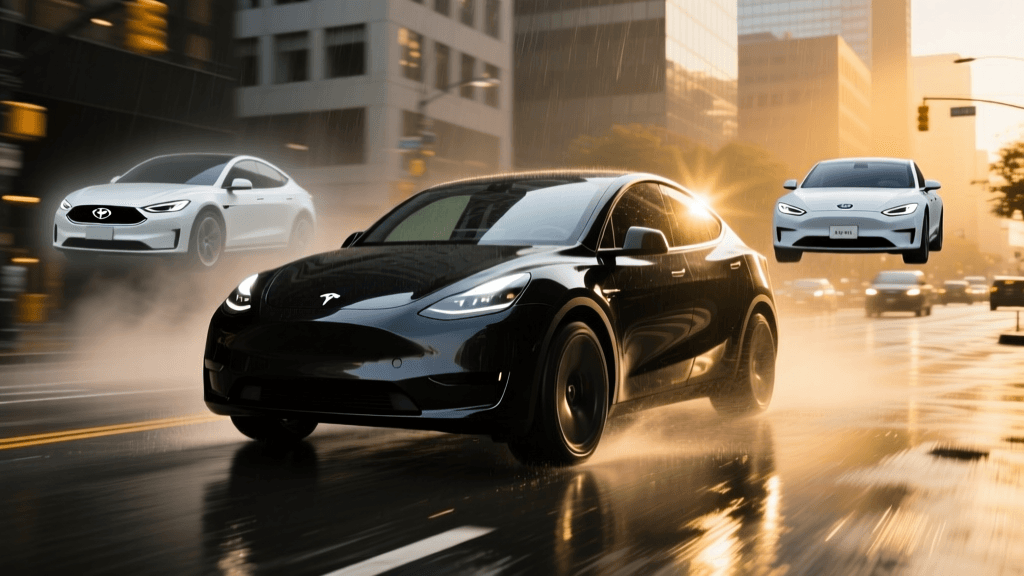
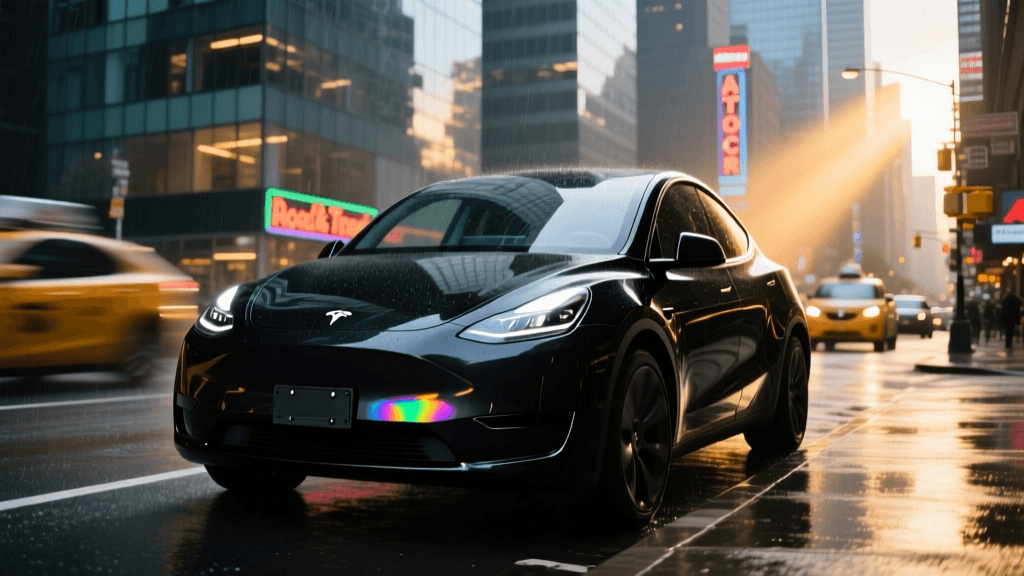
Tesla's pure-vision approach relies on neural networks trained on billions of miles of city driving data. In mapped urban environments, FSD can navigate complex roundabouts, unprotected left turns, and construction zones with impressive computational logic. However, because it lacks radar or LiDAR redundancy, it is more prone to visual confusion in heavy rain, direct sun glare, or when confronted with deep shadows cast by urban overpasses, leading to a higher rate of phantom braking events that require active troubleshooting.
Troubleshooting Common Urban ADAS Failures
Even the best systems struggle with the chaos of the city. Here is how to diagnose and resolve the most frequent ADAS issues encountered in urban driving.
Problem 1: Phantom Braking in Stop-and-Go Traffic
The Symptom: Your vehicle suddenly slams on the brakes while cruising at 25 mph, despite no obstacles in front of you.
The Cause: Phantom braking in cities is often caused by 'radar multipath' (signals bouncing off metallic storefronts, parked cars, or guardrails) or visual confusion from deep shadows cast by overpasses and elevated train tracks.
The Fix:
- Increase your adaptive cruise control following distance from 1.5 seconds to 2.5 seconds. This gives the system more time to process complex radar returns.
- Ensure your windshield camera housing is free of aftermarket tint or peeling registration stickers, which can distort the camera's depth perception.
- Check for over-the-air (OTA) or dealership software updates. Manufacturers frequently release patches that refine shadow-mapping algorithms and reduce false positives.
Problem 2: Sensor Blinding from Urban Grime
The Symptom: The dashboard displays 'Forward Collision Warning Unavailable' or 'Sensors Blocked' during your morning commute.
The Cause: City driving exposes your car to exhaust soot, road salt, muddy puddles, and insect splatter. Radar sensors are typically hidden behind the front grille emblem or lower bumper fascia, where road grime accumulates rapidly.
The Fix:
- Clean the front emblem and lower bumper sensors weekly using a microfiber cloth and mild automotive soap.
- Avoid applying hydrophobic ceramic coatings or heavy carnauba waxes directly over radar-emitting plastic emblems, as these can alter the dielectric properties of the plastic and scatter radar waves.
- In winter, clear ice and packed snow from the windshield camera wedge (located behind the rearview mirror) and the front bumper sensors before driving.
Problem 3: Lane Centering Fighting the Driver on Narrow Streets
The Symptom: The steering wheel tugs aggressively toward parked cars or the center line on narrow, unmarked residential streets.
The Cause: Lane centering systems rely on clear painted lines. In older city neighborhoods, faded paint, cobblestones, and tram tracks can confuse the camera into locking onto the wrong path.
The Fix: When entering unmapped or poorly marked urban zones, toggle your system from 'Lane Centering Assist' to standard 'Adaptive Cruise Control' (which manages speed but leaves steering entirely to you). Rely on Forward Collision Warning rather than active steering intervention until you reach clearly marked arterial roads.
Urban ADAS Feature Comparison Chart
| Brand / ADAS Suite | Pedestrian Detection (City) | Intersection Assist | Phantom Braking Tendency | Primary Sensor Fusion |
|---|---|---|---|---|
| Volvo City Safety | Excellent | Yes (Auto-Brake) | Low | Camera, Radar, LiDAR (Select) |
| Honda Sensing | Very Good | Yes (Traffic Jam) | Low to Moderate | Wide-Angle Camera, Radar |
| Toyota Safety Sense 3.0 | Very Good | Yes (Turn Support) | Low | Camera, Millimeter-Wave Radar |
| Tesla Autopilot / FSD | Good (Vision Dependent) | Yes (FSD Beta) | Moderate to High | Camera Only (Pure Vision) |
| Subaru EyeSight | Good | Limited | Moderate | Stereo Cameras, Radar (Newer) |
Calibration and Maintenance Costs in the City
Urban parking garages, tight alleys, and heavy traffic increase the likelihood of minor fender benders and windshield damage. It is critical to understand that replacing a windshield or repairing a cracked bumper is no longer a simple mechanical fix; it requires precise ADAS calibration.
According to testing and safety protocols highlighted by the Insurance Institute for Highway Safety (IIHS), even a slight misalignment of a camera or radar sensor can drastically alter the braking intervention point. If your front radar is misaligned by just one degree, the system may aim its warnings at the car in the adjacent lane rather than the vehicle directly in front of you.
Expected Calibration Costs:
- Windshield Replacement + Camera Calibration: $350 to $600. This requires a static calibration using specialized targets placed at exact distances in a level, indoor environment.
- Bumper Repair + Radar Calibration: $250 to $500. This often requires dynamic calibration, where a technician drives the vehicle at specific speeds on clearly marked roads to allow the system to recalibrate against stationary objects.
Actionable Advice: Always ask your auto glass or body shop if their quote includes 'ADAS Calibration.' Many third-party mobile glass services will replace the windshield but lack the equipment to recalibrate the camera, leaving you with a disabled safety suite and a dashboard full of warning lights.
Final Thoughts on Urban ADAS
No ADAS suite is infallible, especially in the unpredictable environment of a bustling city. While Volvo City Safety and Toyota Safety Sense 3.0 currently lead the pack in reliable, low-speed urban interventions, the driver remains the ultimate sensor. By understanding the limitations of your specific system, keeping your sensors free of urban grime, and knowing when to disable lane-centering on narrow streets, you can transform your ADAS from a frustrating nuisance into a lifesaving co-pilot.