Toyota Prius MPG Troubleshooting: Restoring Your 50+ MPG
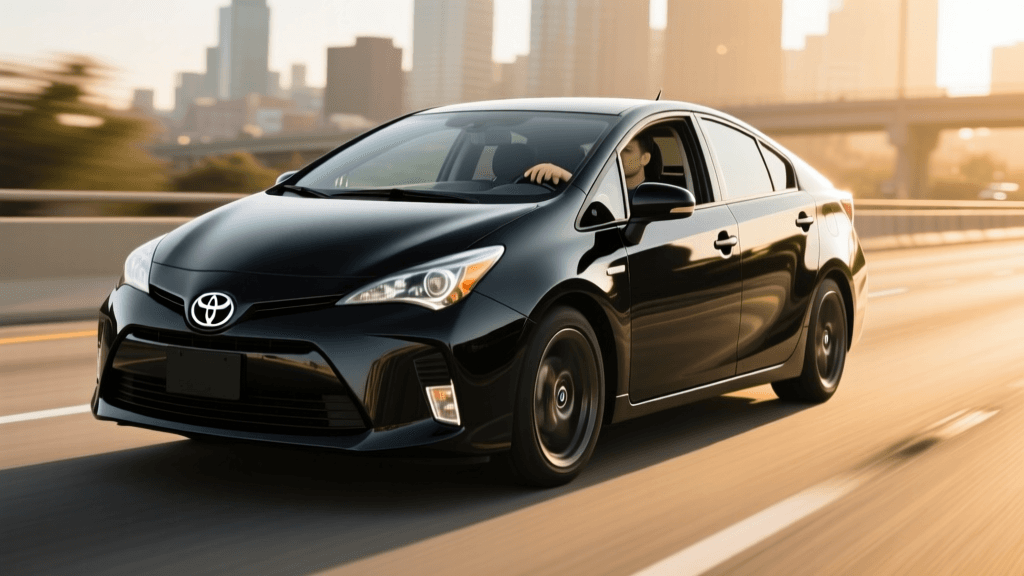
The latest generation Toyota Prius is an automotive revelation, blending striking aerodynamic styling with a powertrain that promises up to 57 MPG combined. However, the transition from the EPA estimate to real-world daily driving often leaves owners scratching their heads when their trip computer reads 44 MPG instead of the promised mid-50s. As a staple in the hybrid market, the Prius is highly sensitive to driving habits, environmental conditions, and vehicle maintenance. According to the EPA's guidelines on hybrid driving habits, maximizing efficiency requires a nuanced understanding of how the hybrid synergy drive system manages power. This comprehensive troubleshooting guide addresses the most common Toyota Prius MPG drops and daily driving quirks, providing actionable solutions to restore your vehicle's peak efficiency and drivability.
The 57 MPG Myth vs. Reality: Identifying the Culprits
Before diving into mechanical troubleshooting, it is vital to understand which Prius model you are driving. The LE trim, equipped with smaller 16-inch wheels and a lighter curb weight, achieves the vaunted 57 MPG city rating. The XLE and Limited trims, burdened by larger 19-inch alloy wheels, a panoramic glass roof, and heavier interior amenities, are rated closer to 52 MPG combined. If you are driving a higher trim level and expecting LE numbers, your baseline expectations need adjustment. However, if your fuel economy has suddenly dropped below your vehicle's baseline, it is time to troubleshoot the following systems.
Troubleshooting MPG Drops: Tire Pressure & Rolling Resistance
Hybrid vehicles rely heavily on minimizing rolling resistance to maintain momentum when the internal combustion engine (ICE) shuts off. The most frequent cause of a sudden 3-5 MPG drop is incorrect tire pressure. While the driver's door jamb sticker may recommend 36 PSI for comfort, many hyper-milers and Prius enthusiasts safely increase this to 38-40 PSI to reduce the tire's contact patch. Conversely, if your tires are under-inflated at 30-32 PSI, the hybrid system will be forced to engage the gas engine more frequently to overcome the added friction.
- Actionable Fix: Check tire pressures when the tires are cold (before driving). Inflate all four tires to at least the factory recommendation, or up to 40 PSI if you prioritize fuel economy over ride comfort.
- Alignment Check: If your steering wheel is slightly off-center or the car pulls to one side, your alignment is out of spec. A misaligned Prius will scrub speed rapidly, forcing the hybrid battery to work harder on the highway.
Climate Control and Hybrid Battery Conditioning
The Prius utilizes a high-voltage nickel-metal hydride (NiMH) or lithium-ion battery pack that operates optimally within a specific temperature range. When you use the MAX A/C or MAX Heat settings, the vehicle prioritizes cabin comfort over efficiency. In cold weather, the ICE will run continuously not just to provide cabin heat via the heater core, but to warm up the hybrid battery coolant. This prevents the battery from accepting a regenerative charge, effectively turning your Prius into a standard, heavy gas-powered car.
- Actionable Fix: Use the 'AUTO' climate setting rather than manual MAX settings. Set the cabin temperature to 68°F (20°C). This allows the hybrid system to modulate the electric water pump and AC compressor, minimizing engine run-time.
- Seat Heaters: In winter, rely on the heated seats and heated steering wheel rather than blasting the cabin air. This allows the engine to shut off at stoplights much sooner.
Regenerative Braking: B-Mode vs. D-Mode Explained
A common misconception among new Prius owners is that 'B' mode (Engine Braking) should be used all the time to maximize regenerative charging and boost MPG. This is fundamentally incorrect for daily driving and highway cruising. According to insights gathered from Car and Driver's comprehensive Prius hub, understanding the hybrid power flow is essential for efficiency.
When you shift into B-mode on the highway or on flat terrain, you are intentionally engaging the internal combustion engine to create mechanical drag, simulating a lower gear. This wastes the kinetic energy you could have used to coast. The brake pedal in 'D' mode already provides maximum regenerative braking before engaging the physical friction brakes.
- When to use D-Mode: Use D-mode for 95% of your daily driving, especially on highways and rolling hills. This allows the car to coast freely when you lift off the accelerator, preserving momentum.
- When to use B-Mode: Only shift into B-mode when descending steep, prolonged mountain grades. This prevents the hybrid battery from overcharging (which forces the engine to turn on to burn off excess electricity) and saves your physical brake pads from overheating.
Solving the 12-Volt Battery Parasitic Drain
One of the most frustrating daily driving problems for Prius owners is waking up to a dead 12-volt accessory battery, even if the high-voltage hybrid battery is fully charged. The 12V battery in a Prius is relatively small (usually an AGM group size 12V 20 or S46) because it doesn't need to crank a heavy starter motor; it only needs to boot up the computers and close the relays to the main hybrid battery.
The Problem: Parasitic drain from the Smart Key system. If you park your Prius in a garage or driveway and your key fob is within 10-15 feet of the car (e.g., hanging by the front door), the car and the fob will constantly 'ping' each other. This keeps the car's computers awake and drains the small 12V battery in a matter of days.
- Actionable Fix: Store your key fobs in a Faraday bag or a metal drawer away from the vehicle when parked for extended periods.
- Maintenance Tip: Keep a portable lithium jump-starter in the trunk. If the 12V battery dies, the car cannot start, even if the main hybrid battery is at 100%. A $50 jump-starter solves this roadside headache instantly.
Daily Driving Quirks: Throttle Mapping and CVT Drone
The latest Prius features a 2.0-liter hybrid powertrain producing up to 196 horsepower, a massive leap from previous generations. However, drivers often complain about a 'rubber band' throttle response or a droning noise during hard acceleration. This is a byproduct of the e-CVT (electronic continuously variable transmission) holding the engine at its peak RPM for efficiency while the electric motors modulate the actual wheel speed.
Troubleshooting the Drone: If you find the Eco mode too lethargic, causing you to push the pedal too far and trigger the loud engine drone, switch the drive mode selector to SPORT. Sport mode sharpens the throttle mapping, relying more heavily on the instant torque of the electric motors for initial acceleration. This not only makes the car feel significantly faster and more responsive in city traffic but can actually improve your perceived driving experience without severely impacting your overall MPG.
Data Table: Expected vs. Troublesome MPG by Driving Scenario
| Driving Scenario | Expected MPG (Healthy) | Troublesome MPG | Root Cause & Actionable Fix |
|---|---|---|---|
| City Stop-and-Go | 54 - 58 MPG | Below 45 MPG | Cause: Aggressive acceleration / HVAC on MAX. Fix: Pulse-and-glide technique; use AUTO climate at 68°F. |
| Highway Cruising (70 MPH) | 48 - 52 MPG | Below 42 MPG | Cause: Under-inflated tires / B-Mode engaged. Fix: Inflate tires to 38+ PSI; shift to D-Mode to allow coasting. |
| Cold Weather (Below 40°F) | 44 - 48 MPG | Below 38 MPG | Cause: Engine running constantly for cabin heat. Fix: Use seat heaters; block lower grille (optional winter mod). |
| Mountain Ascents | 25 - 35 MPG | N/A (Normal Drop) | Cause: Gravity and high load. Fix: Accept the drop; recoup MPG on the descent using B-Mode. |
Long-Term Hybrid Battery Health and Software Updates
To ensure your Prius continues to deliver top-tier fuel economy over its lifespan, the health of the high-voltage battery is paramount. Toyota's official hybrid technology overview notes that the battery management system (BMS) intentionally restricts the battery from charging to 100% or discharging to 0% to preserve longevity. However, you can assist the BMS by avoiding situations that force the battery to its limits.
For example, if you live at the top of a steep mountain and commute downward daily, the regenerative braking will attempt to push the battery past its safe 80% state-of-charge limit. When this happens, the Prius will automatically turn on the gas engine and spin it without fuel (engine braking) to dissipate the energy. To troubleshoot this, start your descent with a lower state of charge (e.g., 40%) by using the EV mode or driving normally on flat ground before reaching the peak, leaving 'room' in the battery for the regenerative descent.
Finally, ensure your dealership applies all available software updates during your routine oil changes. Toyota frequently releases ECU (Engine Control Unit) and Hybrid System firmware updates that optimize the transition between electric and gas power, directly smoothing out daily driving quirks and marginally improving fuel efficiency.
Conclusion
The Toyota Prius remains the benchmark for hybrid efficiency, but achieving its legendary MPG figures requires a symbiotic relationship between driver and machine. By troubleshooting tire pressures, mastering the nuances of D-mode coasting versus B-mode engine braking, and managing your cabin climate intelligently, you can easily restore your daily driving fuel economy to the mid-50s. Treat your 12-volt battery with care, adapt your driving to the e-CVT's strengths, and your Prius will continue to be the most reliable, cost-effective daily driver on the road.