The Fifth-Generation Prius: A Masterclass in Hybrid Evolution
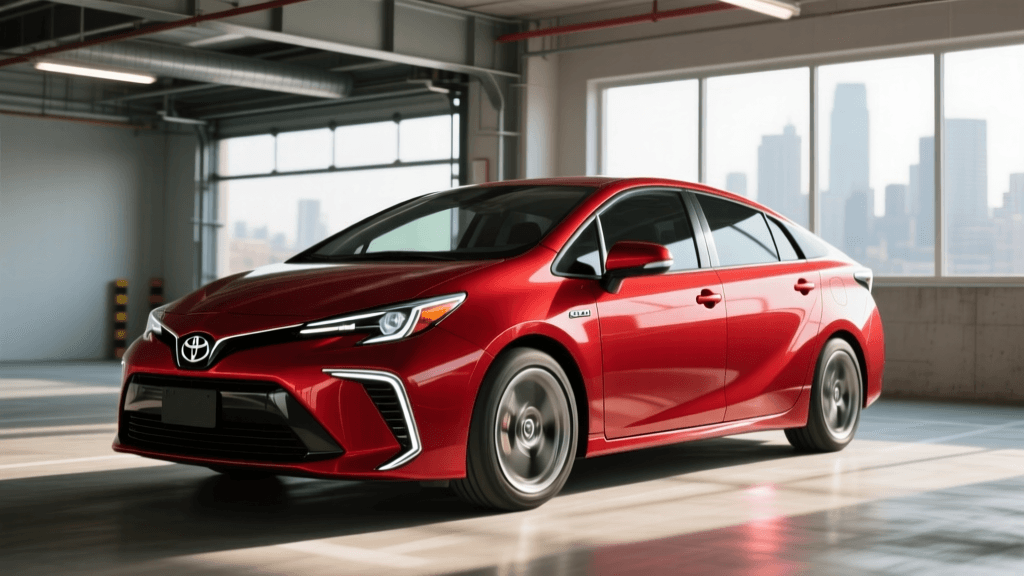
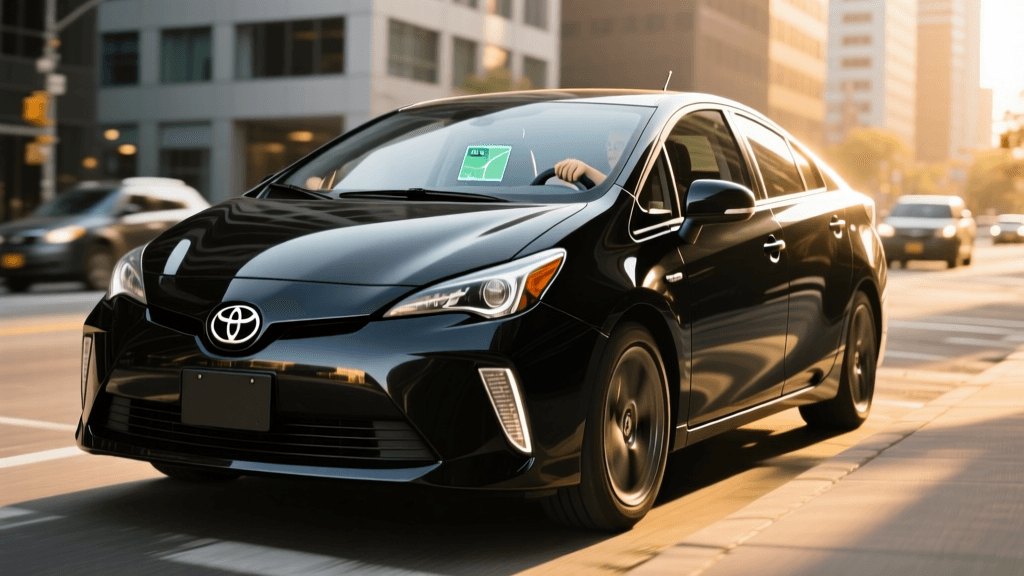
The fifth-generation Toyota Prius has completely rewritten the narrative surrounding the world's most recognizable hybrid. Shedding its quirky, appliance-like styling of the past, the new Prius delivers a striking silhouette, a vastly improved 196-horsepower powertrain, and a chassis that is genuinely engaging to drive. However, as with any highly optimized piece of engineering, the pursuit of aerodynamic perfection and maximum efficiency introduces a unique set of daily driving quirks. In this review, we are approaching the Toyota Prius not just as a spec sheet, but as a daily driver that requires specific troubleshooting and problem-solving to extract its full potential. From real-world MPG shortfalls to ground clearance anxieties and infotainment gremlins, here is your comprehensive guide to mastering the new Prius.
Troubleshooting Real-World MPG Shortfalls
The headline figure for the front-wheel-drive Prius LE is an EPA-estimated 57 mpg combined. Yet, a quick scroll through owner forums reveals a common grievance: daily drivers frequently report numbers hovering in the mid-to-high 40s. Before assuming your hybrid battery is defective, it is crucial to understand the variables that disproportionately affect hybrid efficiency compared to traditional internal combustion engines.
First, consider the ambient temperature. According to the U.S. Department of Energy, a hybrid's fuel economy can drop by up to 30% in freezing temperatures. This happens because the gas engine is forced to run longer and harder to heat the cabin, warm the catalytic converter to operating temperature, and maintain the hybrid battery's optimal thermal window. The Fix: If you own the Prius Prime (PHEV), always precondition the cabin while the vehicle is still plugged into your home charger. For standard hybrid owners, rely on the heated seats and heated steering wheel (available on XLE and Limited trims) rather than blasting the cabin HVAC, which pulls heavily from the hybrid system's energy reserves.
Second, tire pressure is a silent MPG killer. The Prius LE requires 36 PSI in the front and 35 PSI in the rear. Because the vehicle is heavy due to the battery pack, even a 3 PSI drop increases rolling resistance significantly. The Fix: Check your tire pressure monthly when the tires are cold, and consider inflating them to the maximum sidewall limit (usually around 40-44 PSI) if you are willing to trade a fraction of ride comfort for a 2-3 MPG gain on the highway.
Solving Ground Clearance and Visibility Limitations
The Prius's new sports-car-like roofline is undeniably gorgeous, but it creates two distinct physical problems for daily commuting: reduced ground clearance and compromised rearward visibility. The vehicle sits at just 5.3 inches of ground clearance, which is nearly three inches lower than a Subaru Crosstrek. This means steep driveways, aggressive speed bumps, and snow-covered streets are prime territory for scraping the front lip spoiler.
The Fix: Approach steep inclines at a diagonal angle to allow one front wheel to crest the obstacle before the other, reducing the break-over angle strain. If you live in an area with heavy snowfall, swapping the standard all-season tires for dedicated winter tires with a slightly taller sidewall can provide a marginal lift and vastly improve traction, preventing the front wheelspin that often leads to underbody scraping when trying to climb icy curbs.
Regarding visibility, the sloping rear hatch and thick C-pillars create substantial blind spots. While Toyota offers a digital rearview mirror on higher trims that uses a rear-mounted camera to project a wide-angle view, it can take time for the human eye to adjust to the fixed focal distance. The Fix: Adjust your side mirrors further outward than you would in a traditional sedan to eliminate the C-pillar blind spots, and rely on the Blind Spot Monitor (BSM) with Rear Cross-Traffic Alert, which is standard on all but the base LE trim, to do the heavy lifting in crowded parking lots.
Infotainment Glitches: Resets and Workarounds
Toyota's new Audio Multimedia system is a massive leap forward in processing speed and screen resolution (especially the optional 12.3-inch display on the Limited trim). However, early adopters and daily drivers have reported intermittent drops in wireless Apple CarPlay and Android Auto connections, as well as occasional lag when switching between navigation and media screens.
The Fix: Before heading to the dealership for a software diagnostic, perform a soft reset of the head unit. Simply press and hold the physical volume/power knob for about 10 to 15 seconds until the screen goes completely black and the Toyota logo reappears. This clears the system's temporary cache and resolves 90% of wireless connectivity drops. Furthermore, ensure your smartphone's OS and the Toyota app are fully updated, as background Bluetooth handshake protocols frequently cause wireless CarPlay to time out if the phone's battery optimization settings are too aggressive.
Mastering the Regenerative Braking Feel
A common complaint among drivers transitioning from a traditional gas car or a fully electric vehicle to the Prius is the "spongy" or "grabby" feel of the brake pedal. This is a byproduct of brake blending—the complex computer handoff between the regenerative braking system (which uses the electric motor to slow the car and charge the battery) and the physical friction brake pads.
The Fix: To achieve smooth stops and maximize energy recapture, you must anticipate stops earlier and apply progressive, steady pressure rather than sudden jabs. For long downhill descents, do not ride the brake pedal, as this will overheat the friction brakes and reduce regen efficiency. Instead, pull the gear selector down into "B" (Engine Braking) mode. This engages maximum regenerative drag and uses the gas engine's compression to slow the vehicle, saving your physical brake pads and keeping the battery charged. You can shift in and out of "B" at any speed without damaging the transmission.
2024 Toyota Prius Trim Comparison & Problem Index
Not all Prius models are created equal. The trim you choose drastically alters the real-world driving experience and the types of "problems" you will need to troubleshoot. Below is a breakdown of what to expect based on real-world testing and owner feedback.
| Trim Level | EPA Est. MPG | Observed Real-World MPG | Common Owner Grievances |
|---|---|---|---|
| LE (FWD) | 57 MPG | 48 - 53 MPG | Excessive road noise; basic 8-inch screen feels dated; cloth seats stain easily. |
| XLE (AWD) | 49 MPG | 42 - 46 MPG | AWD system reduces fuel economy; firmer ride quality due to rear suspension tuning. |
| Limited (FWD/AWD) | 49 / 49 MPG | 41 - 45 MPG | 19-inch alloy wheels are prone to curb rash; glass roof reduces headroom. |
| Prius Prime SE | 52 MPG / 127 MPGe | 46 - 50 MPG (CS Mode) | Loss of cargo space due to larger battery; requires home charging setup for ROI. |
Maintenance for Long-Term Hybrid Health
Troubleshooting does not stop at daily driving quirks; it extends to long-term vehicle health. The Prius hybrid system is remarkably reliable, but it is not maintenance-free. The DOE's Fuel Economy Guide emphasizes that a poorly maintained engine and clogged air filters can degrade MPG by up to 10%. In a hybrid, where the gas engine frequently cycles on and off, ensuring the engine oil is clean and the air filter is unobstructed is vital for seamless transitions.
Additionally, the hybrid battery cooling fan, located near the rear seats, requires attention. If the intake vent becomes clogged with pet hair, dust, or debris, the battery will overheat, forcing the system to limit regenerative braking and rely more heavily on the gas engine. The Fix: Vacuum the battery vent grille on the side of the rear passenger seat every six months. As detailed on the official Toyota Prius specifications page, keeping the battery within its optimal thermal range is the single most important factor in ensuring the longevity of your hybrid powertrain.
Final Verdict: Are the Quirks Worth the Reward?
The new Toyota Prius is a triumph of engineering, offering a compelling blend of style, performance, and efficiency that was previously thought impossible for the nameplate. While daily driving does present a unique set of troubleshooting scenarios—from managing winter MPG drops to navigating low ground clearance—these are not dealbreakers. Rather, they are the trade-offs for owning one of the most aerodynamic and efficient vehicles on the road. By understanding the vehicle's regenerative braking logic, maintaining proper tire pressures, and utilizing the onboard tech correctly, you can easily transform these daily driving quirks into a seamless, hyper-efficient commuting experience. The fifth-generation Prius doesn't just save you money at the pump; it rewards the attentive driver with a genuinely satisfying daily drive.