The Only Plug-In Hybrid Minivan: An Expert Overview
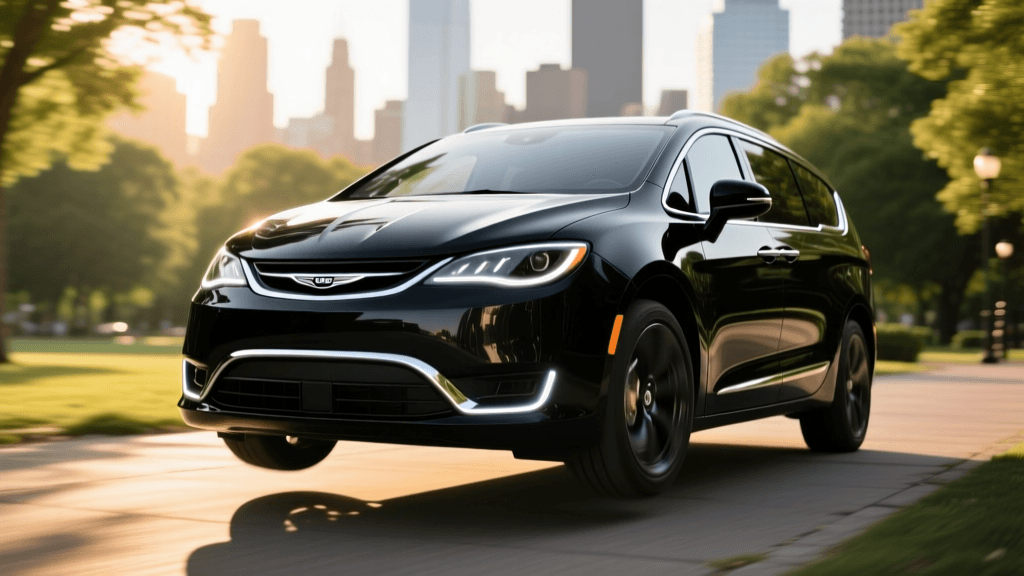
When it comes to family hauling, the minivan segment is fiercely competitive, but the Chrysler Pacifica Hybrid stands entirely alone in one crucial metric: it is the only plug-in hybrid electric vehicle (PHEV) in its class. For families looking to reduce their carbon footprint and slash their gasoline budget without succumbing to the range anxiety of a fully electric vehicle, the Pacifica PHEV offers a compelling compromise. However, maximizing the benefits of this 16.0 kWh lithium-ion battery system requires more than just plugging it in overnight. As experts in the hybrid and PHEV space, we have compiled this comprehensive review and best-practice guide to help you extract every ounce of electric range and fuel efficiency from your Pacifica Hybrid.
Real-World Electric Range: What to Expect
The EPA officially rates the Chrysler Pacifica Hybrid at 32 miles of all-electric range. For many families, this is the magic number that covers the daily school run, grocery trips, and extracurricular activities without ever waking up the 3.6-liter Pentastar V6 engine. But real-world range can fluctuate based on several variables.
Climate Control and Battery Thermal Management
Unlike some fully electric vehicles with advanced heat pump systems, the Pacifica relies heavily on its battery for cabin heating in the winter. If you are driving in sub-freezing temperatures, expect your electric range to drop by 20% to 30%. Expert Tip: Always precondition your Pacifica while it is still plugged into your Level 2 home charger. By using grid power to warm the cabin and the battery pack before you depart, you preserve your precious 32 miles of range for actual driving. According to the Alternative Fuels Data Center, preconditioning a PHEV in extreme weather is one of the most effective ways to maintain optimal battery efficiency and cabin comfort.
Cargo Weight and Aerodynamics
A fully loaded minivan with six passengers and a week's worth of luggage adds significant mass. While the electric motor provides instant torque to move this weight, the battery will deplete faster. Furthermore, adding roof boxes or cargo carriers severely impacts aerodynamics, which can reduce your EV range by up to 15% at highway speeds. Keep the roof bare when driving on electric power.
Expert Charging Best Practices
To truly benefit from the Pacifica PHEV, you must treat charging as a daily habit rather than an occasional chore. The van comes equipped with a dual-voltage charging cord, but relying on it exclusively is not the most efficient strategy.
- Level 1 Charging (120V): Plugging into a standard household outlet yields about 1.4 kW of power. A fully depleted 16.0 kWh battery will take roughly 14 hours to recharge. This is only viable if your daily driving is under 15 miles and the van sits in the garage for long periods.
- Level 2 Charging (240V): This is the gold standard for PHEV ownership. Installing a 32-amp Level 2 home charging station (like a ChargePoint Home Flex or Emporia Vue) reduces charging time to approximately 2 hours. This allows you to top up the battery during the day if you work from home, effectively doubling your daily electric range.
Battery Health Tip: Lithium-ion batteries degrade faster when held at extreme states of charge for long periods. If you are going on a two-week vacation and leaving the van at the airport or in your driveway, set the charge limit to around 50% or leave it unplugged with a 30% state of charge. The U.S. Department of Energy recommends avoiding prolonged storage at 100% capacity to extend the long-term lifespan of your PHEV battery pack.
Mastering the Driving Modes: Hybrid vs. eSave
The Pacifica Hybrid features distinct driving modes that dictate how the vehicle manages its powertrain. Knowing when to use them is the secret to achieving 520+ miles of total range on a road trip.
Default Electric/Hybrid Mode
In normal operation, the van prioritizes electric power up to speeds of about 75 mph, seamlessly blending in the V6 engine when you demand hard acceleration or when the battery is depleted. This is the best mode for daily suburban driving.
eSave Mode
This is where expert drivers separate themselves from novices. eSave allows you to preserve your current battery charge for later use by forcing the gasoline engine to do the heavy lifting. Best Practice: If you are driving on the highway to a destination where you will be doing slow, stop-and-go city driving (or entering a zero-emissions zone), engage eSave at the start of your highway trip. The V6 is highly efficient at steady highway cruising speeds, whereas the electric motor is vastly superior in stop-and-go traffic. Save the electrons for the city.
Pacifica Hybrid vs. The Competition
How does the Pacifica PHEV stack up against the segment's heavyweights? Below is a data-driven comparison of the top family haulers on the market.
| Vehicle Model | Powertrain Type | EV Range | Combined MPG/MPGe | Starting MSRP (Approx.) |
|---|---|---|---|---|
| Chrysler Pacifica Hybrid | Plug-In Hybrid (PHEV) | 32 Miles | 82 MPGe / 30 MPG | $50,000 |
| Toyota Sienna | Standard Hybrid (HEV) | 0 Miles | 36 MPG | $37,000 |
| Honda Odyssey | Gasoline V6 | 0 Miles | 22 MPG | $38,000 |
| Kia Carnival | Gasoline V6 | 0 Miles | 22 MPG | $33,000 |
As noted by the EPA's Fuel Economy Guide, PHEVs offer the unique advantage of MPGe (Miles Per Gallon equivalent) when operating on electricity, drastically lowering per-mile fuel costs for those with access to home charging. While the Sienna wins on pure highway fuel economy due to its lighter standard-hybrid system, the Pacifica's ability to run purely on electricity makes it significantly cheaper to operate for daily school runs.
Total Cost of Ownership and Maintenance
Buying a PHEV requires looking beyond the sticker price. The Pacifica Hybrid qualifies for varying levels of state and local utility incentives, though federal tax credit eligibility has changed in recent years. Always check the latest IRS guidelines and your local utility provider for rebates on Level 2 charger installations.
Maintenance on the Pacifica Hybrid is generally lower than its gas-only counterparts. Because the regenerative braking system handles much of the deceleration, brake pads often last well past 70,000 miles. Additionally, the engine oil and filters are used less frequently if you do most of your driving in EV mode. However, you must still adhere to the manufacturer's maintenance schedule for the V6 engine, as oil degrades over time regardless of mileage.
Final Verdict: Is the Pacifica PHEV Right for Your Family?
The Chrysler Pacifica Hybrid is not just a science experiment; it is a highly practical, deeply thoughtful family vehicle that rewards engaged drivers. If you have the ability to install a Level 2 charger at home and your daily commute falls under 30 miles, you may find yourself visiting the gas station only a handful of times a year. By mastering preconditioning, utilizing eSave mode strategically, and maintaining proper tire pressures, you can transform this minivan into an ultra-efficient, eco-friendly family command center. For the eco-conscious family that refuses to compromise on space, sliding doors, and road-trip versatility, the Pacifica Hybrid remains in a class of one.