The PHEV Paradox: Evaluating the Subaru Crosstrek Hybrid
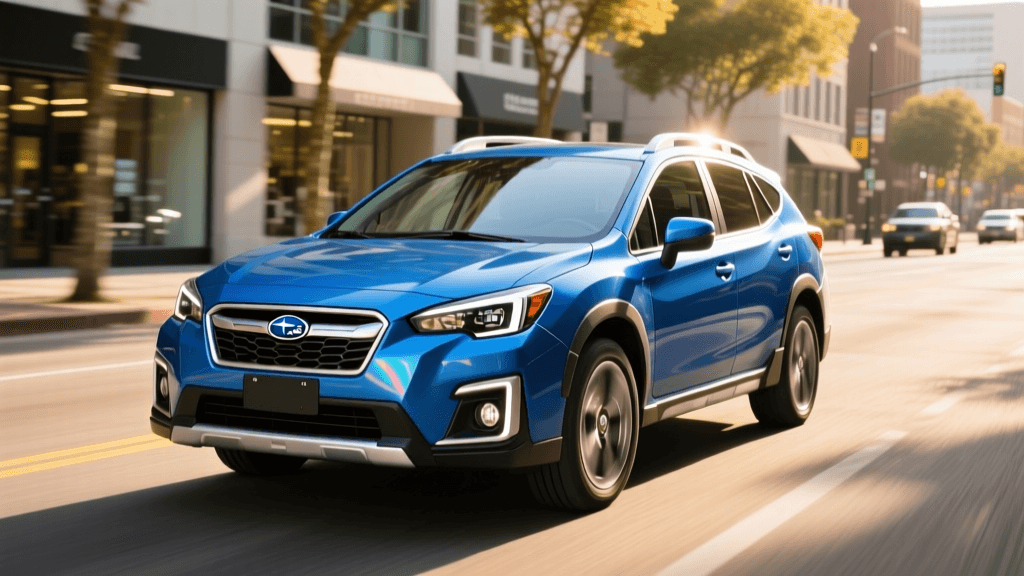
The plug-in hybrid electric vehicle (PHEV) market is filled with compromises, but the Subaru Crosstrek Hybrid has always occupied a unique, rugged niche. Combining standard all-wheel drive with a compact footprint and electrified efficiency, it appeals to outdoor enthusiasts and pragmatic commuters alike. However, with Subaru pausing the Hybrid variant for the US market after the 2023 model year, prospective buyers are now heavily focused on the certified pre-owned (CPO) and used markets. This shifts the conversation entirely: is the Crosstrek Hybrid a sound financial investment today?
In this comprehensive cost and value breakdown, we analyze the real-world ownership experience, electric-only range, charging logistics, and the total cost of ownership (TCO) to determine if the Crosstrek PHEV justifies its historical price premium over its gasoline-only sibling.
Real-World Range and the Winter Factor
The Crosstrek Hybrid is powered by a 2.0-liter Boxer engine paired with an electric motor and an 8.8 kWh lithium-ion battery pack. According to EPA estimates, this setup delivers 17 miles of electric-only range and a total system range of approximately 420 miles. When the battery is depleted, the vehicle operates as a traditional hybrid, returning a respectable 35 MPG combined.
However, real-world ownership reveals nuances that spec sheets often hide. In optimal spring and fall weather, achieving the full 17 miles of EV range is entirely feasible, provided you stay under 65 mph. But the Crosstrek is a vehicle bought for all-weather capability, and winter changes the math. In freezing temperatures, battery efficiency drops, and the cabin heater draws significant power. Owners frequently report the EV range shrinking to 11 or 12 miles in deep winter. While this is a common trait among small-battery PHEVs, it is a critical factor for commuters with longer drives.
Fortunately, the transition from EV to hybrid mode is seamless. The e-CVT transmission smooths out the power delivery, and the combined 148 horsepower ensures the vehicle never feels underpowered, even when the battery is fully depleted.
Charging Logistics: Level 1 vs. Level 2
To extract the true value from the Crosstrek Hybrid, home charging is non-negotiable. The vehicle features a 3.3 kW onboard charger.
- Level 1 (120V Standard Outlet): Charging from empty takes roughly 5 hours. While technically possible, it is impractical for daily top-ups if you deplete the battery completely.
- Level 2 (240V Home Charger): A standard Level 2 home charging station will replenish the 8.8 kWh battery in about 2.5 hours. This is the sweet spot for the Crosstrek, allowing you to easily charge during a work-from-home lunch break or overnight on a cheaper off-peak electricity rate.
Actionable Advice: Do not rely on public DC fast charging networks. The Crosstrek Hybrid does not support DC fast charging. Your value proposition relies entirely on cheap, overnight home electricity. If you cannot install a Level 2 charger at home or work, the financial argument for this PHEV collapses.
Driving Dynamics and e-AWD Performance
One of the most significant value-adds of the Crosstrek Hybrid is Subaru's e-AWD system. Unlike the mechanical AWD system on the gas model, the Hybrid utilizes a rear electric motor to power the back wheels when slip is detected. This provides instant torque to the rear axle, resulting in superior traction in snow and mud. The added 400 pounds of battery weight sits low in the chassis, slightly reducing the vehicle's center of gravity and giving it a more planted, confident feel on winding roads compared to the lighter, more top-heavy gas model.
Cost & Value Breakdown: The Math Behind the Premium
When new, the Crosstrek Hybrid carried a price premium of roughly $5,000 to $6,000 over a similarly equipped gas Crosstrek Premium. However, it qualified for a $4,502 Federal Tax Credit, which effectively neutralized the premium for original buyers. Today, as a used vehicle, the value proposition is governed by the Inflation Reduction Act's Used Clean Vehicle Credit, which offers up to $4,000 (or 30% of the sale price, whichever is lower) for eligible buyers purchasing from a licensed dealer.
Below is a 5-year cost of ownership comparison, assuming 15,000 miles driven annually, a gas price of $3.50/gallon, and an electricity rate of $0.16/kWh. We compare a used Gas Crosstrek to a used Crosstrek Hybrid where the buyer qualifies for the $4,000 used EV tax credit.
| Cost Factor (5-Year Estimate) | Gas Crosstrek (AWD) | Crosstrek Hybrid (PHEV) |
|---|---|---|
| Estimated Purchase Price | $26,000 | $29,500 |
| Federal Used EV Tax Credit | $0 | -$4,000 |
| Net Acquisition Cost | $26,000 | $25,500 |
| Fuel / Energy Costs (5 Yrs) | $8,750 | $5,200 |
| Maintenance & Repairs | $2,800 | $2,400 |
| Insurance (5 Yrs) | $7,500 | $7,800 |
| Total 5-Year Net Cost | $45,050 | $40,900 |
Note: Data synthesized from industry averages. For exact local pricing and incentive eligibility, consult resources like Edmunds' Subaru Crosstrek Hybrid hub or the official IRS guidelines.
Maintenance, Reliability, and the Battery Warranty
Subaru's hybrid system is proven and relatively conservative, prioritizing longevity over maximum electric range. Because the battery is small and rarely subjected to the extreme deep-discharge cycles of full EVs, degradation is minimal. Furthermore, Subaru backs the hybrid battery and related components with an 8-year/100,000-mile warranty. When buying a 2021 or 2022 CPO model, you still have the vast majority of this warranty remaining, drastically reducing the risk of catastrophic repair bills.
Routine maintenance on the Hybrid is actually slightly cheaper than the gas model. The regenerative braking system saves significant wear on the brake pads, and the engine oil degrades slower due to the engine turning off during low-speed city driving.
Final Verdict: Who is the Crosstrek Hybrid For?
The Subaru Crosstrek Hybrid is not for everyone. If your daily commute exceeds 40 miles one way, you will spend most of your time driving on gasoline, negating the primary benefit of the PHEV system. Furthermore, if you lack access to home charging, the vehicle becomes an expensive, heavy traditional hybrid.
However, for the right buyer—someone with a sub-15-mile daily commute, access to a Level 2 home charger, and a need for rugged AWD capability—the Crosstrek Hybrid is an exceptional value. As detailed in analyses by Kelley Blue Book, the combination of low running costs, standard AWD, and available used EV tax credits makes it one of the most financially sensible compact PHEVs on the secondary market. It bridges the gap between urban efficiency and weekend wilderness capability without the range anxiety of a full EV.
For more in-depth comparisons on compact PHEV SUVs and their long-term reliability, you can also explore Car and Driver's Crosstrek Hybrid overview to see how it stacks up against newer rivals in the segment.