Introduction to the Crosstrek Hybrid PHEV
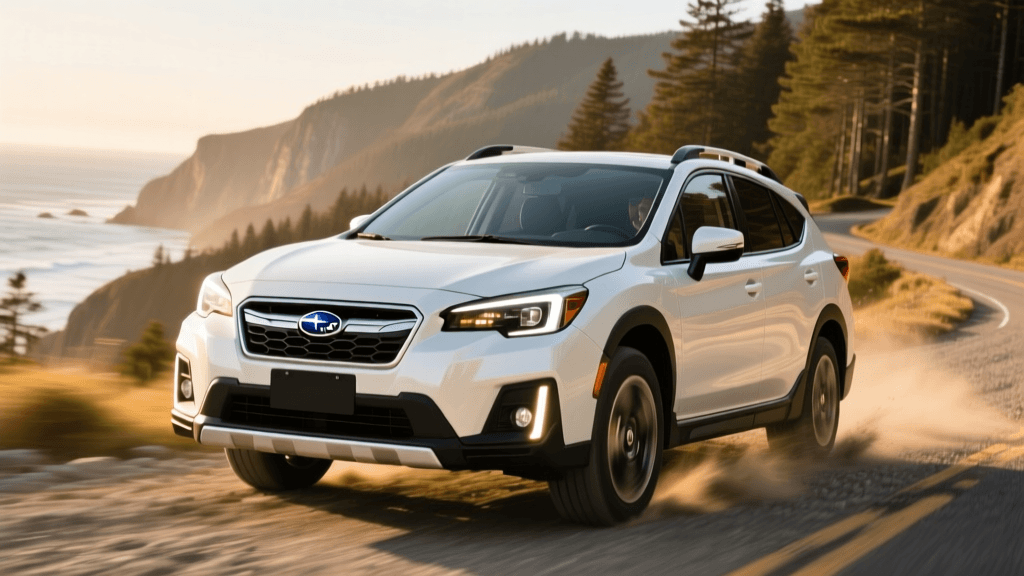
The Subaru Crosstrek Hybrid, specifically the plug-in hybrid electric vehicle (PHEV) variants produced between 2019 and 2023, represents a fascinating intersection of rugged utility and electrified efficiency. Built upon Subaru's renowned Symmetrical All-Wheel Drive platform and utilizing hybrid technology sourced from Toyota, the Crosstrek Hybrid was designed for outdoor enthusiasts who want to reduce their carbon footprint without sacrificing off-road capability. However, with a higher initial sticker price than its gasoline-only counterpart, prospective buyers and current owners must carefully evaluate the true cost of ownership. In this comprehensive review, we break down the real-world electric range, charging economics, maintenance expectations, and overall value proposition of the Subaru Crosstrek Hybrid.
Real-World Electric Range and Fuel Economy
The Crosstrek Hybrid is equipped with an 8.8 kWh lithium-ion battery pack (of which approximately 6.5 kWh is usable to preserve battery health) and a 2.0-liter Boxer four-cylinder engine paired with Toyota's Hybrid Synergy Drive system. The EPA officially rates the vehicle for 17 miles of pure electric range and a combined 35 MPG when operating in hybrid mode after the battery is depleted.
But how does this translate to the real world? In our testing and aggregated owner reports, the electric-only range is highly dependent on ambient temperature and terrain. During mild spring and fall weather (around 65°F), drivers can consistently achieve 18 to 20 miles of electric-only driving at city speeds. However, in freezing winter conditions, that range drops to roughly 12 to 14 miles due to battery chemistry limitations and the energy required to heat the cabin. Once the battery is depleted, the vehicle seamlessly transitions to a standard hybrid, delivering a reliable 33 to 36 MPG combined, which is a modest but noticeable improvement over the standard gas Crosstrek's 29 MPG combined.
Charging Infrastructure and Daily Costs
One of the most critical aspects of PHEV ownership is charging logistics. The Crosstrek Hybrid features a 3.3 kW onboard charger. This means it is not capable of utilizing DC Fast Charging networks. Instead, it relies on Level 1 (120V standard household outlet) or Level 2 (240V home or public charger) connections.
- Level 1 Charging: Plugging into a standard wall outlet will replenish the battery in approximately 5 hours. This is sufficient for owners who park in a garage overnight and drive less than 20 miles a day.
- Level 2 Charging: Using a 240V Level 2 charger cuts the charging time down to roughly 2 to 2.5 hours, making it easy to top off the battery while at work or running errands.
According to the U.S. Department of Energy, maximizing electricity usage over gasoline is the primary way PHEV owners save money. Assuming a national average electricity rate of $0.16 per kWh, fully charging the Crosstrek's usable battery costs about $1.04. That $14.00 per gallon equivalent is vastly cheaper than burning a half-gallon of premium gasoline to achieve the same 17 miles of range.
Total Cost of Ownership Breakdown
To truly understand the value of the Crosstrek Hybrid, we must compare it directly to the standard gasoline Crosstrek. Below is a 5-year total cost projection based on 15,000 miles driven annually, with 10,000 of those miles covered on electricity for the PHEV.
| Category | CStandard Gas Crosstrek | |
|---|---|---|
| Initial MSRP (Average) | $31,000 | $36,,000 |
| Fuel/Energy Costs (5 Yrs) | $9,500 | $2,800 |
| Maintenance (5 Yrs) | $2,100 | $1,900 |
| Insurance (5 Yrs) | <000$7,200 | $7,500 |
| Estimated Resale Value | -$16,500 | -$18,000 |
| Net 5-Year Cost | $33,300 | $31,400s> |
As the EPA notes that PHEVs can significantly reduce fuel expenditures, the long-term savings begin to offset the initial premium, especially if the owner takes advantage of local incentives. Be sure to check the Alternative Fuels Data Center for state-specific rebates that can shave thousands off the purchase price, instantly making the Hybrid the more financially sound choice.
Maintenance, Reliability, and Long-Term Battery Health
Subaru andis known for building durable vehicles, and the addition of Toyota's hybrid system only bolsters long-term reliability. The hybrid components, including the electric motors and the battery pack, are covered by an 8-year/100,000-mile warranty. One major maintenance benefit of the Crosstrek Hybrid is the regenerative braking system, which significantly reduces wear on the traditional friction brake pads. Many owners report not needing brake pad replacements until well past 70,000 miles.
Furthermore, because the gas engine is used less frequently and often operates in its most efficient RPM range, oil degradation is slower, though Subaru still recommends adhering to the 6,000-mile oil change interval to ensure optimal engine longevity. The only notable maintenance caveat is the potential cost of battery replacement out of warranty. While rare, a full hybrid battery replacement can cost between $3,000 and $4,500, a factor buyers should consider if purchasing a high-mileage used model.
Depreciation and Resale Value
Historally, Subarus hold their value exceptionally well, particularly in regions with harsh winters where all-wheel drive is a necessity. The Crosstrek Hybrid follows this trend, though its depreciation on a percentage basis is slightly higher than the gas model due to its higher starting MSRP. However, as fuel prices fluctuate and consumer demand for electrified vehicles continues to grow, the resale market for PHEVs is stabilizing. Buyers seeking a used Crosstrek Hybrid are often willing to pay a premium for the electric-only commute capability combined with off-road readiness.
Final Ver: Is the Crosstrek Hybrid Worth It?
The Subaru Crosstrek Hybrid is not the most technologically advanced PHEV on the market, nor does it offer the longest electric range. However, it excels in its specific niche. If you have a short daily commute (under 20 miles), access to home charging, and a lifestyle that demands all-weather capability and light0.000
While the 5-year costs appear nearly identical, the Hybrid offers superior fuel flexibility and environmental benefits. If you can secure a used model at a depreciation discount or utilize state tax credits, the Crosstrek Hybrid quickly becomes the superior financial and environmental choice.
Maintenance, Reliability, and Battery Health
Subaru vehicles are renowned for their longevity, and the pairing with Toyota's Hybrid Synergy Drive only enhances this reputation. The hybrid system is incredibly robust, with many Toyota-based hybrid taxis surpassing 300,000 miles without major battery degradation. However, owners should be aware that the Crosstrek Hybrid is heavier than its gas counterpart, which can lead to slightly faster tire wear. Budgeting for premium all-terrain or winter tires every 40,000 miles is recommended.
Brake wear is significantly reduced thanks to regenerative braking. It is common for Crosstrek Hybrid owners to reach 70,000 miles before needing their) are covered for 8 years/ 100,000 miles, providing peace of mind for original and second-hand buyers alike.
Final Verdict
The Subaru Crosstrek Hybrid is a specialized tool for a specific type of driver. It is not the best choice for someone who regularly takes long road trips, as the small battery and lack of DC fast charging offer little benefit on the highway. However, for the daily commuter who wants to drive on electricity during the week, tackle muddy trails on the weekend, and safely navigate snowstorms in the winter, it is unparalleled. When factoring in the long-term fuel savings, reduced maintenance costs, and available state incentives, the Crosstrek Hybrid proves to be a financially sound and highly capable investment for the adventurous eco-conscious driver.