The Panamera E-Hybrid at a Glance
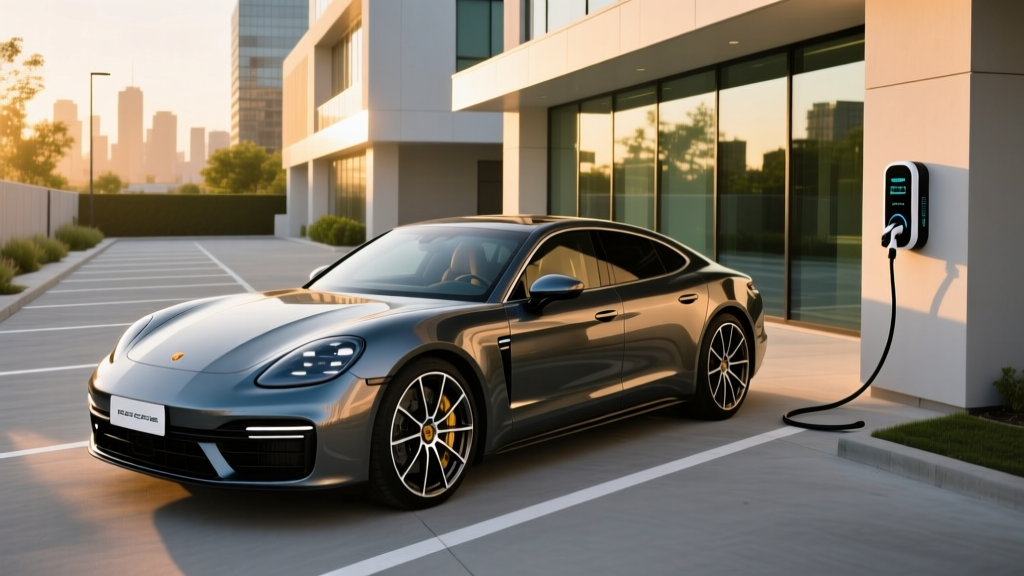
Porsche's plug-in hybrid Panamera occupies a rare space: a luxury performance sedan that can commute on electricity alone, then unleash supercar-rivaling acceleration when the turbocharged V6 and electric motor work in tandem. The current-generation Panamera E-Hybrid (redesigned for 2024, carried into 2025 and 2026) pairs a 2.9-liter twin-turbo V6 with a more powerful electric motor integrated into the redesigned eight-speed PDK transmission, all fed by a significantly larger battery than its predecessor.
This is not a conventional hybrid (HEV) like the Toyota Prius that simply recaptures braking energy. The Panamera E-Hybrid is a plug-in hybrid electric vehicle (PHEV) — it has a charge port, a substantial traction battery, and meaningful electric-only range. Understanding that distinction is the first step in deciding whether it fits your garage.
| Specification | Panamera 4 E-Hybrid | Panamera 4S E-Hybrid | Panamera Turbo S E-Hybrid |
|---|---|---|---|
| Combined Horsepower | 463 hp | 536 hp | 717 hp |
| Combined Torque | 516 lb-ft | 553 lb-ft | 700 lb-ft |
| Engine | 2.9L TT V6 + e-motor | 2.9L TT V6 + e-motor | 4.0L TT V8 + e-motor |
| Electric Motor Output | ~174 hp (130 kW) | ~174 hp (130 kW) | ~188 hp (140 kW) |
| Battery (gross / usable) | 25.9 kWh / ~20.6 kWh | 25.9 kWh / ~20.6 kWh | 25.9 kWh / ~20.6 kWh |
| 0–60 mph | 4.1 sec | 3.5 sec | 2.9 sec |
| EPA Electric-Only Range | ~27 mi (est.) | ~27 mi (est.) | ~25 mi (est.) |
| EPA Combined MPG (hybrid mode) | ~48 MPGe / ~22 mpg gas-only | ~46 MPGe / ~21 mpg gas-only | ~44 MPGe / ~19 mpg gas-only |
| Total Combined Range | ~430 mi | ~420 mi | ~400 mi |
| Base MSRP | $109,400 | $128,550 | $200,500 |
| Federal §30D Tax Credit | Not eligible | Not eligible | Not eligible |
Note: EPA figures for the latest-generation Panamera E-Hybrid were being finalized at the time of publication; numbers above reflect Porsche estimates and preliminary testing. Always verify at fueleconomy.gov before purchasing.
HEV vs PHEV: Where the Panamera E-Hybrid Fits
Buyers cross-shopping electrified Porsches — or any luxury sedan — need clarity on the three powertrain types:
| Feature | Conventional Hybrid (HEV) | Plug-In Hybrid (PHEV) | Battery Electric (BEV) |
|---|---|---|---|
| Plug-in charging? | No — self-charges via regen & engine | Yes — plug in to access electric range | Yes — sole energy source |
| Battery size | ~1–2 kWh | ~10–30 kWh | ~60–120 kWh |
| Electric-only range | ~1 mi or less | ~20–50 mi | 200–400+ mi |
| Gas engine? | Yes (primary) | Yes (backup + performance) | No |
| Example | Toyota Camry Hybrid | Porsche Panamera E-Hybrid | Porsche Taycan |
The Panamera E-Hybrid is firmly in the PHEV column. It has a J1772/Type 2 AC charge port (no DC fast charging — more on that below), and its 25.9 kWh gross battery gives it genuine electric-only commuting capability. If you never plug it in, it still functions as a heavy, somewhat thirsty hybrid, defaulting to the gas engine and regenerative braking. But you'd be leaving the best part of the car on the table.
Electric-Only Range and How Far It Really Goes
EPA Electric-Only Range (est.): ~27 miles (Panamera 4 E-Hybrid)
Real-World Expectation: Expect 20–24 miles in mixed driving with climate control active. In cold weather (below 40°F), the battery's usable capacity shrinks and cabin heating draws from the pack — plan on 15–18 miles of electric range. Highway-speed electric driving (70+ mph) also cuts range sharply; the e-motor is most efficient below 50 mph.
Porsche's larger 25.9 kWh battery (up from 17.9 kWh in the previous generation) is a meaningful upgrade. The usable portion is approximately 20.6 kWh — Porsche reserves a top and bottom buffer to protect long-term battery health. That usable energy, divided by the car's electric consumption of roughly 2.5–3.0 miles per kWh, yields the real-world 20–24 mile figure most owners will see.
For context, the EPA's fuel economy database is the authoritative source for finalized range figures once testing is complete.
Charging: AC Only, No DC Fast Charge
The Panamera E-Hybrid charges exclusively via AC — there is no DC fast-charge (CCS or NACS) port on this vehicle. That's typical for PHEVs, whose smaller batteries don't justify the cost and weight of DC charging hardware.
| Charging Level | Power (kW) | Time (0–100%) | Connector |
|---|---|---|---|
| Level 1 (120V household) | ~1.4 kW | ~15–17 hours | J1772 |
| Level 2 (240V, 32A) | 7.2 kW | ~3.0–3.5 hours | J1772 or NACS (with adapter) |
| DC Fast Charge | N/A | N/A | Not equipped |
Most Panamera E-Hybrid owners will charge at home on a Level 2 wallbox overnight. A full replenishment in roughly three hours means you can easily top off during a workday if your office has a Level 2 station. Porsche includes a mobile charge cord with the vehicle; a dedicated home Level 2 unit (such as a Porsche Mobile Charger Connect or a third-party option like ChargePoint Home Flex) costs $400–$700 plus electrician installation.
Practical tip: Use the Porsche Communication Management (PCM) system's scheduled charging feature to take advantage of off-peak electricity rates. Setting a departure time also triggers battery preconditioning, which optimizes the pack temperature for immediate electric driving efficiency.
Performance: When the Engine and Motor Join Forces
The E-Hybrid badge on a Porsche isn't just about efficiency — it's about torque fill. The electric motor delivers instant thrust from 0 rpm while the turbocharged engine spools up, eliminating turbo lag entirely. The result is seamless, violent acceleration that belies the car's ~5,000-pound curb weight.
The Panamera 4S E-Hybrid's 536 combined horsepower and 3.5-second 0–60 time put it in sports-car territory. The Turbo S E-Hybrid, with its 4.0-liter V8 and 717 hp, hits 60 mph in 2.9 seconds — rivaling the 911 Turbo. The eight-speed PDK transmission integrates the electric motor directly into the housing, so power delivery feels unified rather than like two separate systems fighting each other.
Driving modes include E-Power (electric only), Hybrid Auto (car decides the optimal blend), Sport, and Sport Plus (maximum combined output, aggressive regen). In Sport Plus, the system prioritizes performance over battery preservation — it will drain the pack for maximum boost, then recharge it from the engine when you ease off.
Fuel Economy: EPA Numbers vs. Real-World MPG
| Metric | 4 E-Hybrid | 4S E-Hybrid | Turbo S E-Hybrid |
|---|---|---|---|
| MPGe (combined, electric + gas) | ~48 MPGe | ~46 MPGe | ~44 MPGe |
| MPG (gas only, combined) | ~22 mpg | ~21 mpg | ~19 mpg |
| MPG (gas only, city) | ~20 mpg | ~19 mpg | ~17 mpg |
| MPG (gas only, highway) | ~25 mpg | ~24 mpg | ~22 mpg |
| Electric consumption | ~35 kWh/100 mi | ~37 kWh/100 mi | ~39 kWh/100 mi |
Real-world MPG reality check: Your actual fuel economy depends entirely on your charging habits. If you plug in nightly and your commute is under 20 miles, you might burn gas only on weekend road trips — achieving an effective 80+ MPGe over a month. If you never plug in and drive it like a conventional luxury sedan, expect the gas-only figures above. The Panamera E-Hybrid's efficiency advantage evaporates without regular charging; it carries ~500 extra pounds of battery and e-motor hardware compared to a gas-only Panamera.
On a 300-mile highway road trip with no charging stops (remember, no DC fast charge), the Panamera 4 E-Hybrid will return roughly 24–26 mpg — respectable for a 5,000-lb luxury sedan but not Prius territory. The 18.7-gallon fuel tank gives a total gas-only range of roughly 400–440 miles.
Pricing, Tax Credits, and Total Cost
The Panamera E-Hybrid lineup commands a premium over its gas-only siblings:
- Panamera 4 E-Hybrid: Starting at $109,400 MSRP
- Panamera 4S E-Hybrid: Starting at $128,550 MSRP
- Panamera Turbo S E-Hybrid: Starting at $200,500 MSRP
Options add up quickly. Porsche's typical build with Premium Package, Adaptive Sport Seats, and Sport Chrono adds $15,000–$30,000 over base.
Federal §30D Tax Credit Eligibility
- Credit amount: The Panamera E-Hybrid does not qualify for the federal §30D new clean vehicle credit.
- Reason: Under current IRS rules, eligible PHEVs must have a battery capacity of at least 7 kWh (the Panamera meets this), but the vehicle must also meet critical-mineral and battery-component sourcing requirements. Porsche has not certified the Panamera E-Hybrid for §30D eligibility, and its MSRP also exceeds the $55,000 sedan cap for many trims even if sourcing were met.
- MSRP cap: §30D caps sedans at $55,000 — all Panamera trims exceed this.
- State incentives: Some states offer rebates for PHEVs regardless of federal eligibility. Check your state's energy office or the AFDC state incentive database for current programs.
Without the federal credit, the Panamera E-Hybrid's value proposition rests on performance, luxury, and the ability to run electric errands — not on tax savings. A similarly equipped gas-only Panamera 4 will cost $10,000–$15,000 less upfront, though it won't match the E-Hybrid's instant torque or electric-only capability.
Battery Warranty, Longevity, and Replacement Cost
High-Voltage Battery Warranty: Porsche covers the Panamera E-Hybrid's lithium-ion battery for 8 years or 100,000 miles (whichever comes first) against defects and capacity loss below a specified threshold (typically 70% of original capacity).
Powertrain Warranty: 4 years / 50,000 miles (Porsche's standard limited warranty).
Battery Chemistry: The Panamera uses NMC (nickel manganese cobalt) cells, which offer high energy density suited to performance applications. NMC cells degrade slightly faster than LFP chemistry over thousands of cycles, but with Porsche's active thermal management and conservative buffer strategy, real-world degradation should remain modest over a typical ownership period.
Battery replacement cost: If the high-voltage battery requires replacement outside of warranty, expect a parts-and-labor cost in the range of $12,000–$18,000 at a Porsche dealer. This is a worst-case scenario; most PHEV batteries outlast the vehicle's practical lifespan when properly maintained. Porsche's thermal management system actively cools and heats the pack to keep it in the optimal temperature window, which significantly extends cycle life.
Is the Panamera E-Hybrid reliable? Porsche's PHEV powertrain has been in use since the 2017 Panamera generation, and the system is now well-proven. The e-motor integrated into the PDK has shown strong durability. The primary reliability concerns with any PHEV are the added complexity — two power sources, additional cooling circuits, and high-voltage components — compared to a pure BEV or a simple gas car. Porsche's dealer network and warranty support are strong, but out-of-warranty repairs on a complex luxury PHEV will not be cheap.
Who Should Buy the Panamera E-Hybrid?
Choose the Panamera E-Hybrid if:
- You have home Level 2 charging and a commute under 25 miles — you'll drive electric most weekdays
- You want Porsche performance (sub-4-second 0–60) without the range-planning anxiety of a pure EV on road trips
- You value the Panamera's luxury interior, ride quality, and hatchback practicality
- Tax credits are not a deciding factor in your purchase
Choose a full EV (like the Porsche Taycan) if:
- You want zero tailpipe emissions and the lowest per-mile "fuel" cost
- You have reliable home and workplace charging
- You prefer fewer moving parts and lower long-term maintenance complexity
- You want access to DC fast charging for road trips (Taycan peaks at 320 kW)
Choose the gas-only Panamera if:
- You cannot charge at home or work
- Your budget is tighter and the $10K–$15K premium over gas trims is hard to justify
- You drive mostly long highway miles where the E-Hybrid's battery weight works against efficiency
Pros
- Sub-4-second 0–60 (4S) with seamless electric torque fill
- ~20–27 miles electric-only covers most daily commutes
- Larger 25.9 kWh battery is a major upgrade over previous gen
- No range anxiety — gas engine covers long trips
- Porsche build quality and luxury appointments
- Hatchback cargo versatility (17.6 cu ft rear seats up)
Cons
- No DC fast charging — road-trip electric range is limited to what you start with
- No federal tax credit eligibility at current MSRP/sourcing rules
- $109K+ starting price; well-equipped builds exceed $140K
- Gas-only MPG (~19–22 combined) is mediocre if you don't plug in
- Added powertrain complexity vs. BEV or gas-only
- Out-of-warranty battery replacement is $12K–$18K
Frequently Asked Questions
How many MPG does the Panamera E-Hybrid get?
In combined electric-and-gas driving with regular plug-in charging, the Panamera 4 E-Hybrid achieves roughly 48 MPGe. When the battery is depleted and you're running on the gas engine alone, expect about 22 mpg combined (20 city / 25 highway). Your real-world number depends entirely on how often you charge — plug in daily and you'll rarely visit a gas station; ignore the charge port and you'll see mid-teens to low-20s mpg.
How far can the Panamera E-Hybrid go on electric only?
The EPA-estimated electric-only range is approximately 27 miles for the Panamera 4 E-Hybrid. Real-world results typically fall between 20–24 miles with climate control running, and can drop to 15–18 miles in cold weather. The Turbo S E-Hybrid's more powerful motor and heavier V8 reduce electric range slightly, to roughly 25 miles EPA / 18–22 miles real-world.
Hybrid vs PHEV vs EV — which is right for me?
A conventional hybrid (HEV) like a Camry Hybrid never plugs in and offers no meaningful electric-only range — it simply uses a small battery and motor to improve gas mileage. A PHEV like the Panamera E-Hybrid plugs in and gives you 20–27 miles of electric driving before the gas engine takes over — ideal if you can charge at home but also take road trips. A full BEV like the Taycan runs exclusively on electricity with 200–300+ miles of range — best if you want zero emissions and have charging access, but requires planning for longer trips.
Is the Panamera E-Hybrid reliable, and what does a battery replacement cost?
Porsche's PHEV system is now in its second generation and has proven durable. The high-voltage battery is covered for 8 years / 100,000 miles. Out-of-warranty battery replacement runs $12,000–$18,000. The added complexity of dual powertrains means higher potential repair costs long-term compared to a simpler BEV or gas car, but Porsche's dealer network and build quality mitigate this.
Does the Panamera E-Hybrid qualify for any tax credit?
No. Under current IRS §30D rules, the Panamera E-Hybrid does not qualify for the federal new clean vehicle credit. Its MSRP exceeds the $55,000 sedan cap, and Porsche has not certified it as meeting the critical-mineral and battery-component sourcing requirements. Some state-level PHEV incentives may still apply — check the Alternative Fuels Data Center for your state's programs.
Can I DC fast charge the Panamera E-Hybrid?
No. The Panamera E-Hybrid supports only AC charging (Level 1 at 120V and Level 2 at 240V). It has no DC fast-charge port. A full Level 2 charge takes roughly 3–3.5 hours. This is standard for PHEVs — their smaller batteries don't require (and manufacturers don't equip them with) DC fast-charging capability.