Quick Verdict: A Performance SUV That Plugs In
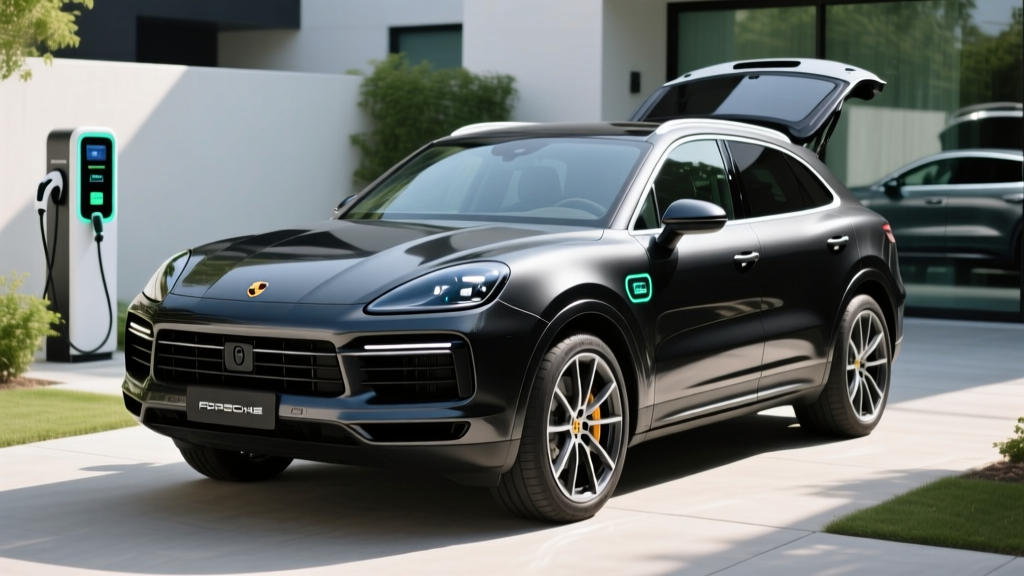
The 2026 Porsche Cayenne E-Hybrid occupies a specific niche: luxury SUV buyers who want genuine electric commuting capability without sacrificing the performance DNA that defines the Cayenne nameplate. With an EPA-estimated 30 miles of electric-only range and a combined 318 horsepower from its turbocharged V6 and electric motor, this plug-in hybrid (PHEV) bridges the gap between daily efficiency and weekend canyon-carving.
But does it make financial sense compared to a full EV or conventional hybrid? Let's examine the real numbers.
HEV vs PHEV: Understanding What You're Buying
Conventional Hybrid (HEV)
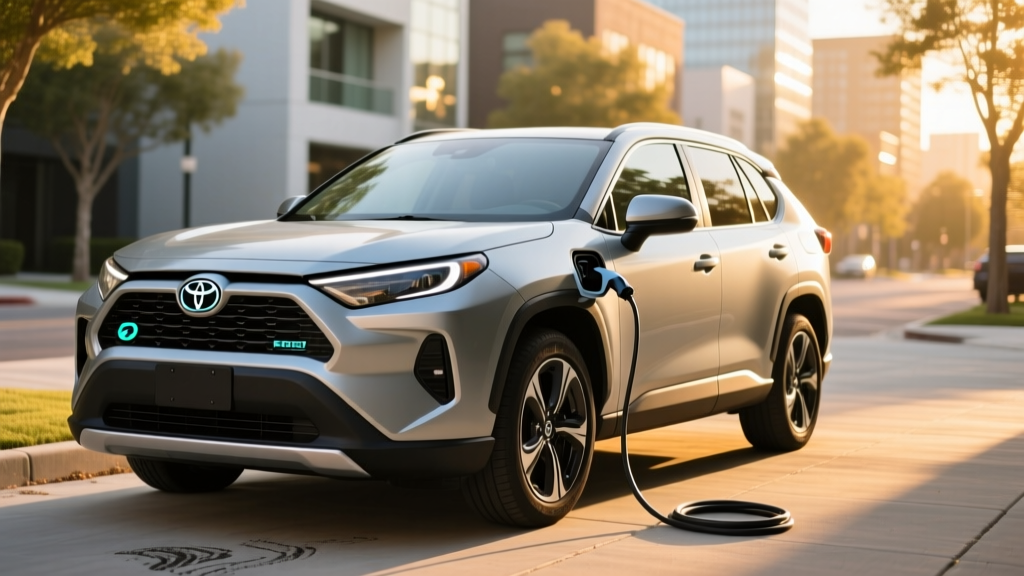
A standard hybrid like the Toyota RAV4 Hybrid uses regenerative braking and engine power to charge a small battery (~1-2 kWh). You never plug it in. The electric motor assists the gas engine but can't drive the vehicle alone for meaningful distances. Think of it as a more efficient gas car.
Plug-in Hybrid (PHEV) — The Cayenne E-Hybrid
The Cayenne E-Hybrid carries a much larger 17.9 kWh lithium-ion battery pack that you charge by plugging into a Level 2 home charger or public station. This enables 30 miles of pure electric driving before the gas engine kicks in. After the battery depletes, it operates as a conventional hybrid. You get EV-like commuting with gas-engine range for road trips.
Key distinction: The Cayenne E-Hybrid is a PHEV. You can drive it without ever plugging in, but you'll miss the efficiency benefit. Most owners charge nightly at home to maximize electric-only miles.
Fuel Economy: EPA Ratings vs Real-World MPG
| Driving Mode | EPA Estimate | Real-World Expectation |
|---|---|---|
| Electric-only (MPGe) | 46 MPGe combined | 40-48 MPGe (varies with temperature, terrain) |
| Hybrid mode (after battery depletion) | 21 MPG combined | 19-23 MPG (city driving often exceeds EPA) |
| City (hybrid mode) | 20 MPG | 21-24 MPG (regen braking helps in stop-and-go) |
| Highway (hybrid mode) | 22 MPG | 20-22 MPG (aerodynamic drag at 70+ mph) |
Real-world insight: If you charge nightly and commute under 30 miles, you might use the gas engine only on weekend trips. Owners who plug in regularly report using 40-60% less fuel than the EPA combined rating suggests. But if you never charge and treat it as a conventional hybrid, expect 19-23 MPG — respectable for a 5,000-pound performance SUV, but not Prius territory.
According to fueleconomy.gov, the Cayenne E-Hybrid's efficiency advantage depends entirely on your charging habits.
Electric-Only Range and Total Range
EPA Electric Range: 30 miles
Real-World Electric Range: 25-32 miles (cold weather can reduce this to 20-24 miles)
Total Combined Range: ~440 miles (30 electric + 410 gas)
The 30-mile electric range covers most daily commutes and errands. In moderate temperatures (50-75°F), you'll consistently hit 28-32 miles before the engine engages. But lithium-ion batteries lose efficiency in cold weather — expect 20-24 miles of electric range when temperatures drop below freezing.
Charging speed matters: The Cayenne E-Hybrid supports Level 2 AC charging at up to 7.2 kW, fully replenishing the battery in about 2.5 hours. It does not support DC fast charging — a limitation shared by most PHEVs due to battery size and cost constraints. For overnight home charging, this is perfectly adequate.
Powertrain: Where Porsche Engineering Shows
| Component | Specification |
|---|---|
| Engine | 3.0L turbocharged V6, 261 HP |
| Electric Motor | 100 kW (134 HP), integrated into transmission |
| Combined System Output | 318 HP, 406 lb-ft torque |
| Battery Pack | 17.9 kWh lithium-ion (usable capacity) |
| 0-60 mph | 5.9 seconds |
| Top Speed | 152 mph (electronically limited) |
| Transmission | 8-speed automatic (Tiptronic S) |
| Drivetrain | All-wheel drive (AWD) |
The electric motor fills in torque before the turbo spools up, eliminating lag and delivering instant acceleration from a stop. This isn't just about efficiency — it's about performance. The E-Hybrid hits 60 mph in 5.9 seconds, matching the base Cayenne's acceleration while offering superior low-speed responsiveness.
Pricing and Tax Credit Eligibility
2026 Porsche Cayenne E-Hybrid Base MSRP: $84,550 (including destination charge)
Federal Tax Credit: The Cayenne E-Hybrid does not qualify for the §30D federal tax credit. Under current IRS rules, the credit is limited to vehicles with MSRP under $80,000 for SUVs. The Cayenne E-Hybrid exceeds this cap.
State Incentives: Some states offer additional rebates for PHEVs regardless of price. Check your state's energy office or DMV website for current programs. California's Clean Vehicle Rebate Project, for example, has historically offered $1,000-$1,500 for qualifying PHEVs, though income caps apply.
Total Cost Reality: Without the federal credit, you're paying a premium for electrification. The base gas-only Cayenne starts around $73,000. The E-Hybrid's $11,550 premium buys you electric commuting, instant torque, and lower operating costs if you charge regularly — but the payback period depends heavily on your driving patterns and electricity rates.
Battery Warranty and Long-Term Reliability
High-Voltage Battery Warranty: 8 years or 100,000 miles (whichever comes first)
Capacity Retention Guarantee: Porsche warrants the battery will retain at least 70% of original capacity during the warranty period.
Replacement Cost (Out of Warranty): $8,000-$12,000 (estimated, based on current PHEV battery pricing)
Porsche's hybrid battery warranty is industry-standard and aligns with federal requirements for emission-related components. The 70% capacity threshold is reasonable — most lithium-ion packs degrade 10-15% over 8 years under normal use.
Reliability track record: Porsche's PHEV systems have proven robust in real-world use. The Cayenne E-Hybrid has been in production since 2019, and there are no widespread reports of premature battery failures. However, as with any luxury vehicle, maintenance costs are higher than mainstream brands. Budget $1,200-$1,800 annually for scheduled service after the warranty period.
According to NHTSA, the 2026 Cayenne has no major safety recalls related to the hybrid system as of early 2026.
Who Should Choose the Cayenne E-Hybrid?
Choose the Cayenne E-Hybrid If:
- You commute 20-30 miles round-trip and can charge at home nightly
- You want luxury SUV performance with lower daily fuel costs
- You take regular road trips where pure EV range anxiety is a concern
- You value instant electric torque for spirited driving
- You live in an area with high gas prices ($4.50+/gallon)
Consider Alternatives If:
- You can't install a Level 2 home charger (apartment/condo without charging access)
- You want full EV simplicity and zero gas-engine maintenance
- The $84,550+ price tag strains your budget
- You primarily drive highway miles (PHEVs shine in city/stop-and-go driving)
- You prioritize maximum cargo space (the battery pack slightly reduces rear cargo volume)
Hybrid vs PHEV vs Full EV: Which Fits Your Lifestyle?
Conventional Hybrid (HEV): Best for drivers who want better fuel economy without changing habits. You never plug in, and you'll see 20-40% better MPG than a gas-only vehicle. Examples: Toyota RAV4 Hybrid, Honda CR-V Hybrid.
Plug-in Hybrid (PHEV): Ideal for drivers with home charging who commute under 40 miles but take longer road trips. You get EV-like daily driving with gas-engine flexibility. Examples: Porsche Cayenne E-Hybrid, Toyota RAV4 Prime, Jeep Wrangler 4xe.
Full EV (BEV): Perfect for drivers with reliable home charging who rarely exceed 250 miles in a day or are comfortable with public fast-charging infrastructure. Zero gas-engine maintenance, lowest operating costs. Examples: Tesla Model Y, Ford Mustang Mach-E, Porsche Taycan.
Decision framework: If you can charge at home and your daily driving is under 30 miles, the Cayenne E-Hybrid makes sense. If you regularly drive 50+ miles daily and have access to DC fast charging, consider the Porsche Taycan or another full EV. If you can't charge at home, a conventional hybrid or gas vehicle is more practical.
Frequently Asked Questions
How many MPG does the Porsche Cayenne E-Hybrid get?
The EPA rates it at 46 MPGe in electric mode and 21 MPG combined in hybrid mode. Real-world hybrid MPG typically ranges from 19-23, with city driving often exceeding the EPA estimate due to regenerative braking.
How far can the Cayenne E-Hybrid go on electric only?
The EPA estimates 30 miles of electric-only range. In real-world conditions, expect 25-32 miles in moderate temperatures, dropping to 20-24 miles in freezing weather.
Does the Cayenne E-Hybrid qualify for the $7,500 federal tax credit?
No. The §30D federal tax credit has an MSRP cap of $80,000 for SUVs, and the Cayenne E-Hybrid starts at $84,550. Some state incentives may still apply — check your local programs.
Is the hybrid battery reliable and what does replacement cost?
Porsche warrants the hybrid battery for 8 years/100,000 miles with a 70% capacity retention guarantee. Real-world reliability has been solid since the E-Hybrid's 2019 introduction. Out-of-warranty replacement is estimated at $8,000-$12,000.
Can I drive the Cayenne E-Hybrid without ever plugging it in?
Yes, it will operate as a conventional hybrid. However, you'll miss the efficiency benefit and essentially paid extra for a feature you're not using. Most owners charge nightly at home to maximize electric-only miles.
How long does it take to charge the battery?
Using a Level 2 home charger (240V, 32A), the 17.9 kWh battery charges fully in about 2.5 hours at 7.2 kW. It does not support DC fast charging, which is typical for PHEVs.
Is the Cayenne E-Hybrid better than the base gas Cayenne?
It depends on your priorities. The E-Hybrid offers instant electric torque, lower daily fuel costs (if you charge), and a quieter commute. The gas Cayenne is lighter, less expensive, and simpler to maintain. If you can charge at home and value efficiency, the E-Hybrid is the better choice. If you prioritize cost and simplicity, stick with gas.
Bottom Line: A Luxury PHEV Done Right
The 2026 Porsche Cayenne E-Hybrid delivers on its promise: genuine electric commuting capability wrapped in a performance luxury SUV. The 30-mile electric range covers most daily needs, the 318 HP powertrain provides spirited acceleration, and the 8-year battery warranty offers peace of mind.
The trade-offs are real: the $84,550 price tag exceeds the federal tax credit cap, you'll need home charging access to realize the efficiency benefit, and the battery pack slightly reduces cargo space. But for buyers who want Porsche performance with lower daily operating costs and the flexibility to road-trip without range anxiety, the Cayenne E-Hybrid is a compelling choice.
If you can charge at home, commute under 30 miles, and value instant electric torque, this PHEV earns its premium. If not, the base gas Cayenne or a full EV like the Taycan may better suit your needs.