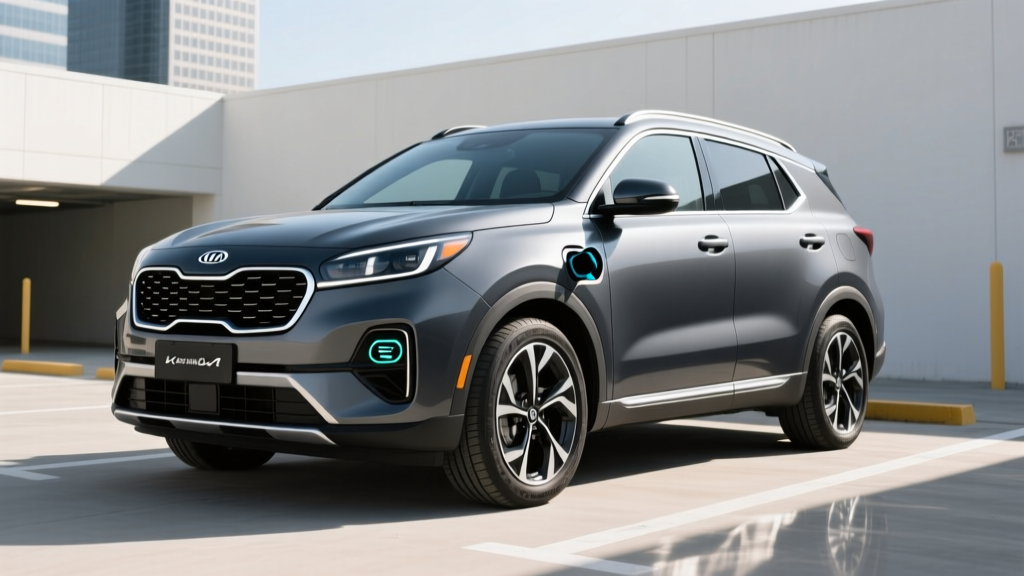
If you're researching the Kia Sportage Hybrid LX, you're likely weighing whether a conventional hybrid (HEV) makes more financial sense than a plug-in hybrid (PHEV) or a full battery-electric vehicle (BEV). The 2026 Sportage Hybrid LX sits at the value end of Kia's electrified compact SUV lineup, pairing a turbocharged 1.6-liter engine with an electric motor for strong efficiency without requiring a single change to your daily routine — no plugs, no charging apps, no range calculations.
Below, we break down every number that matters: EPA fuel economy, real-world MPG expectations, the hybrid powertrain, battery warranty, pricing, and how the LX trim stacks up against the Sportage PHEV and competing hybrid SUVs.
HEV vs PHEV: Which Sportage Hybrid Are You Actually Looking At?
Before diving into specs, it's essential to distinguish between the two electrified Sportage variants Kia offers, because the ownership experience differs significantly.
| Feature | Sportage Hybrid (HEV) | Sportage Plug-In Hybrid (PHEV) |
|---|---|---|
| Plug-in charging required? | No — self-charging via regenerative braking | Yes — 13.7 kWh battery, Level 1 or Level 2 |
| EPA combined MPG / MPGe | 43 MPG combined (FWD) | 84 MPGe combined (electric + gas) |
| Electric-only range | None (motor assists engine at all times) | 34 miles electric-only |
| Battery capacity | ~1.49 kWh (small buffer) | 13.7 kWh usable |
| Combined horsepower | 232 hp | 261 hp |
| Starting MSRP (2026) | ~$32,090 (LX trim) | ~$40,590 (X-Line trim) |
| Federal §30D tax credit | Not eligible | Eligible — up to $7,500 (see rules below) |
The Sportage Hybrid LX is the conventional HEV. It generates electricity through regenerative braking and the gasoline engine — you simply fill it with gas and drive. The Sportage PHEV, by contrast, offers 34 miles of pure electric driving before the gas engine takes over, but it requires access to a plug (home outlet or Level 2 charger) to realize its efficiency advantage.
Fuel Economy: EPA Ratings vs Real-World MPG
The headline number for the 2026 Kia Sportage Hybrid LX is its EPA-estimated fuel economy. Here's the full breakdown from fueleconomy.gov:
| Driving Cycle | EPA Estimate | Real-World Expectation |
|---|---|---|
| City | 42 MPG | 44–47 MPG (hybrids excel in stop-and-go) |
| Highway | 44 MPG | 38–42 MPG (sustained high speed reduces regen benefit) |
| Combined | 43 MPG | 40–45 MPG depending on driving mix |
Why real-world MPG often exceeds EPA in the city: Conventional hybrids like the Sportage HEV recapture kinetic energy during braking and deceleration, feeding it back into the small battery to power the electric motor. City driving, with frequent stops, maximizes this regenerative cycle. Highway driving, by contrast, is dominated by aerodynamic drag and sustained engine load, where the hybrid system offers less advantage.
Cold-weather caveat: In temperatures below 40°F, expect a 5–10% MPG reduction. The engine runs more frequently to maintain cabin heat and battery temperature, reducing time spent in electric-assist mode. This is normal for all hybrids and is less severe than the 20–30% range loss a full BEV experiences in cold weather.
Powertrain and Performance Specs
The 2026 Sportage Hybrid LX uses Kia's proven TMED-II (Transmission-Mounted Electric Device) hybrid system. Here are the exact figures:
| Specification | 2026 Sportage Hybrid LX |
|---|---|
| Engine | 1.6L turbocharged 4-cylinder |
| Engine output | 178 hp / 195 lb-ft torque |
| Electric motor output | 64 hp (47 kW) |
| Combined system output | 232 hp / 258 lb-ft torque |
| Transmission | 6-speed automatic |
| Drivetrain (LX trim) | FWD standard (AWD available on higher trims) |
| 0–60 mph | ~7.4 seconds |
| Towing capacity | 2,000 lbs (with tow package) |
| Hybrid battery | ~1.49 kWh lithium-ion polymer |
| Fuel tank | 13.7 gallons |
| Total driving range | ~589 miles (EPA combined) |
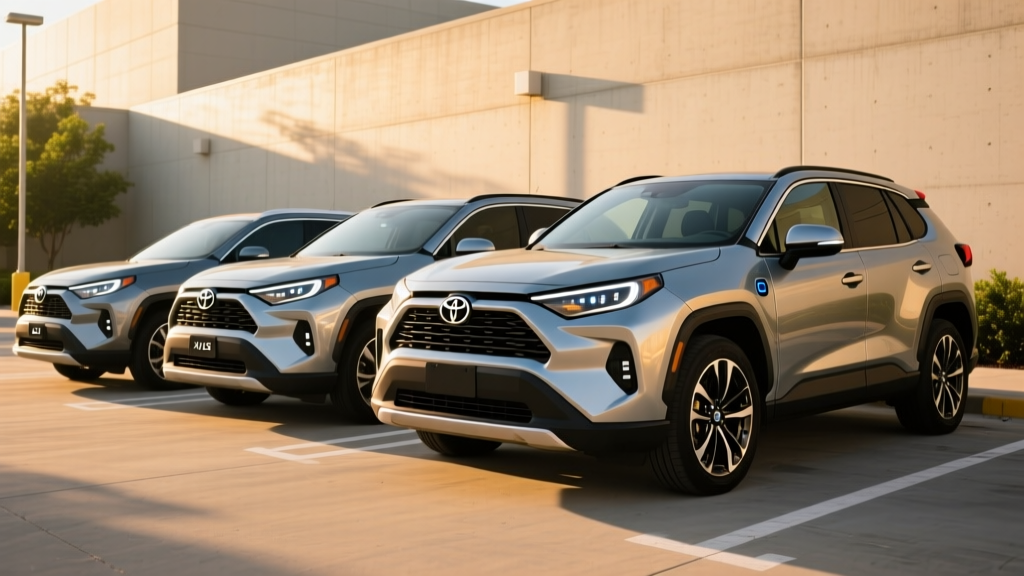
The 232 combined horsepower puts the Sportage Hybrid ahead of most competitors in the compact hybrid SUV segment — the Toyota RAV4 Hybrid produces 219 hp, and the Honda CR-V Hybrid makes 204 hp. The turbocharged engine also gives the Sportage strong mid-range passing power, which matters more in daily driving than peak horsepower figures suggest.
Battery Warranty, Reliability, and Replacement Cost
Kia Hybrid Battery Warranty: 10 years / 100,000 miles (whichever comes first) for the hybrid battery pack and all hybrid-system components including the electric motor, inverter, and battery control module.
Powertrain warranty: 10 years / 100,000 miles.
Bumper-to-bumper: 5 years / 60,000 miles.
Is the Sportage Hybrid reliable? Kia's hybrid system has been in production since the 2011 Optima Hybrid and has proven durable. The 1.49 kWh battery is small and operates in a narrow state-of-charge window (roughly 40–60%), which minimizes degradation stress. Most hybrid batteries in the Kia/Hyundai family outlast the 10-year warranty period without issue.
Battery replacement cost: If the hybrid battery does fail out of warranty, replacement typically runs $2,000–$3,500 including parts and labor. This is significantly less than a full BEV battery replacement ($8,000–$20,000+) because the hybrid battery is small. Individual cells or modules can sometimes be repaired rather than replaced entirely.
For comparison context, Kia's hybrid battery warranty is among the longest in the industry. Toyota offers 10 years / 150,000 miles on hybrid batteries for 2020+ models, while Honda provides 8 years / 100,000 miles. Always confirm current warranty terms with your dealer, as policies can adjust by model year.
Pricing, Trims, and Tax Credit Eligibility
The 2026 Kia Sportage Hybrid is offered in three trims. Here's the MSRP breakdown (prices include destination charge):
- LX (FWD): ~$32,090
- EX (AWD): ~$35,090
- SX-Prestige (AWD): ~$38,590
Does the Sportage Hybrid LX qualify for a federal tax credit? No. The conventional Sportage Hybrid (HEV) does not qualify for the IRS §30D Clean Vehicle Credit. That credit applies only to plug-in electric vehicles (BEVs and PHEVs) with a battery capacity of at least 7 kWh and meeting critical-mineral and battery-component sourcing requirements.
However, if you're considering the Sportage PHEV instead, it may qualify for up to $7,500 under §30D — subject to the following current-year rules (always verify at irs.gov):
- MSRP cap: SUVs must be under $80,000 (Sportage PHEV qualifies)
- Buyer income cap: AGI ≤ $150,000 (single) / $300,000 (joint)
- Battery sourcing: Critical minerals and battery components must meet phased-in domestic/free-trade-area sourcing thresholds
- Point-of-sale transfer: You can apply the credit as a down-payment reduction at the dealer rather than waiting for tax filing
- Filing requirement: You must file IRS Form 8936 with your tax return
Some states and utilities offer additional rebates for hybrids and PHEVs. Check your state energy office or AFDC state incentive database for local programs.
Sportage Hybrid vs PHEV vs Full EV: Which Fits You?
Choose the Sportage Hybrid LX (HEV) if:
- You don't have access to home or workplace charging
- You want maximum simplicity — just add gas and drive
- Your budget is under $35,000
- You drive a mix of city and highway and want 40+ MPG without thinking about it
- You take long road trips and don't want to plan around charging stations
Choose the Sportage PHEV if:
- You can charge at home (even a standard 120V outlet works overnight for 34 miles)
- Your daily commute is under 30 miles round-trip (you'll rarely use gas)
- You qualify for the §30D tax credit (effectively reducing the PHEV price to near HEV levels)
- You want the option of electric-only driving for short trips but gas flexibility for long ones
Choose a full BEV (like the Kia EV6 or Hyundai Ioniq 5) if:
- You have reliable Level 2 home charging
- You want zero tailpipe emissions and the lowest per-mile fuel cost
- Your daily driving is predictable and within 250–300 miles
- You want to minimize maintenance (no oil changes, no engine)
The Sportage Hybrid LX makes the most financial sense for buyers who lack charging access but still want a significant fuel-economy upgrade over a gas-only compact SUV. At 43 MPG combined versus ~28 MPG for a typical gas compact SUV, the hybrid saves roughly $600–$800 per year in fuel costs (assuming 12,000 miles/year and $3.50/gallon), paying back the hybrid premium over a gas model in roughly 3–4 years.
Pros and Cons of the Sportage Hybrid LX
Pros
- 43 MPG combined — strong for a turbocharged compact SUV
- 232 hp — more power than RAV4 Hybrid and CR-V Hybrid
- 10-year / 100,000-mile hybrid battery warranty
- No lifestyle change required — fuel like any gas car
- Generous cargo space: 39.6 cu ft behind rear seats
- Available AWD on EX and higher trims
- Standard wireless Apple CarPlay and Android Auto
Cons
- LX trim is FWD only — AWD requires stepping up to EX
- No federal tax credit (unlike the PHEV variant)
- Hybrid battery slightly reduces under-floor cargo vs gas model
- 6-speed automatic (no option for smoother e-CVT feel some prefer)
- Highway MPG drops more than city — not as efficient on long trips
- Base LX lacks some driver-assist features standard on higher trims
Frequently Asked Questions
How many MPG does the Kia Sportage Hybrid LX get?
The 2026 Sportage Hybrid LX is EPA-rated at 42 MPG city, 44 MPG highway, and 43 MPG combined. In real-world city driving, many owners report 44–47 MPG thanks to regenerative braking. Highway driving at sustained 70+ MPH typically yields 38–42 MPG.
Does the Sportage Hybrid need to be plugged in?
No. The Sportage Hybrid (HEV) is a self-charging conventional hybrid. It generates electricity through regenerative braking and the gasoline engine. You never plug it in — you just fill it with regular unleaded fuel. Only the Sportage PHEV (plug-in hybrid) requires a charging cable.
How far can the Sportage PHEV go on electric only?
The 2026 Sportage PHEV has an EPA-estimated 34 miles of electric-only range on its 13.7 kWh battery. This covers most daily commutes. Once the battery depletes, the PHEV operates as a conventional hybrid with an EPA rating of approximately 38 MPG combined. Total range (electric + gas) exceeds 430 miles.
Is the Kia Sportage Hybrid reliable, and what does a battery replacement cost?
Kia's hybrid system has a strong reliability track record since 2011. The hybrid battery is covered by a 10-year / 100,000-mile warranty. Out-of-warranty replacement typically costs $2,000–$3,500, which is modest compared to full EV battery replacements. The small battery operates in a conservative charge window, which extends its lifespan.
Does the Sportage Hybrid LX qualify for any tax credit?
The conventional Sportage Hybrid (HEV) does not qualify for the federal §30D Clean Vehicle Credit, which requires a plug-in vehicle with at least 7 kWh of battery capacity. The Sportage PHEV may qualify for up to $7,500, subject to buyer income limits, MSRP caps, and battery-sourcing requirements. Check IRS.gov for current eligibility rules.
How does the Sportage Hybrid compare to the RAV4 Hybrid?
The Sportage Hybrid LX offers 232 hp versus the RAV4 Hybrid's 219 hp, and 43 MPG combined versus the RAV4 Hybrid's ~41 MPG combined. The Sportage starts at roughly $32,090, while the RAV4 Hybrid LE starts around $34,000. The RAV4 Hybrid comes standard with AWD, while the Sportage Hybrid LX is FWD (AWD available on EX and above). Both carry 10-year hybrid battery warranties.
Can the Sportage Hybrid tow?
Yes. The 2026 Sportage Hybrid has a maximum towing capacity of 2,000 pounds when equipped with the factory tow package. This is adequate for a small utility trailer, bike rack, or lightweight pop-up camper but not for heavy boat or horse trailers.