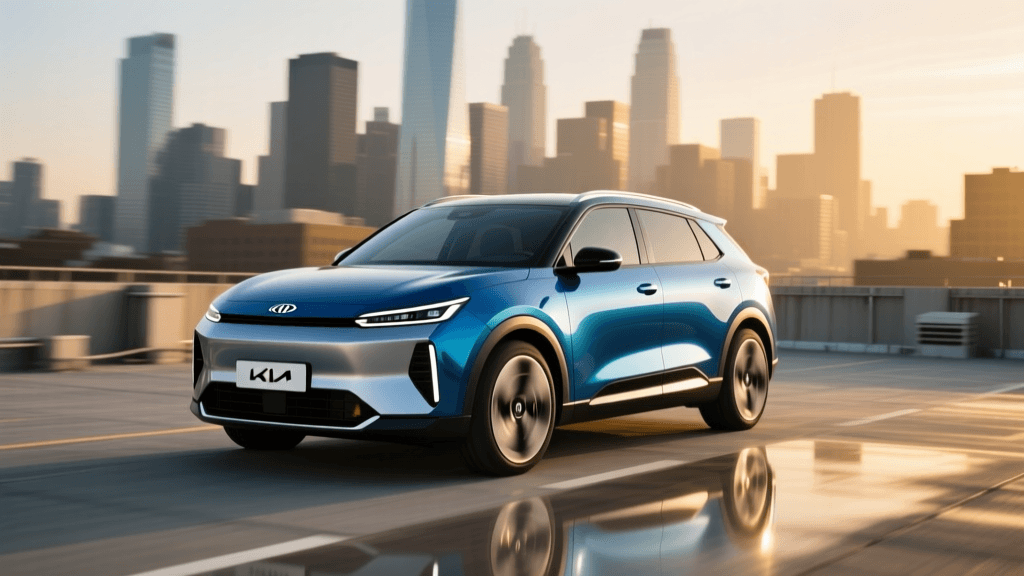
Introduction to the Kia Sorento PHEV
The Kia Sorento Plug-in Hybrid (PHEV) occupies a highly specific and compelling space in the midsize three-row SUV market. By pairing a 1.6-liter turbocharged inline-four engine with a 66.9-kW electric motor and a 13.8-kWh lithium-ion battery pack, it delivers a combined 261 horsepower and 258 lb-ft of torque. Unlike many competitors that rely on continuously variable transmissions (CVTs), Kia utilizes a traditional 6-speed automatic transmission, providing a more natural driving feel. However, blending complex high-voltage electrical systems with a traditional internal combustion engine (ICE) and a family-hauler chassis inevitably introduces unique quirks. In this troubleshooting-focused review, we dive deep into the real-world problems Sorento PHEV owners face and provide actionable, technical solutions to keep your hybrid SUV running flawlessly.
Real-World EV Range & Cold Weather Troubleshooting
The EPA estimates the Sorento PHEV can achieve up to 32 miles of pure electric range on a full charge. However, a frequent complaint on owner forums is a sudden drop in this range, particularly during winter months or highway driving. Lithium-ion batteries are highly sensitive to temperature fluctuations. In freezing conditions, the battery's internal resistance increases, and the vehicle must divert precious kilowatt-hours to heat the battery coolant and the cabin.
The Solution: To maximize your EV range, you must utilize the vehicle's preconditioning features. Using the Kia Connect app, set your departure time and enable cabin preconditioning while the vehicle is still plugged into your home charger. This draws power from the grid rather than the 13.8-kWh battery to warm the interior. Additionally, switch to using the heated seats and heated steering wheel instead of blasting the HVAC cabin air. Finally, ensure your tire pressure is strictly maintained at the recommended 36 PSI (check the driver's door jamb sticker). Under-inflated tires can reduce your electric range by up to 5 miles due to increased rolling resistance.
The 3.3 kW Charging Bottleneck & Level 2 Misconceptions
One of the most common points of confusion for new Sorento PHEV owners involves charging speeds. Many buyers invest heavily in premium 48-amp Level 2 home chargers, expecting rapid charging times, only to discover the vehicle still takes roughly three and a half hours to charge from empty. This is not a defect; it is a hardware limitation. The Sorento PHEV's onboard charger is capped at 3.3 kW. Even if your EVSE (Electric Vehicle Supply Equipment) can deliver 11.5 kW, the car will only accept 3.3 kW.
The Solution: When comparing PHEVs on the EPA's Plug-in Hybrid comparison tool, you will notice this 3.3 kW ceiling is common in this segment. To troubleshoot your home charging setup and save money, do not overspend on a high-amperage charger. A standard 16-amp or 32-amp Level 2 charger (requiring a 240V NEMA 14-50 or hardwired connection) is perfectly sufficient. If your daily commute is under 15 miles, you can even rely on the included Level 1 (120V) charging cable, which provides about 1.4 kW and will replenish your daily driving needs overnight, eliminating the need for a professional 240V electrical installation.
The 12-Volt Auxiliary Battery Dilemma
Despite having a massive high-voltage traction battery under the floor, the Sorento PHEV still relies on a standard 12-volt auxiliary battery to power the computers, infotainment system, and door locks. A notorious issue among PHEV owners is the 'bricked' vehicle scenario: the high-voltage battery is at 100%, but the car refuses to start because the 12V battery has been depleted by parasitic drain or a dashcam left on overnight.
The Solution: Kia has engineered a brilliant, albeit hidden, troubleshooting feature for this exact scenario. On the lower left dashboard near the driver's knee, there is a small button labeled '12V BATT RESET'. If your 12V battery is dead, simply press and hold this button for three seconds. The vehicle's high-voltage relay will close, using the main 13.8-kWh battery to jump-start the 12V system, allowing you to start the car and drive. To prevent this long-term, ensure any aftermarket accessories (like dashcams or GPS trackers) are wired to a switched fuse that turns off when the vehicle powers down.
Charging Port Door Sensor Glitches
Occasionally, owners report that the Sorento PHEV refuses to shift out of Park, displaying a dashboard warning that the charging door is open or a cable is connected, even when it is clearly closed. The charging port door houses a sensitive microswitch that prevents the vehicle from driving away while plugged in to avoid catastrophic damage to the port and your home's electrical wiring.
The Solution: This is usually caused by dirt, road grime, or ice interfering with the microswitch latch. First, inspect the hinge and latch mechanism on the passenger side rear quarter panel. Use a can of compressed air to blow out any debris, followed by a light application of dielectric silicone spray to lubricate the rubber seals and the switch actuator. In winter, applying a water-displacing spray like WD-40 Specialist Silicone to the seal will prevent ice from freezing the latch in the 'open' position.
Powertrain Transition & Transmission Jerkiness
Because the Sorento PHEV uses a 6-speed automatic transmission rather than an e-CVT, the transition between pure electric driving and internal combustion engine engagement can sometimes feel abrupt. Owners frequently report a 'clunk' or hesitation when the 1.6L turbo engine kicks in during hard acceleration or when merging onto a highway at speeds above 45 mph.
The Solution: First, ensure you are driving in 'Auto' mode rather than forcing 'EV' or 'HEV' mode. Auto mode allows the vehicle's computer to seamlessly blend power sources based on your throttle input and battery state of charge. If the jerking persists, this is often a software mapping issue. Schedule a visit to your Kia dealership and request a Transmission Control Unit (TCU) and Engine Control Unit (ECU) firmware update. Kia has released several technical service bulletins (TSBs) that smooth out the torque-handoff logic between the electric motor and the gas engine.
Cargo Space & Missing Spare Tire Compromises
Packaging a 13.8-kWh battery, an electric motor, and a gas engine into a midsize SUV requires compromises. In the Sorento PHEV, the battery is mounted under the floor, which slightly raises the cargo floor height and completely eliminates the spare tire well. Furthermore, the third-row seating space is tighter than non-hybrid competitors due to the rear-axle electric motor assembly.
The Solution: According to the Alternative Fuels Data Center, understanding PHEV packaging is crucial for maximizing utility. Since you are limited to the provided Tire Mobility Kit (air compressor and sealant), familiarize yourself with its operation before you have a blowout on the highway. For families needing more cargo space, the most effective troubleshooting step is installing a Class III trailer hitch (2-inch receiver). The Sorento PHEV is rated for up to 2,000 lbs of towing capacity, meaning a hitch-mounted cargo carrier or spare tire mount is well within the vehicle's structural limits and tongue-weight capabilities.
Infotainment Freezes & Software Glitches
The 10.25-inch touchscreen infotainment system is generally responsive, but like any modern tablet, it can suffer from memory leaks, Apple CarPlay disconnects, or total screen freezes, especially during extreme temperature swings.
The Solution: You do not need to visit the dealer for a soft reboot. To perform a hard reset on the Kia infotainment system, simply press and hold the physical Power/Volume knob on the center stack for 10 to 15 seconds. The screen will go black, the Kia logo will appear, and the system will reboot, clearing the RAM and resolving 90% of software glitches without altering your saved presets.
Maintenance Schedule & Cost Table
Maintaining a PHEV requires adhering to both traditional ICE maintenance and high-voltage system inspections. Below is a troubleshooting and maintenance reference guide for the Sorento PHEV.
| Maintenance Item | Interval | Estimated Cost | Troubleshooting Note |
|---|---|---|---|
| Engine Oil & Filter | Every 10,000 miles | $60 - $90 | Use only 0W-20 Full Synthetic. ICE runs less often, so oil degrades slower but still needs changing annually. |
| Cabin Air Filter | Every 15,000 miles | $25 - $40 | A clogged filter forces the HVAC blower to work harder, draining EV range. Replace more often in dusty areas. |
| Hybrid System Coolant | Every 60,000 miles | $150 - $200 | Critical for battery thermal management. Never mix coolant types; use only Kia/Hyundai specific pink coolant. |
| Spark Plugs | Every 45,000 miles | $200 - $300 | The 1.6L Turbo runs under high load when the battery is depleted. Worn plugs cause misfires during ICE kick-in. |
| Brake Fluid Flush | Every 30,000 miles | $100 - $130 | Regenerative braking is used heavily, but the mechanical brakes still need fresh fluid to prevent caliper corrosion. |
Final Verdict
The Kia Sorento PHEV is a remarkably versatile three-row SUV that bridges the gap between pure electric vehicles and traditional gas guzzlers. While it presents unique troubleshooting scenarios—from 12V battery quirks to 3.3 kW charging limits—none of these issues are dealbreakers. By understanding the thermal dynamics of the 13.8-kWh battery, utilizing the 12V reset button, and keeping up with specialized hybrid maintenance, owners can easily mitigate these quirks. For families seeking electric daily commutes with gas-powered road trip flexibility, the Sorento PHEV remains a top-tier choice, provided you are armed with the right technical knowledge to keep it running smoothly.