The Compact Truck Renaissance: Unibody Warriors
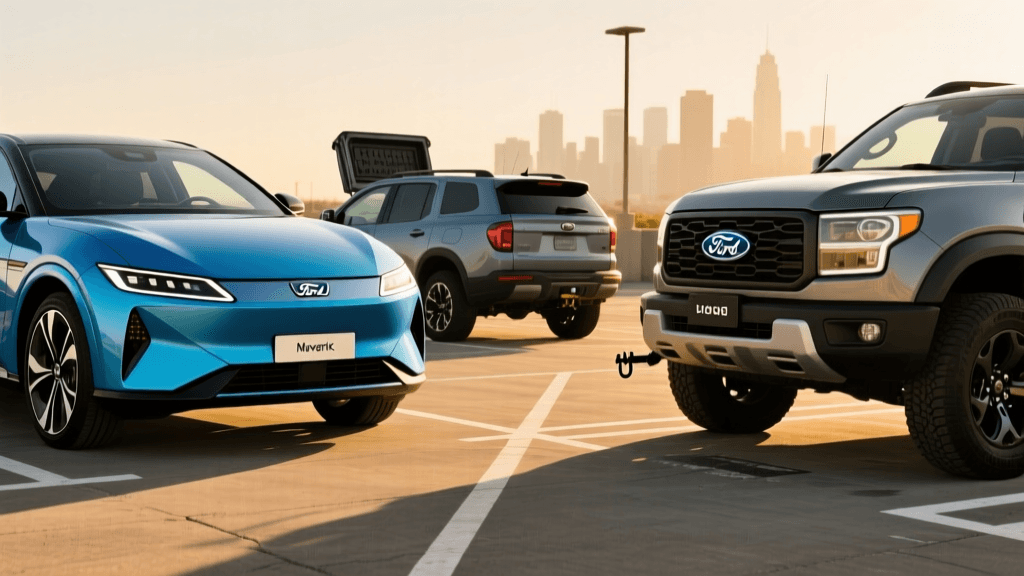
The automotive landscape has shifted dramatically over the last few years, bringing about a compact truck renaissance that many industry experts thought was dead and buried. For nearly a decade, the midsize truck segment reigned supreme, leaving urban dwellers and light-duty users with oversized, body-on-frame behemoths that were difficult to park and thirsty at the pump. That all changed when Hyundai and Ford simultaneously resurrected the unibody compact truck segment. The Hyundai Santa Cruz and the Ford Maverick both utilize car-based architectures, prioritizing daily drivability, fuel efficiency, and clever packaging over heavy-duty rock crawling. However, their engineering philosophies diverge wildly. The Maverick prioritizes efficiency, practicality, and a hybrid-first approach, while the Santa Cruz leans into premium refinement, turbocharged performance, and all-wheel-drive capability. In this comprehensive head-to-head showdown, we put the Ford Maverick Hybrid under the microscope, comparing its MPG, utility, and overall value against its Korean rival to determine which unibody truck truly deserves a spot in your driveway.
Powertrain and Real-World MPG: The Hybrid Advantage
At the heart of the Ford Maverick Hybrid is a brilliantly engineered 2.5-liter Atkinson-cycle four-cylinder engine paired with an electric motor and a compact 1.1 kWh lithium-ion battery pack. Total system output is a modest but highly effective 191 horsepower, routed exclusively to the front wheels via an electronic continuously variable transmission (eCVT). This powertrain is designed with one primary goal: maximum efficiency. The result is an EPA-estimated 42 mpg in the city and 33 mpg on the highway, yielding a combined rating of 37 mpg. In extensive real-world testing, the Maverick Hybrid has consistently proven capable of exceeding these numbers in urban environments. Because the electric motor handles low-speed crawling and stop-and-go traffic, the gas engine can shut off entirely for long stretches of city driving.
According to a comprehensive road test by Car and Driver, the Maverick Hybrid delivered an astonishing 44 mpg on their real-world highway fuel economy route, proving that this powertrain is no slouch when it comes to sipping fuel even at higher speeds. For a pickup truck, these numbers are nothing short of revolutionary, rivaling some of the most efficient compact sedans on the market.
Conversely, the Hyundai Santa Cruz does not currently offer a hybrid option. Its top-tier powertrain is a 2.5-liter turbocharged four-cylinder producing a robust 281 horsepower and 311 lb-ft of torque, mated to an eight-speed wet dual-clutch automatic transmission and HTRAC all-wheel drive. While the Santa Cruz is significantly quicker, more engaging to drive, and capable of towing much heavier loads, it sacrifices heavily at the pump. The turbocharged Santa Cruz returns just 19 mpg in the city and 27 mpg on the highway. For buyers prioritizing fuel economy, minimizing their carbon footprint, and keeping monthly running costs low, the Maverick Hybrid is the undisputed champion of the segment.
Utility, Payload, and Bed Versatility
The Maverick Flexbed
A truck is only as good as its bed, and this is where the unibody compact segment gets incredibly creative. The Maverick features a 4.5-foot Flexbed. While it may seem short compared to traditional midsize trucks, Ford has engineered it with immense versatility and DIY friendliness. It includes standard 12-volt and 120-volt power outlets, heavy-duty D-rings, and threaded holes for custom dividers and cargo management systems. The tailgate features a clever mid-position that perfectly supports the ends of 4x8 sheets of plywood, a massive selling point for contractors and weekend warriors alike. The Maverick Hybrid boasts a respectable 1,500-pound payload capacity and a 2,000-pound towing limit. If you need to tow a heavier trailer, you must step up to the 2.0-liter EcoBoost engine. You can explore the full utility specifications and bed accessories on Ford's Official Maverick Hub.
Santa Cruz and the Hidden Trunk
The Santa Cruz takes a vastly different approach with a slightly shorter 4.3-foot bed. Its ultimate party trick is the lockable, weather-sealed under-bed storage compartment, accessible via a side-hinged door. This space is perfect for storing wet camping gear, muddy tools, or a removable Bluetooth speaker system. However, the Santa Cruz bed is slightly less versatile for large, flat DIY projects, and its payload capacity maxes out at 1,753 pounds. On the flip side, its turbocharged AWD powertrain allows for a highly capable 5,000-pound towing capacity, making it the better choice for those who need to pull a small boat or camper trailer.
Head-to-Head Specifications Table
| Specification | Ford Maverick Hybrid | Hyundai Santa Cruz Turbo AWD |
|---|---|---|
| Powertrain | 2.5L I4 Hybrid | 2.5L Turbo I4 |
| Horsepower | 191 hp | 281 hp |
| Torque | 155 lb-ft (gas engine) | 311 lb-ft |
| Drivetrain | FWD | AWD |
| MPG (City / Hwy) | 42 / 33 | 19 / 27 |
| Max Payload | 1,500 lbs | 1,753 lbs |
| Max Towing | 2,000 lbs | 5,000 lbs |
| Bed Length | 4.5 feet | 4.3 feet |
Ride Quality and Handling Dynamics
The Maverick Hybrid is strictly front-wheel drive, which inherently limits its appeal in regions with heavy snowfall or for those who plan on traversing muddy job sites. Its suspension is tuned heavily for comfort, soaking up potholes, speed bumps, and broken pavement with the composure of a well-sorted compact SUV. However, under hard acceleration, the front wheels can occasionally struggle for traction due to the instant torque delivery from the electric motor. The Santa Cruz, equipped with HTRAC AWD and a sophisticated multi-link rear suspension, handles corners with surprising agility and maintains excellent composure in adverse weather conditions. The trade-off is a slightly stiffer ride quality over rough surfaces. For the urban commuter who occasionally hauls landscaping supplies, the Maverick's soft, car-like ride is ideal. For the weekend warrior who camps in the mountains or deals with harsh winters, the Santa Cruz's AWD system provides essential peace of mind.
Interior Ergonomics and Daily Drivability
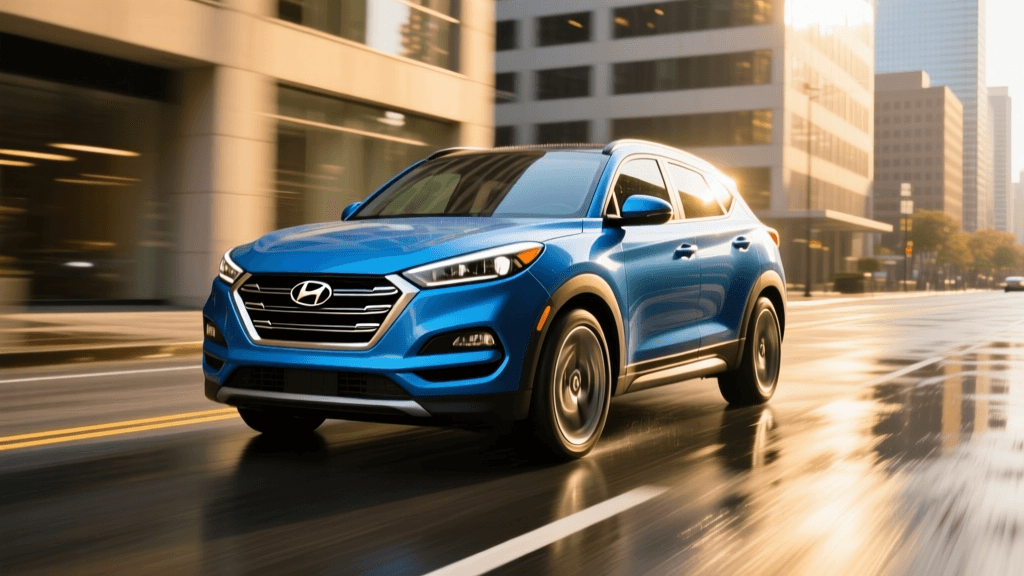
Inside the cabin, the Santa Cruz borrows heavily from the Tucson SUV, offering a premium, remarkably quiet interior with soft-touch materials, ventilated seats, and a highly refined infotainment system. It feels like a luxury vehicle that just happens to have a truck bed out back. The Maverick Hybrid, by contrast, embraces its budget-friendly roots. The interior is dominated by hard plastics, but the design is clever, rugged, and exceptionally easy to clean. The door handles are designed to double as bottle openers, and the cupholders feature adjustable dividers to accommodate various bottle sizes. While the Santa Cruz wins on pure luxury and material quality, the Maverick wins on rugged practicality and clever, low-cost storage solutions.
Total Cost of Ownership: The Five-Year Outlook
When evaluating a vehicle, the sticker price is only the beginning. Using data from the EPA Fuel Economy Hybrid Comparison Tool, we can project the long-term fuel costs of these two trucks. Assuming 15,000 miles driven annually and current national fuel averages, the Maverick Hybrid will save its owner thousands of dollars at the pump over a five-year ownership period compared to the turbocharged Santa Cruz. When you factor in the Maverick's significantly lower starting MSRP, cheaper insurance premiums, and lower routine maintenance costs (fewer moving parts in the hybrid drivetrain), the Total Cost of Ownership (TCO) heavily favors the Ford. The Santa Cruz is a fantastic vehicle, but you will pay a hefty premium for its extra horsepower, luxury features, and all-wheel-drive capability.
Final Verdict: Which Compact Truck Reigns Supreme?
Ultimately, the choice between the Ford Maverick Hybrid and the Hyundai Santa Cruz comes down to your specific lifestyle needs. If you are an urban or suburban dweller looking for a highly efficient, practical, and budget-friendly vehicle that can handle weekend home improvement projects, the Maverick Hybrid is an absolute no-brainer. Its real-world MPG is staggering, its Flexbed is incredibly well-thought-out, and its total cost of ownership is unbeatable. However, if you require all-weather capability, premium interior refinement, and the ability to tow heavier loads, the Santa Cruz Turbo AWD is the superior choice. Both trucks have successfully proven that you do not need a massive, body-on-frame pickup to enjoy the utility of a truck bed, but the Maverick Hybrid's unparalleled efficiency makes it the true game-changer of the modern compact truck era.