The Real Answer: Hybrid Insurance Premiums in 2026
The short answer is yes — hybrids typically cost 5% to 15% more to insure than their gas-only equivalents, but the gap has narrowed considerably as hybrid powertrains have gone mainstream. In 2026, the average annual full-coverage premium for a hybrid sits between $1,750 and $2,400 depending on the model, driver profile, and state. For context, a comparable gasoline vehicle averages $1,600 to $2,100, while a battery-electric vehicle (BEV) often runs $2,000 to $2,800 annually.
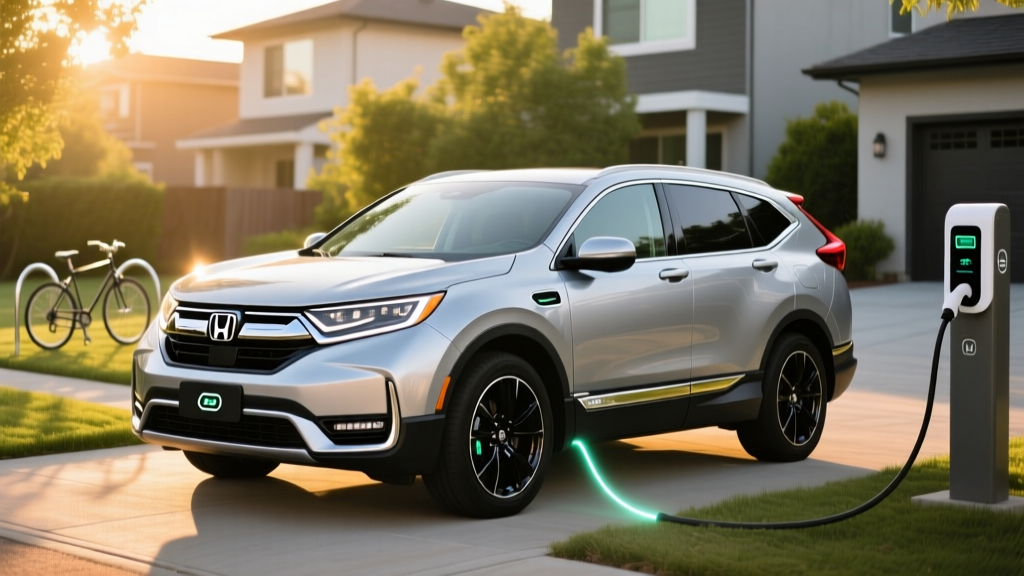
But averages obscure the real story. Insurance costs for hybrids vary wildly by model, and in some cases — particularly with high-volume, high-safety-rated hybrids like the Toyota Prius or Honda CR-V Hybrid — premiums are effectively identical to gas versions. The factors driving higher costs for other hybrids are repair complexity, battery replacement exposure, and parts pricing, not the hybrid badge itself.
This guide breaks down exactly what insurers look at when pricing hybrid coverage, how HEVs (conventional hybrids) compare to PHEVs (plug-in hybrids) on insurance, and what you can do to keep your premium in check.
Why Hybrid Insurance Costs Differ From Gas Cars
Insurers set premiums based on risk exposure — the likelihood of a claim and the probable cost of that claim. For hybrids, several factors shift the equation:
- Higher repair costs after collisions. Hybrid battery packs, power electronics, and electric motor assemblies add expensive components to the damage zone. A rear-end collision that totals a conventional sedan's trunk might also compromise a hybrid battery located in the same area, adding $3,000 to $8,000+ to the repair bill.
- Specialized labor requirements. Hybrid high-voltage systems require certified technicians. Shops charge more for hybrid-qualified labor, and fewer shops can do the work, which can extend rental-car reimbursements — a cost insurers absorb.
- Higher vehicle MSRP. Hybrids often carry a $1,500 to $5,000 premium over gas-only trims. Higher replacement value means higher comprehensive and collision premiums.
- Lower mileage offsets. Hybrid owners tend to drive more efficiently and, in some data sets, fewer annual miles. Some insurers offer low-mileage discounts that partially offset the hybrid surcharge.
- Safety ratings. Many popular hybrids score top marks in IIHS crash testing. Better safety ratings reduce injury-claim frequency, which works in your favor.
The net effect? A modest premium increase for most hybrids, a wash for high-volume models, and a more noticeable jump for luxury or low-volume PHEVs.
HEV vs PHEV: Insurance Cost Differences
Conventional hybrids (HEVs) and plug-in hybrids (PHEVs) are treated differently by many insurers, primarily because PHEVs have larger, more expensive battery packs and additional charging hardware.
| Factor | Conventional Hybrid (HEV) | Plug-in Hybrid (PHEV) |
|---|---|---|
| Battery size | 0.6–2.0 kWh (small buffer) | 11–25+ kWh (usable) |
| Battery replacement cost | $2,000–$4,500 | $6,000–$18,000+ |
| Typical insurance surcharge vs gas | +3% to +10% | +8% to +20% |
| Charging hardware (claim exposure) | None | Onboard charger, port, cable |
| Federal tax credit (§30D) | Not eligible | Up to $7,500 (if eligible) |
| Example 2026 model | Toyota Prius (57 MPG combined) | Toyota RAV4 Prime (42 mi EV range) |
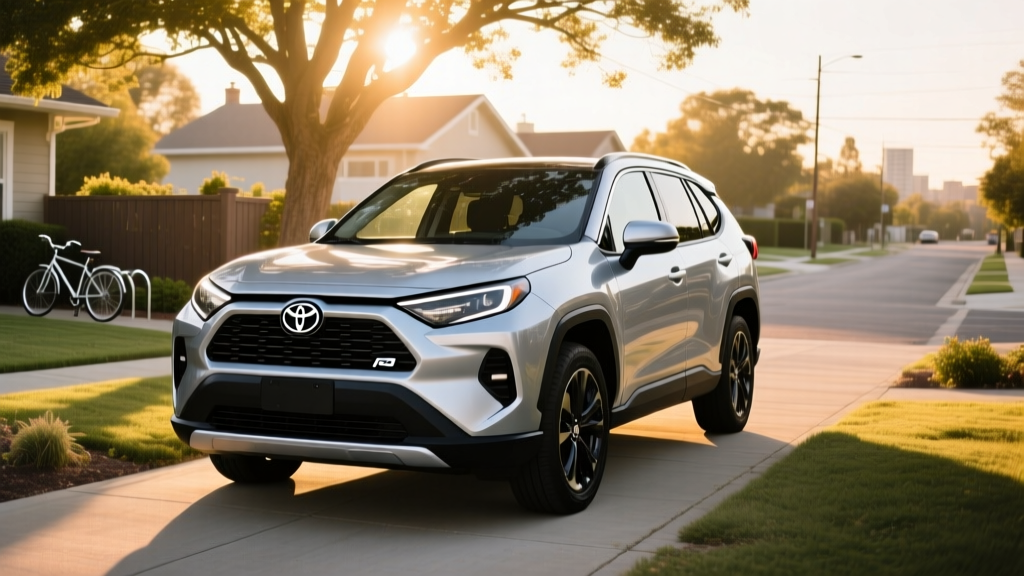
The PHEV's larger battery is the primary cost driver. A Toyota RAV4 Prime's 18.1 kWh traction battery carries a replacement cost north of $10,000 if damaged in a collision, while a standard RAV4 Hybrid's ~1.6 kWh battery is far cheaper to replace and less likely to be in the crumple zone.
Model-by-Model Insurance Estimates: Popular 2026 Hybrids
Below are estimated annual full-coverage premiums for a 35-year-old driver with a clean record, $100K/$300K liability, $500 deductible, and garaged in a moderate-cost metro area. Your actual rate will differ — use these as directional comparisons.
| 2026 Model | Type | EPA MPG / EV Range | MSRP (Base) | Est. Annual Premium |
|---|---|---|---|---|
| Toyota Prius LE | HEV | 57 city / 56 hwy / 57 combined | $29,545 | $1,650–$1,850 |
| Toyota Prius Prime SE | PHEV | 44 mi EV / 52 MPG combined | $34,045 | $1,800–$2,100 |
| Honda CR-V Hybrid Sport | HEV | 43 city / 36 hwy / 40 combined | $36,695 | $1,750–$2,000 |
| Toyota RAV4 Hybrid XLE | HEV | 41 city / 38 hwy / 40 combined | $34,845 | $1,700–$1,950 |
| Toyota RAV4 Prime XSE | PHEV | 42 mi EV / 38 MPG combined | $47,495 | $2,100–$2,500 |
| Ford Maverick Hybrid Lariat | HEV | 42 city / 33 hwy / 38 combined | $31,490 | $1,700–$2,000 |
| Hyundai Tucson PHEV SEL | PHEV | 33 mi EV / 35 MPG combined | $39,745 | $1,900–$2,300 |
| Jeep Wrangler 4xe | PHEV | 22 mi EV / 20 MPG combined | $51,790 | $2,400–$3,000 |
Sources: EPA estimates via fueleconomy.gov; MSRP from manufacturer 2026 pricing. Insurance estimates are illustrative based on aggregated industry data.
Notice the pattern: high-volume, IIHS Top Safety Pick models like the Prius and CR-V Hybrid command premiums nearly identical to gas cars. The Jeep Wrangler 4xe — expensive, off-road-oriented, with higher collision and rollover risk — sits at the top of the range.
What Insurers Actually Look At With Hybrids
If you're shopping for hybrid insurance, understanding the underwriting factors helps you make smarter choices:
Vehicle repair cost data
Insurers subscribe to collision-estimating databases (CCC, Mitchell, Audatex) that track actual repair invoices. As hybrid repair data has matured over the past decade, insurers have moved from conservative surcharges to more accurate, model-specific pricing. A Prius is no longer an exotic — it's one of the most common vehicles on American roads, and insurers price accordingly.
Crash-test performance and ADAS
Hybrids equipped with advanced driver-assistance systems (ADAS) — automatic emergency braking, lane-keeping, blind-spot monitoring — often qualify for safety discounts. Many 2026 hybrids come with these features standard. Toyota Safety Sense 3.0, Honda Sensing, and Hyundai SmartSense are comprehensive suites that reduce claim frequency.
Battery location and shielding
Where the hybrid battery sits matters. Batteries mounted under the rear seat or in a protected floor tunnel are less collision-exposed than those in the cargo area. Insurers factor in structural vulnerability from NHTSA and IIHS crash-test data.
Theft rates
Hybrid-specific theft is rare — catalytic converter theft, however, disproportionately affects hybrids (the Prius is a known target). Some insurers in high-theft areas add a comprehensive surcharge for this risk. Aftermarket catalytic converter shields ($200–$400 installed) may qualify for a discount with some carriers.
Real-World MPG and the Insurance Connection
Here's an indirect but real factor: hybrid fuel efficiency affects how much you drive, and mileage is a primary insurance rating variable.
| 2026 Model | EPA Combined | Real-World Observed | Notes |
|---|---|---|---|
| Toyota Prius LE | 57 MPG | 52–60 MPG | Often exceeds EPA in city; highway drops to ~48 MPG at 75+ mph |
| Honda CR-V Hybrid | 40 MPG | 36–42 MPG | City-heavy driving favors hybrid; highway-heavy drops to ~34 |
| Toyota RAV4 Prime (EV mode) | 94 MPGe | 38–44 mi EV range | EV range drops ~20% in freezing weather; highway hybrid mode ~35 MPG |
| Ford Maverick Hybrid | 38 MPG | 34–40 MPG | City driving can exceed 42 MPG; loaded/towing drops sharply |
| Hyundai Tucson PHEV | 35 MPG (hybrid) | 30–33 mi EV range | 80 MPGe in EV mode; highway hybrid ~30 MPG |
Hybrids often exceed their EPA city estimates because regenerative braking recaptures energy in stop-and-go traffic. Highway efficiency is typically lower than the sticker suggests — this matters for road-trip-heavy drivers who won't see the combined MPG figure.
For PHEVs, the real-world EV range is the number that determines your gasoline consumption. A RAV4 Prime rated at 42 miles of EV range will deliver roughly 33–35 miles in cold weather (below 35°F) with the heater running, and about 38–40 miles in moderate temperatures at suburban speeds.
Battery Warranties, Lifespan, and Replacement Costs
Federal mandate: All hybrid and PHEV batteries sold in the US must carry a minimum warranty of 8 years / 100,000 miles. In California Air Resources Board (CARB) states, the mandate extends to 10 years / 150,000 miles for emissions-related components, which includes the hybrid battery.
Here's what you need to know about hybrid battery longevity and how it intersects with insurance:
How long do hybrid batteries actually last?
Modern nickel-metal hydride (NiMH) and lithium-ion (Li-ion) hybrid batteries routinely last 150,000 to 200,000+ miles before meaningful degradation. Toyota's hybrid battery packs — the most numerous on American roads — have demonstrated failure rates well under 5% within the warranty period. Premature failure is rare in 2026-era designs with advanced thermal management.
Replacement costs if out of warranty
| Model | Battery Type | Capacity | Replacement Cost (OEM) | Refurbished Option |
|---|---|---|---|---|
| Toyota Prius (HEV) | Li-ion (2023+) | ~1.3 kWh | $2,500–$3,500 | $1,200–$1,800 |
| Toyota RAV4 Hybrid | NiMH | ~1.6 kWh | $3,000–$4,500 | $1,500–$2,200 |
| Toyota RAV4 Prime (PHEV) | Li-ion | 18.1 kWh | $10,000–$14,000 | $6,000–$9,000 |
| Honda CR-V Hybrid | Li-ion | ~1.1 kWh | $2,500–$4,000 | $1,500–$2,500 |
| Jeep Wrangler 4xe (PHEV) | NMC Li-ion | 17.3 kWh | $12,000–$18,000 | Limited availability |
For conventional hybrids, the small battery is a modest repair expense — comparable to replacing an alternator or water pump on a gas car. For PHEVs, the larger traction battery is a major component, and this is where insurers price in additional risk.
Does insurance cover hybrid battery failure?
Mechanical breakdown is not covered by standard auto insurance — that's what the warranty is for. However, if the battery is damaged in a collision, comprehensive or collision coverage applies, and the insurer pays the replacement cost (minus your deductible). This is why PHEV collision premiums are higher: the insurer's exposure in a rear or side impact is significantly greater.
Tax Credits, Incentives, and Total Cost Context
Insurance is one line item in the total ownership equation. Here's how incentives shift the math:
- Conventional hybrids (HEVs): Not eligible for the federal §30D clean vehicle credit. Some states offer minor rebates — check your state energy office.
- Plug-in hybrids (PHEVs): May qualify for up to $7,500 under IRS §30D, subject to:
- — MSRP cap: $55,000 for sedans, $80,000 for SUVs/pickups/vans
- — Buyer income cap: $150,000 single / $300,000 joint MAGI
- — Battery critical-mineral and component sourcing requirements (rules tighten annually through 2032)
- — Point-of-sale transfer available at participating dealers
- — Always verify current eligibility at IRS.gov before purchasing
For 2026, several popular PHEVs qualify for the full or partial credit, including the Toyota RAV4 Prime (SUV MSRP cap: $80,000 — most trims qualify), Jeep Wrangler 4xe, and Chrysler Pacifica Hybrid. The tax credit effectively reduces the purchase price, which in turn lowers your insured vehicle value — a small but real insurance benefit.
Conventional hybrids get no federal purchase incentive, but their lower MSRP and simpler powertrain mean lower insurance costs from the start. A Prius at $29,545 with a $1,750 premium is often a better total-cost proposition than a RAV4 Prime at $47,495 (minus $7,500 credit) with a $2,300 premium — unless you can charge at home and use the EV range daily.
Hybrid vs PHEV vs EV: Which Should You Choose?
Choose a conventional hybrid (HEV) if:
- You can't charge at home (no garage, apartment living, street parking)
- You want maximum fuel savings with zero behavioral change
- You drive 12,000–20,000+ miles/year and want proven reliability
- Insurance cost is a top concern — HEVs have the lowest surcharge
- You want a lower purchase price with no tax-credit dependency
Choose a plug-in hybrid (PHEV) if:
- You can install a Level 2 charger at home (240V, ~$500–$1,500 installed)
- Your daily commute is under 30–40 miles round-trip (you'll rarely use gas)
- You want EV-like daily driving with gas-engine freedom for road trips
- You qualify for the §30D tax credit and want to reduce your net purchase price
- You're willing to accept a slightly higher insurance premium for the PHEV battery
Choose a full EV (BEV) if:
- You can charge at home and have access to reliable DC fast charging for road trips
- You want the lowest per-mile fuel cost ($0.04–$0.08/mi vs $0.12–$0.18/mi for gas)
- You want zero tailpipe emissions and minimal maintenance (no oil changes, fewer moving parts)
- You're comfortable with higher upfront cost and insurance premiums in exchange for long-term savings
How to Lower Your Hybrid Insurance Premium
If the hybrid surcharge bothers you, these strategies reliably reduce your premium:
- Bundle policies. Home + auto bundling saves 10%–25% at most carriers. If you own a home, this is the single biggest lever.
- Shop at renewal. Hybrid pricing varies dramatically between carriers. Some insurers (notably GEICO, Progressive, and regional carriers like Erie) have aggressive hybrid pricing because their actuarial models have caught up with the repair data.
- Choose higher deductibles. Moving from $500 to $1,000 deductible typically saves 10%–15% on comprehensive and collision — the coverages most affected by hybrid repair costs.
- Low-mileage discount. If you work from home or drive under 7,500 miles/year, many carriers offer meaningful discounts. Hybrid owners tend to qualify more often because the fuel savings incentivize driving over flying for shorter trips.
- ADAS discount. Ask your insurer about discounts for automatic emergency braking, lane-keeping, and other driver-assist features. Most 2026 hybrids include these standard.
- Anti-theft devices. A catalytic converter shield or VIN-etched windows may qualify for a comprehensive discount in high-theft areas.
- Usage-based programs. Programs like Progressive's Snapshot or Allstate's Drivewise track actual driving behavior. Safe hybrid drivers often see 5%–20% reductions.
Frequently Asked Questions
Are hybrids more expensive to insure than gas cars?
On average, yes — typically 5% to 15% more for full coverage. However, popular high-volume hybrids like the Toyota Prius and Honda CR-V Hybrid often cost the same or only marginally more to insure than gas equivalents because insurers have extensive repair data and the vehicles score well in safety testing.
Do plug-in hybrids cost more to insure than conventional hybrids?
Generally, yes. PHEVs carry larger, more expensive battery packs ($6,000–$18,000 replacement cost vs $2,000–$4,500 for HEVs), which increases the insurer's collision-claim exposure. Expect a PHEV premium to be 5%–10% higher than an equivalent HEV, all else being equal.
Is a hybrid battery covered by car insurance?
Only if it's damaged in a covered event (collision, vandalism, natural disaster). Mechanical failure or degradation is not covered by auto insurance — that's handled by the manufacturer's hybrid battery warranty, which is federally mandated at 8 years/100,000 miles minimum (10 years/150,000 miles in CARB states).
Do hybrids get insurance discounts for being eco-friendly?
A few insurers offer green-vehicle discounts, but they're not widespread. More impactful are the standard discounts hybrids often qualify for: low-mileage discounts, ADAS safety-feature discounts, and bundling. Shop multiple carriers — the variance between insurers for the same hybrid can exceed $500/year.
Which hybrid has the cheapest insurance?
Among 2026 models, the Toyota Prius LE and Honda CR-V Hybrid consistently rank among the cheapest hybrids to insure, with estimated annual premiums of $1,650–$2,000 for a typical driver. Both are IIHS Top Safety Picks with high-volume repair networks and modest battery replacement costs.
How much does it cost to replace a hybrid battery out of warranty?
For conventional hybrids (HEVs), OEM battery replacement runs $2,500–$4,500. For plug-in hybrids (PHEVs), expect $10,000–$18,000 due to the much larger battery. Refurbished/remanufactured batteries are available for many popular HEVs at 40%–50% less than OEM. Hybrid batteries rarely fail before 150,000+ miles in modern designs.
Does the federal tax credit affect my insurance rate?
Indirectly. If you claim the §30D credit on a PHEV and reduce your net purchase price by $7,500, your vehicle's insured value is lower, which can slightly reduce comprehensive and collision premiums. Insurers base coverage on actual cash value, not the price you paid, but a lower MSRP generally translates to lower premiums.
Pros of insuring a hybrid:
- Premium gap vs gas cars is small and shrinking
- Top safety ratings earn discounts
- Low-mileage and ADAS discounts widely available
- HEV battery replacement is affordable if out of warranty
- Fuel savings ($600–$1,200/yr) far exceed insurance surcharge
Cons of insuring a hybrid:
- Premiums 5%–15% higher on average vs gas equivalent
- PHEV battery repair exposure adds cost
- Catalytic converter theft risk (Prius especially)
- Fewer qualified repair shops in rural areas
- Some insurers still apply outdated surcharge formulas