Quick Verdict: The CX-70 PHEV in 2026
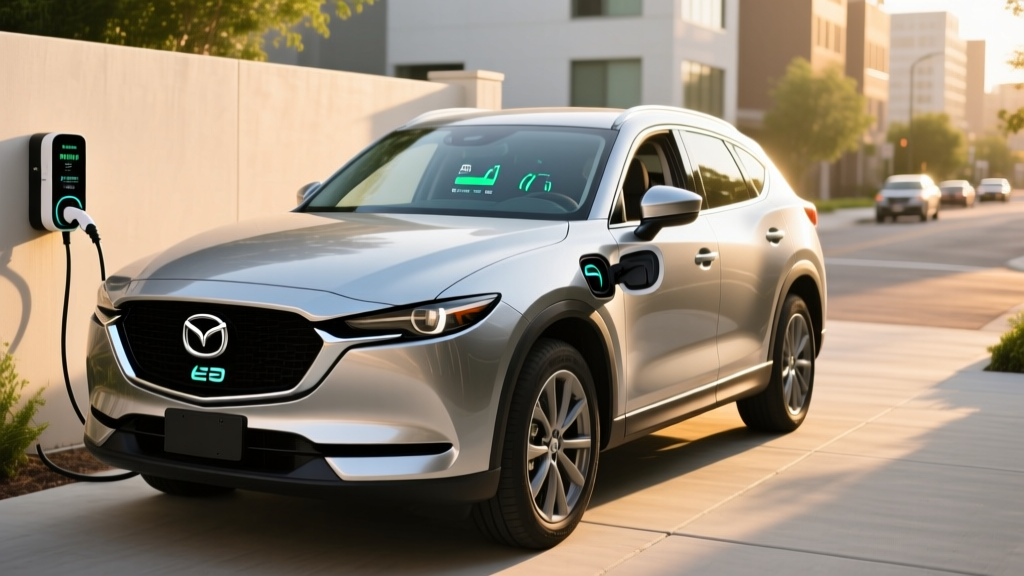
The 2026 Mazda CX-70 PHEV occupies a specific niche: a two-row midsize SUV that lets you drive roughly 26 miles on electricity alone, then seamlessly transitions to a turbocharged hybrid powertrain for longer trips. It's Mazda's premium play in the plug-in hybrid space — targeting buyers who want EV-like commuting without the full commitment of a battery-electric vehicle. With 327 combined horsepower and a starting MSRP around $40,445, it undercuts many luxury PHEV rivals while delivering a genuinely upscale cabin.
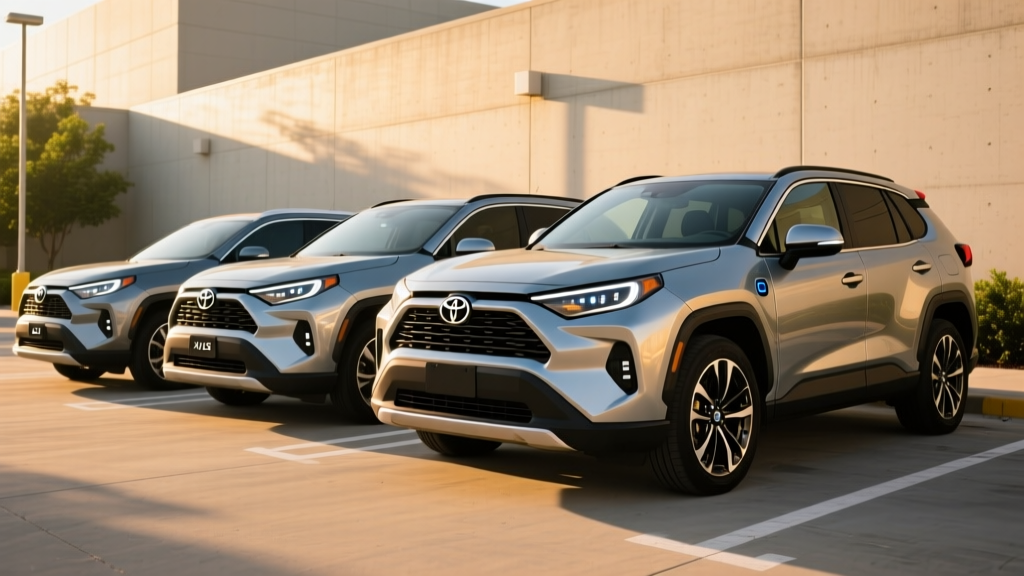
But the CX-70 PHEV isn't for everyone. Its electric-only range covers most daily commutes, yet falls short of rivals like the Toyota RAV4 Prime (42 miles). And at 3,500 pounds, it's not the most efficient hybrid once the battery depletes. Here's the full breakdown of what this PHEV delivers — and where it comes up short.
HEV vs. PHEV: What the CX-70 Lineup Actually Offers
Understanding the difference matters before you shop.
- Conventional Hybrid (HEV): The CX-70 also comes in a mild-hybrid variant (the CX-70 with the 3.3L inline-six turbo and 48V mild-hybrid system). This HEV does NOT plug in. It recovers energy through regenerative braking and uses a small battery to assist the gas engine. You simply fuel up and drive — no charging required.
- Plug-In Hybrid (PHEV): The CX-70 PHEV uses a larger 17.8 kWh battery pack and a more powerful electric motor. You plug it in to charge (Level 1 or Level 2), and it can drive on electricity alone for short distances before the gas engine kicks in. This article focuses on the PHEV variant.
If you don't have access to home or workplace charging, the PHEV's advantages shrink considerably — you'd essentially be carrying around extra battery weight without tapping its electric potential. In that scenario, the mild-hybrid CX-70 may serve you better.
Range, MPG, and Efficiency Numbers
The EPA rates the 2026 Mazda CX-70 PHEV at 26 miles of electric-only range and 25 MPG combined once operating as a hybrid. Here's the full efficiency breakdown:
| Metric | EPA Rating | Real-World Expectation |
|---|---|---|
| Electric-only range | 26 miles | 22–28 miles (varies with temperature, terrain, speed) |
| MPGe (electric + gas) | 56 MPGe | Depends heavily on how often you charge |
| Combined MPG (hybrid mode) | 25 MPG | 23–27 MPG (hybrids often slightly exceed EPA in city) |
| City MPG (hybrid mode) | 24 MPG | 24–27 MPG (regen braking helps in stop-and-go) |
| Highway MPG (hybrid mode) | 27 MPG | 24–26 MPG (aero drag and weight hurt at 70+ mph) |
| Total combined range | ~460 miles | ~420–480 miles depending on driving mix |
The 25 MPG hybrid-mode figure is respectable for a 4,600-pound SUV, but it trails the Toyota RAV4 Prime's 38 MPG in hybrid mode. The CX-70 PHEV prioritizes performance over maximum efficiency — which is a deliberate engineering choice by Mazda.
Powertrain and Performance Specs
Mazda pairs a 2.5-liter four-cylinder engine with a single electric motor integrated into the transmission. The result is a powertrain that feels genuinely quick, especially when both the engine and motor deliver peak output simultaneously.
| Specification | 2026 Mazda CX-70 PHEV |
|---|---|
| Engine | 2.5L inline-4 turbocharged |
| Electric motor | Single motor, integrated in 8-speed auto |
| Combined horsepower | 327 hp |
| Combined torque | 382 lb-ft |
| 0–60 mph | ~6.3 seconds |
| Transmission | 8-speed automatic (no CVT) |
| Drivetrain | AWD (standard) |
| Battery capacity | 17.8 kWh (total) / ~14.2 kWh usable |
| Battery chemistry | Lithium-ion (NMC) |
| Towing capacity | 3,500 lbs |
| Cargo volume (behind 2nd row) | 39.6 cu ft |
The 327 hp output makes the CX-70 PHEV one of the more powerful plug-in hybrids in its price range. The electric motor fills in torque at low RPMs, giving it responsive acceleration from a stop — a characteristic PHEV buyers tend to appreciate in daily driving. Mazda's choice of a traditional 8-speed automatic (rather than a CVT) also means more natural-feeling gear shifts under hard acceleration.
Charging: Times, Connectors, and What to Expect
The CX-70 PHEV charges exclusively via AC — there is no DC fast-charging capability, which is typical for most plug-in hybrids in this segment.
| Charging Level | Power (kW) | 0–100% Time | Notes |
|---|---|---|---|
| Level 1 (120V household outlet) | ~1.4 kW | ~10–12 hours | Overnight top-up; slow but works in a pinch |
| Level 2 (240V home/public) | ~7.2 kW (peak) | ~2.5 hours | Recommended for daily use; full charge before work |
| DC Fast Charge | N/A | N/A | Not supported — PHEV batteries rarely include DCFC |
For most PHEV owners, a Level 2 home charger is the sweet spot. A 2.5-hour full charge means you can plug in when you get home and wake up to a full battery every morning. If you're installing a Level 2 charger at home, budget $500–$1,500 for the equipment and electrician (assuming your panel doesn't need an upgrade). We break down home charger installation costs in detail in our Level 2 installation guide.
kW vs. kWh reminder: The CX-70 PHEV's battery holds 17.8 kWh of energy (capacity). Its onboard charger accepts up to 7.2 kW of power (rate). Think of kWh as the size of the fuel tank and kW as how fast you can fill it.
Pricing, Trims, and Tax Credit Eligibility
The 2026 CX-70 PHEV is offered in three trims. Pricing includes destination:
| Trim | MSRP (incl. destination) |
|---|---|
| Preferred | $40,445 |
| Premium | $45,445 |
| Premium Plus | $50,445 |
At these prices, the CX-70 PHEV slots between mainstream competitors like the RAV4 Prime (~$44,000) and luxury options like the BMW X3 xDrive30e (~$52,000).
Federal Tax Credit (§30D) Eligibility
Does the 2026 Mazda CX-70 PHEV qualify for the $7,500 federal tax credit? Under current IRS §30D rules, PHEVs must meet several criteria:
- Battery capacity: At least 7 kWh — the CX-70 PHEV's 17.8 kWh pack qualifies. ✓
- MSRP cap: SUVs must be under $80,000 — all CX-70 PHEV trims qualify. ✓
- Buyer income cap: AGI must not exceed $150,000 (single) / $300,000 (joint). Check your situation.
- Battery sourcing & critical minerals: The vehicle must meet phased-in sourcing requirements that tighten annually. As a Mazda assembled in Japan, the CX-70 PHEV's eligibility for the full $7,500 depends on current-year battery component and critical mineral thresholds. This is the most variable requirement.
- Point-of-sale transfer: If eligible, you can apply the credit as a down-payment reduction at the dealer rather than waiting for tax filing.
Our recommendation: Verify current eligibility on IRS.gov or the DOE's fueleconomy.gov tax credit page before purchasing. Rules change, and the critical-minerals requirement has disqualified several previously eligible PHEVs. Consult a tax professional for your specific situation.
Battery Warranty, Reliability, and Replacement Costs
Mazda PHEV Battery Warranty:
- Hybrid battery warranty: 8 years / 100,000 miles (whichever comes first) — covers defects and capacity loss below a specified threshold (typically 60–70% of original capacity)
- Powertrain warranty: 5 years / 60,000 miles
- Basic vehicle warranty: 3 years / 36,000 miles
PHEV battery degradation is generally modest. Mazda's lithium-ion pack is buffered — meaning the vehicle prevents you from using the full 17.8 kWh, which reduces stress on the cells and extends lifespan. Based on industry data from similar NMC battery packs, expect roughly 8–12% capacity loss over 10 years of typical use. That translates to the electric range dropping from 26 miles to approximately 22–24 miles after a decade.
Battery replacement cost: If the battery fails outside of warranty, expect a replacement to cost between $6,000 and $9,000 (parts and labor). However, out-of-warranty PHEV battery failures remain rare — most packs outlast the vehicle's useful life. Mazda's 8-year/100,000-mile warranty provides solid coverage for the period when most degradation-related issues would surface.
For reliability context, Mazda consistently scores well in long-term dependability surveys. The CX-70's powertrain shares components with the CX-90 PHEV (introduced for 2024), which has not shown widespread issues through its first two model years.
Who Should Buy the CX-70 PHEV (and Who Shouldn't)
Choose the 2026 Mazda CX-70 PHEV if:
- Your daily commute is under 25 miles and you can charge at home
- You want a premium-feeling two-row SUV without paying luxury-brand prices
- You take regular road trips and don't want to rely on public charging infrastructure
- You value acceleration and driving dynamics (327 hp, traditional 8-speed)
- You need 3,500-lb towing capacity for a small trailer or boat
Look elsewhere if:
- You want maximum electric-only range — the RAV4 Prime offers 42 miles; the Hyundai Tucson PHEV offers 33 miles
- You prioritize fuel economy above all — the RAV4 Prime delivers 38 MPG hybrid mode vs. the CX-70's 25 MPG
- You don't have access to home or workplace charging — without plugging in, you're paying extra for a battery you never use
- You need three rows — look at the CX-90 PHEV instead
- You're ready to go fully electric — the Tesla Model Y or Hyundai Ioniq 5 may serve you better with 300+ miles of range and lower operating costs
CX-70 PHEV vs. Full EV vs. Gas: The Cost Question
The decision between a PHEV, a full BEV, and a conventional gas car depends on your driving pattern, charging access, and budget:
| Factor | CX-70 PHEV | Full EV (e.g., Model Y) | Gas-Only SUV |
|---|---|---|---|
| Upfront cost | $40,445–$50,445 | $44,990–$55,000 | $35,000–$45,000 |
| Daily commute (under 25 mi) | Mostly electric, ~$0.04/mi | 100% electric, ~$0.04/mi | Gas, ~$0.14/mi |
| Road trips | Gas — no range anxiety | Requires DCFC planning | Gas — fill and go |
| Maintenance | Moderate (engine + EV systems) | Low (no engine, no oil changes) | Standard (oil, filters, etc.) |
| Home charging needed? | Strongly recommended | Essential for most owners | No |
| Tax credit potential | Up to $7,500 (varies) | Up to $7,500 (varies) | None |
If you charge nightly and commute less than 26 miles, the CX-70 PHEV operates as an EV on weekdays and a hybrid on weekends — giving you the best of both worlds without infrastructure dependence. The savings vs. gas are meaningful (roughly $800–$1,200/year in fuel for a 15,000-mile driver), though a full EV saves more over time due to lower maintenance and cheaper per-mile energy costs.
Pros and Cons
Pros
- 327 hp delivers genuinely quick acceleration for a PHEV SUV
- Premium interior materials rival luxury competitors
- Standard AWD with 3,500-lb towing
- No range anxiety on road trips — gas engine takes over seamlessly
- Competitive pricing for a PHEV in this size class
- Traditional 8-speed automatic (no CVT drone)
Cons
- 26-mile EV range trails key rivals (RAV4 Prime: 42 mi)
- 25 MPG hybrid mode is mediocre for a PHEV
- No DC fast charging (expected for PHEVs, but limits flexibility)
- Only two rows — families needing three should look at the CX-90
- Tax credit eligibility uncertain due to battery-sourcing rules
- Heavier than the gas CX-70, reducing efficiency when battery is depleted
Frequently Asked Questions
How many MPG does the 2026 Mazda CX-70 PHEV get?
The EPA rates it at 25 MPG combined (24 city / 27 highway) in hybrid mode. In real-world driving, city MPG can reach 26–27 thanks to regenerative braking, while sustained highway driving above 70 mph typically yields 24–25 MPG. If you charge daily and commute under 26 miles, your effective "MPG" is much higher since most miles are electric.
How far can the CX-70 PHEV go on electric only?
The EPA-rated electric-only range is 26 miles. In real-world conditions, expect 22–28 miles depending on temperature, speed, and terrain. Cold weather (below freezing) can reduce this to 18–21 miles. For comparison, the Toyota RAV4 Prime offers 42 miles of EV range, and the Hyundai Tucson PHEV offers 33 miles.
Does the CX-70 PHEV qualify for a federal tax credit?
It meets the battery capacity and MSRP requirements for the §30D Clean Vehicle Credit. However, full eligibility depends on the current-year critical minerals and battery component sourcing rules, as well as your personal income (AGI must be under $150K single / $300K joint). The vehicle is assembled in Japan, which affects sourcing compliance. Check fueleconomy.gov and consult a tax professional before relying on the credit.
Is the CX-70 PHEV reliable, and what does battery replacement cost?
Mazda's reliability reputation is strong, and the PHEV powertrain shares architecture with the CX-90 PHEV, which has shown no widespread issues. The hybrid battery is warranted for 8 years / 100,000 miles. Out-of-warranty replacement would cost approximately $6,000–$9,000, though PHEV battery failures outside warranty are uncommon.
Do I need to plug in the CX-70 PHEV?
You don't have to — if you never plug it in, it operates as a conventional hybrid. However, you'll forfeit the electric-only range and the fuel-cost savings that justify the PHEV premium. Without regular charging, you're carrying 300+ pounds of battery dead weight and achieving only 25 MPG. If you can't charge at home or work, the mild-hybrid CX-70 is a better fit.
How long does it take to charge the CX-70 PHEV?
On a Level 2 (240V) charger at 7.2 kW, a full charge takes approximately 2.5 hours. On a standard 120V household outlet (Level 1), expect 10–12 hours. The CX-70 PHEV does not support DC fast charging.
Hybrid vs. PHEV vs. EV — which is right for me?
A conventional hybrid (HEV) suits drivers who want better fuel economy with zero behavior change — no plugging in, no range planning. A PHEV like the CX-70 fits drivers with home charging and short commutes who also take longer road trips. A full EV (BEV) is ideal if you have reliable home charging, drive under 300 miles daily, and want the lowest operating costs and maintenance. If you frequently drive in areas with sparse charging infrastructure, a PHEV offers the best safety net.
Sources: fueleconomy.gov (EPA ratings), Mazda USA official specifications, IRS §30D Clean Vehicle Credits. All specs reflect 2026 model year data available at time of publication. Tax credit eligibility subject to change — verify current rules before purchase.