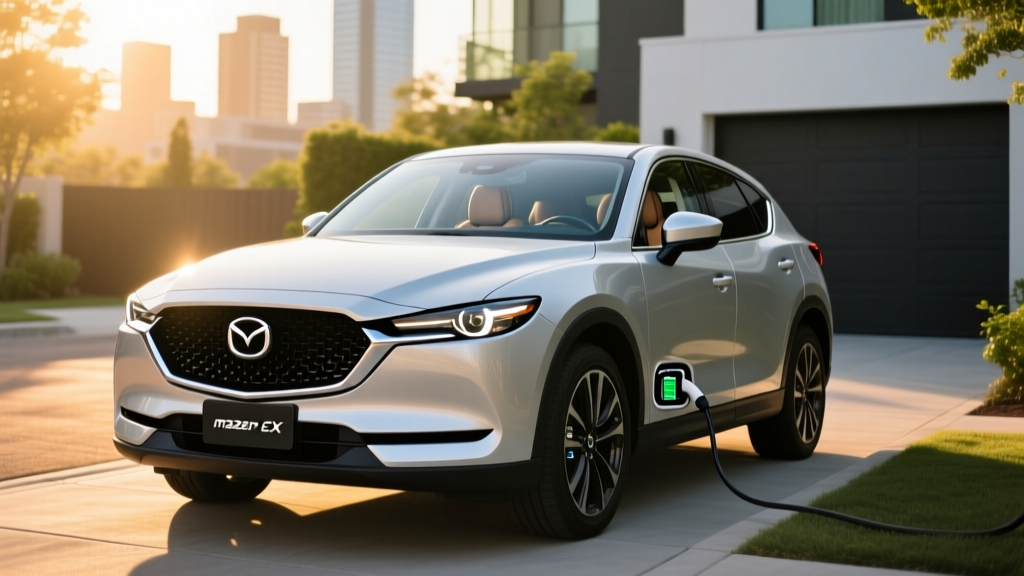
The compact crossover segment has been dominated by the same players for years, but the 2026 Mazda CX-5 Hybrid enters the conversation with a proposition that few rivals can match: genuine hybrid efficiency wrapped in a premium-driving package. Mazda has leveraged its partnership with Toyota to integrate a proven hybrid powertrain beneath the CX-5's upscale interior, delivering an EPA-estimated 39 MPG combined without sacrificing the driving dynamics the nameplate is known for.
For buyers weighing the CX-5 Hybrid against the Toyota RAV4 Hybrid, Honda CR-V Hybrid, or even full-electric alternatives, the decision comes down to a few key variables: real-world MPG, total cost of ownership, and whether you need plug-in capability or not. This guide breaks down every number that matters.
2026 Mazda CX-5 Hybrid: At-a-Glance Specifications
| Spec | Value |
|---|---|
| Powertrain Type | Series-parallel hybrid (HEV) |
| Engine | 2.5L 4-cylinder + electric motor |
| Combined Horsepower | 219 hp (net system) |
| Drivetrain | AWD (electronic rear motor) |
| EPA MPG (City / Hwy / Combined) | 41 / 37 / 39 MPG |
| Fuel Tank Capacity | 14.5 gal |
| Estimated Total Range | ~565 miles |
| Hybrid Battery Type | Nickel-metal hydride (NiMH), ~1.6 kWh |
| 0–60 mph | ~7.2 seconds |
| Starting MSRP (Select Trim) | $36,500 |
| Hybrid Battery Warranty | 10 years / 150,000 miles |
How the Hybrid Powertrain Works
Mazda's 2026 CX-5 Hybrid borrows heavily from the Toyota Hybrid System (THS) architecture — the same series-parallel setup found in the RAV4 Hybrid and Highlander Hybrid. A 2.5-liter Atkinson-cycle four-cylinder engine pairs with an electric motor mounted to the transaxle, while a second electric motor on the rear axle provides electronic all-wheel drive without a mechanical driveshaft.
The combined system output is 219 horsepower, which puts the CX-5 Hybrid ahead of the Honda CR-V Hybrid (204 hp) and competitive with the RAV4 Hybrid (219 hp). The electric motor fills in torque at low RPMs, eliminating the sluggishness that historically plagued four-cylinder crossovers off the line. Mazda quotes a 0–60 mph time in the low 7-second range — quick enough for confident highway merging.
Unlike a plug-in hybrid (PHEV), the CX-5 Hybrid does not plug in. The small NiMH traction battery recharges exclusively through regenerative braking and engine-generated electricity. You fuel it like a conventional car and never think about charging infrastructure.
HEV vs. PHEV vs. Full EV: Which Fits Your Life?
The CX-5 Hybrid is a conventional hybrid (HEV). Mazda does not currently offer a plug-in hybrid (PHEV) version of the CX-5 for 2026 — buyers wanting plug-in capability should look at the Mazda CX-70 PHEV or CX-90 PHEV, or cross-shop the Toyota RAV4 Prime. Here's how the three electrified categories compare:
Conventional Hybrid (HEV)
- No plug — gas up and go
- 39 MPG combined (CX-5 Hybrid)
- No electric-only range to speak of
- No federal tax credit
- Best for: renters, apartment dwellers, those without home charging
Plug-In Hybrid (PHEV)
- Plugs in for 25–42 miles electric-only
- Gas engine for longer trips
- May qualify for §30D federal credit (up to $7,500)
- Requires Level 2 home charging for best economics
- Best for: short commuters with home charging access
Full EV (BEV)
- 250–350+ miles range, no gas
- Requires reliable home or public charging
- Eligible for up to $7,500 federal credit
- Lowest per-mile fuel cost (~$0.04/mi vs ~$0.12/mi hybrid)
- Best for: homeowners with Level 2, predictable routes
If your daily commute is under 30 miles round-trip and you have a garage with a 240V outlet, a PHEV like the RAV4 Prime (42 miles electric-only) could eliminate your gas use entirely on weekdays. But if you lack reliable home charging or regularly drive 50+ miles per day, the CX-5 Hybrid's no-plug simplicity and strong city MPG make it the pragmatic choice.
Real-World Fuel Economy: What to Actually Expect
EPA estimates are a starting point, not a guarantee. Hybrid systems perform very differently depending on driving patterns, and the CX-5 Hybrid's Toyota-sourced system has a well-documented real-world profile:
| Driving Scenario | EPA Estimate | Expected Real-World |
|---|---|---|
| City (stop-and-go, under 40 mph) | 41 MPG | 42–45 MPG |
| Highway (sustained 65–75 mph) | 37 MPG | 34–37 MPG |
| Combined (mixed driving) | 39 MPG | 37–41 MPG |
| Cold weather (below 30°F, mixed) | — | 34–36 MPG |
| Mountainous terrain (loaded) | — | 30–33 MPG |
The key insight: hybrids beat their EPA city numbers because stop-and-go driving maximizes regenerative braking and electric-only operation. Highway driving is where hybrids lose their advantage — the engine runs continuously at higher speeds with less regen opportunity. If 80% of your driving is city, expect to exceed the EPA combined figure. If you're a highway commuter, expect to fall slightly short.
For comparison, the non-hybrid 2026 CX-5 with the turbo 2.5L engine achieves an EPA 24 MPG combined. The hybrid represents a 62% improvement in combined fuel economy with only a modest price premium.
Pricing, Trims, and Tax Credit Eligibility
The 2026 Mazda CX-5 Hybrid is expected to be available across multiple trims, with pricing starting in the mid-$30,000 range:
| Trim | Est. MSRP | Key Features |
|---|---|---|
| Select Hybrid | $36,500 | AWD, 10.25" display, heated seats, power liftgate |
| Preferred Hybrid | $38,900 | Leatherette, Bose audio, sunroof, wireless CarPlay |
| Premium Hybrid | $41,500 | Nappa leather, ventilated seats, head-up display |
| Premium Plus Hybrid | $44,200 | All Premium + 360° camera, advanced parking assist |
Even without the federal credit, the CX-5 Hybrid's fuel savings add up. At 15,000 miles per year and $3.40/gallon regular unleaded:
- CX-5 Hybrid (39 MPG): ~$1,308/year in fuel
- CX-5 Turbo gas (24 MPG): ~$2,125/year in fuel
- Annual savings: ~$817/year, or ~$4,085 over five years
That five-year fuel savings nearly covers the hybrid powertrain premium over a comparably equipped gas CX-5.
Battery Warranty, Lifespan, and Replacement Cost
The CX-5 Hybrid uses a relatively small nickel-metal hydride (NiMH) battery pack — roughly 1.6 kWh — which is far less stressed than a full EV battery. NiMH chemistry is mature technology; Toyota's hybrid batteries have demonstrated 200,000+ mile lifespans routinely, with many original Prius and RAV4 Hybrid batteries still functioning at 15+ years.
If replacement is ever needed out of warranty, expect:
- OEM replacement battery: $2,500–$3,500 (parts + labor)
- Refurbished/remanufactured pack: $1,500–$2,200
- Individual module replacement: $300–$800 (if only a few cells degrade)
For context, hybrid battery failure before 150,000 miles is statistically uncommon. The system is designed so the battery operates within a narrow state-of-charge window (roughly 40–80%), which dramatically reduces degradation compared to EV batteries that regularly cycle from 10–100%.
Reliability expectations are high. The Toyota Hybrid System underpinning the CX-5 Hybrid is one of the most proven powertrains in production, with millions of units on the road. Mazda's own build quality and interior materials remain a step above most competitors in the segment, and the hybrid system should not introduce new reliability concerns.
How Does It Compare to Key Rivals?
| Spec | Mazda CX-5 Hybrid | Toyota RAV4 Hybrid | Honda CR-V Hybrid |
|---|---|---|---|
| Combined HP | 219 hp | 219 hp | 204 hp |
| EPA Combined MPG | 39 MPG | 41 MPG | 40 MPG |
| Drivetrain | AWD | AWD | AWD |
| Starting MSRP | $36,500 | $34,500 | $36,200 |
| Cargo Volume (behind 2nd row) | 30.8 cu ft | 37.6 cu ft | 36.3 cu ft |
| Battery Warranty | 10 yr / 150k mi | 10 yr / 150k mi | 8 yr / 100k mi |
| Interior Quality | Premium | Functional | Good |
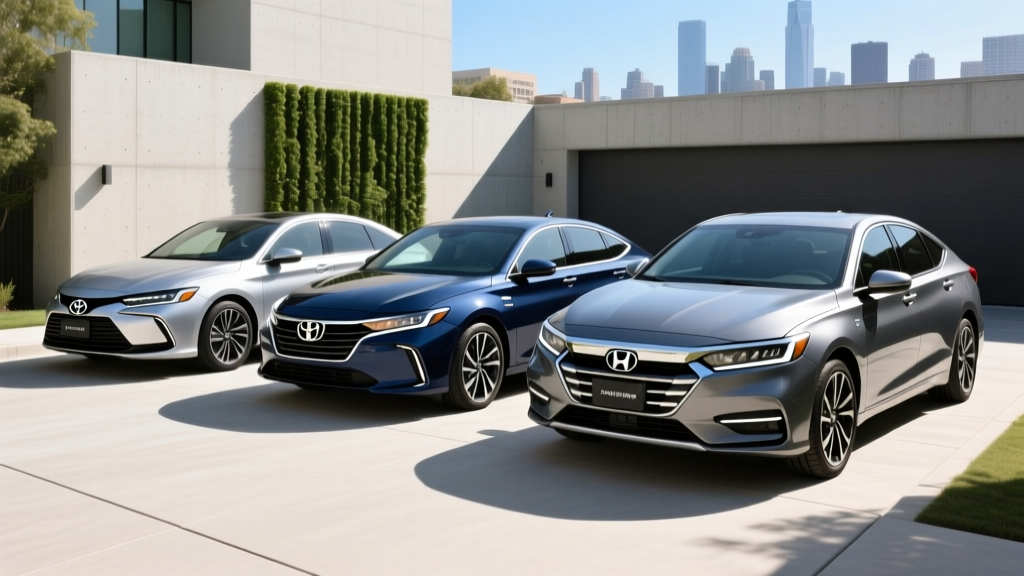
The CX-5 Hybrid trades a slight MPG deficit for a more premium cabin, better steering feel, and Mazda's typically strong safety credentials. The RAV4 Hybrid wins on cargo space and a couple of MPG; the CR-V Hybrid splits the difference. If interior ambiance and driving refinement matter more than maximum cargo volume, the Mazda holds its own convincingly.
Pros and Cons
Pros
- 39 MPG combined with no plug-in hassle
- Premium interior above segment average
- Proven Toyota hybrid system reliability
- 219 hp — competitive power for the class
- 10-year / 150k-mile hybrid battery warranty
- Strong city MPG (42–45 real-world)
Cons
- Less cargo space than RAV4 or CR-V Hybrid
- No federal tax credit (HEV, not PHEV)
- Highway MPG drops to 34–37 real-world
- Higher starting price than base RAV4 Hybrid
- No PHEV variant available for 2026
- Smaller rear seat than some competitors
Who Should Buy the 2026 Mazda CX-5 Hybrid?
Choose the CX-5 Hybrid if:
- You want 38+ MPG without plugging in or changing your fueling habits
- You don't have access to home Level 2 charging (apartment, street parking)
- You value a premium-feeling interior over maximum cargo volume
- Your driving is mostly city and suburban (where hybrids excel)
- You want proven hybrid reliability without first-year powertrain risk
Look elsewhere if:
- You need maximum cargo space → RAV4 Hybrid (37.6 cu ft)
- You want plug-in electric commuting → RAV4 Prime PHEV (42 mi electric)
- You want zero gas use and have home charging → Hyundai Ioniq 5 or Tesla Model Y
- You need the federal tax credit → requires a PHEV or BEV, not an HEV
Frequently Asked Questions
How many MPG does the 2026 Mazda CX-5 Hybrid get?
The EPA rates the 2026 CX-5 Hybrid at 41 MPG city, 37 MPG highway, and 39 MPG combined. In real-world driving, expect 42–45 MPG in city conditions and 34–37 MPG on the highway. Cold weather reduces efficiency by roughly 8–12%.
Does the Mazda CX-5 Hybrid need to be plugged in?
No. The CX-5 Hybrid is a conventional hybrid (HEV), not a plug-in hybrid. It recharges its own battery through regenerative braking and the gas engine. You simply fill up at a gas station like any other vehicle.
Does the 2026 CX-5 Hybrid qualify for any federal tax credit?
No. Under current IRS §30D rules, only plug-in electric vehicles (BEVs and PHEVs) qualify for the federal Clean Vehicle Credit. Conventional hybrids like the CX-5 Hybrid are not eligible. Some states may offer separate hybrid incentives — check the AFDC state incentive database for your area.
How long will the CX-5 Hybrid battery last?
Mazda warranties the hybrid battery for 10 years or 150,000 miles. The NiMH battery pack is proven technology shared with Toyota's hybrid lineup, where 200,000+ mile lifespans are common. Out-of-warranty replacement costs $2,500–$3,500 for an OEM pack, though failure before 150k miles is uncommon.
Is there a plug-in hybrid (PHEV) version of the CX-5?
Not for 2026. Mazda offers PHEV powertrains in the larger CX-70 and CX-90, but the CX-5 lineup is limited to conventional hybrid and gas powertrains. If plug-in capability in a compact SUV is a priority, consider the Toyota RAV4 Prime or the Mazda CX-50 Hybrid (if available in your market).
How does the CX-5 Hybrid compare to a full EV like the Tesla Model Y?
The Model Y offers ~310 miles of range and qualifies for a partial federal tax credit, but requires reliable home or public charging infrastructure. The CX-5 Hybrid costs less upfront, has no charging dependency, and is better suited to buyers without garage charging. Over 5 years, the Model Y will cost less in "fuel" (electricity), but the CX-5 Hybrid eliminates range anxiety and charging logistics entirely. Check fueleconomy.gov for side-by-side cost comparisons.
Note: Specifications, pricing, and fuel economy figures are based on Mazda's preliminary 2026 model-year information and EPA estimates where available. Final specs and MSRP may vary at launch. Tax credit rules are subject to change — always verify current eligibility at IRS.gov before purchasing.