What Is a Hybrid Car? The Short Answer
A hybrid car pairs a gasoline engine with one or more electric motors and a battery pack to improve fuel economy, reduce emissions, and in some cases provide short-distance electric-only driving. Unlike a pure battery-electric vehicle (BEV), a hybrid never requires you to abandon the gas station entirely — but how much electricity it uses, and whether you plug it in, depends on which type of hybrid you choose.
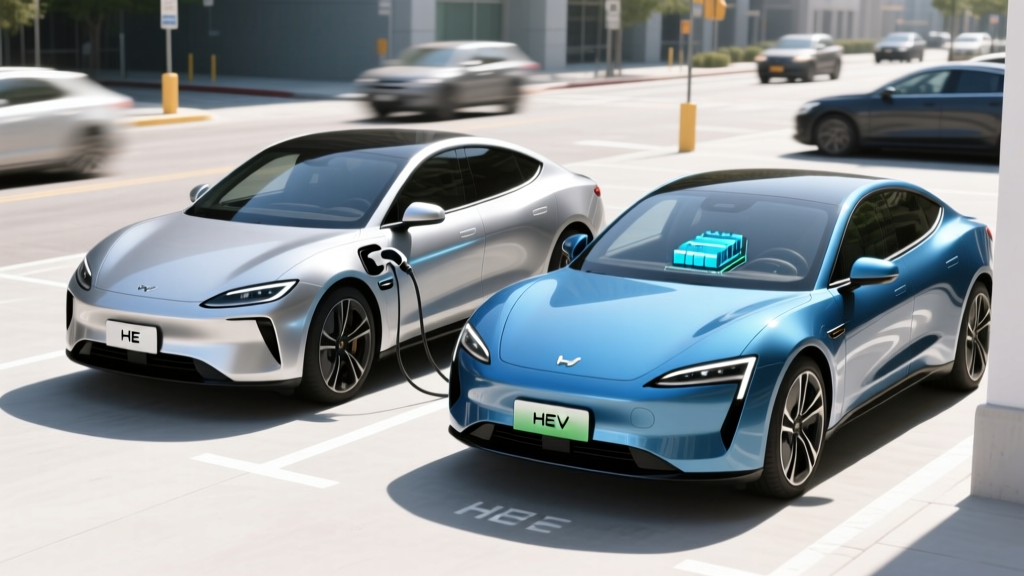
In 2026, the hybrid market has matured into two distinct categories: the conventional hybrid (HEV), which charges its battery exclusively through regenerative braking and the engine, and the plug-in hybrid (PHEV), which adds a larger battery you can charge from a wall outlet or public charger for 25–50 miles of electric-only range before the engine kicks in.
If you're asking "what is a hybrid car" because you're weighing one against a full EV or a traditional gas vehicle, this guide will give you the exact numbers — EPA MPG, kWh capacities, battery warranties, tax-credit eligibility, and real-world ownership data — to make that decision confidently.
HEV vs PHEV: The Two Types of Hybrid Cars
The single most important distinction in the hybrid world is whether the vehicle plugs in. Confusing these two types is the most common mistake shoppers make, and it directly affects your daily routine, fuel costs, and tax-credit eligibility.
| Attribute | Conventional Hybrid (HEV) | Plug-In Hybrid (PHEV) |
|---|---|---|
| Plug-in charging? | No — self-charging via engine & regen | Yes — Level 1 (120V) or Level 2 (240V) |
| Battery size | 0.6–1.6 kWh (small) | 10–25+ kWh (much larger) |
| Electric-only range | None (motor assists engine only) | 25–50+ miles EPA |
| DC fast charging? | No | Rarely; most are Level 2 only (some exceptions like Mitsubishi Outlander PHEV) |
| Federal tax credit (§30D) | Not eligible | Up to $7,500 (income, MSRP, and sourcing rules apply) |
| Typical EPA combined MPG (gas mode) | 40–57 MPG | 27–40 MPG (after battery depletes) |
| Price premium vs gas model | +$1,000–$3,000 | +$4,000–$9,000 (before credit) |
| Best for | No home charging; high-mileage commuters | Home chargers; short daily commutes + road trips |
The HEV is a drop-in upgrade from a gas car: you fuel it identically, maintain it similarly, and simply enjoy better MPG — especially in stop-and-go city driving where regenerative braking recaptures energy most efficiently. The Toyota Prius remains the benchmark, delivering an EPA-estimated 57 MPG combined in its LE trim for the 2026 model year (fueleconomy.gov).
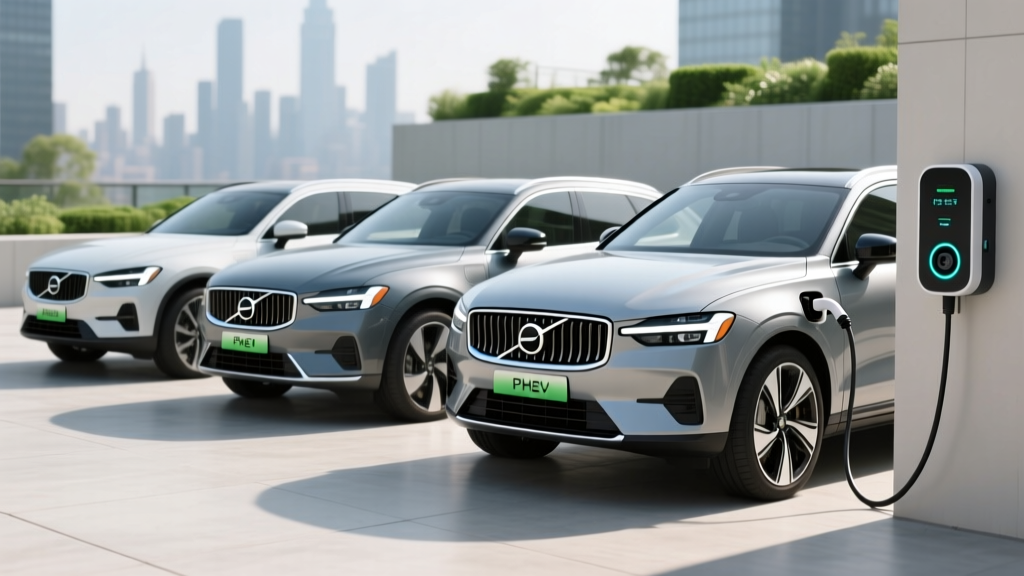
The PHEV is a bridge between gas and electric: charge it nightly at home, drive 30–45 miles on electricity alone for your commute, and still have a gas engine for weekend road trips with zero range anxiety. The Toyota RAV4 Prime, for example, offers 42 miles of EPA-rated electric-only range and 38 MPG combined once the battery depletes.
How Hybrid Powertrains Work: MPG, Horsepower, and Efficiency
Both HEVs and PHEVs use a gasoline engine paired with an electric motor (sometimes two) and a power-split device or clutch system that seamlessly blends the two power sources. The electric motor provides instant torque at low speeds — exactly where gas engines are least efficient — while the engine handles sustained highway cruising.
Real-World MPG: What the EPA Sticker Doesn't Tell You
Hybrid fuel economy is highly dependent on driving conditions, and unlike gas cars, hybrids often exceed their EPA city rating in real-world stop-and-go traffic because regenerative braking is most effective at low speeds.
| Model | Type | EPA City | EPA Hwy | EPA Combined | Real-World Note |
|---|---|---|---|---|---|
| Toyota Prius LE | HEV | 57 | 56 | 57 | City drivers often see 58–62 MPG; highway drops to ~50 at 75+ mph |
| Honda Accord Hybrid | HEV | 51 | 44 | 48 | Strong city regen; highway efficiency drops with aggressive driving |
| Toyota RAV4 Hybrid | HEV | 41 | 38 | 40 | AWD system adds slight drag; expect ~37–39 highway |
| Toyota RAV4 Prime | PHEV | 40 (gas) | 36 (gas) | 38 (gas) / 94 MPGe (elec) | 42 mi electric-only; gas MPG drops on sustained highway above 70 mph |
| Jeep Wrangler 4xe | PHEV | 20 (gas) | 20 (gas) | 20 (gas) / 49 MPGe (elec) | 22 mi electric; boxy aero hurts gas-mode MPG significantly |
| Hyundai Tucson PHEV | PHEV | 35 (gas) | 35 (gas) | 35 (gas) / 80 MPGe (elec) | 33 mi electric; real-world electric range ~28–30 in cold weather |
Cold-weather caveat: Hybrid battery efficiency drops in freezing temperatures. Expect 10–20% lower electric-only range in PHEVs and 3–5 MPG reduction in HEVs during winter months, as the engine runs more frequently to provide cabin heat and maintain battery temperature.
Powertrain Output: Combined Horsepower
Hybrid systems add electric motor torque to the gas engine's output, often resulting in significantly more combined horsepower than the gas-only version of the same vehicle:
- Toyota Prius: 2.0L 4-cyl + electric motor = 194 hp combined (AWD: 196 hp)
- Honda Accord Hybrid: 2.0L 4-cyl + dual motors = 204 hp combined
- Toyota RAV4 Prime PHEV: 2.5L 4-cyl + dual motors = 302 hp combined (0–60 mph in 5.7 seconds)
- Jeep Wrangler 4xe: 2.0L turbo + dual motors = 375 hp / 470 lb-ft combined
The RAV4 Prime is a standout example of how PHEV architecture can transform a practical crossover into a genuinely quick vehicle, while still delivering 42 miles of silent electric commuting.
PHEV Battery, Charging, and Electric-Only Range
If you're considering a PHEV, the battery specifications and charging logistics are the most important factors in your daily experience. Here's what the numbers mean in practice.
Battery Capacity and Electric Range
PHEV battery packs in 2026 typically range from 10 kWh to 25+ kWh (usable capacity), translating to 25–50 miles of EPA-rated electric-only range. Larger batteries mean more electric commuting but also more weight and higher cost.
| Model | Battery (usable kWh) | Electric Range (EPA) | Total Range (gas+elec) | Level 2 Charge Time (0–100%) | DC Fast Charge? |
|---|---|---|---|---|---|
| Toyota RAV4 Prime | 14.9 kWh | 42 mi | ~600 mi | ~2.5 hr (3.3 kW) / ~4.5 hr | No |
| Hyundai Tucson PHEV | 11.2 kWh | 33 mi | ~440 mi | ~2.0 hr (7.2 kW) | No |
| Jeep Wrangler 4xe | 14.9 kWh | 22 mi | ~370 mi | ~2.5 hr (7.2 kW) | No |
| Toyota Prius Prime | 10.9 kWh | 44 mi | ~610 mi | ~4.0 hr (3.3 kW) | No |
| Mitsubishi Outlander PHEV | 17.9 kWh | 38 mi | ~420 mi | ~3.5 hr (7.4 kW) | Yes (CHAdeMO, ~25 min to 80%) |
Critical note on DC fast charging: The vast majority of PHEVs do not support DC fast charging. Their batteries are too small to justify the added cost and weight of DC hardware, and a Level 2 charge (240V) fully replenishes most PHEV batteries in 2–4 hours — more than sufficient for overnight charging. The Mitsubishi Outlander PHEV is a notable exception with CHAdeMO DC capability.
Charging a PHEV at Home: What You Need
Every PHEV ships with a Level 1 (120V) charging cable that plugs into a standard household outlet. This adds roughly 4–6 miles of range per hour of charging — adequate for PHEVs with smaller batteries if you can charge for 8+ hours overnight. For faster replenishment, a Level 2 (240V) home charger adds 15–25 miles of range per hour and fully charges most PHEVs in 2–4 hours.
Level 2 home charger installation typically costs $500–$1,500 total (equipment + electrician), though PHEV owners should note that this same infrastructure can serve a future BEV purchase, making it a worthwhile long-term investment.
Hybrid Battery Warranty, Lifespan, and Replacement Cost
Hybrid battery longevity is the single most common concern among first-time hybrid buyers. The data is reassuring: modern hybrid batteries are engineered to last the life of the vehicle in most cases.
Federal Hybrid Battery Warranty Mandate
Under U.S. federal emissions regulations, all hybrid and PHEV battery packs must carry a minimum warranty of 8 years / 100,000 miles (10 years / 150,000 miles in California and states that follow CARB standards). Many manufacturers meet or exceed this baseline:
- Toyota: 10 years / 150,000 miles (hybrid battery, all 50 states for 2026 models)
- Honda: 8 years / 100,000 miles (10/150k in CARB states)
- Hyundai/Kia: 10 years / 100,000 miles
- Ford: 8 years / 100,000 miles
Real-World Battery Degradation Data
Toyota's nickel-metal hydride (NiMH) and lithium-ion hybrid batteries have an extensive track record. Data from fleet operators and long-term owners shows typical capacity retention of 85–90% after 150,000 miles. The Prius, now in its fifth generation, has documented cases of original batteries exceeding 300,000 miles with acceptable performance.
PHEV batteries, being larger and lithium-ion based, experience gradual capacity loss similar to BEV batteries — typically 1–2% per year under normal use. A PHEV that started with 40 miles of electric range might deliver 34–36 miles after 5 years, which remains functionally useful for most commutes.
Battery Replacement Cost
If a hybrid battery fails outside warranty, replacement costs in 2026 range from:
- HEV battery: $2,000–$4,000 (parts + labor) for most models; Toyota Prius ~$2,500–$3,500
- PHEV battery: $5,000–$9,000 depending on capacity; RAV4 Prime ~$7,000–$8,500
Refurbished and aftermarket hybrid batteries are increasingly available at 40–60% of OEM cost, providing a more economical option for older vehicles. Independent hybrid shops can often perform replacements at lower labor rates than dealerships.
Hybrid and PHEV Tax Credits: What Qualifies in 2026?
Federal tax credit eligibility is one of the sharpest dividing lines between HEVs and PHEVs.
§30D Federal Tax Credit Rules for PHEVs (2026)
Conventional hybrids (HEVs) do not qualify for the federal §30D clean vehicle credit. Only PHEVs and BEVs with sufficient battery capacity (≥7 kWh) are potentially eligible. For PHEVs, the following requirements apply under current IRS rules (irs.gov):
- MSRP cap: Vans, SUVs, and pickups ≤ $80,000; sedans and other vehicles ≤ $55,000
- Buyer income cap (AGI): $150,000 single / $225,000 head of household / $300,000 joint
- Battery sourcing: Critical minerals and battery component requirements must be met (phased percentages increase annually through 2026)
- Final assembly: Vehicle must undergo final assembly in North America
- Credit amount: Up to $7,500 ($3,750 for critical minerals + $3,750 for battery components); partial credit if only one requirement is met
- Point-of-sale transfer: Eligible buyers can transfer the credit to the dealer for an immediate price reduction at purchase
Note: State and local incentives may provide additional rebates for PHEVs and, in some states, for HEVs. Check your state energy office or AFDC incentive database for current programs. Tax rules change frequently — consult a tax professional for your specific situation.
PHEVs likely eligible for the full or partial $7,500 credit in 2026 include the Toyota RAV4 Prime (assembled in Japan — may face assembly disqualification; verify current status), Chrysler Pacifica PHEV (assembled in the U.S.), and select domestic PHEV trucks and SUVs. Always verify eligibility on the official fueleconomy.gov tax credit page before purchasing, as manufacturer and model eligibility shifts with supply-chain sourcing changes.
Hybrid vs PHEV vs EV: Which Should You Choose?
The decision between a conventional hybrid, plug-in hybrid, and full battery-electric vehicle comes down to three variables: your daily mileage, your access to charging, and your road-trip frequency.
Choose a Conventional Hybrid (HEV) If:
- You have no access to home or workplace charging
- You drive 15,000+ miles per year, mostly highway
- You want maximum MPG with zero behavioral change
- Your budget is under $35,000
- You live in an apartment or street-park your vehicle
Best 2026 picks: Toyota Prius LE ($29,445 MSRP, 57 MPG), Honda Accord Hybrid Sport ($34,395, 48 MPG), Toyota Camry Hybrid ($30,000 est., 51 MPG)
Choose a Plug-In Hybrid (PHEV) If:
- You can install a Level 2 charger at home
- Your daily commute is under 40 miles round-trip
- You take road trips 4+ times per year and want zero range anxiety
- You want to drive on electricity most days but keep gas as a backup
- You qualify for the §30D federal tax credit
Best 2026 picks: Toyota RAV4 Prime ($44,900 MSRP, 42 mi electric), Toyota Prius Prime ($34,595, 44 mi electric), Hyundai Tucson PHEV ($38,725, 33 mi electric)
Choose a Full EV Instead If:
- Your daily commute is under 80 miles and you have reliable home charging
- You want the lowest per-mile fuel cost ($0.03–$0.05/mi on home electricity vs $0.12–$0.18/mi for gas)
- You want near-zero routine maintenance (no oil changes, no spark plugs, no transmission fluid)
- You rarely drive more than 250 miles in a single day, or you're comfortable planning DC fast-charge stops
Frequently Asked Questions
How many MPG does a hybrid car get?
Conventional hybrids (HEVs) deliver 40–57 MPG combined depending on the model, with city MPG often exceeding highway thanks to regenerative braking. The 2026 Toyota Prius LE leads at 57 MPG combined. PHEVs deliver 27–40 MPG in gas-only mode after the battery depletes, plus 25–50 miles of electric-only driving that uses no gasoline at all.
How far can a PHEV go on electric only?
Most 2026 PHEVs offer 25–50 miles of EPA-rated electric-only range. The Toyota Prius Prime leads the segment at 44 miles, while the RAV4 Prime delivers 42 miles. Real-world range drops 10–20% in cold weather (below 32°F) due to cabin heating demands and reduced battery efficiency. At highway speeds above 70 mph, expect the lower end of the range estimate.
Do conventional hybrids need to be plugged in?
No. Conventional hybrids (HEVs) charge their small battery packs entirely through regenerative braking and the gasoline engine. You fuel them exactly like a gas car. Only plug-in hybrids (PHEVs) require or benefit from being plugged in.
Is a hybrid car reliable? What about battery replacement cost?
Hybrids from Toyota, Honda, and Hyundai have demonstrated excellent long-term reliability, with hybrid battery packs routinely lasting 150,000–250,000+ miles. Federal law mandates an 8-year/100,000-mile hybrid battery warranty (10/150k in CARB states). Out-of-warranty HEV battery replacement costs $2,000–$4,000; PHEV battery replacement costs $5,000–$9,000. Refurbished options are available at significant savings.
Does a hybrid qualify for a tax credit?
Conventional hybrids (HEVs) do not qualify for the federal §30D clean vehicle credit. Plug-in hybrids (PHEVs) with ≥7 kWh battery capacity may qualify for up to $7,500, subject to MSRP caps ($55,000 sedans / $80,000 SUVs and trucks), buyer income limits ($150K–$300K AGI depending on filing status), battery sourcing requirements, and North American final assembly. Eligible credits can be transferred to the dealer as a point-of-sale discount. Always verify current eligibility at fueleconomy.gov and consult a tax professional.
Is a hybrid better than a gas car?
For most buyers, yes — a hybrid delivers 30–70% better fuel economy than a comparable gas-only vehicle, with minimal price premium ($1,000–$3,000) and no change in driving or fueling habits. The payback period on the price premium is typically 2–4 years at average mileage. The main trade-off is slightly reduced cargo space in some models (due to battery placement) and marginally higher complexity in the powertrain.
Can I tow with a hybrid or PHEV?
Yes, though towing capacity varies widely. The Toyota RAV4 Hybrid can tow up to 1,750 lbs; the Ford F-150 PowerBoost hybrid tows up to 12,700 lbs. PHEV towing capacity is generally lower due to battery weight — the Jeep Wrangler 4xe is rated for 3,500 lbs. Towing significantly reduces MPG in all hybrid configurations; expect a 30–50% reduction from rated fuel economy under heavy loads.