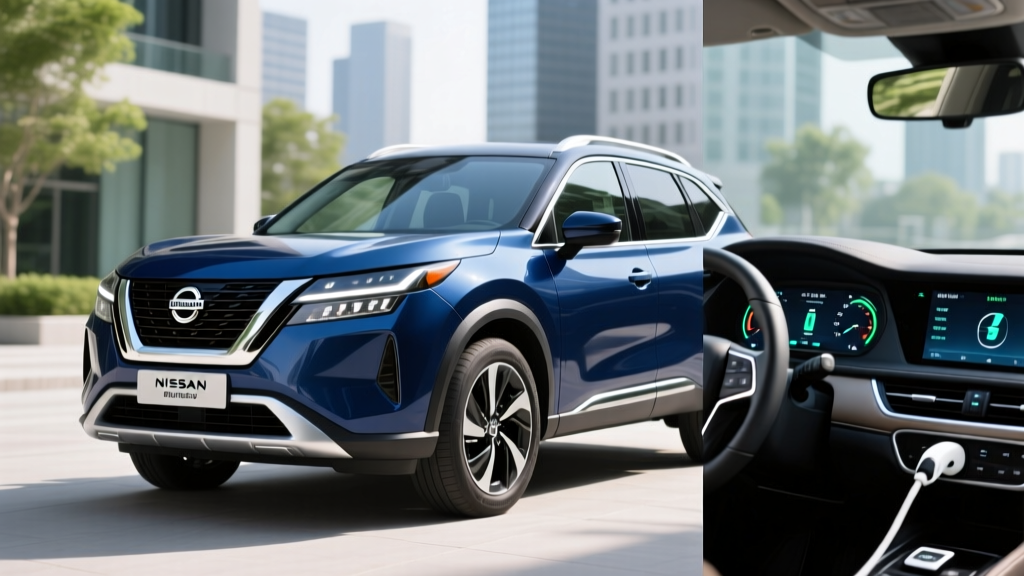
If you have been searching for a Nissan plug-in hybrid, you likely already know that Nissan's electrification strategy has zigzagged over the past few years. The brand leaned hard into pure EVs with the Leaf and Ariya, while its e-POWER series hybrid system (a gasoline engine that acts only as a generator, never driving the wheels directly) handles non-plug-in duty in markets like Japan and Europe. In the United States, however, buyers still want a plug-in hybrid that can commute on electricity alone and fall back to gasoline for road trips. The 2026 Nissan Rogue PHEV fills that slot — though availability, pricing, and powertrain details require careful parsing before you sign any paperwork.
This guide breaks down exactly what Nissan offers in the plug-in hybrid space for the 2026 model year, how it compares to conventional hybrids and full EVs, and whether the math works for your commute.
HEV vs PHEV vs EV: Where Does a Nissan Plug-In Hybrid Fit?
Before diving into specs, let's clear up the terminology that trips up many shoppers:
Conventional Hybrid (HEV)
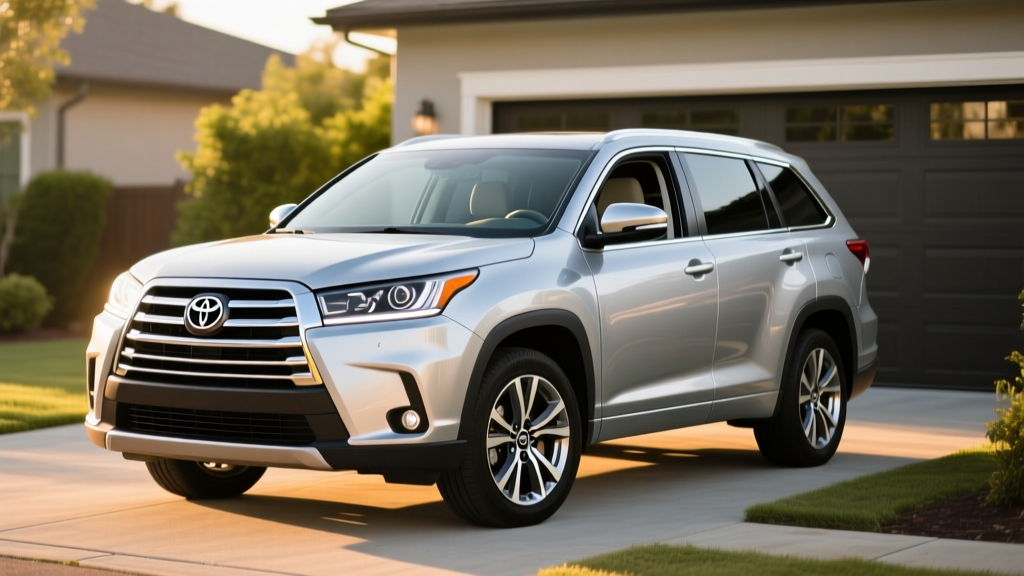
A small battery (typically 1–2 kWh) recharges via regenerative braking and the gasoline engine. You never plug it in. The electric motor assists the engine to improve fuel economy, especially in city driving. Example: Toyota RAV4 Hybrid.
Plug-In Hybrid (PHEV)
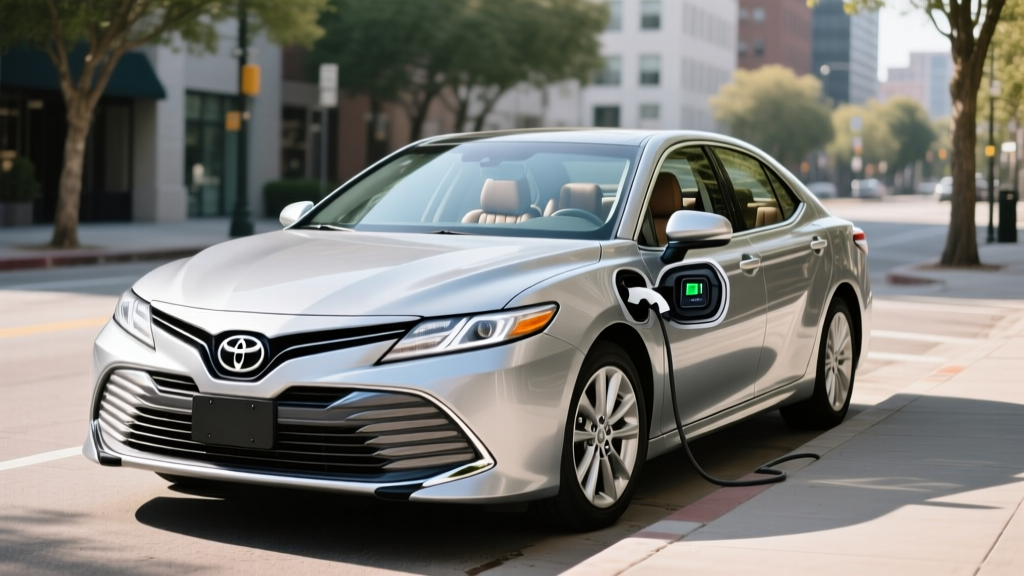
A larger battery (typically 12–20+ kWh) that you can charge from a wall outlet or charging station. It provides 20–40+ miles of electric-only driving before the gasoline engine takes over. Once the battery depletes, it operates like a conventional hybrid. Example: Nissan Rogue PHEV, Toyota RAV4 Prime.
Battery Electric Vehicle (BEV)
No gasoline engine at all. A large battery (60–100+ kWh) provides 200–400+ miles of range. Requires regular charging. Example: Nissan Ariya, Tesla Model Y.
The Nissan plug-in hybrid sits in the middle: it rewards you with electric commuting if you can charge at home, but eliminates range anxiety for longer trips because the gasoline engine kicks in seamlessly.
2026 Nissan Rogue PHEV: Powertrain and Performance Specs
The Rogue PHEV pairs a turbocharged 1.5-liter three-cylinder variable-compression engine with front and rear electric motors and a larger lithium-ion battery pack than the standard hybrid. Here is how the powertrain breaks down:
| Specification | Detail |
|---|---|
| Engine | 1.5L VC-Turbo 3-cylinder (variable compression) |
| Combined System Horsepower | ~221 hp (estimated) |
| Electric Motors | Dual (front + rear), enabling e-AWD |
| Battery Capacity (Usable) | ~18.1 kWh lithium-ion |
| Electric-Only Range (EPA Est.) | ~35 miles |
| Total Combined Range | ~430 miles (electric + gasoline) |
| Drivetrain | e-AWD (electric all-wheel drive) |
| 0–60 mph | ~7.0 seconds (est.) |
| DC Fast Charging | No — AC charging only (Level 1/Level 2) |
| Level 2 Charge Time (0–100%) | ~4.5 hours at 3.6 kW |
| Level 1 Charge Time (120V) | ~14–16 hours |
A few notes on these numbers: the Rogue PHEV does not support DC fast charging. This is common among PHEVs — the battery is small enough that a Level 2 home charger replenishes it overnight, and the added cost and weight of DC fast-charge hardware are hard to justify. If you need rapid roadside charging, a full EV is the better choice.
The variable-compression turbo engine is Nissan's signature technology, adjusting its compression ratio on the fly to prioritize either power or efficiency. In practice, this means the engine can operate at high compression for fuel economy during cruising and low compression for punchy acceleration when you need it.
Fuel Economy: EPA MPG and Real-World Expectations
Fuel economy is the headline number for any hybrid buyer. Here is what the EPA estimates for the 2026 Rogue PHEV, along with the conventional Rogue Hybrid for comparison:
| Model | City MPG | Highway MPG | Combined MPG | Combined MPGe (Electric Mode) |
|---|---|---|---|---|
| Rogue PHEV (charge-depleting, electric) | — | — | — | ~95 MPGe |
| Rogue PHEV (charge-sustaining, hybrid mode) | ~36 | ~34 | ~35 | |
| Rogue Hybrid (conventional HEV) | ~37 | ~35 | ~36 |
Sources: fueleconomy.gov, Nissan USA specifications.
Real-World MPG vs. EPA Sticker
Hybrids and PHEVs tend to exceed their EPA city estimates in real-world stop-and-go driving, because regenerative braking recovers energy that a gas-only car wastes as heat. Expect the Rogue PHEV in hybrid mode to deliver 37–40 MPG in city commuting. Highway driving at 75+ mph will drop efficiency closer to 30–32 MPG, since aerodynamic drag dominates and regenerative braking has less opportunity to recapture energy.
If your daily commute falls within the ~35-mile electric-only range and you charge nightly, your gasoline consumption could drop to near zero for weekday driving. A 20-mile round-trip commute, charged every night, means the engine might not start for weeks at a time. Nissan's system will periodically start the engine to maintain lubrication and prevent fuel degradation, but your fill-ups become monthly rather than weekly events.
The EPA-estimated ~35 miles of electric-only range assumes moderate temperatures and mixed driving. In cold weather (below 40°F), expect a 15–25% reduction, bringing real-world electric range to roughly 26–30 miles. Highway-speed electric-only driving also reduces range due to higher energy consumption at speed. If your commute is 30 miles one-way on the interstate in January, plan for the engine to engage before you arrive.
Pricing, Trims, and Federal Tax Credit Eligibility
The 2026 Nissan Rogue PHEV is expected to be offered in SV and SL trims, with pricing starting in the mid-$30,000 range. Here is the projected MSRP breakdown:
| Trim | Estimated MSRP | Key Features |
|---|---|---|
| Rogue PHEV SV | ~$36,500 | 18" wheels, ProPILOT Assist, 8" touchscreen, heated front seats |
| Rogue PHEV SL | ~$40,500 | Leather, panoramic moonroof, 12.3" display, Bose audio, 360° camera |
Does the Nissan Rogue PHEV Qualify for the Federal Tax Credit?
This is where PHEV buyers need to pay close attention. Under IRS §30D rules (current for 2026), a plug-in hybrid can qualify for a federal tax credit — but the amount depends on battery capacity, critical-mineral sourcing, and battery-component manufacturing requirements. The credit can be up to $7,500, split into two halves:
- $3,750 if the battery meets critical-minerals sourcing requirements
- $3,750 if the battery meets component-manufacturing requirements
- MSRP cap: SUVs/vans/pickups must have an MSRP at or below $80,000 (Rogue PHEV clears this easily)
- Income cap: Modified AGI must not exceed $150,000 (single), $225,000 (head of household), or $300,000 (joint)
- Point-of-sale transfer: Eligible buyers can transfer the credit to the dealer for an upfront price reduction
Source: IRS.gov — Clean Vehicle Credits. Rules are subject to change; consult a tax professional before relying on credit eligibility.
The Rogue PHEV's ~18.1 kWh battery is large enough to qualify under the minimum capacity threshold (at least 7 kWh). However, whether Nissan's battery supply chain satisfies the critical-minerals and component-manufacturing rules determines whether you receive $3,750, $7,500, or nothing. Always verify current eligibility on the IRS website or with your tax advisor before purchasing.
Charging at Home: What You Need for the Rogue PHEV
One of the practical advantages of a PHEV over a full EV is that home charging infrastructure is simpler and cheaper. You are charging a ~18.1 kWh battery, not an 80+ kWh pack.
| Charging Level | Power (kW) | Time to Full (0–100%) | Cost Estimate |
|---|---|---|---|
| Level 1 (120V household outlet) | ~1.4 kW | ~14–16 hours | $0 (use existing outlet) |
| Level 2 (240V, home charger) | ~3.6 kW | ~4.5 hours | $500–$1,500 (equipment + install) |
For most PHEV owners, a Level 2 home charger is the sweet spot. Plug in when you get home, and the battery is full by morning — well within the 4.5-hour window. You do not need a 48-amp hardwired charger for a PHEV; a 16-amp or 24-amp Level 2 unit (like the ChargePoint Home Flex or Emporia Vue) is more than adequate and may not even require a panel upgrade.
Level 1 charging from a standard 120V outlet is technically feasible but slow. If you drive 35 miles daily and plug in for 12 hours overnight, you will recover roughly 16–18 miles of range — not enough to fully replenish the battery. For daily electric commuting, Level 2 is strongly recommended.
Battery Longevity, Warranty, and Replacement Cost
Battery anxiety is the top concern for hybrid and PHEV buyers. Here is what Nissan covers:
8 years / 100,000 miles (whichever comes first) against defects and excessive capacity loss. Nissan defines excessive loss as the battery dropping below approximately 60–70% of original capacity, though exact thresholds vary by model year. The hybrid system components (inverter, electric motors) carry the same 8-year/100,000-mile coverage.
How Long Will the Battery Actually Last?
PHEV batteries are smaller and cycle less deeply than full EV batteries, which works in their favor for longevity. The Rogue PHEV's ~18.1 kWh pack cycles once daily (full charge to depletion) for a 35-mile commute, which is well within the design life of modern lithium-ion cells. Data from earlier Nissan PHEV owners (including the outgoing Outlander PHEV, which shares Mitsubishi-Nissan Alliance engineering) suggests 8–12% capacity loss over 8 years / 100,000 miles under normal use.
If the battery does require replacement outside of warranty, expect a cost in the $4,000–$7,000 range (parts and labor). This is significantly less than a full EV battery replacement ($10,000–$20,000+) because the PHEV battery is much smaller. However, the vast majority of PHEV batteries outlast their warranty periods without requiring replacement.
Is the Nissan Rogue PHEV Reliable?
Nissan's conventional Rogue has earned mixed reliability scores from outlets like Consumer Reports and J.D. Power in recent years, with the CVT transmission being a historical pain point. The PHEV variant, however, uses a different drivetrain architecture — the electric motors handle low-speed propulsion and the engine engages through a different mechanism, reducing stress on traditional transmission components. Nissan's ProPILOT Assist driver-assistance system (SAE Level 2) is well-regarded for highway cruising but requires the driver to remain engaged at all times.
Who Should Buy the Nissan Plug-In Hybrid — and Who Shouldn't?
Choose the Rogue PHEV If:
- Your daily commute is under 35 miles round-trip and you can charge at home
- You want electric commuting without range anxiety on road trips
- You live in a cold climate where EV range loss is a concern
- You want AWD capability with electric-assisted traction
- You are not ready to commit to full EV charging infrastructure
Skip the Rogue PHEV If:
- You cannot install a Level 2 charger at home (the PHEV advantage disappears without regular charging)
- Your commute exceeds 50+ miles daily (you will rarely use electric mode)
- You want the lowest possible operating cost — a full EV charged on off-peak electricity is cheaper per mile
- You want DC fast charging for road-trip flexibility
- You prefer a proven long-term reliability track record — the Rogue PHEV is relatively new to the US market
The Decision Framework
Buy the Nissan Rogue PHEV if your commute is ≤35 miles, you have home charging access, and you regularly take road trips where charging infrastructure is sparse. It is the bridge vehicle for households transitioning from gas to electric.
Buy a conventional hybrid (HEV) if you cannot charge at home, you want maximum simplicity, and your priority is fuel economy without behavioral changes. The standard Rogue Hybrid delivers ~36 MPG combined with zero plug-in hassle.
Buy a full EV (like the Nissan Ariya) if you have reliable home charging, your daily driving is under 250 miles, and you want the lowest per-mile fuel cost and minimal maintenance. The Ariya offers up to 304 miles of EPA range and DC fast charging up to 130 kW.
Frequently Asked Questions
How many MPG does the Nissan Rogue PHEV get?
In hybrid mode (after the battery is depleted), the 2026 Rogue PHEV is estimated at approximately 35 MPG combined (36 city / 34 highway). In electric-only mode, it achieves roughly 95 MPGe. Real-world city driving often exceeds the EPA city estimate due to regenerative braking efficiency.
How far can the Nissan Rogue PHEV go on electric only?
The EPA-estimated electric-only range is approximately 35 miles. In cold weather or at sustained highway speeds, expect 26–30 miles of real-world electric range. After the battery depletes, the gasoline engine engages and the vehicle operates as a conventional hybrid with a total range of roughly 430 miles.
Does the Nissan Rogue PHEV qualify for a tax credit?
It may qualify for up to $7,500 under the IRS §30D federal clean vehicle credit, depending on battery-component sourcing and your income level. The Rogue PHEV's MSRP falls well below the $80,000 SUV cap. However, critical-mineral and battery-manufacturing requirements may reduce or eliminate the credit. Always verify current eligibility at IRS.gov before purchasing.
Is the Nissan Rogue PHEV reliable?
The PHEV powertrain uses a different drivetrain than the conventional Rogue's CVT, which historically drew reliability complaints. Nissan's PHEV system (shared with Mitsubishi Alliance engineering) has a growing track record. The battery and hybrid components carry an 8-year/100,000-mile warranty. Long-term data is still accumulating for the US-market Rogue PHEV specifically.
What does it cost to replace the Rogue PHEV battery?
Out-of-warranty battery replacement is estimated at $4,000–$7,000 including labor. However, PHEV batteries typically retain 88–92% capacity after 8 years / 100,000 miles, and most owners never need a replacement. The warranty covers defects and excessive capacity loss for the full 8-year period.
Can I charge the Rogue PHEV at a public DC fast charger?
No. The Rogue PHEV supports only AC charging — Level 1 (120V) and Level 2 (240V). This is standard for most plug-in hybrids, as the battery is small enough to recharge fully overnight on Level 2. DC fast charging is a feature found on full EVs like the Nissan Ariya.
Hybrid vs PHEV vs EV — which one fits me?
If you have home charging and a short commute, the PHEV gives you electric daily driving with gas-powered road-trip freedom. If you cannot charge at home, a conventional hybrid (HEV) is simpler and still very efficient. If you have home charging, drive under 250 miles daily, and want the lowest operating cost, a full EV eliminates gasoline entirely.