Quick Verdict: The Aviator Grand Touring PHEV Explained
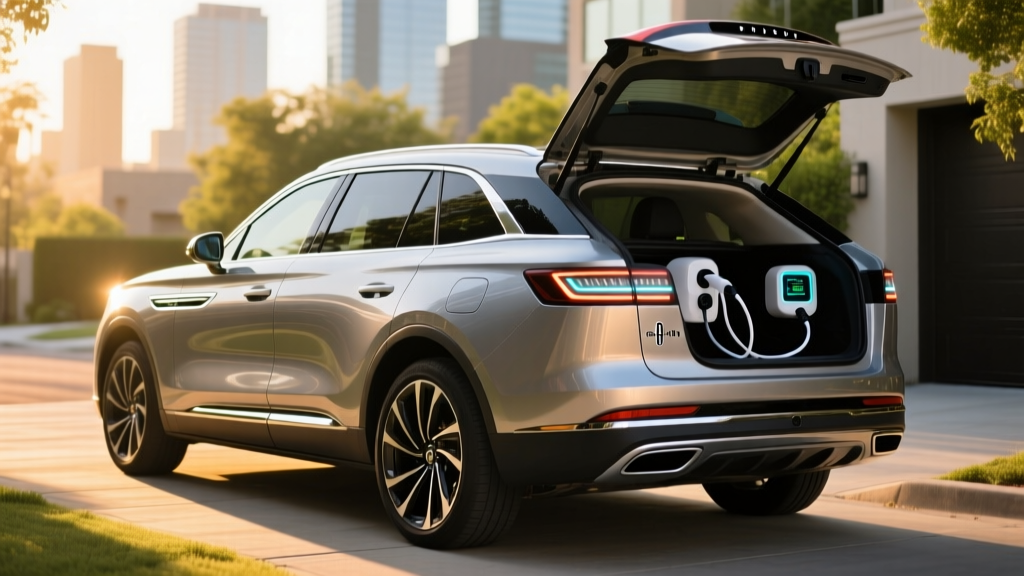
The 2026 Lincoln Aviator Grand Touring is the plug-in hybrid variant of Lincoln's three-row midsize luxury SUV. It pairs a twin-turbo V6 with an electric motor for a combined 480 horsepower and 600 lb-ft of torque, while offering an EPA-estimated 21 miles of electric-only range. For luxury buyers who want daily electric commuting with the freedom of a gas engine for road trips, the Aviator PHEV occupies a specific niche—but its weight, limited EV range, and premium pricing mean it isn't for everyone.
| Spec | 2026 Aviator Grand Touring (PHEV) |
|---|---|
| Powertrain | 3.0L Twin-Turbo V6 + Electric Motor |
| Combined HP / Torque | 480 hp / 600 lb-ft |
| Battery (usable) | ~13.6 kWh usable of 15.9 kWh gross (NMC lithium-ion) |
| EV-Only Range (EPA) | 21 miles |
| Total Range (EV + Gas) | ~420 miles |
| EPA MPGe (EV mode) | 56 MPGe combined |
| EPA MPG (gas-only, combined) | 23 MPG combined |
| Level 2 Charge Time (0–100%) | ~3.5–4 hours (7.2 kW onboard charger) |
| DC Fast Charging | Not supported |
| 0–60 mph | ~5.5 seconds |
| Towing Capacity | 5,600 lbs (with Class IV tow package) |
| Base MSRP (Black Label) | $71,995 (Grand Touring Black Label) |
| Federal §30D Tax Credit | Not eligible (does not meet battery sourcing requirements) |
| Battery Warranty | 8 years / 100,000 miles |
HEV vs. PHEV: What's the Difference for the Aviator?
Lincoln only sells the Aviator in two powertrain configurations: the standard twin-turbo V6 (which Lincoln markets as the "Aviator" with no hybrid badge—it's a pure gas vehicle, not a conventional HEV) and the Grand Touring plug-in hybrid. There is no conventional hybrid (HEV) Aviator, which is important because buyers sometimes confuse PHEV with HEV.
| Feature | Standard Aviator (Gas) | Aviator Grand Touring (PHEV) | Conventional HEV (e.g., Toyota Highlander Hybrid) |
|---|---|---|---|
| Plug-in charging? | No | Yes — Level 1 & Level 2 | No |
| Electric-only range | 0 miles | 21 miles (EPA) | 0–1 mile (low speed only) |
| Battery size | N/A | 15.9 kWh gross | ~1.6 kWh |
| Combined MPG | 21 MPG | 23 MPG (gas) / 56 MPGe (EV) | 35–36 MPG |
| Federal tax credit | No | Not currently eligible | No |
A plug-in hybrid (PHEV) has a larger battery that you charge via a wall outlet or Level 2 station, giving meaningful electric-only driving before the gas engine takes over. A conventional hybrid (HEV) uses a small battery charged only by regenerative braking and the engine—it never plugs in. The Aviator Grand Touring is firmly a PHEV. If you want HEV-style efficiency without plugging in, you'll need to look at competitors like the Toyota Highlander Hybrid.
Fuel Economy: EPA Numbers vs. Real-World MPG
| Mode | EPA City | EPA Highway | EPA Combined |
|---|---|---|---|
| Charge-Sustaining (Gas Only) | 22 MPG | 25 MPG | 23 MPG |
| Blended (EV + Gas, MPGe) | — | — | 56 MPGe |
| Electric-Only (kWh/100mi) | ~36 kWh/100 mi | ||
According to fueleconomy.gov, the Aviator Grand Touring achieves 23 MPG combined when operating purely on gasoline (charge-sustaining mode). In blended mode with a full charge, it posts 56 MPGe.
Real-World MPG: What to Actually Expect
The 23 MPG gas-only figure is honest for mixed driving. Here's how real-world conditions shift it:
- City driving with nightly charging: If your commute is under 21 miles round-trip and you charge daily, you may burn almost zero gasoline for weeks. Effective MPG approaches infinity for short commutes.
- Highway road trips (no charging): Expect 22–24 MPG at 70 mph. The Aviator's 5,600+ lb curb weight and aerodynamic profile limit highway efficiency.
- Cold weather (below 30°F): Gas-only MPG drops to roughly 19–20 MPG combined. Electric range also shrinks by 20–30%, giving you closer to 15–17 EV miles.
- Towing: Expect 12–15 MPG on gas when towing near the 5,600-lb limit. EV mode is impractical when towing heavy loads.
The PHEV advantage is real but commute-dependent. If you regularly drive 60+ miles without charging, the Aviator Grand Touring's efficiency advantage over the standard Aviator (21 MPG combined) narrows to just 2 MPG. You're paying a significant premium for electric capability you may not use.
Electric-Only Range and Charging Details
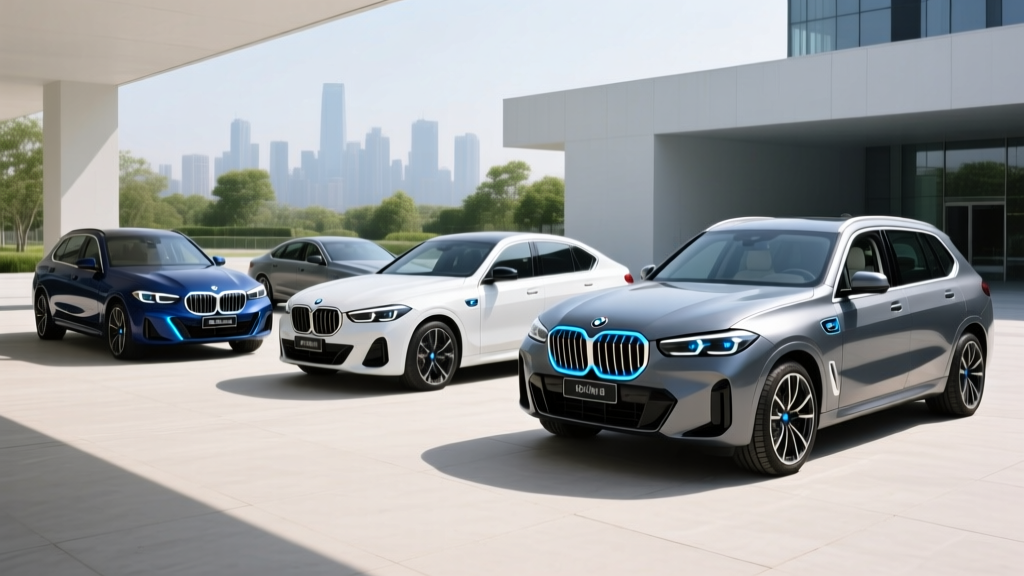
The Aviator Grand Touring's EPA-estimated 21 miles of electric-only range is enough for short commutes, school runs, and grocery trips—but it's not class-leading. The BMW X5 xDrive50e offers 38–40 EV miles; the Jeep Grand Cherokee 4xe delivers 25 miles.
EPA estimate: 21 miles
Warm weather, city driving: 19–22 miles
Highway at 65–70 mph: 15–17 miles
Cold weather (20°F): 14–17 miles
With HVAC maxed out: subtract 2–3 miles
Battery and Charging Specs
The Aviator PHEV uses a 15.9 kWh gross lithium-ion battery pack (NMC chemistry), with approximately 13.6 kWh usable. The battery is mounted under the rear cargo floor, which slightly reduces cargo volume compared to the gas-only Aviator.
| Charging Level | Power | Time (0–100%) | Notes |
|---|---|---|---|
| Level 1 (120V household) | ~1.4 kW | ~10–12 hours | Overnight top-up only |
| Level 2 (240V, 32A) | ~7.2 kW | ~3.5–4 hours | Recommended for daily use |
| DC Fast Charging | N/A | N/A | Not supported on Aviator PHEV |
The Aviator Grand Touring does not support DC fast charging. This is typical for PHEVs in this class—the battery is small enough that Level 2 covers overnight needs. However, if you rely on public charging and don't have Level 2 at home, a full charge on a 120V outlet takes all night.
Home Charging Setup
For daily PHEV use, a Level 2 home charger is strongly recommended. A basic 240V / 32A circuit with a J1772 connector (the Aviator uses the standard J1772 plug, not NACS) will fully recharge the battery in under 4 hours. Most PHEV owners charge overnight and wake up to a full EV range every morning.
Powertrain Performance and Driving Impressions
The Grand Touring powertrain combines a 3.0-liter twin-turbocharged V6 (producing roughly 350 hp on its own) with an electric motor integrated into the 10-speed automatic transmission. Combined output is 480 horsepower and 600 lb-ft of torque—making this the most powerful Aviator variant and one of the quickest SUVs in its class.
Acceleration is immediate and authoritative. The electric motor fills in torque before the turbos spool, eliminating the lag you feel in the standard Aviator. The 0–60 mph time of approximately 5.5 seconds is brisk for a three-row luxury SUV weighing over 5,600 lbs.
Driving modes include Pure EV (electric-only up to ~80 mph), Preserve EV (saves battery for later use), and Normal (blended operation). The regenerative braking is moderate—Lincoln does not offer true one-pedal driving, which is a missed opportunity for PHEV efficiency.
Pricing, Trims, and Tax Credit Eligibility
The 2026 Aviator Grand Touring is offered exclusively in the Black Label trim, which includes Lincoln's premium concierge service, premium leather, and a comprehensive feature list. Pricing:
| Trim | MSRP (2026) | Notes |
|---|---|---|
| Grand Touring Black Label | $71,995 | Only PHEV trim available |
| With destination charge | $73,590 | $1,595 destination |
Federal §30D Tax Credit: Does the Aviator PHEV Qualify?
As of 2026, the Lincoln Aviator Grand Touring does not qualify for the federal §30D clean vehicle tax credit (up to $7,500). The reason: the battery pack does not meet the critical-mineral and battery-component sourcing requirements that took effect under the Inflation Reduction Act. According to IRS guidelines, PHEVs must meet progressive thresholds for domestically sourced or FTA-partner-sourced critical minerals and battery components to qualify.
- Battery component sourcing threshold (must be manufactured or assembled in North America)
- Critical minerals sourcing threshold (must be extracted/processed in US or FTA partner country)
- MSRP cap: PHEVs must be under $80,000 — Aviator qualifies ✓
- Buyer income cap: $150K single / $300K joint — buyer-dependent
- Minimum battery capacity: 7 kWh — Aviator qualifies ✓
Always verify current eligibility on the fueleconomy.gov tax credit page before purchasing, as sourcing rules tighten annually and manufacturer eligibility can change.
State and Local Incentives
Some states offer separate PHEV rebates or HOV lane access. California's Clean Vehicle Rebate Project (CVRP) and New York's Drive Clean Rebate have historically included PHEVs, but amounts and eligibility vary by model year and income. Check your state energy office for current programs.
Battery Reliability, Warranty, and Replacement Cost
Coverage: 8 years / 100,000 miles (whichever comes first)
Capacity retention threshold: Battery warranted against defects and abnormal degradation below ~70% of original capacity
Powertrain warranty: 6 years / 70,000 miles
Black Label coverage: 4 years / 50,000 miles bumper-to-bumper + 6 years / 70,000 miles powertrain
How Reliable Is the Aviator PHEV Battery?
The Aviator Grand Touring uses an NMC (nickel-manganese-cobalt) lithium-ion pack, which is standard for PHEVs prioritizing energy density. NMC batteries typically experience 10–15% capacity loss over 8–10 years with normal use. For a 21-mile EV range, a 15% degradation means you'd still see roughly 18 miles of electric driving after a decade.
Lincoln's parent company Ford has extensive PHEV experience (the Escape PHEV has been on sale since 2020 with generally positive battery longevity data). However, the Aviator's heavier platform and higher performance demands may accelerate wear compared to smaller PHEVs.
Battery Replacement Cost
If the high-voltage battery requires replacement outside of warranty, expect a cost of $8,000–$14,000 including parts and labor for a Lincoln/Ford dealer replacement. This is a significant expense, though PHEV batteries rarely fail catastrophically—degradation is gradual. Third-party refurbishment options may reduce cost to $5,000–$8,000 as the vehicle ages.
General Reliability
The Aviator platform (shared with the Ford Explorer) has average reliability ratings. The PHEV system adds complexity (electric motor, inverter, charging system, larger battery) but Ford/Lincoln's PHEV components have been relatively trouble-free in the Escape PHEV. The 10-speed automatic transmission, shared across the lineup, has had some historical complaints in non-hybrid applications.
Who Should Buy the Aviator PHEV — and Who Shouldn't
- 480 hp / 600 lb-ft — quickest in its class
- 21 miles EV range covers most short commutes
- Three-row seating with premium luxury appointments
- Black Label concierge service included
- No range anxiety — gas backup for road trips
- 5,600-lb towing capacity (rare for PHEVs)
- $72K+ price tag for a single trim level
- No federal tax credit eligibility
- EV range (21 mi) trails BMW X5 PHEV (38 mi)
- Heavy — 5,600+ lbs hurts highway MPG
- No DC fast charging
- Cargo space reduced vs. gas-only Aviator
- 23 MPG gas-only is only 2 MPG better than standard Aviator
- Your daily commute is under 20 miles round-trip and you can charge at home
- You want a luxury three-row SUV with serious passing power
- You tow occasionally and can't go full EV
- You value Black Label service and don't mind the $72K entry price
- You have home charging and rarely tow over 5,000 lbs
- You want lower running costs and access to federal tax credits
- Your daily driving exceeds 21 miles and you want to avoid gas entirely
- You can't charge at home (apartment, no garage outlet)
- Your commute is 40+ miles — the PHEV advantage disappears
- You want to save $15,000+ vs. the Grand Touring Black Label
- You want 35+ MPG combined without ever plugging in
- You want lower cost and proven long-term reliability
- Luxury badge and 480 hp aren't priorities
Frequently Asked Questions
How many MPG does the Lincoln Aviator plug-in hybrid get?
The Aviator Grand Touring PHEV achieves an EPA-estimated 23 MPG combined (22 city / 25 highway) when running on gasoline alone. In blended electric-plus-gas mode, it posts 56 MPGe combined. Real-world gas-only MPG is typically 22–24 on the highway and 19–21 in cold weather.
How far can the Aviator PHEV go on electric only?
The EPA estimates 21 miles of electric-only range. In warm city driving, expect 19–22 miles. Highway driving at 70 mph drops this to 15–17 miles, and cold weather (below 30°F) reduces it further to approximately 14–17 miles.
Does the Aviator plug-in hybrid qualify for a tax credit?
No. As of 2026, the Lincoln Aviator Grand Touring does not qualify for the federal §30D clean vehicle tax credit (up to $7,500) because its battery does not meet the required critical-mineral and component-sourcing thresholds. Some state-level incentives may still apply—check your local programs.
Is the Aviator PHEV reliable, and what does a battery replacement cost?
The PHEV powertrain has been generally reliable based on Ford/Lincoln's PHEV track record. The high-voltage battery is warranted for 8 years / 100,000 miles against defects and abnormal degradation. Out-of-warranty replacement costs range from $8,000 to $14,000 at a dealer.
Can I DC fast charge the Aviator Grand Touring?
No. The Aviator PHEV supports Level 1 (120V) and Level 2 (240V) charging only, using a standard J1772 connector. A full Level 2 charge takes approximately 3.5–4 hours. DC fast charging is not available, which is typical for PHEVs with small battery packs.
Hybrid vs. PHEV vs. EV — which should I choose?
A conventional hybrid (HEV) never plugs in and offers 35–40 MPG—ideal if you lack home charging. A plug-in hybrid (PHEV) like the Aviator gives 15–40 EV miles plus a gas engine—best for short commutes with home charging and occasional long trips. A full EV offers 250–400 miles of range with the lowest running costs but requires reliable charging access and involves range planning for road trips.
How does the Aviator PHEV compare to the BMW X5 xDrive50e?
The BMW X5 xDrive50e offers nearly double the EV range (38–40 miles vs. 21 miles), a lower starting price (~$67,000), and similar power (483 hp). The Aviator counters with standard Black Label luxury, three rows (the X5's third row is tiny), and higher towing capacity. If EV range is your priority, the X5 wins. If three-row luxury and towing matter more, the Aviator has the edge.