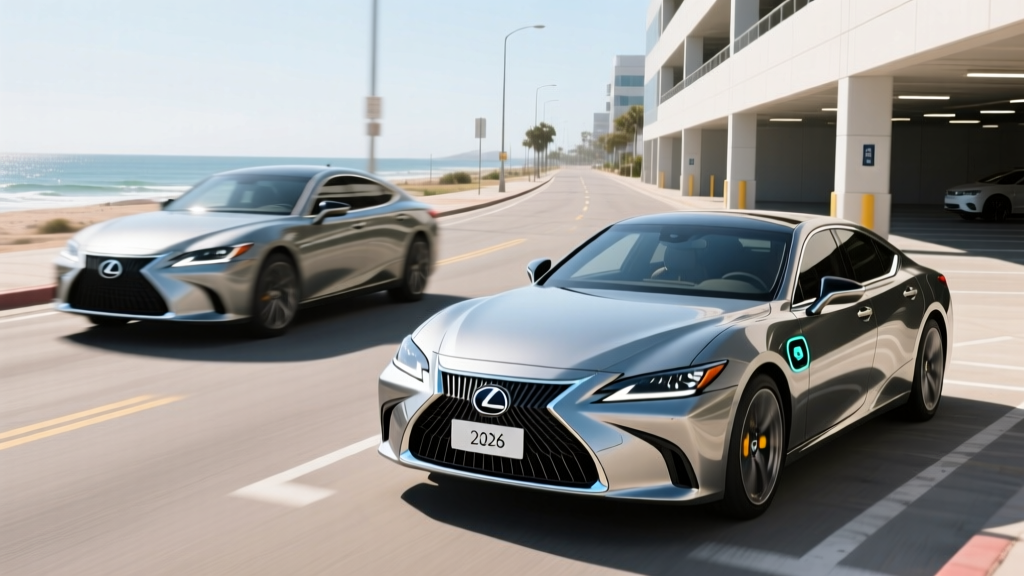
Lexus has built its reputation on refined luxury paired with hybrid efficiency, and the 2026 lineup continues that tradition across sedans, SUVs, and crossovers. But with multiple hybrid powertrains — conventional hybrids (HEVs) and plug-in hybrids (PHEVs) — buyers need clarity on what each model actually delivers at the pump. This guide breaks down Lexus hybrid fuel consumption model by model, with exact EPA figures, real-world expectations, and the ownership data that matters.
HEV vs PHEV: What Lexus Offers in 2026
Before diving into specific models, it's critical to understand the two types of Lexus hybrids available:
- Conventional Hybrid (HEV): Uses a small battery charged by the engine and regenerative braking. No plug required. The electric motor assists the gas engine and enables short low-speed EV driving, but the vehicle runs primarily on gasoline. Think of it as a more efficient gas car.
- Plug-in Hybrid (PHEV): Carries a larger battery (typically 18+ kWh) that you charge by plugging in. Delivers meaningful electric-only range (30-40+ miles) before the gas engine engages. Functions as an EV for daily commutes and a hybrid for longer trips.
Lexus currently sells one PHEV in the U.S. — the NX 450h+ — while the rest of the hybrid lineup consists of conventional HEVs. Neither type requires DC fast charging infrastructure, and HEVs require zero behavioral change from a standard gas car.
2026 Lexus Hybrid MPG: Complete Model Breakdown
The following table compiles EPA-rated fuel economy for every current Lexus hybrid model. Note that Lexus hybrids — like all Toyota-group hybrids — often exceed their EPA city ratings in real-world stop-and-go driving thanks to aggressive regenerative braking and electric-only low-speed operation.
| Model | Powertrain | City MPG | Highway MPG | Combined MPG | Combined HP |
|---|---|---|---|---|---|
| NX 350h | 2.5L I4 HEV | 41 | 37 | 39 | 240 |
| NX 450h+ (PHEV) | 2.5L I4 PHEV | 37 (gas) / 84 MPGe | 34 (gas) | 36 (gas) / 84 MPGe | 304 |
| RX 350h | 2.5L I4 HEV | 37 | 34 | 36 | 250 |
| RX 500h | 2.4L Turbo HEV | 27 | 28 | 27 | 366 |
| TX 500h | 2.4L Turbo HEV | 27 | 28 | 27 | 366 |
| ES 300h | 2.5L I4 HEV | 43 | 44 | 44 | 215 |
| UX 300h | 2.0L I4 HEV | 43 | 41 | 42 | 196 |
| LC 500h | 3.5L V6 HEV | 26 | 33 | 29 | 354 |
| LS 500h | 3.5L V6 HEV | 25 | 33 | 28 | 354 |
Source: EPA Fuel Economy — verify specific trim and drivetrain (AWD vs FWD affects MPG by 1-3 mpg on some models).
Real-World Lexus Hybrid Fuel Consumption vs. EPA Stickers
EPA ratings are tested under controlled conditions, and real-world Lexus hybrid fuel consumption varies based on driving style, climate, and route profile. Here's what owners and testers consistently observe:
Where Lexus Hybrids Beat EPA Estimates
The ES 300h and UX 300h frequently return 45-48 mpg in city driving. Their hybrid systems spend significant time in EV mode at low speeds, and regenerative braking recaptures energy that gas-only cars waste as heat. Urban commuters with stop-and-go routes often see 3-5 mpg above the EPA city figure.
Where Hybrids Fall Short of Stickers
Sustained highway driving at 75-80 mph reduces the hybrid advantage. The RX 350h, rated at 34 mpg highway, may deliver 30-32 mpg on flat interstate runs at higher speeds. The performance-oriented RX 500h and TX 500h, which use turbocharged engines and prioritize power over efficiency, typically match or slightly undershoot their EPA ratings in mixed real-world use.
Cold Weather Impact
Expect a 10-15% fuel economy reduction in freezing temperatures. The engine runs more frequently to provide cabin heat (Lexus HEVs lack heat pumps, which are reserved for full EVs), and the battery's charge/discharge efficiency drops in cold. A 44 mpg ES 300h may average 37-39 mpg in sustained sub-30°F winter driving.
NX 450h+ Plug-in Hybrid: Electric Range and Charging
The NX 450h+ is the sole PHEV in the 2026 Lexus lineup and warrants separate analysis because its fuel consumption depends entirely on charging habits.
| Specification | Detail |
|---|---|
| Battery Capacity | 18.1 kWh (usable ~15 kWh) |
| EPA Electric-Only Range | 37 miles |
| Total Combined Range | ~520 miles (electric + gas) |
| MPGe (Electric Mode) | 84 MPGe combined |
| MPG (Gas-Only After Depletion) | 36 combined |
| Combined Horsepower | 304 hp |
| Level 2 Charging Time (240V) | ~3 hours (0-100%) |
| DC Fast Charging | Not available |
| Charging Port | J1772 (Level 2 AC only) |
The 37-mile electric range covers most daily commutes. If you charge nightly at home, you may use zero gasoline for weeks. On a 300-mile road trip with no charging stops, the NX 450h+ operates as a conventional hybrid at 36 mpg combined — respectable for a 304-hp luxury crossover.
Critically, the NX 450h+ does not support DC fast charging. This is typical for PHEVs: the small battery makes DCFC impractical, and Level 2 charging at home or work fully replenishes the pack in about three hours. There is no scenario where a PHEV buyer needs public fast-charging infrastructure.
Battery Warranty, Reliability, and Replacement Costs
Lexus Hybrid Battery Coverage
All 2026 Lexus hybrids carry a 10-year / 150,000-mile hybrid battery warranty (whichever comes first). This covers capacity loss and cell failure. In states following California Air Resources Board (CARB) rules, coverage extends to 15 years / 150,000 miles for emissions-related hybrid components.
Long-Term Reliability Data
Lexus hybrid powertrains share architecture with Toyota, whose hybrid systems have accumulated over two decades of field data. The nickel-metal hydride (NiMH) packs in earlier models and the lithium-ion packs in current models show minimal degradation in normal use. Consumer Reports consistently ranks Lexus among the top brands for predicted reliability, and hybrid-specific failures are rare before 200,000 miles.
Battery Replacement Cost
Out-of-warranty hybrid battery replacement for a Lexus HEV typically ranges from $3,000 to $5,500 depending on the model, including labor. The NX 450h+ PHEV battery, being larger and lithium-ion, would cost significantly more — estimated at $8,000 to $12,000 — though failures within the warranty period are covered. Independent hybrid shops often offer refurbished pack replacements at 30-40% below dealer pricing.
Do Hybrid Batteries Need Replacement?
Most Lexus hybrid owners never replace the traction battery. Data from high-mileage taxis and fleet vehicles shows Toyota/Lexus hybrid packs lasting 200,000-300,000+ miles with gradual capacity loss rather than sudden failure. The 10-year/150,000-mile warranty provides substantial coverage for the minority that do experience premature issues.
Pricing and Tax Credit Eligibility
Lexus hybrid pricing varies significantly across the lineup. Here are base MSRPs for 2026 models:
- UX 300h: ~$38,000
- NX 350h: ~$42,000
- NX 450h+ (PHEV): ~$60,000
- ES 300h: ~$45,000
- RX 350h: ~$52,000
- RX 500h: ~$62,000
- TX 500h: ~$68,000
- LC 500h: ~$103,000
- LS 500h: ~$115,000
Federal Tax Credits for Lexus Hybrids
Under current IRS §30D Clean Vehicle Credit rules:
- Conventional HEVs (NX 350h, RX 350h, ES 300h, etc.): Do NOT qualify for any federal tax credit. The §30D credit requires a minimum battery capacity of 7 kWh and plug-in capability — conventional hybrids have neither.
- NX 450h+ PHEV: May qualify for up to $3,750–$7,500 depending on battery component sourcing and critical mineral requirements. However, eligibility is subject to MSRP caps ($80,000 for SUVs), buyer income limits ($150K single / $300K joint), and North American assembly rules. The NX 450h+ is assembled in Japan, which currently disqualifies it from the new-vehicle §30D credit under the domestic assembly requirement. Always verify current eligibility with a tax professional and the IRS portal before purchasing.
Some states offer separate incentives for PHEVs (California, Colorado, and others), which may still apply regardless of federal eligibility. Check your state's energy office for current programs.
Who Should Buy a Lexus Hybrid vs. a Full EV or Gas Car
Choose a Lexus HEV If:
- You want 35-44 mpg without changing any habits — no plugs, no range planning
- You lack access to home or workplace charging
- You take frequent long road trips and don't want to plan around charging stations
- You value Lexus reliability and resale value with proven hybrid tech
- Your budget is under $55,000 and you want maximum efficiency per dollar
Choose the NX 450h+ PHEV If:
- You can charge at home (Level 2 / 240V outlet) and your commute is under 37 miles
- You want electric daily driving with gas-engine flexibility for road trips
- You want 304 hp and AWD alongside electric efficiency
- You live in a state with PHEV purchase incentives
Choose a Full BEV Instead If:
- You have reliable home Level 2 charging and your daily driving is under 250 miles
- You want zero tailpipe emissions and minimal maintenance (no oil changes, fewer moving parts)
- You qualify for the full $7,500 federal credit on a BEV like the Tesla Model Y or Hyundai Ioniq 5
- You want to eliminate gasoline spending entirely
Frequently Asked Questions
How many MPG does the most efficient Lexus hybrid get?
The 2026 Lexus ES 300h leads the lineup at 44 mpg combined (43 city / 44 highway). The UX 300h follows closely at 42 mpg combined. In real-world city driving, owners report 45-48 mpg from both models thanks to frequent electric-only operation at low speeds.
How far can the Lexus NX 450h+ go on electric only?
The EPA rates the NX 450h+ at 37 miles of electric-only range. Real-world range varies: gentle city driving in mild weather may yield 40+ miles, while cold weather or aggressive acceleration may reduce this to 28-32 miles. Once depleted, the gas engine engages seamlessly and the vehicle operates as a 36-mpg hybrid.
Do Lexus hybrids need to be plugged in?
No — with one exception. All Lexus HEVs (NX 350h, RX 350h, ES 300h, UX 300h, TX 500h, RX 500h, LC 500h, LS 500h) charge their batteries through regenerative braking and the gas engine. You never plug them in. The NX 450h+ PHEV does require plugging in to access its 37-mile electric range, but it will still function as a hybrid if you don't charge it.
Is a Lexus hybrid reliable long-term?
Lexus hybrid powertrains are among the most reliable in the industry. The hybrid system adds an electric motor and battery but eliminates the traditional starter, alternator, and in many cases the conventional transmission — reducing failure points. The 10-year/150,000-mile hybrid battery warranty provides long-term peace of mind, and real-world data shows most packs lasting well beyond 200,000 miles.
Does any Lexus hybrid qualify for a federal tax credit?
Conventional Lexus HEVs do not qualify for the federal §30D Clean Vehicle Credit. The NX 450h+ PHEV may qualify in theory, but its Japan assembly currently disqualifies it under the North American final-assembly requirement. State-level incentives for PHEVs may still apply. Always verify current rules at IRS.gov and consult a tax professional.
What is the Lexus hybrid battery replacement cost?
Out-of-warranty replacement for a Lexus HEV battery typically costs $3,000–$5,500 at a dealer. The NX 450h+ PHEV battery would cost an estimated $8,000–$12,000. However, most Lexus hybrid batteries last 200,000+ miles, and the 10-year/150,000-mile warranty covers premature failures. Refurbished replacements from independent hybrid specialists can reduce costs by 30-40%.
How does Lexus hybrid fuel consumption compare to non-hybrid luxury SUVs?
The RX 350h at 36 mpg combined uses roughly 40% less fuel than comparable non-hybrid luxury midsize SUVs, which typically achieve 21-24 mpg combined. Over 15,000 annual miles at $3.50/gallon, that's approximately $900–$1,100 in annual fuel savings versus a gas-only competitor.