Introduction to Hybrid and PHEV Battery Longevity
When purchasing a hybrid electric vehicle (HEV) or a plug-in hybrid electric vehicle (PHEV), the battery pack is often the most scrutinized component. Unlike the gasoline engine, which can be maintained with routine oil changes and spark plug replacements, the high-voltage battery is a sealed, complex chemical system. Many buyers fear the dreaded out-of-warranty battery replacement, which can cost thousands of dollars. However, with the right knowledge and proactive habits, you can significantly mitigate battery degradation and extend its usable lifespan well beyond the factory warranty period.
This comprehensive how-to guide will break down the science of battery degradation, compare different hybrid chemistries, and provide you with five actionable, step-by-step instructions to maximize your hybrid battery's lifespan.
Understanding Hybrid vs. PHEV Battery Chemistries
Before diving into maintenance, it is crucial to understand what is under the floorboards of your vehicle. Modern hybrids and PHEVs primarily use two types of battery chemistries:
Nickel-Metal Hydride (NiMH)
NiMH batteries were the gold standard for early hybrids, most notably the Toyota Prius. They are incredibly robust, highly tolerant of temperature fluctuations, and less prone to thermal runaway. However, they are heavier, less energy-dense, and suffer from a 'memory effect' if not managed properly by the vehicle's battery management system (BMS).
Lithium-Ion (Li-ion)
Li-ion batteries are the standard for almost all modern PHEVs and newer HEVs (like the current RAV4 Hybrid or Honda Accord Hybrid). They offer superior energy density, faster charging capabilities, and lighter weight. According to the U.S. Department of Energy's Fuel Economy Guide, Li-ion packs are heavily reliant on sophisticated thermal management systems to prevent degradation, making them slightly more sensitive to extreme environmental conditions than their NiMH predecessors.
The Science of Battery Degradation: Why Capacity Fades
Battery degradation in hybrids occurs via two primary mechanisms: calendar aging and cycle aging. Calendar aging happens simply as time passes, driven by internal chemical reactions that degrade the electrolyte and electrodes. Cycle aging occurs due to the physical stress of charging and discharging.
Furthermore, high temperatures accelerate the growth of the Solid Electrolyte Interphase (SEI) layer on the anode, which permanently traps lithium ions and reduces overall capacity. Conversely, charging a Li-ion battery in sub-freezing temperatures can cause lithium plating, leading to internal short circuits. To combat this, manufacturers use 'buffering'—a 1.3 kWh battery might only allow the user to access 0.9 kWh, keeping the battery away from the damaging 0% and 100% extremes.
How-To: 5 Actionable Steps to Maximize Hybrid Battery Lifespan
1. Avoid Extreme State of Charge (SoC) Extremes in PHEVs
If you drive a standard HEV (like a Prius), the car's computer strictly manages the SoC, usually keeping it between 40% and 80%. You cannot manually override this. However, if you drive a PHEV (like a Toyota RAV4 Prime or Jeep Wrangler 4xe), you have more control. Action step: Avoid leaving your PHEV sitting at 100% charge for extended periods, especially in hot weather. If you know you won't be driving for a few days, use your vehicle's app or infotainment system to set the charge limit to 80%. Only charge to 100% immediately before a long road trip.
2. Master Thermal Management and Parking Habits
Heat is the number one enemy of Li-ion battery longevity. Action step: During the summer months, always park your hybrid in the shade or a garage whenever possible. If you must park in direct sunlight, use a reflective windshield sunshade to keep the cabin (and the battery cooling intake) cooler. In the winter, if you have a PHEV, plug the vehicle in while parked in a garage. This allows the vehicle to draw power from the grid to maintain the battery's optimal operating temperature rather than draining the battery to heat itself.
3. Utilize 'B' Mode on Long Downhills
Most hybrids feature a 'B' (Brake) mode on the gear selector. When driving down steep, prolonged mountain grades, regenerative braking can push the battery to its upper SoC limit. If the battery is full, the system cannot absorb more energy, forcing the friction brakes to do all the work, which can cause brake fade. Action step: Shift into 'B' mode when descending long hills. This engages the internal combustion engine to provide engine braking, preventing the battery from overcharging and generating excess heat from rapid, high-amperage regenerative charging.
4. Maintain the Battery Cooling System Intake
Many hybrids, particularly Toyota and Lexus models, cool the high-voltage battery by pulling air from the cabin. There is usually an intake vent located on the side of the rear seat or near the rear cargo area. Action step: Locate your battery cooling fan intake (consult your owner's manual) and clean it every 10,000 miles. If you frequently drive with pets or transport dusty cargo, hair and debris will clog the filter. A clogged filter restricts airflow, causing the battery to run hotter than intended, which rapidly accelerates chemical degradation.
5. Prevent Deep Discharge During Long-Term Storage
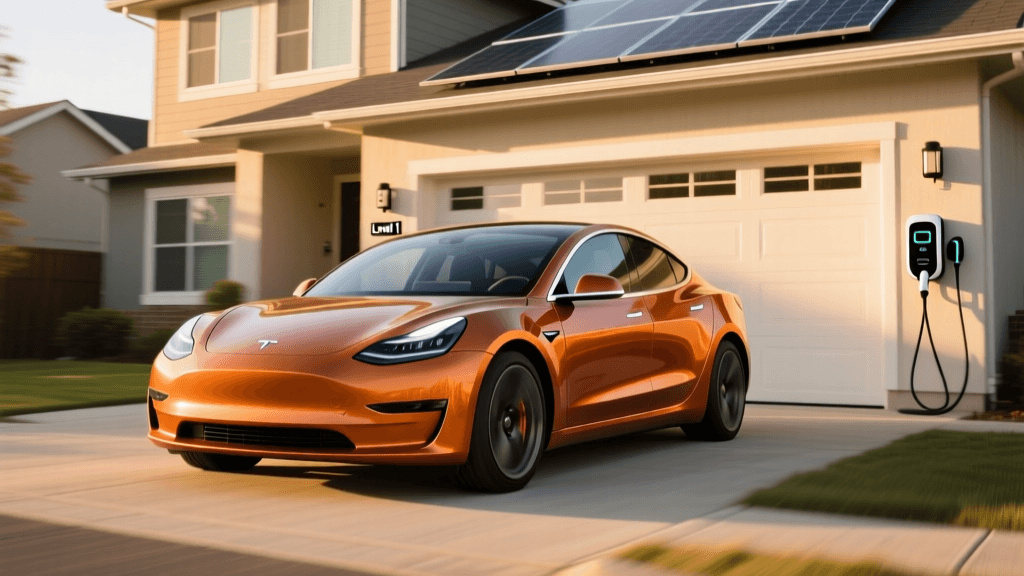
Hybrid systems have a parasitic drain from the vehicle's computers and alarms. If left sitting for months, the 12-volt battery will die, which can subsequently drain the high-voltage battery to a dangerously low state, potentially causing irreversible cell damage. Action step: If you are storing your hybrid or PHEV for more than 30 days, leave the high-voltage battery at roughly 50% to 60% SoC. For PHEVs, leave it plugged into a Level 1 or Level 2 charger with the vehicle's storage mode activated. For standard HEVs, have a trusted friend start the car and let it run in 'Ready' mode for 20 minutes every two weeks to allow the engine to top off the battery.
Monitoring Battery Health: Signs of Premature Degradation
You do not have to wait for a check engine light to know if your battery is degrading. By paying attention to your vehicle's behavior and utilizing basic diagnostic tools, you can spot issues early.
- The 'Recalibration' Dance: If you notice the battery gauge on your dashboard rapidly dropping and then suddenly jumping back up, or if the internal combustion engine turns on and off erratically at stoplights, the BMS is struggling to calculate the true capacity. This indicates cell imbalance.
- Poor Fuel Economy: A degraded battery cannot hold as much regenerative energy, forcing the gas engine to run more frequently. If your lifetime MPG drops by more than 10-15% without a change in driving habits, suspect battery degradation.
- Use an OBD2 Scanner: For the DIY enthusiast, purchase an OBD2 Bluetooth dongle (like OBDLink MX+) and download a specialized app such as 'Dr. Prius' or 'Carista'. These apps can read the individual voltage blocks within your battery pack. If you see a variance of more than 0.20V between the highest and lowest blocks under load, your battery is experiencing severe cell imbalance and is nearing the end of its life.
Hybrid Battery Replacement Costs and Options
Despite your best efforts, all batteries eventually degrade. When replacement time comes, you have several options. The Environmental Protection Agency (EPA) notes that because these batteries are critical emissions components, they are heavily regulated, ensuring a robust aftermarket supply.
| Vehicle Type / Model | Chemistry | OEM Dealer Replacement | Refurbished / Aftermarket | Cell-Level Repair (DIY/Indie) |
|---|---|---|---|---|
| Toyota Prius (Gen 2/3) | NiMH | $2,500 - $3,500 | $1,200 - $1,800 | $400 - $800 |
| Toyota RAV4 Hybrid | Li-ion | $3,500 - $5,000 | $2,500 - $3,500 | N/A (Sealed Li-ion) |
| Honda Accord Hybrid | Li-ion | $4,000 - $6,000 | $2,800 - $4,000 | N/A (Sealed Li-ion) |
| Chrysler Pacifica PHEV | Li-ion | $7,000 - $9,500 | $4,500 - $6,000 | Module level only |
Note: Prices are estimates and vary by region and labor rates. Refurbished NiMH batteries are widely available and offer a great budget-friendly alternative for older vehicles.
Warranties and Consumer Protections
Before paying out of pocket, always verify your warranty status. The Department of Energy's Vehicle Technologies Office highlights that federal law mandates strict warranty minimums for hybrid and EV batteries to promote consumer confidence. By law, hybrid and PHEV batteries must be warranted for a minimum of 8 years or 100,000 miles. If you live in a state that adopts California Air Resources Board (CARB) emissions standards (such as New York, Massachusetts, or Washington), that mandatory warranty is often extended to 10 years or 150,000 miles for PHEVs and certain advanced HEVs. Always check your specific state's emissions warranty laws before authorizing a replacement.
Conclusion
Hybrid and PHEV battery degradation is an inevitable chemical reality, but it is not an unpredictable ticking time bomb. By understanding your battery's chemistry, managing thermal loads, keeping the cooling intakes clean, and avoiding extreme states of charge, you can easily push your hybrid battery well past the 150,000-mile mark. Treat your high-voltage battery with the same respect you give your engine, and it will reward you with years of reliable, ultra-efficient driving.