What a Hybrid Engine Actually Does
A hybrid engine pairs a gasoline internal-combustion engine with one or more electric motors and a small traction battery. The electric motor fills in torque gaps where gas engines are least efficient — off the line, during acceleration, and in stop-and-go traffic — while regenerative braking recovers energy that would otherwise be lost as heat. The result is dramatically better fuel economy, especially in city driving, without any change to how you refuel.
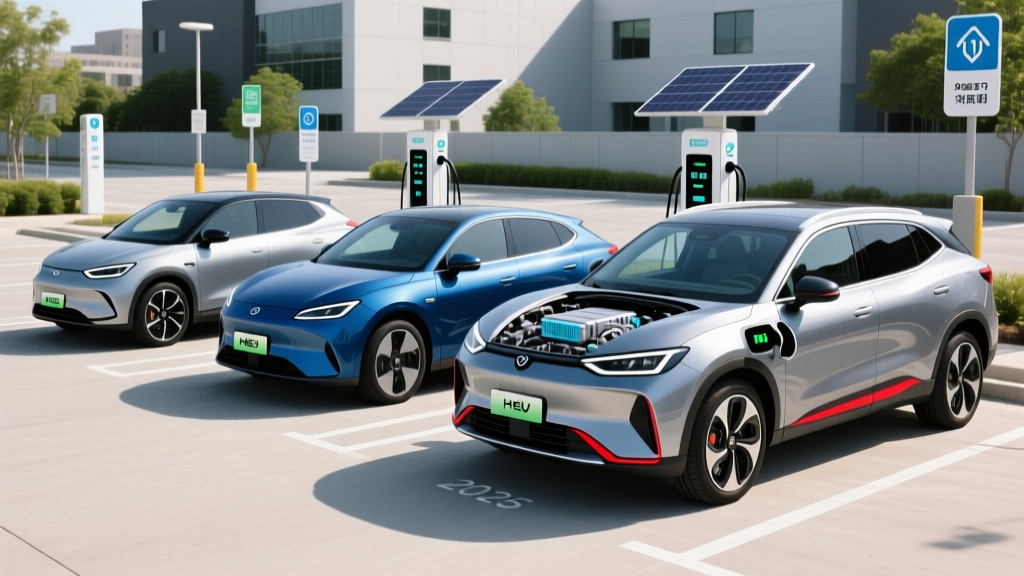
But the term "hybrid engine" now covers two very different architectures. Conventional hybrids (HEVs) generate all their electricity internally and never plug in. Plug-in hybrids (PHEVs) carry a larger battery you can charge from a wall outlet or public charger, giving you a window of pure electric driving before the gas engine takes over. Choosing between them — or between either and a full battery-electric vehicle (BEV) — comes down to your daily mileage, charging access, and budget.
HEV vs PHEV: The Two Hybrid Paths
Conventional Hybrid (HEV)
- Battery: 1.0–2.0 kWh (self-charging via regen and engine)
- Plug-in required: No
- Electric-only driving: Minimal (low-speed creep, <1 mile)
- Typical combined MPG: 40–57
- Federal tax credit: None (expired for new HEVs)
- Best for: Drivers without home charging who want maximum MPG with zero behavior change
Plug-in Hybrid (PHEV)
- Battery: 11–25 kWh (charges via plug + regen)
- Plug-in required: Optional but strongly recommended
- Electric-only range: 25–52 miles (EPA)
- Combined MPGe (electric mode): 80–115 MPGe
- Gas-only MPG after battery depletes: 30–48
- Federal tax credit: Up to $7,500 for eligible models (§30D, subject to MSRP/income/sourcing rules)
- Best for: Commuters with home Level 2 charging who want EV-like daily driving with gas backup for road trips
If you never plan to plug in, a PHEV becomes a heavier, less efficient HEV — you're carrying 300–500 lbs of battery you never use. If you can plug in at home, a PHEV effectively gives you a short-range EV for daily errands and a hybrid for longer trips.
Fuel Economy: Real MPG Numbers That Matter
The EPA tests hybrids on standardized city, highway, and combined cycles. But hybrids consistently overperform their EPA city estimates in real-world stop-and-go driving because regenerative braking captures far more energy than the test cycle assumes. Highway driving is the opposite — sustained high speeds reduce regen opportunities and increase aerodynamic drag, where the gas engine does all the work.
| Model | Type | City MPG | Highway MPG | Combined MPG | PHEV Elec. Range | MPGe (Elec.) |
|---|---|---|---|---|---|---|
| Toyota Prius | HEV | 57 | 56 | 57 | — | — |
| Toyota Prius Prime | PHEV | 52 (gas) | 48 (gas) | 52 | 44 mi | 127 MPGe |
| Honda Accord Hybrid | HEV | 51 | 44 | 48 | — | — |
| Toyota RAV4 Hybrid | HEV | 41 | 38 | 40 | — | — |
| Toyota RAV4 Prime | PHEV | 40 (gas) | 36 (gas) | 38 | 42 mi | 94 MPGe |
| Ford Escape PHEV | PHEV | 42 (gas) | 38 (gas) | 40 | 37 mi | 105 MPGe |
| Hyundai Tucson PHEV | PHEV | 35 (gas) | 35 (gas) | 35 | 33 mi | 80 MPGe |
| Chrysler Pacifica PHEV | PHEV | 30 (gas) | 31 (gas) | 30 | 32 mi | 82 MPGe |
Source: fueleconomy.gov, EPA 2026 estimates. Real-world highway MPG typically runs 3–6 MPG below EPA for HEVs. City MPG often exceeds EPA by 2–5 MPG in heavy traffic.
PHEV Electric-Only Range and Charging
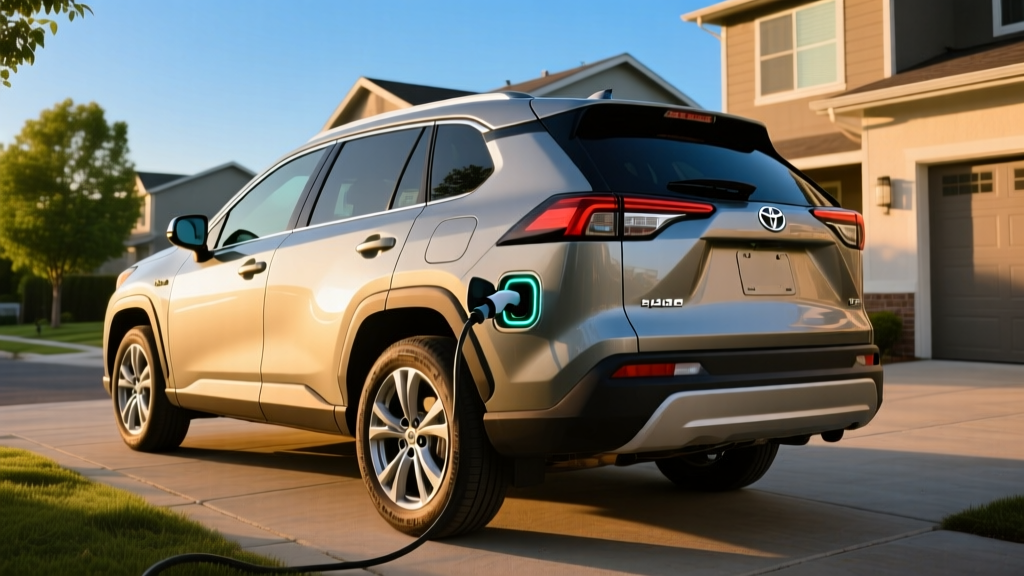
A PHEV's electric-only range is the single most important spec for daily usability. If your round-trip commute falls within that range and you charge at home, you may not burn a drop of gasoline on weekdays. The 2026 Toyota RAV4 Prime delivers 42 miles on electricity alone — enough for most suburban commutes. The Prius Prime stretches to 44 miles, the longest in its price class.
Charging a PHEV battery is straightforward but slow compared to a full EV:
- Level 1 (120V household outlet): 8–12 hours for a full charge. Adequate if you park overnight and drive under 35 miles daily.
- Level 2 (240V home or public): 2–4 hours for a full charge. The recommended setup for PHEV owners.
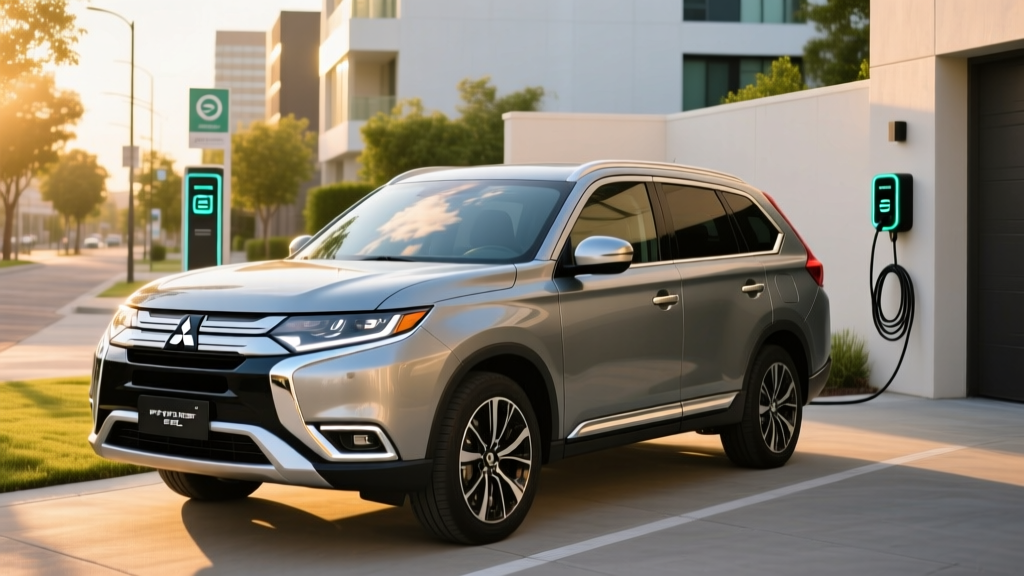
- DC fast charging: Most PHEVs do not support DC fast charging. The Mitsubishi Outlander PHEV is a rare exception, accepting up to 22 kW DC — still far slower than a BEV's 150–350 kW capability. PHEV batteries are simply too small to benefit from high-power DC infrastructure.
PHEV battery sizes range from 11 kWh (Ford Escape PHEV) to roughly 18–25 kWh (RAV4 Prime, Chrysler Pacifica PHEV). For context, a full EV like the Hyundai Ioniq 5 carries 84 kWh. The PHEV battery exists to cover your commute, not to road-trip on electrons.
Powertrain Specs: Where the Hybrid Engine Makes Its Power
Modern hybrid powertrains use an Atkinson-cycle gasoline engine (optimized for efficiency over peak power) paired with one or two electric motors through a planetary gearset or dedicated hybrid transmission. The combined system horsepower is what matters at the pedal.
| Model | Engine | Motor(s) | Combined HP | 0–60 mph | Drivetrain |
|---|---|---|---|---|---|
| Toyota Prius | 2.0L I4 | 2 (front) | 194 | 7.2 sec | FWD |
| Prius Prime | 2.0L I4 | 2 (front) | 220 | 6.6 sec | FWD |
| RAV4 Hybrid | 2.5L I4 | 3 (F+R) | 219 | 7.4 sec | AWD-e |
| RAV4 Prime | 2.5L I4 | 3 (F+R) | 302 | 5.7 sec | AWD-e |
| Honda Accord Hybrid | 2.0L I4 | 2 (front) | 204 | 7.0 sec | FWD |
| Ford Escape PHEV | 2.5L I4 | 1 (front) | 210 | 7.5 sec | FWD |
| Hyundai Tucson PHEV | 1.6L Turbo I4 | 1 (front) | 261 | 7.1 sec | AWD |
The RAV4 Prime's 302 combined horsepower is a standout — it's the quickest RAV4 Toyota sells, gas or electric. That's the hidden benefit of a hybrid engine: electric motors deliver instant torque that fills the low-RPM gap where gas engines are weakest.
Battery Longevity, Warranty, and Replacement Cost
Hybrid Battery Warranty — Federal Minimum
Federal law (EPA emissions warranty requirements) mandates that hybrid battery packs carry a minimum warranty of 8 years / 100,000 miles. In California Air Resources Board (CARB) states — which include CA, CO, CT, ME, MD, MA, NJ, NY, OR, RI, VT, and WA — the warranty extends to 10 years / 150,000 miles.
Toyota, Honda, Hyundai, and Ford all meet or exceed these minimums. Toyota's hybrid battery warranty for 2026 models is 10 years / 150,000 miles nationwide, one of the strongest in the segment.
Hybrid batteries degrade far less than most buyers fear. A Prius taxi fleet study by Toyota showed batteries retaining over 90% capacity at 200,000 miles. HEV batteries are small (1–2 kWh) and operate in a narrow state-of-charge window (roughly 40–80%), which is the least stressful operating zone for lithium-ion chemistry. PHEV batteries are larger but still smaller than BEV packs, and their management systems similarly buffer the top and bottom of the charge range.
If a hybrid battery does fail out of warranty, replacement costs in 2026 run:
- HEV battery (Prius, Accord Hybrid): $2,000–$4,000 installed
- PHEV battery (RAV4 Prime, Escape PHEV): $6,000–$10,000 installed
- Refurbished/remanufactured options: $1,000–$2,500 for common HEV models
For context, a BEV battery replacement runs $10,000–$22,000. Hybrid battery replacement is a manageable cost, and most packs outlast the vehicle's economic life.
Pricing and Federal Tax Credit Eligibility
Conventional hybrids carry a modest price premium over their gas-only siblings — typically $1,500–$3,000 — and receive no federal purchase incentive. The hybrid tax credit that once existed for early HEVs expired years ago.
PHEVs, however, may qualify for the IRS §30D Clean Vehicle Credit of up to $7,500, but eligibility is complex and model-specific. As of 2026, the key requirements include:
- MSRP caps: Vans, SUVs, and pickups ≤ $80,000; sedans and other vehicles ≤ $55,000
- Buyer income limits: Modified AGI ≤ $150,000 (single), $225,000 (head of household), $300,000 (joint)
- Battery sourcing: Critical minerals and battery components must meet phased-in domestic/FTEA sourcing thresholds that tighten annually
- Point-of-sale transfer: Eligible buyers can transfer the credit to the dealer for an immediate price reduction at purchase
Always verify current eligibility on irs.gov before purchasing, as battery-sourcing compliance can change mid-year when automakers shift suppliers.
| Model | Base MSRP | Federal Credit Eligibility | Est. After-Credit Price |
|---|---|---|---|
| Toyota Prius (HEV) | $29,445 | None | $29,445 |
| Toyota Prius Prime (PHEV) | $34,395 | Partial — verify sourcing | ~$26,895–$34,395 |
| Toyota RAV4 Hybrid (HEV) | $33,425 | None | $33,425 |
| Toyota RAV4 Prime (PHEV) | $44,915 | Partial — verify sourcing | ~$37,415–$44,915 |
| Ford Escape PHEV | $40,500 | Partial — verify sourcing | ~$33,000–$40,500 |
| Hyundai Tucson PHEV | $38,725 | Likely ineligible (sourcing) | $38,725 |
| Chrysler Pacifica PHEV | $51,095 | Likely ineligible (sourcing) | $51,095 |
Source: Manufacturer MSRP, IRS §30D guidance. Credit eligibility varies by model year, battery sourcing, and buyer income. Confirm at purchase.
Hybrid vs PHEV vs Full EV: Which Powertrain Fits You?
Choose a conventional hybrid (HEV) if:
- You cannot charge at home (apartment, street parking, no garage)
- You want maximum MPG with zero behavioral change
- Your budget is under $35,000
- You drive 10,000–15,000 miles/year and want the lowest fuel cost without plugging in
Choose a plug-in hybrid (PHEV) if:
- You have Level 2 charging at home or work
- Your daily round-trip commute is under 40 miles
- You regularly take road trips over 200 miles and don't want to plan around DC fast chargers
- You want EV-like daily driving but aren't ready to commit to a full BEV
Choose a full battery-electric vehicle (BEV) if:
- You have reliable home Level 2 charging
- Your daily driving is under 250 miles and you're comfortable with DC fast-charging on road trips
- You want the lowest per-mile energy cost (~$0.04–$0.06/mile on home electricity vs $0.10–$0.14/mile for a 40-MPG hybrid)
- You want to eliminate oil changes, spark plugs, and exhaust-system maintenance entirely
Reliability: What the Data Shows
Hybrid powertrains have a two-decade reliability track record dating to the 2001 Prius. Consumer Reports and J.D. Power data consistently rank Toyota and Lexus hybrids among the most reliable vehicles in any segment. The hybrid synergy drive system has fewer moving parts than a conventional automatic transmission — the planetary gearset has no clutches or bands to wear out.
The most common hybrid maintenance items are identical to gas cars: brake pads (which last longer thanks to regen doing much of the deceleration), tires, cabin air filters, and engine oil changes every 10,000 miles. The inverter coolant should be flushed per the manufacturer schedule (typically every 100,000 miles).
PHEV reliability is slightly more variable. The larger battery and more complex charge-management system introduce additional failure points, though no widespread systemic issues have emerged in the current generation. Ford's Escape PHEV had a battery recall in 2022 (replaced under warranty); the issue has been resolved in 2024+ models.
Frequently Asked Questions
How many MPG does a hybrid engine get in real-world driving?
EPA combined ratings for 2026 hybrids range from 30 MPG (minivan PHEVs in gas mode) to 57 MPG (Prius HEV). In real-world city driving with frequent stops, many HEVs exceed their EPA city estimate by 2–5 MPG because aggressive regenerative braking recovers more energy than the test cycle assumes. Highway driving typically drops 3–6 MPG below the EPA highway number due to sustained speeds eliminating regen opportunities.
How far can a PHEV go on electric power alone?
2026 PHEVs offer 25–52 miles of EPA-rated electric-only range, depending on battery size and vehicle weight. The Toyota Prius Prime leads at 44 miles; the RAV4 Prime delivers 42 miles. Cold weather (below 32°F) reduces electric range by 15–25% due to cabin heating demands and reduced battery efficiency. Highway-speed electric driving also reduces range compared to the EPA mixed cycle.
Do conventional hybrids need to be plugged in?
No. A conventional hybrid (HEV) charges its small battery entirely through regenerative braking and the gasoline engine. You fuel it exactly like a gas car. Only plug-in hybrids (PHEVs) benefit from being connected to an external power source, and even a PHEV will operate as a conventional hybrid if you never plug it in — just with worse fuel economy due to the extra battery weight.
Is a hybrid battery expensive to replace?
HEV battery replacement costs $2,000–$4,000 installed; PHEV batteries run $6,000–$10,000. However, hybrid batteries rarely fail prematurely. Toyota's 10-year/150,000-mile warranty (nationwide for 2026) covers defects and excessive capacity loss. Real-world fleet data shows most hybrid batteries retaining 85–90%+ capacity well past 200,000 miles. The battery is one of the least worrisome long-term costs on a hybrid.
Does a hybrid qualify for a federal tax credit?
Conventional hybrids (HEVs) do not qualify for any federal purchase tax credit. Plug-in hybrids (PHEVs) may qualify for the IRS §30D Clean Vehicle Credit of up to $7,500, but eligibility depends on the vehicle's MSRP (≤$55,000 sedans, ≤$80,000 SUVs/vans), your modified adjusted gross income, and battery-component/critical-mineral sourcing requirements that tighten annually. Check irs.gov for the current eligible-vehicle list before purchasing.
Should I buy a hybrid, PHEV, or full EV?
If you lack home charging, buy an HEV. If you have home charging and a sub-40-mile commute but take long road trips, a PHEV is the best bridge. If you have home charging, drive under 250 miles daily, and want the lowest operating cost and maintenance burden, a full BEV is the most economical long-term choice. The "right" answer depends entirely on your charging access and driving pattern — not on which technology is newest.
Hybrid Engine Pros
- 40–57 combined MPG with no plug-in required (HEV)
- Lower fuel cost: ~$1,400–$1,800/year at 15,000 miles vs $2,200+ for a 28-MPG gas car
- Proven 20+ year reliability track record
- Strong battery warranties (8–10 yr / 100,000–150,000 mi)
- No range anxiety — refuel at any gas station
- Regen braking extends brake pad life (often 80,000+ mi)
Hybrid Engine Cons
- Higher upfront cost vs gas-only equivalent ($1,500–$5,000 premium)
- No federal tax credit for conventional HEVs
- Highway MPG often lower than city MPG (opposite of gas cars)
- PHEVs require home charging to realize full value
- Two powertrains to maintain (engine + electric motor system)
- Some models have reduced cargo space due to battery placement