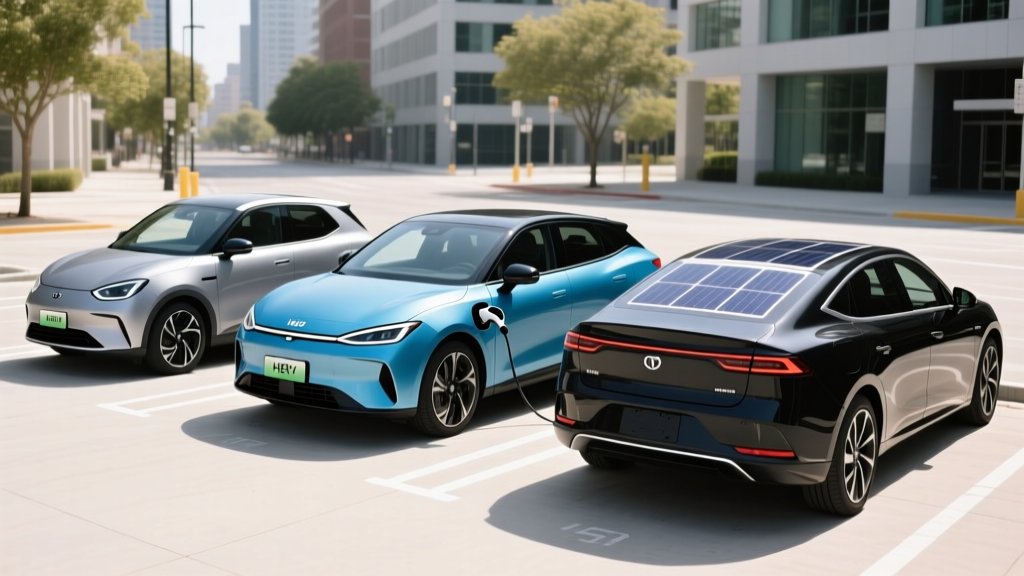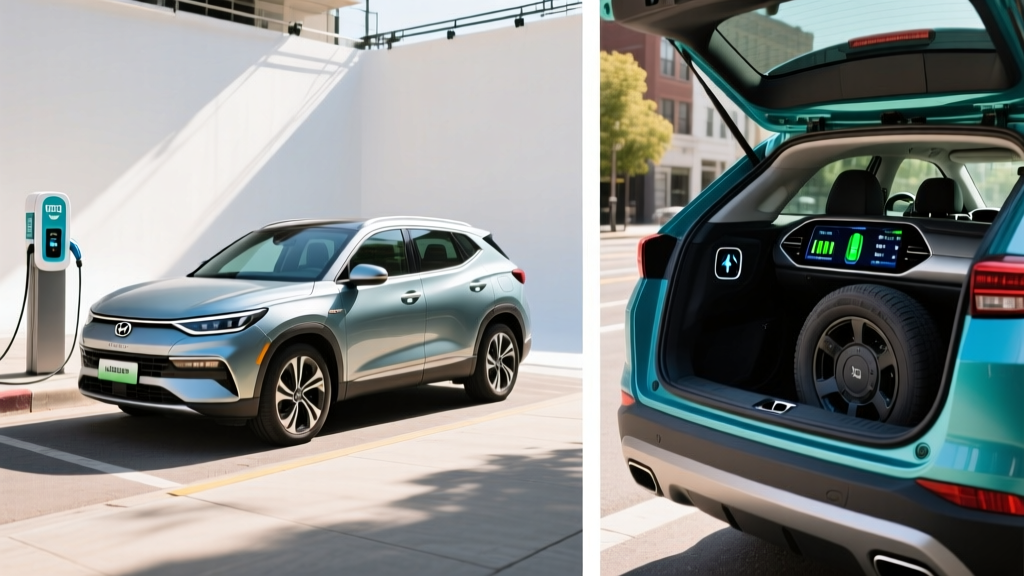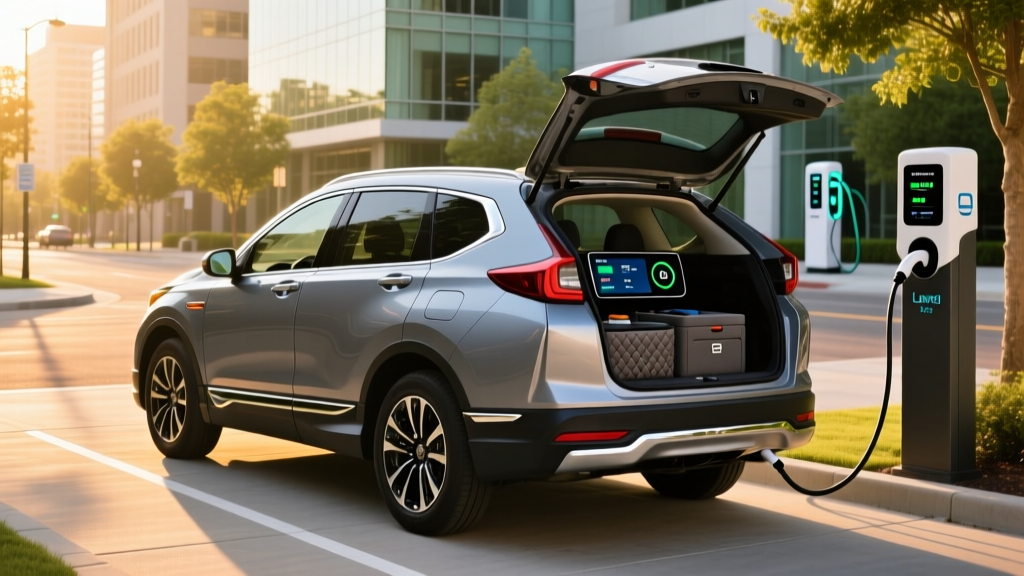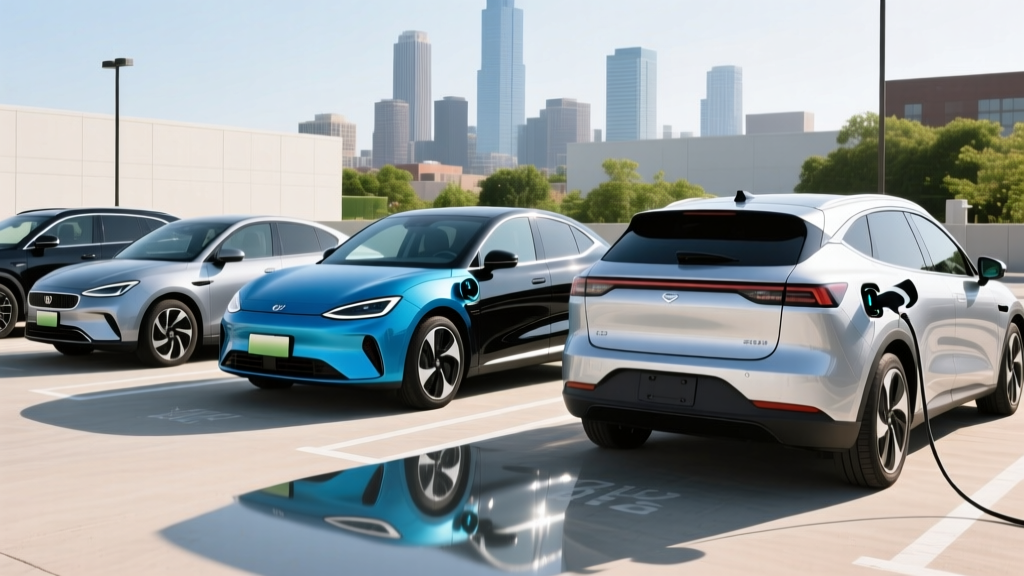
Back in 2019, the U.S. plug-in vehicle market was still finding its footing. EV Volumes USA plug-in sales for the first half of 2019 tracked roughly 148,000 combined battery-electric (BEV) and plug-in hybrid (PHEV) deliveries — a figure that, by today's standards, looks almost quaint. The Tesla Model 3 dominated BEV volumes, while the Toyota Prius Prime and Chrysler Pacifica Hybrid led the PHEV segment. Fast-forward to 2026, and the landscape has transformed: PHEVs now offer 40+ miles of electric-only range, BEVs routinely exceed 300 miles, and federal tax-credit rules under IRS §30D have been rewritten multiple times.
This guide revisits that pivotal 2019 data point and uses it as a lens to evaluate where plug-in hybrids stand today. If you're cross-shopping a PHEV against a full EV or conventional hybrid (HEV), the numbers below will help you decide which powertrain actually fits your daily driving.
Why 2019 Plug-In Sales Data Still Matters
In H1 2019, PHEVs represented roughly 25–30% of all U.S. plug-in sales. The top-selling PHEVs included:
- Toyota Prius Prime — ~9,000 units
- Chrysler Pacifica Hybrid — ~4,500 units
- Honda Clarity Plug-In Hybrid — ~2,800 units
- BMW 530e / 330e — combined ~2,000 units
BEVs, led by the Tesla Model 3 (~68,000 units in H1 2019), outpaced PHEVs by nearly 3:1. The takeaway then — and now — was clear: buyers who could charge at home gravitated toward full electric, while those without reliable home or workplace charging found PHEVs to be a practical bridge. That dynamic hasn't changed; the vehicles have simply gotten better.
HEV vs. PHEV vs. BEV: Which Powertrain Fits You?
| Attribute | Conventional Hybrid (HEV) | Plug-In Hybrid (PHEV) | Battery Electric (BEV) |
|---|---|---|---|
| Plug-in required? | No — regenerative braking charges a small battery | Yes — for electric-only miles; runs on gas if not charged | Yes — sole energy source |
| Electric-only range | 0 miles (motor assists engine) | 25–50 miles (2026 models) | 230–400+ miles |
| Battery size | 1.0–1.6 kWh | 13–20 kWh usable | 60–100+ kWh |
| Fuel economy (gas mode) | 45–57 MPG combined | 30–42 MPG combined | N/A (MPGe: 100–140) |
| Federal tax credit (§30D) | Not eligible | Up to $7,500 (if eligible) | Up to $7,500 (if eligible) |
| Best for | No charging access, high-mileage commuters | Home charging + regular road trips | Home charging + mostly <300-mi trips |
A conventional hybrid like the 2026 Toyota Prius never plugs in. Its 1.3-kWh lithium-ion battery charges exclusively through regenerative braking and engine overrun. A PHEV like the 2026 Toyota RAV4 Prime carries a much larger 18.1-kWh battery, gives you ~42 miles of electric-only driving, and then operates as a conventional hybrid once the battery depletes. A BEV like the Tesla Model Y has no engine at all — every mile is electric.
2026 PHEV Benchmark: Toyota RAV4 Prime Specs
To ground the discussion in current metal, here's the 2026 RAV4 Prime — the spiritual successor to the PHEVs that topped the 2019 sales charts.
| Specification | 2026 Toyota RAV4 Prime (XSE) |
|---|---|
| Powertrain | 2.5L 4-cyl + front/rear electric motors |
| Combined horsepower | 302 hp |
| 0–60 mph | 5.7 seconds |
| Battery (usable) | 18.1 kWh, lithium-ion (NMC chemistry) |
| EPA electric-only range | 42 miles |
| EPA combined range (electric + gas) | 600 miles |
| EPA MPG (gas-only hybrid mode) | 38 city / 39 hwy / 38 combined |
| MPGe (electric + gas combined) | 94 MPGe |
| Level 1 charging (120V, 12A) | ~12 hours (0–100%) |
| Level 2 charging (240V, 32A) | ~2.5 hours (0–100%) |
| DC fast charging | Not available |
| Base MSRP | $46,500 (SE) / $50,400 (XSE) |
| Battery warranty | 10 years / 150,000 miles |
2019's Top PHEVs vs. 2026 Successors: What Changed
| Model | H1 2019 Electric Range | 2026 Equivalent Electric Range | Key Change |
|---|---|---|---|
| Prius Prime (2019) | 25 miles | Prius PHEV (2026): ~44 miles | 76% more range, 220 hp |
| Pacifica Hybrid (2019) | 32 miles | Pacifica PHEV (2026): ~32 miles | Minimal change; aging platform |
| Honda Clarity PHEV (2019) | 47 miles | Discontinued (2022) | No direct successor yet |
| BMW 330e (2019) | 22 miles | BMW 330e (2026): ~22 miles | Incremental battery tweaks |
| — | — | Hyundai Tucson PHEV (2026): ~33 miles | New entrant since 2019 |
| — | — | Ford Escape PHEV (2026): ~37 miles | New entrant since 2019 |
The biggest shift since EV Volumes tracked those H1 2019 numbers: Toyota and Hyundai have dramatically expanded PHEV electric range, while some 2019 offerings (Clarity) were discontinued entirely. The Chrysler Pacifica Hybrid remains one of the only PHEV minivans available, though its 32-mile electric range hasn't grown in seven years.
Federal Tax Credit Eligibility for PHEVs in 2026
Under the current IRS §30D rules, qualifying new PHEVs can receive up to $7,500 in federal tax credits, with a point-of-sale transfer option. However, eligibility depends on several factors that changed significantly after 2019:
- Battery capacity: Must be ≥7 kWh (all current PHEVs qualify)
- MSRP cap: SUVs, vans, and pickups ≤ $80,000; sedans ≤ $55,000
- Buyer income cap: AGI ≤ $150,000 (single) / $300,000 (joint)
- Battery component sourcing: Increasing domestic-content and critical-mineral thresholds apply annually; some PHEVs may qualify for only $3,750 or $0 depending on supply-chain compliance
- Final assembly: Must occur in North America
- Foreign entity of concern (FEOC): Battery components from prohibited entities disqualify the vehicle
As of the 2026 model year, the RAV4 Prime qualifies for a partial credit (check fueleconomy.gov for the latest per-vehicle breakdown), while some domestic PHEVs like the Jeep Wrangler 4xe may qualify for the full $7,500 depending on build date and sourcing. Always verify on the IRS clean-vehicle credit page before purchasing, as the list updates frequently.
Real-World MPG and Range: EPA Sticker vs. Daily Driving
PHEVs present a unique measurement challenge because your actual fuel consumption depends entirely on how often you recharge. Here's what to expect from the RAV4 Prime in practice:
| Driving Scenario | Expected Result |
|---|---|
| Commute ≤ 30 miles, nightly charging | ~0 gallons/week — virtually all electric |
| Commute 50 miles, nightly charging | ~42 mi electric + 8 mi on gas (~0.2 gal/day) |
| Road trip, no charging | 38 MPG combined (gas-only hybrid mode) |
| Cold weather (below 30°F), electric-only | ~32–35 miles (20–25% range loss) |
| Highway 75 mph, gas-only | ~35 MPG (slightly below EPA due to speed) |
For conventional hybrids (HEVs), real-world results often exceed EPA city ratings because stop-and-go traffic maximizes regenerative braking. The 2026 Toyota Prius LE, rated at 57 city / 56 hwy / 57 combined, routinely delivers 60+ MPG in urban driving according to owner-reported data. Highway-only driving at 75+ mph will typically drop an HEV to 48–52 MPG.
Decision Framework: PHEV, HEV, or Full EV?
- You can install a Level 2 charger at home (240V, ~$500–$1,500 installed)
- Your daily driving is under 40 miles but you take 4+ road trips per year
- You want to avoid range anxiety on long trips without relying on public DC charging
- You live in a cold climate where BEV range loss is a concern
- You have no access to home or workplace charging
- You drive 40+ miles daily in mixed traffic and want maximum MPG with zero plug-in hassle
- Upfront cost is a priority (HEVs are $5,000–$10,000 cheaper than PHEVs)
- You have reliable Level 2 home charging
- Most trips are under 250 miles and you're comfortable planning DC fast-charge stops for road trips
- You want the lowest per-mile fuel cost (electricity at $0.13/kWh ≈ $0.04/mi vs. gas at $3.50/gal ≈ $0.12/mi for a 30 MPG car)
- You want minimal maintenance (no oil changes, no engine)
Reliability and Battery Replacement Costs
PHEV and HEV battery reliability has been thoroughly validated over two decades of Toyota Prius production. Key data points:
- Warranty: All major manufacturers cover hybrid/PHEV batteries for a minimum of 8 years / 100,000 miles (federal mandate for emissions-related components). Toyota, Hyundai, and Kia extend this to 10 years / 150,000 miles in many states.
- Failure rate: Consumer Reports and iSeeCars data indicate fewer than 5% of Prius hybrid batteries require replacement before 150,000 miles.
- Replacement cost: Conventional hybrid battery (Prius): $2,000–$4,000. PHEV battery (RAV4 Prime): $6,000–$9,000. These are out-of-warranty dealer prices; independent shops and refurbished units can reduce costs by 30–50%.
- Degradation pattern: PHEV batteries lose roughly 1–2% of capacity per year under normal use. A 5-year-old RAV4 Prime might show 38 miles of electric range instead of the original 42 — still highly usable.
- 40+ miles of zero-emission commuting
- No range anxiety — gas engine covers any distance
- Lower fuel costs when regularly charged
- Eligible for partial/full §30D tax credit
- Strong resale value (RAV4 Prime holds ~65% at 3 years)
- $5,000–$10,000 premium over equivalent HEV
- No DC fast charging on most models
- Two powertrains to maintain (engine + electric)
- Electric range drops 20–25% in freezing weather
- Heavier than HEV — slightly lower gas-only MPG
Frequently Asked Questions
How many MPG does a 2026 PHEV get?
In gas-only hybrid mode, expect 35–42 MPG combined depending on the model. The RAV4 Prime delivers 38 MPG combined; the Prius PHEV achieves around 48 MPG combined in hybrid mode. When the battery is charged, your effective MPGe can exceed 100 for short commutes.
How far can a 2026 PHEV go on electric only?
Current PHEVs offer 22–50 miles of electric-only range. The RAV4 Prime provides 42 miles, the Prius PHEV ~44 miles, the Hyundai Tucson PHEV ~33 miles, and the Ford Escape PHEV ~37 miles. Cold weather (below 30°F) reduces these figures by 20–25%.
Do conventional hybrids need to be plugged in?
No. A conventional HEV like the standard Toyota Prius or Honda Accord Hybrid charges its small battery entirely through regenerative braking and the gasoline engine. You simply fuel up at a gas station as normal.
Does a PHEV qualify for the $7,500 federal tax credit?
It depends on the specific model, your income, the vehicle MSRP, and battery-sourcing compliance under IRS §30D. Some PHEVs qualify for the full $7,500, some for $3,750, and some for nothing. Check the IRS clean vehicle credit page and fueleconomy.gov for the latest eligibility before purchasing.
Is a PHEV battery reliable and what does replacement cost?
PHEV batteries are well-proven. Most carry 8–10 year / 100,000–150,000 mile warranties. Real-world failure rates before 150,000 miles are under 5%. Out-of-warranty replacement runs $6,000–$9,000 for a RAV4 Prime-class battery at a dealer, less at independent hybrid specialists.
What happened to the PHEV market since H1 2019?
EV Volumes USA plug-in sales for the first half of 2019 showed ~148,000 total plug-in vehicles. By 2025, annual U.S. plug-in sales exceeded 1.5 million. PHEVs specifically grew from ~40,000 units in H1 2019 to an estimated 200,000+ annually by 2025, driven by models like the RAV4 Prime, Jeep Wrangler 4xe, and Hyundai Tucson PHEV that either didn't exist or were just launching in 2019.
Should I buy a PHEV or a full EV in 2026?
If you have Level 2 home charging and rarely drive more than 250 miles in a day, a BEV offers lower running costs and less maintenance. If you take frequent road trips, live in a rural area with sparse DC charging, or can't install a home charger, a PHEV gives you electric commuting without range limitations. The RAV4 Prime and Prius PHEV remain among the most practical PHEVs available.