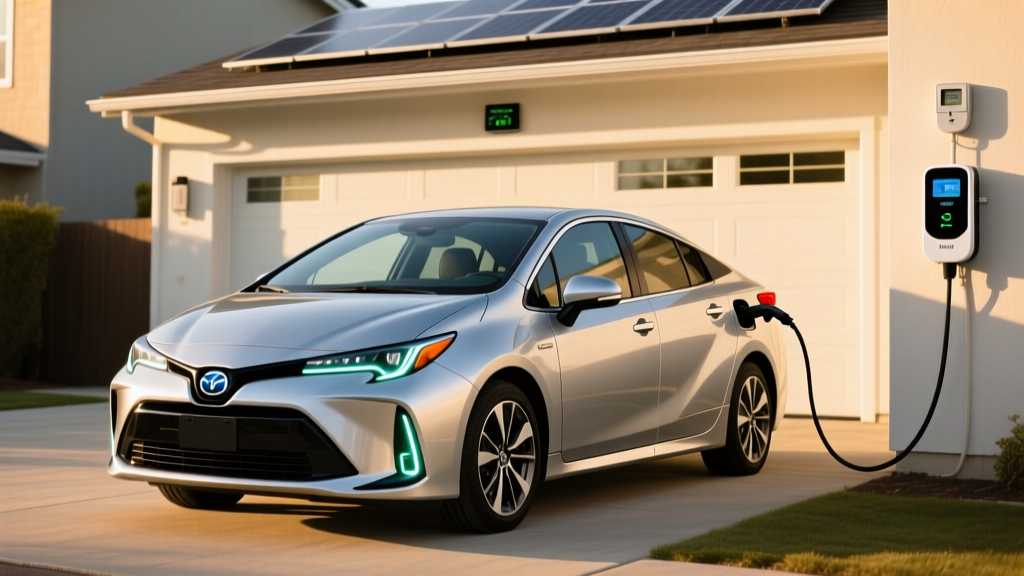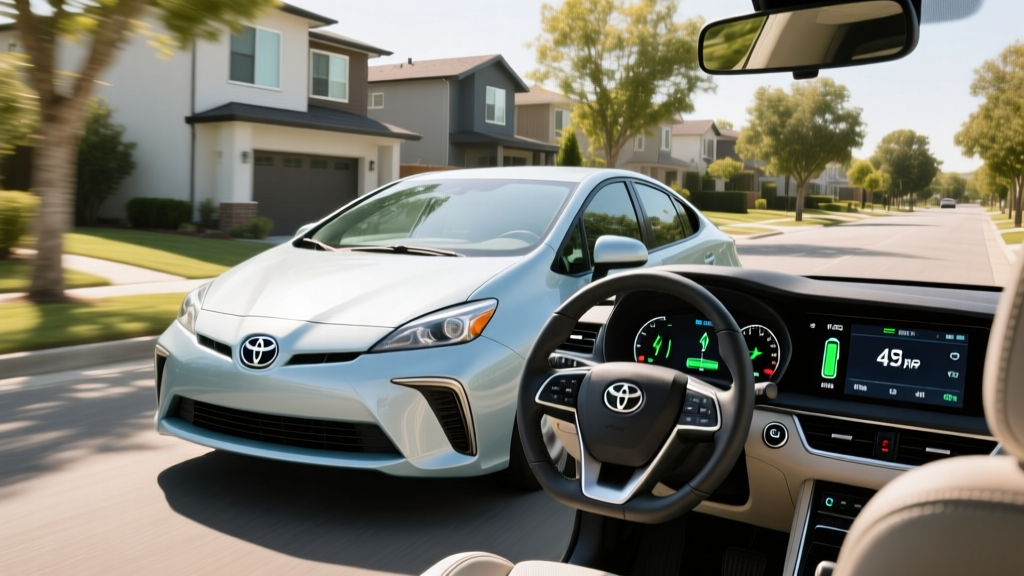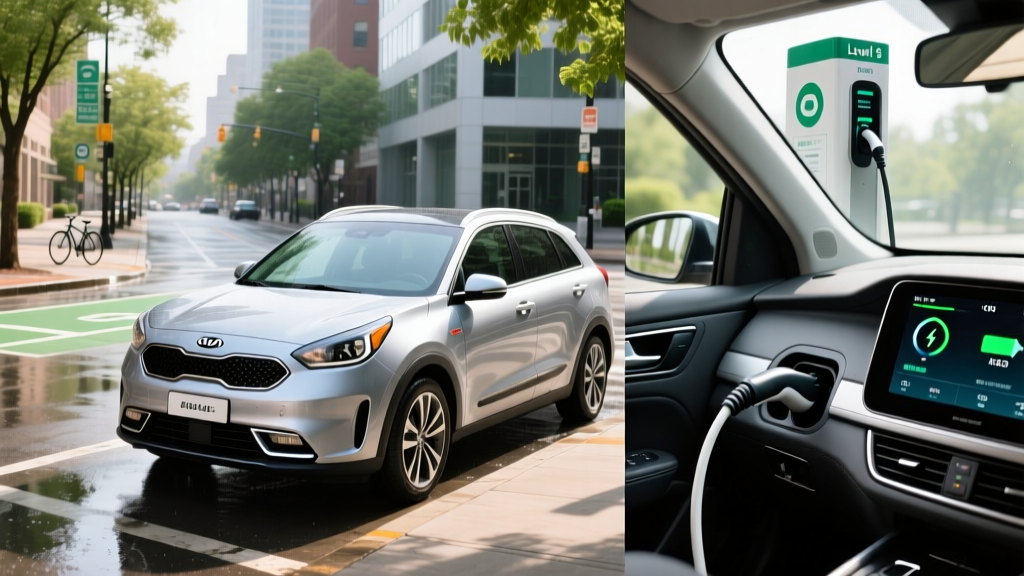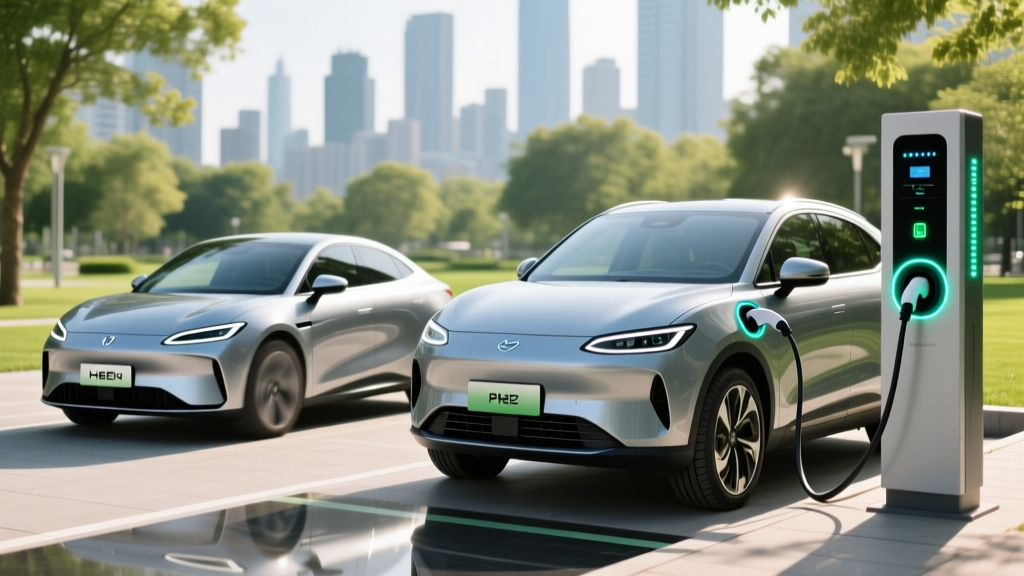
If you're shopping for a hybrid in 2026, one question comes up before almost any other: do you have to charge hybrid vehicles? The answer depends entirely on which type of hybrid you choose. Conventional hybrids (HEVs) never need to be plugged in — they generate all their electricity internally. Plug-in hybrids (PHEVs), on the other hand, can be plugged in to unlock their full electric-only range, though they'll still run as a regular hybrid if you skip charging.
This distinction matters because it changes the ownership experience, the fuel savings, and whether you qualify for federal tax credits. Below, we break down exactly how each hybrid type works, what the real-world MPG looks like, and how to decide which one fits your driving life.
HEV vs PHEV: What's the Difference?
Before we get into charging, let's nail down the two hybrid categories. Every hybrid pairs a gasoline engine with at least one electric motor and a battery pack. The split is in how that battery gets charged and how big it is.
Conventional Hybrid (HEV)
- Battery size: 1–2 kWh (small)
- Plug-in required? No — never
- Electric-only driving: Brief low-speed assist only (typically under 1 mile)
- How it charges: Regenerative braking + gasoline engine
- Examples: 2026 Toyota Prius, Honda Accord Hybrid, Hyundai Tucson Hybrid
Plug-In Hybrid (PHEV)
- Battery size: 13–30 kWh (much larger)
- Plug-in required? No, but highly recommended to capture full value
- Electric-only driving: 25–50+ miles at full highway speeds
- How it charges: Wall outlet, Level 2 charger, regenerative braking, engine
- Examples: 2026 Toyota RAV4 Prime, Jeep Wrangler 4xe, Chrysler Pacifica Hybrid
The bottom line: no hybrid vehicle requires plugging in to operate. A PHEV will function as a conventional hybrid if you never plug it in — you just won't access its electric-only miles, which is where the biggest fuel savings live.
How Many MPG Does a Hybrid Get?
Fuel economy is the primary reason most buyers choose a hybrid. Here's how some of the most popular 2026 models stack up, using EPA data from fueleconomy.gov:
| Vehicle (2026) | Type | City MPG | Hwy MPG | Combined MPG | EV Range (mi) |
|---|---|---|---|---|---|
| Toyota Prius | HEV | 57 | 56 | 57 | N/A |
| Toyota Prius Prime | PHEV | 52* | 48* | 50* | 44 |
| Honda Accord Hybrid | HEV | 51 | 44 | 48 | N/A |
| Toyota RAV4 Prime | PHEV | 40* | 36* | 38* | 42 |
| Hyundai Tucson Hybrid | HEV | 38 | 38 | 38 | N/A |
| Jeep Wrangler 4xe | PHEV | 20* | 20* | 20* | 22 |
| Chrysler Pacifica Hybrid | PHEV | 30* | 31* | 30* | 32 |
*PHEV MPG figures shown are charge-sustaining (hybrid mode after battery is depleted). MPGe ratings when battery is charged are significantly higher — for example, the Prius Prime achieves 127 MPGe combined on electric + gas.
Real-World MPG vs. EPA Stickers
One of the best-kept secrets about conventional hybrids is that they frequently exceed their EPA city estimates in real-world driving. The EPA city test cycle includes frequent stops and low-speed driving — exactly the conditions where regenerative braking recaptures the most energy and the electric motor does the most work. Owners of the Toyota Prius and Honda Accord Hybrid regularly report 55–60+ MPG in city and suburban driving.
Highway driving is where hybrids lose their advantage somewhat. At sustained 70–80 mph speeds, the gasoline engine does nearly all the work, and aerodynamic drag dominates. Expect highway MPG to land at or slightly below the EPA sticker for most HEVs. For PHEVs, highway driving after the battery is depleted often yields MPG below a conventional hybrid equivalent, because the vehicle is carrying a heavier, depleted battery pack.
PHEV Electric-Only Range: How Far Can You Go Without Gas?
For PHEV owners who charge regularly, the electric-only range is the number that matters most for daily driving. Here's a breakdown of current 2026 PHEV electric ranges and battery specifications:
| PHEV Model | EV Range (mi) | Battery (kWh) | L2 Charge Time | DC Fast Charge | Total Range (mi) |
|---|---|---|---|---|---|
| Toyota Prius Prime | 44 | 13.6 | ~4 hrs (120V) / ~2 hrs (240V) | No | ~440 |
| Toyota RAV4 Prime | 42 | 18.1 | ~2.5 hrs (240V) | No | ~440 |
| Chrysler Pacifica Hybrid | 32 | 16.0 | ~2 hrs (240V) | No | ~320 |
| Jeep Wrangler 4xe | 22 | 17.3 | ~2.5 hrs (240V) | No | ~370 |
Most 2026 PHEVs do not support DC fast charging. Their batteries are small enough that Level 2 (240V) charging completes in 2–3 hours, which covers overnight charging and opportunistic top-ups during the workday. If you're installing a Level 2 home charger for a PHEV, a standard 240V/32A circuit is more than sufficient — no panel upgrade is typically needed for PHEV-only charging. Check the IRS clean vehicle credit page for the latest on whether home charger installation qualifies for a separate credit.
Hybrid Powertrain Specs: What's Under the Hood?
Hybrid powertrains vary significantly in output. Here are the combined system horsepower figures for the models referenced above, along with engine and motor configurations:
- 2026 Toyota Prius (HEV): 2.0L 4-cylinder + 2 electric motors | 196 hp combined | FWD or AWD
- 2026 Toyota Prius Prime (PHEV): 2.0L 4-cylinder + 2 electric motors | 220 hp combined | FWD
- 2026 Honda Accord Hybrid: 2.0L 4-cylinder + 2 electric motors | 204 hp combined | FWD
- 2026 Toyota RAV4 Prime (PHEV): 2.5L 4-cylinder + 2 electric motors | 302 hp combined | AWD
- 2026 Jeep Wrangler 4xe (PHEV): 2.0L turbo 4-cylinder + electric motor | 375 hp combined | 4WD
- 2026 Chrysler Pacifica Hybrid (PHEV): 3.6L V6 + 2 electric motors | 260 hp combined | FWD
Notably, the RAV4 Prime and Wrangler 4xe are among the quickest vehicles in their respective lineups, not just the most efficient. The RAV4 Prime hits 0–60 mph in approximately 5.7 seconds — faster than many non-hybrid compact SUVs. Performance is an underrated hybrid benefit that marketing materials often bury beneath the MPG figures.
Pricing, Tax Credits, and Incentives
Hybrid pricing spans a wide range, and tax credit eligibility is one of the biggest differentiators between HEVs and PHEVs.
Conventional Hybrids (HEV)
Standard hybrids do not qualify for the federal §30D clean vehicle tax credit. That credit is reserved for plug-in vehicles (BEVs and PHEVs) with sufficient battery capacity and compliant sourcing. However, HEVs typically carry a lower MSRP premium over their gas-only equivalents — often $1,000–$2,500 — and that premium is usually recouped within 2–4 years through fuel savings, depending on mileage.
Plug-In Hybrids (PHEV)
PHEVs may qualify for up to $7,500 under the federal §30D credit, but eligibility is far from guaranteed. The rules as of 2026 require:
- MSRP caps: Vans, SUVs, and pickups ≤ $80,000; sedans and other vehicles ≤ $55,000
- Buyer income limits: Modified AGI ≤ $300,000 (joint), $225,000 (head of household), $150,000 (single)
- Battery sourcing: Critical minerals and battery components must meet escalating domestic-sourcing thresholds — this disqualifies several PHEVs that would otherwise be eligible
- Point-of-sale transfer: Eligible buyers can transfer the credit to the dealer at purchase, reducing the upfront price rather than waiting for a tax refund
As of 2026, the Toyota RAV4 Prime and Prius Prime have faced shifting eligibility due to battery-sourcing requirements. Always verify current eligibility on the IRS clean vehicle credits page before purchasing, and consider consulting a tax professional for your specific situation.
| Model | Base MSRP | Federal Credit Eligibility |
|---|---|---|
| Toyota Prius (HEV) | ~$29,000 | Not eligible |
| Toyota Prius Prime (PHEV) | ~$34,000 | Check current IRS list |
| Honda Accord Hybrid | ~$34,500 | Not eligible |
| Toyota RAV4 Prime (PHEV) | ~$45,000 | Check current IRS list |
| Jeep Wrangler 4xe (PHEV) | ~$51,000 | Check current IRS list |
Battery Reliability, Warranty, and Replacement Cost
Hybrid battery longevity remains the single biggest concern for first-time hybrid buyers. Here's what the data actually shows.
Hybrid Battery Warranty Standards (2026)
Every major automaker covers hybrid and PHEV battery packs for a minimum of 8 years / 100,000 miles. In California Air Resources Board (CARB) states, the warranty extends to 10 years / 150,000 miles for emissions-related components including the hybrid battery.
Toyota, Honda, and Hyundai all provide 10-year/150,000-mile hybrid battery warranties in CARB states, which now include over a dozen states beyond California.
How Long Do Hybrid Batteries Actually Last?
Real-world data from fleet operators, taxi services, and long-term owners consistently shows hybrid batteries lasting 150,000–250,000+ miles before significant degradation. Toyota Prius taxis routinely surpass 300,000 miles on the original battery pack. The key factor is thermal management — hybrids with active cooling systems (most modern designs) experience far less degradation than early-generation passively-cooled packs.
PHEV batteries undergo deeper daily cycling (full charge to depletion), but their larger capacity means each cycle represents a smaller percentage of total capacity. Degradation data from early RAV4 Prime and Pacifica Hybrid owners shows 5–10% capacity loss over the first 5 years, which translates to roughly 2–4 miles of lost electric range — noticeable but not debilitating.
Battery Replacement Cost
If your hybrid battery does fail outside warranty, replacement costs in 2026 typically range from:
- HEV battery: $2,000–$4,500 (parts and labor)
- PHEV battery: $5,000–$9,000 (parts and labor, larger pack)
Refurbished and aftermarket hybrid batteries are increasingly available for $1,000–$2,500 for common HEV models like the Prius, which makes out-of-warranty replacement far less catastrophic than early hybrid adopters feared.
Hybrid vs PHEV vs EV: Which Fits Your Life?
The decision between a conventional hybrid, a plug-in hybrid, and a full battery electric vehicle (BEV) comes down to three practical factors: your charging access, your daily mileage, and your willingness to adapt your routine.
Choose an HEV If:
- You have no home charging access (apartment, street parking)
- You want maximum MPG with zero behavior change
- Your budget is under $35,000
- You drive mostly city/suburban miles
Choose a PHEV If:
- You can charge at home (even a 120V outlet works)
- Your daily commute is under 40 miles round-trip
- You take regular road trips and want gas-engine backup
- You want EV-like daily driving without range anxiety
Choose a Full EV If:
- You have reliable Level 2 home charging
- Your daily driving is under 250 miles
- You want the lowest per-mile fuel cost
- You want maximum federal tax credit value
The PHEV is the bridge vehicle — it rewards you with electric commuting when you charge and eliminates range anxiety when you don't. But a PHEV you never plug in is just a heavier, more expensive hybrid. If you know you won't charge, an HEV delivers better value.
Hybrid Advantages
- No charging infrastructure needed (HEV)
- 50+ MPG in city driving for top models
- Proven long-term reliability (20+ years of data)
- Lower upfront cost than BEVs
- No range anxiety in any weather
- Regenerative braking reduces brake wear
Hybrid Limitations
- HEVs don't qualify for federal tax credits
- Highway MPG advantage is smaller than city
- PHEVs are heavier, reducing efficiency when battery is depleted
- Still dependent on gasoline prices
- Maintenance complexity: two powertrains (engine + electric)
- PHEV electric range insufficient for some commutes
Frequently Asked Questions
Do you have to charge a hybrid vehicle to drive it?
No. Conventional hybrids (HEVs) cannot be plugged in and charge their own batteries through regenerative braking and the gasoline engine. Plug-in hybrids (PHEVs) can be plugged in to gain electric-only range, but they will operate as a standard hybrid using gasoline if you never charge them. You will not be stranded either way.
Can I charge a PHEV with a regular wall outlet?
Yes. All PHEVs come with a Level 1 (120V) charging cable that plugs into a standard household outlet. Charging times are longer — typically 8–14 hours for a full charge depending on battery size — but for a PHEV with a 13–18 kWh battery, overnight Level 1 charging is often sufficient to replenish the daily electric range. A 240V Level 2 outlet reduces this to 2–3 hours.
Do hybrids really get better MPG in the city than on the highway?
Yes, and this is the opposite of gas-only cars. Hybrids recapture energy during braking (regenerative braking), which happens frequently in stop-and-go city traffic. The electric motor also handles low-speed driving where gas engines are least efficient. The 2026 Toyota Prius, for example, achieves 57 MPG city but 56 MPG highway. Many owners report exceeding 60 MPG in real-world suburban driving.
How much does it cost to replace a hybrid battery?
HEV battery replacement typically costs $2,000–$4,500 including labor. PHEV batteries are larger and cost $5,000–$9,000. However, most hybrid batteries last 150,000–250,000+ miles, and all are covered under warranty for at least 8 years/100,000 miles (10 years/150,000 miles in CARB states). Refurbished batteries for popular models like the Prius are available for $1,000–$2,500.
Is a PHEV worth it if I can't charge at home?
Generally, no. A PHEV's biggest advantage — 25–50 miles of electric-only driving — requires regular charging. Without home charging, you'll operate in hybrid mode most of the time, carrying the extra weight of a large battery you're not using. In that scenario, a conventional HEV gives you similar or better hybrid-mode MPG at a lower purchase price. If you can charge at work or have access to a Level 2 outlet elsewhere, the math can still work.
Do hybrid vehicles qualify for any tax credits in 2026?
Conventional hybrids (HEVs) do not qualify for the federal §30D clean vehicle tax credit. Plug-in hybrids (PHEVs) may qualify for up to $7,500, subject to MSRP caps ($80,000 for SUVs/trucks, $55,000 for sedans), buyer income limits ($150,000–$300,000 depending on filing status), and battery component/critical mineral sourcing requirements. Eligibility changes frequently — verify on the IRS website before purchasing. Some states offer additional rebates for PHEVs; check your state energy office for local programs.