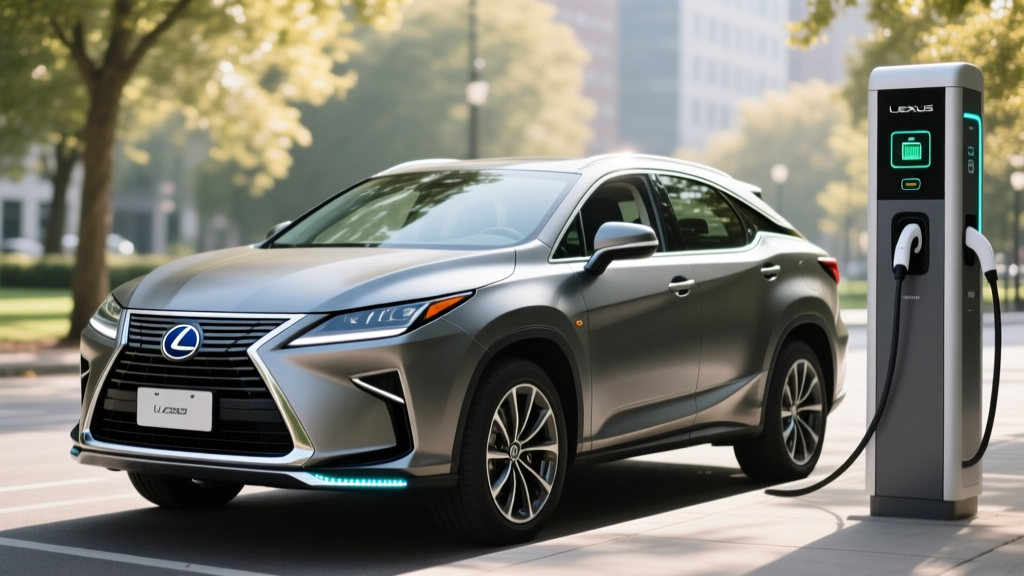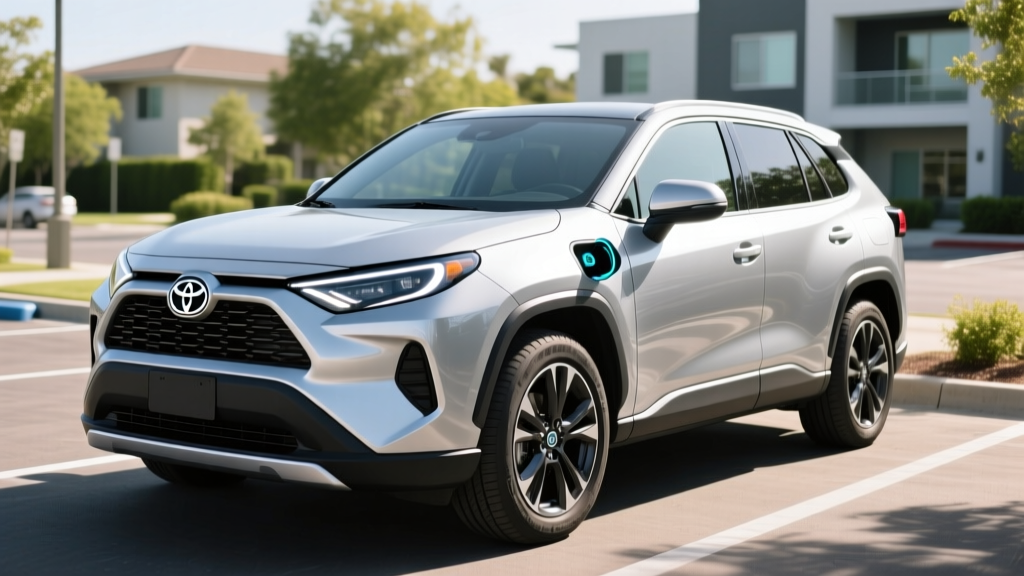
If you've been shopping for a fuel-efficient vehicle, you've likely asked: do hybrid cars get a tax credit? The short answer is that it depends entirely on what kind of hybrid you're buying. Conventional hybrids (HEVs) like the Toyota Prius do not qualify for the federal EV tax credit. Plug-in hybrids (PHEVs) like the Toyota RAV4 Prime or Chrysler Pacifica Hybrid can qualify for up to $7,500 under IRS §30D — but only if they meet strict battery-sourcing, MSRP, and buyer-income requirements.
This guide breaks down exactly which electrified vehicles are eligible, how the rules work in 2026, and whether a hybrid, PHEV, or full EV makes the most financial sense for your situation.
HEV vs PHEV vs EV: What's the Difference?
Before we tackle tax credits, it's critical to understand the three main types of electrified vehicles, because the IRS treats them very differently.
| Feature | Conventional Hybrid (HEV) | Plug-in Hybrid (PHEV) | Battery Electric (BEV) |
|---|---|---|---|
| Plug-in required? | No — charges via regen & engine | Yes — Level 1 or Level 2 | Yes — Level 1, 2, or DC fast |
| Battery size | 0.5–2 kWh | 10–25 kWh | 50–120+ kWh |
| Electric-only driving | None (or <1 mi at low speed) | 20–50 miles typical | 200–400+ miles |
| Gas engine | Yes — primary propulsion | Yes — kicks in after battery depletes | No |
| Federal tax credit (§30D) | Not eligible | Up to $7,500 (if qualified) | Up to $7,500 (if qualified) |
| Example models | Toyota Prius, Honda CR-V Hybrid | Toyota RAV4 Prime, Jeep Wrangler 4xe | Tesla Model Y, Hyundai Ioniq 5 |
The key takeaway: only vehicles with a plug and a sufficiently large battery can qualify for the federal clean vehicle credit. Conventional hybrids are excluded because they don't meet the minimum battery capacity threshold (at least 7 kWh for §30D eligibility) and cannot be charged from an external source.
The Federal Tax Credit Rules for Hybrids in 2026
The federal clean vehicle credit, governed by IRS §30D, offers up to $7,500 for qualifying new PHEVs and BEVs. The credit is split into two halves, each worth $3,750:
- $3,750 — Battery components: A percentage of battery components must be manufactured or assembled in North America. For 2026, the threshold is 100%.
- $3,750 — Critical minerals: A percentage of critical minerals in the battery must be sourced from the U.S. or a free-trade-agreement partner. For 2026, the threshold is 100%.
Many PHEVs that previously qualified for the full $7,500 have lost partial or full eligibility as sourcing requirements tightened. As of early 2026, qualifying PHEVs that can still earn up to $7,500 include:
- Chrysler Pacifica PHEV — up to $7,500
- Jeep Wrangler 4xe — up to $3,750 (lost critical-minerals half in late 2025)
- Jeep Grand Cherokee 4xe — up to $3,750
- Ford Escape PHEV — up to $3,750
Notable PHEVs that do not currently qualify include the Toyota RAV4 Prime and most Hyundai/Kia PHEVs, due to battery sourcing from non-FTA countries. Always verify current eligibility on fueleconomy.gov before purchasing, as the list updates frequently.
Buyer Income and MSRP Caps
Even if a PHEV qualifies, you must also meet personal eligibility thresholds:
- Income caps (modified AGI): $300,000 joint filers / $225,000 head of household / $150,000 single
- MSRP caps: $80,000 for SUVs, vans, and pickups / $55,000 for sedans and other body styles
- Point-of-sale transfer: Since 2024, you can transfer the credit to the dealer at purchase, reducing your out-of-pocket cost immediately rather than waiting for a tax refund
⚠️ Used hybrid/PHEV credit: A separate §25E credit of up to $4,000 (30% of sale price, max $4,000) is available for qualifying used PHEVs and BEVs priced under $25,000, with lower income caps ($150k joint / $112.5k head of household / $75k single). Conventional used HEVs do not qualify.
Top PHEVs That May Qualify: Specs and Efficiency
Let's look at the most popular PHEVs on the market in 2026, their efficiency figures, and whether they're likely to earn the credit.
| Model | Battery (kWh) | EV Range (mi) | Combined MPG (gas) | Combined HP | Base MSRP | Max §30D Credit |
|---|---|---|---|---|---|---|
| Chrysler Pacifica PHEV | 16.0 | 32 | 30 (82 MPGe) | 260 | $51,490 | $7,500 |
| Jeep Wrangler 4xe | 17.3 | 22 | 20 (49 MPGe) | 375 | $52,995 | $3,750 |
| Jeep Grand Cherokee 4xe | 17.3 | 26 | 23 (56 MPGe) | 375 | $60,495 | $3,750 |
| Ford Escape PHEV | 14.4 | 37 | 39 (105 MPGe) | 210 | $40,500 | $3,750 |
| Toyota RAV4 Prime | 18.1 | 42 | 38 (94 MPGe) | 302 | $44,960 | $0 |
| Toyota Prius Prime | 13.6 | 39–44 | 48–52 (127 MPGe) | 220 | $33,445 | $0 |
| Hyundai Tucson PHEV | 13.8 | 33 | 35 (80 MPGe) | 261 | $39,090 | $0 |
Charging Times for PHEVs
PHEV batteries are small enough that most can charge fully overnight on a standard 120V household outlet (Level 1), making home charging infrastructure simple:
- Level 1 (120V, ~1.4 kW): 8–12 hours for a full charge — sufficient for most PHEV owners who plug in nightly
- Level 2 (240V, 3.3–7.2 kW): 2–4 hours — useful if you want midday top-ups or have a home Level 2 charger installed for a future BEV
- DC fast charging: Very few PHEVs support DC fast charging. The Mitsubishi Outlander PHEV is a rare exception, capable of ~22 kW DC charging (80% in ~38 min). Most PHEVs are limited to AC charging only.
Top Conventional Hybrids: No Credit, But Proven Efficiency
Even though conventional hybrids don't qualify for the federal tax credit, they remain compelling purchases thanks to low upfront cost, no plug-in requirement, and outstanding real-world fuel economy — particularly in city driving where regenerative braking recaptures energy at every stop.
| Model | EPA City MPG | EPA Highway MPG | EPA Combined MPG | Combined HP | Base MSRP |
|---|---|---|---|---|---|
| Toyota Prius (AWD) | 49 | 50 | 49 | 196 | $29,445 |
| Honda CR-V Hybrid | 43 | 36 | 40 | 204 | $36,795 |
| Toyota Camry Hybrid | 53 | 50 | 52 | 225 | $30,445 |
| Hyundai Tucson Hybrid | 38 | 38 | 38 | 226 | $34,460 |
| Toyota RAV4 Hybrid | 41 | 38 | 40 | 219 | $33,445 |
| Honda Accord Hybrid | 51 | 44 | 48 | 204 | $33,655 |
Real-World MPG: Hybrids Often Beat the Sticker in the City
One of the most pleasant surprises of hybrid ownership is that real-world city MPG often exceeds the EPA estimate. The EPA test cycle doesn't fully capture the benefit of aggressive regenerative braking in stop-and-go traffic. Owners of the Toyota Camry Hybrid, for instance, routinely report 55–58 MPG in urban commuting. Highway efficiency, however, tends to run 2–4 MPG below the sticker, as the gas engine carries more of the load at sustained speed without regen assistance.
For PHEVs, real-world electric-only range can vary significantly with temperature. Expect 15–25% less EV range in freezing weather due to cabin heating demands and reduced battery efficiency. The RAV4 Prime's 42-mile EPA EV range, for example, may drop to 30–35 miles in winter conditions.
Hybrid Battery Reliability and Replacement Costs
Battery longevity is consistently the top concern among hybrid buyers. The good news: hybrid battery technology has matured significantly, and failure rates are low within the warranty period.
Federal mandate: All hybrid and PHEV batteries sold in the U.S. must carry a minimum warranty of 8 years / 100,000 miles (10 years / 150,000 miles in California and states that follow CARB emissions rules). Many manufacturers exceed this baseline.
Warranty Coverage by Manufacturer
- Toyota: 10 years / 150,000 miles (all hybrid batteries, nationwide since 2020)
- Honda: 8 years / 100,000 miles (10/150k in CARB states)
- Hyundai/Kia: 10 years / 100,000 miles (original owner; 10/100k transfers to second owner in some cases)
- Ford: 8 years / 100,000 miles
- Stellantis (Chrysler/Jeep): 8 years / 100,000 miles
Replacement Cost If Out of Warranty
If your hybrid battery fails outside the warranty window, replacement costs vary widely:
- Conventional hybrid (HEV): $2,000–$4,500 for a new OEM battery pack. Refurbished packs are available for $1,000–$2,500. The Prius battery, for example, runs about $2,500–$3,500 installed at a dealer.
- Plug-in hybrid (PHEV): $5,000–$9,000 due to the larger battery capacity. The RAV4 Prime battery replacement has been quoted in the $6,000–$8,000 range.
- Battery electric (BEV): $10,000–$22,000+ depending on pack size — a key reason the longer warranty and lower degradation of modern BEVs matters.
In practice, data from Consumer Reports and iSeeCars shows that hybrid batteries from Toyota and Honda routinely last 150,000–200,000+ miles before significant degradation, making out-of-pocket replacement a relatively rare event for typical ownership cycles.
Hybrid vs PHEV vs EV: Which Fits Your Life?
The right choice depends on your driving habits, home charging access, and budget. Here's a practical decision framework:
Choose a conventional hybrid (HEV) if:
- You don't have access to home or workplace charging
- You want maximum simplicity — no plug, no charging apps, no range planning
- Your budget is under $35,000 and you prioritize low upfront cost
- You drive mostly in the city, where hybrids shine (often exceeding EPA city MPG)
Choose a plug-in hybrid (PHEV) if:
- You have home Level 1 or Level 2 charging and a daily commute under 40 miles
- You want electric-only daily driving but need gas flexibility for road trips
- You can benefit from the $3,750–$7,500 federal tax credit (check eligibility first)
- You frequently drive longer distances where a BEV's range would cause anxiety
Choose a battery electric vehicle (BEV) if:
- You have reliable home Level 2 charging (or can install it)
- Your daily driving is under 250 miles and you can plan around DC fast charging on road trips
- You want the lowest per-mile fuel cost and minimal maintenance (no oil changes, fewer moving parts)
- You qualify for the full $7,500 credit and want to maximize incentive value
PHEV Pros
- 20–50 mi electric-only for daily commuting
- Gas engine eliminates range anxiety on road trips
- May qualify for $3,750–$7,500 federal credit
- Lower charging infrastructure requirements than BEV
PHEV Cons
- More complex powertrain (engine + motor + battery) = more potential maintenance
- Heavy — two full powertrains reduce efficiency once battery depletes
- Most don't support DC fast charging
- Many popular PHEVs (Toyota, Hyundai/Kia) currently ineligible for federal credit
State and Local Incentives: Beyond the Federal Credit
Even if your hybrid doesn't qualify for the federal §30D credit, state and local incentives may still apply. Several states offer rebates or credits for PHEVs — and a few even include conventional hybrids in clean-vehicle incentive programs:
- California: The Clean Vehicle Rebate Project (CVRP) has historically offered up to $1,000–$2,000 for PHEVs, though funding availability varies. Check energy.ca.gov for current status.
- Colorado: Offers a state tax credit of up to $5,000 for qualifying EVs and PHEVs, with specific battery-capacity requirements.
- New York: The Drive Clean Rebate program has offered up to $2,000 for eligible PHEVs.
- Utility rebates: Many electric utilities offer $250–$1,000 rebates for PHEV purchases or home charger installations.
Because state incentive programs change frequently and vary by jurisdiction, always check your state's energy office or department of environmental quality for current offerings. A tax professional can also help you identify applicable credits on your state return.
Frequently Asked Questions
Do conventional hybrid cars get a tax credit?
No. Conventional hybrids (HEVs) like the Toyota Prius, Honda CR-V Hybrid, and Toyota Camry Hybrid do not qualify for the federal §30D clean vehicle credit. The credit requires a plug-in vehicle with a minimum battery capacity of 7 kWh. HEVs have small batteries (typically 0.5–2 kWh) that charge only through regenerative braking and the gas engine.
Which PHEVs qualify for the $7,500 federal tax credit in 2026?
As of early 2026, the Chrysler Pacifica PHEV is among the few PHEVs still eligible for the full $7,500. Several others, including the Jeep Wrangler 4xe, Jeep Grand Cherokee 4xe, and Ford Escape PHEV, qualify for $3,750 (half credit) due to partial battery-sourcing compliance. Popular PHEVs from Toyota, Hyundai, and Kia currently do not qualify. Always verify on fueleconomy.gov before purchasing.
How many MPG does a hybrid get in real-world driving?
Real-world hybrid MPG depends heavily on driving conditions. City driving often yields 2–5 MPG above the EPA estimate thanks to regenerative braking. Highway driving typically runs 2–4 MPG below the EPA sticker. For example, the Toyota Camry Hybrid (EPA 52 combined) commonly delivers 55–58 MPG in city traffic but 46–49 MPG on sustained highway trips.
How far can a PHEV go on electric only?
Current PHEVs offer 20–50 miles of electric-only range. The Ford Escape PHEV leads at 37 miles, the Toyota RAV4 Prime at 42 miles, and the Toyota Prius Prime at up to 44 miles. In cold weather (below freezing), expect 15–25% less EV range due to heating loads and reduced battery efficiency.
Is a hybrid battery expensive to replace?
Conventional hybrid battery replacement costs $2,000–$4,500 (OEM) or $1,000–$2,500 (refurbished). PHEV battery replacement runs $5,000–$9,000. However, most hybrid batteries last 150,000–200,000+ miles, and all carry a minimum 8-year/100,000-mile warranty (10/150k in CARB states). Toyota covers hybrid batteries for 10 years/150,000 miles nationwide.
Should I buy a hybrid, PHEV, or full EV?
Choose an HEV if you lack home charging and want simplicity. Choose a PHEV if you can charge at home, commute under 40 miles daily, and want gas-engine flexibility for road trips. Choose a BEV if you have Level 2 home charging, drive under 250 miles daily, and want the lowest operating cost and maximum incentive eligibility.
Can I get a tax credit for a used hybrid?
The §25E used clean vehicle credit (up to $4,000) applies only to used PHEVs and BEVs, not conventional hybrids. The used vehicle must be priced under $25,000, be at least two model years old, and the buyer must meet lower income caps ($150k joint / $75k single). The credit can be transferred to the dealer at point of sale.
Tax credit eligibility changes frequently. Always confirm current qualification status on irs.gov and fueleconomy.gov before making a purchase decision. Consult a tax professional for advice specific to your situation.