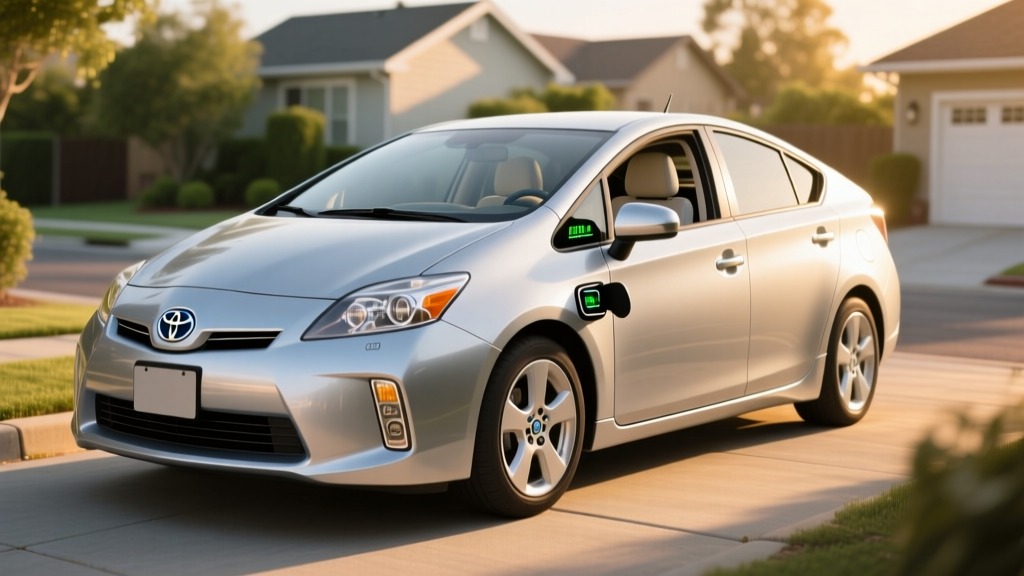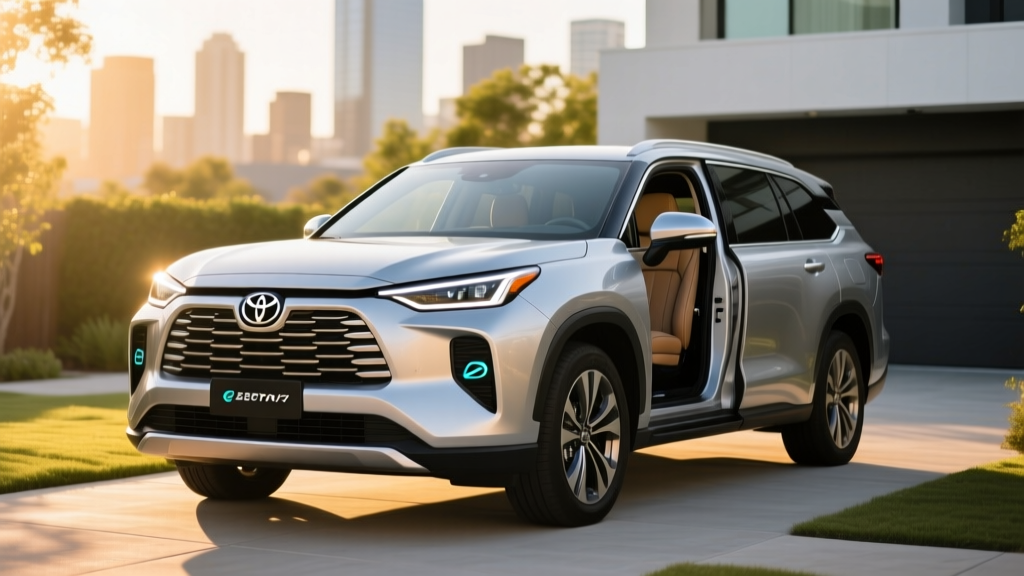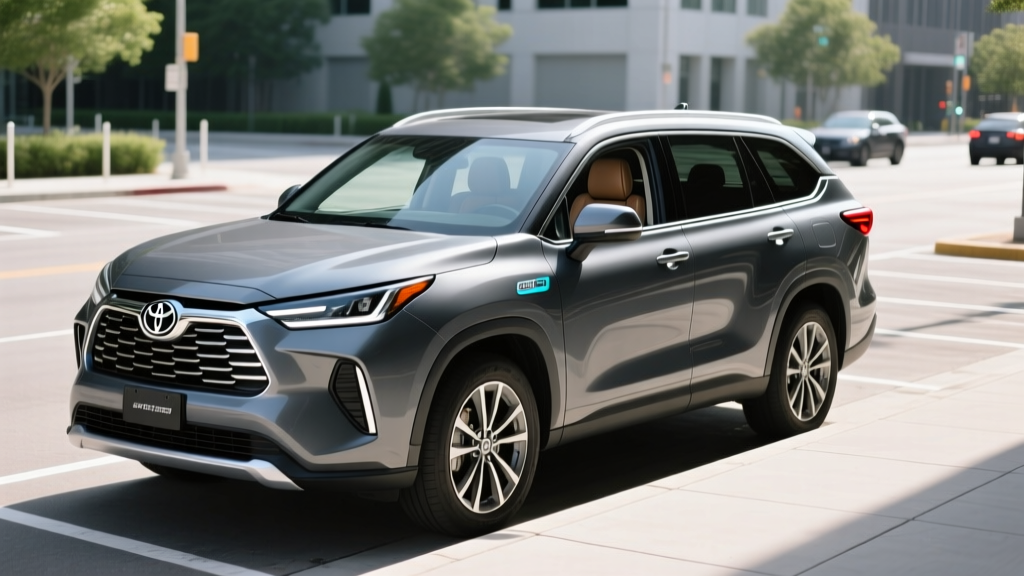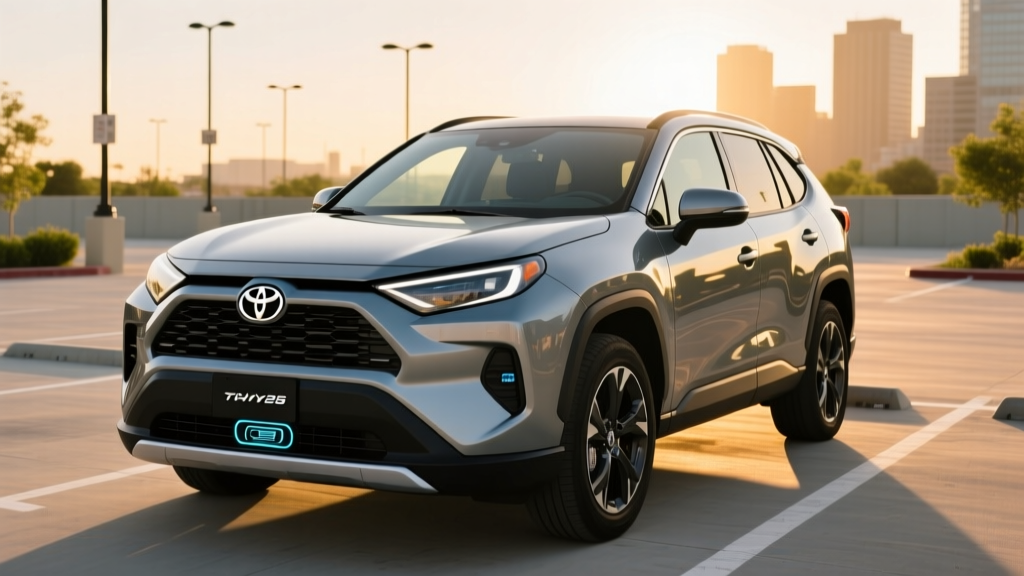
The 2026 Toyota RAV4 Hybrid remains the benchmark compact SUV for buyers who want serious fuel economy without plugging in. Its fifth-generation hybrid system pairs a 2.5-liter four-cylinder engine with dual electric motors for 219 combined horsepower and an EPA-estimated 39 MPG combined. For a vehicle this size, that efficiency figure is exceptional — and in real-world city driving, owners frequently beat the sticker number.
Below, we dissect how the RAV4's hybrid system works, what it actually delivers at the pump, and whether it's the right electrified choice for your garage in 2026.
| Specification | 2026 Toyota RAV4 Hybrid |
|---|---|
| Powertrain | 2.5L 4-cyl + 2 electric motors (eCVT) |
| Combined Horsepower | 219 HP |
| EPA MPG (City / Hwy / Combined) | 41 / 38 / 39 |
| Fuel Tank Capacity | 14.5 gallons |
| Total Driving Range | ~565 miles |
| 0–60 mph | 7.4 seconds |
| Drivetrain | AWD (standard on all trims) |
| Starting MSRP | $33,595 (LE trim) |
| Hybrid Battery Warranty | 10 years / 150,000 miles |
How the RAV4 Hybrid System Actually Works
Toyota's Hybrid Synergy Drive in the 2026 RAV4 uses a power-split device — essentially a planetary gearset — that seamlessly blends output from the gasoline engine and two motor-generators (MG1 and MG2). There is no traditional transmission; instead, an electronically controlled continuously variable transmission (eCVT) manages the ratio between engine speed and wheel speed.
At low speeds and during initial acceleration, the RAV4 can operate on electric power alone for short distances (typically under 1 mile at speeds below 25 mph). During cruising, the system continuously adjusts the engine-to-motor ratio to keep the gas engine in its most efficient operating range. Under hard acceleration, both the engine and electric motor deliver combined torque to the wheels. During braking and deceleration, MG2 acts as a generator, converting kinetic energy back into electricity to recharge the hybrid battery — this is regenerative braking.
The key distinction: this is a conventional hybrid (HEV). The battery is charged exclusively by the engine and regenerative braking. There is no plug and no external charging required. If you want plug-in capability with electric-only highway driving, you'd be looking at the RAV4 Prime, which is a plug-in hybrid (PHEV) — a fundamentally different vehicle covered later in this guide.
Fuel Economy: EPA Estimates vs. Real-World MPG
The EPA rates the 2026 RAV4 Hybrid at 41 city / 38 highway / 39 combined MPG across all trims (LE, XLE, SE, XSE, Limited). These figures come from fueleconomy.gov, the official EPA source.
| Driving Scenario | EPA Estimate | Real-World Expectation |
|---|---|---|
| City (stop-and-go) | 41 MPG | 40–44 MPG (regenerative braking excels here) |
| Highway (65–75 mph) | 38 MPG | 34–38 MPG (aero drag reduces hybrid advantage) |
| Combined (55% city / 45% hwy) | 39 MPG | 36–41 MPG |
| Cold weather (below 32°F) | — | 32–36 MPG (engine runs more for cabin heat) |
Why do hybrids often beat their EPA city number? Because the EPA city test cycle involves frequent stops — exactly where regenerative braking recovers the most energy and where the electric motor does the most work. On the highway, the gasoline engine carries a larger share of the load, and aerodynamic drag at 75 mph penalizes all vehicles equally.
In cold weather, expect a 5–10% fuel economy reduction. The engine runs more frequently to generate cabin heat and to maintain optimal operating temperature, reducing the electric motor's contribution. This is a characteristic of all hybrid systems, not unique to Toyota.
HEV vs. PHEV: RAV4 Hybrid vs. RAV4 Prime
Toyota offers the RAV4 in two electrified flavors, and buyers frequently confuse them. Here's the breakdown:
| Attribute | RAV4 Hybrid (HEV) | RAV4 Prime (PHEV) |
|---|---|---|
| Requires plugging in? | No — self-charging | Yes — 18.1 kWh battery |
| Electric-only range | ~1 mile at low speed | 42 miles (EPA) |
| Combined MPGe (electric mode) | N/A | 94 MPGe |
| Gas-only MPG (after battery depletes) | 39 MPG combined | 38 MPG combined |
| Combined Horsepower | 219 HP | 302 HP |
| 0–60 mph | 7.4 seconds | 5.7 seconds |
| DC Fast Charging | N/A | No (Level 2 only, ~2.5 hrs) |
| Starting MSRP | $33,595 | $44,905 |
| Federal Tax Credit (§30D) | Not eligible | Up to $7,500 (eligibility varies) |
The RAV4 Prime's 18.1 kWh lithium-ion battery enables 42 miles of pure electric driving — enough for most daily commutes without burning a drop of gasoline. However, it requires a Level 2 home charger (240V) to recharge in about 2.5 hours; on a standard 120V outlet, expect roughly 12 hours. The Prime does not support DC fast charging, which limits its appeal for road-trippers who want to top up quickly.
Pricing, Trims, and Tax Credit Eligibility
The 2026 RAV4 Hybrid is available in five trims:
- LE: $33,595 — Toyota Safety Sense 3.0, 8-inch touchscreen, wireless CarPlay/Android Auto
- XLE: $35,095 — Dual-zone climate, blind-spot monitoring, power liftgate
- SE: $36,595 — Sport-tuned suspension, 19-inch wheels, SofTex seats
- XSE: $38,295 — Bi-tone exterior, 9-inch touchscreen, wireless charging
- Limited: $41,195 — Leather, panoramic moonroof, JBL audio, digital rearview mirror
Tax credit status: The conventional RAV4 Hybrid (HEV) does not qualify for the federal §30D clean vehicle credit. That credit applies only to plug-in vehicles (BEVs and PHEVs) meeting battery sourcing, MSRP caps, and buyer income requirements under current IRS rules.
If you opt for the RAV4 Prime (PHEV), eligibility for the up-to-$7,500 credit depends on several factors:
- Your modified adjusted gross income must not exceed $150,000 (single) or $300,000 (joint filing)
- The vehicle MSRP must not exceed $80,000 (SUVs/vans/pickups)
- Battery components and critical minerals must meet escalating domestic-sourcing thresholds
- The credit can now be transferred to the dealer at point of sale, reducing your out-of-pocket cost immediately
Always verify current-year eligibility with a tax professional before relying on the credit in your purchase decision. Sourcing requirements tighten annually, and a model that qualifies in January may face changes later in the year.
Reliability and Hybrid Battery Longevity
Toyota's hybrid system is among the most proven in the industry, with over 25 years of continuous deployment since the original 1997 Prius. The 2026 RAV4 Hybrid uses a nickel-metal hydride (NiMH) battery pack positioned under the rear seats — a chemistry Toyota has favored for its durability and thermal stability in non-plug-in applications.
Hybrid Battery Warranty
Toyota covers the RAV4 Hybrid's battery for 10 years or 150,000 miles, whichever comes first. This is an improvement over the earlier 8-year/100,000-mile coverage and applies in all 50 states (California-emissions states receive additional powertrain coverage). The warranty guarantees the battery will retain sufficient capacity for normal hybrid operation.
Real-world data is encouraging. Independent surveys and owner forums show that RAV4 Hybrid batteries routinely exceed 200,000 miles without replacement. When replacement is eventually needed — typically on vehicles 12–18 years old — expect to pay between $2,500 and $4,000 for a new OEM battery pack, or roughly $1,500–$2,500 for a refurbished unit from authorized recyclers. Given that most buyers will have moved on to their next vehicle before this cost arises, it rarely impacts total cost of ownership.
The broader powertrain (engine, eCVT, motor-generators) carries Toyota's standard 5-year/60,000-mile warranty. The eCVT, with no conventional gears or clutch packs, has proven exceptionally reliable — there are no friction materials to wear out.
Who Should Choose the RAV4 Hybrid System?
Choose the RAV4 Hybrid (HEV) If:
- You want maximum MPG without changing your fueling habits — no plug, no behavior change
- You live in an apartment or lack reliable home charging access
- Your daily driving involves significant stop-and-go city traffic (where hybrids shine)
- You want AWD standard with strong fuel economy (39 MPG combined)
- Your budget tops out around $35,000–$40,000
Look at the RAV4 Prime (PHEV) or a Full EV If:
- You have home charging and a short commute (PHEV covers 42 miles electric-only)
- You want to minimize gasoline use for environmental or cost reasons
- You qualify for the §30D tax credit, which can offset the Prime's $11,000+ price premium
- You want 302 HP and a 5.7-second 0–60 time (the Prime is genuinely quick)
- You're ready for a full BEV like the Hyundai Ioniq 5 or Tesla Model Y and have charging sorted
HEV vs. PHEV vs. EV: The Decision Framework
Choosing between a conventional hybrid, plug-in hybrid, and full electric vehicle depends on three variables: your charging access, your daily mileage, and your budget.
Conventional hybrid (HEV): Best for buyers with no plug access who want fuel savings without any lifestyle change. You fill up at any gas station, and the hybrid system handles the rest. The trade-off is that you're still burning gasoline 100% of the time — just less of it.
Plug-in hybrid (PHEV): Best for buyers with home charging who drive under 40–50 miles daily but want the freedom to take road trips without range anxiety. On weekdays, you commute on electricity; on weekends, the gas engine covers long hauls. The trade-off is higher upfront cost and a more complex powertrain with two full systems to maintain long-term.
Full EV (BEV): Best for buyers with reliable home or workplace charging who want the lowest per-mile energy cost, the least maintenance, and zero tailpipe emissions. The trade-off is dependence on charging infrastructure for road trips, higher insurance premiums in some states, and a larger upfront investment (though one increasingly offset by tax credits).
Frequently Asked Questions
How many MPG does the RAV4 Hybrid actually get?
The EPA rates it at 41 city / 38 highway / 39 combined. In real-world city driving, many owners report 40–44 MPG thanks to aggressive regenerative braking. Highway driving at 75 mph typically yields 34–38 MPG. Cold weather reduces efficiency by 5–10%.
Does the RAV4 Hybrid need to be plugged in?
No. The RAV4 Hybrid is a conventional hybrid (HEV). Its small battery is recharged by the gasoline engine and regenerative braking. You simply fill it with gasoline like any other car. If you want a RAV4 that plugs in, you need the RAV4 Prime (PHEV).
Is the hybrid battery reliable and what does replacement cost?
Toyota's hybrid batteries are among the most reliable in the industry, routinely lasting 200,000+ miles. The battery is warrantied for 10 years / 150,000 miles. If replacement is eventually needed, expect $2,500–$4,000 for an OEM pack or $1,500–$2,500 for a refurbished unit.
Does the RAV4 Hybrid qualify for any tax credits?
The conventional RAV4 Hybrid (HEV) does not qualify for the federal §30D clean vehicle credit, which is reserved for plug-in vehicles. Some states and utilities offer small rebates for high-efficiency vehicles — check your local programs. The RAV4 Prime (PHEV) may qualify for up to $7,500 depending on your income, the vehicle's battery sourcing, and current IRS rules.
How far can the RAV4 Prime go on electric only?
The RAV4 Prime delivers an EPA-estimated 42 miles of electric-only range on a full charge, with a combined 94 MPGe rating. After the battery depletes, it operates as a conventional hybrid at 38 MPG combined. Total range (electric + gas) exceeds 600 miles.
Is the RAV4 Hybrid better than a gas-only RAV4?
For most buyers, yes. The gas-only RAV4 returns 30 MPG combined versus the Hybrid's 39 MPG — a 30% improvement. The Hybrid also delivers smoother acceleration from its electric motor assist and standard AWD at a price premium of roughly $2,000–$3,000 over the gas LE. The fuel savings typically pay back that premium within 3–5 years depending on your annual mileage. Check fueleconomy.gov's compare tool for a side-by-side breakdown.
The 2026 RAV4 Hybrid system delivers on its core promise: genuine fuel savings in a practical, reliable compact SUV that requires zero change to your daily routine. At 39 MPG combined and a starting price under $34,000, it remains the default recommendation for buyers who want electrified efficiency without the complexity, cost, or charging dependency of a plug-in vehicle.