2026 Toyota Camry Hybrid MPG: What the EPA Says
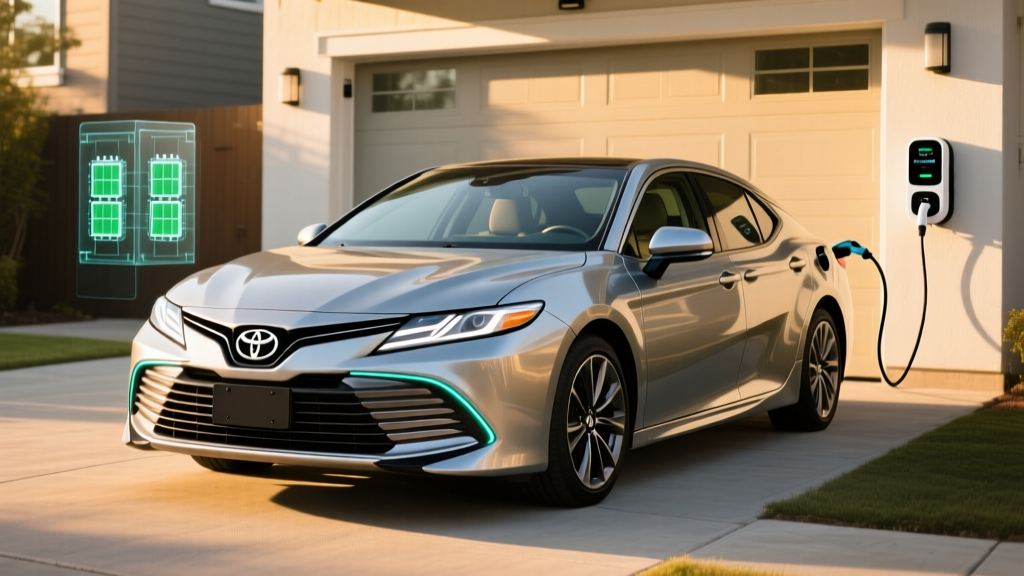
If you've been searching for 07 camry hybrid mpg data or wondering how Toyota's midsize hybrid sedan stacks up in 2026, you're likely comparing it against newer electrified options. The 2026 Toyota Camry Hybrid is a conventional hybrid (HEV)—not a plug-in—and it delivers EPA-estimated fuel economy that still ranks among the best in its class, even nearly two decades after that original 2007 model pioneered the segment.
The 2026 Camry Hybrid is offered exclusively as a hybrid powertrain across all trims (LE, SE, XLE, XSE), continuing Toyota's decision to drop the gas-only four-cylinder starting with the 2025 redesign. Here's the official EPA breakdown:
| Trim | City MPG | Highway MPG | Combined MPG | Annual Fuel Cost* |
|---|---|---|---|---|
| LE FWD | 51 | 44 | 48 | ~$1,100 |
| SE FWD | 48 | 42 | 45 | ~$1,200 |
| XLE FWD | 48 | 42 | 45 | ~$1,200 |
| XSE FWD | 47 | 41 | 44 | ~$1,225 |
*Based on 15,000 miles/year, 55% city driving, and $3.30/gallon regular unleaded (DOE estimate). Source: fueleconomy.gov.
AWD trims (available on SE, XLE, XSE) drop combined MPG by 1–2 MPG due to the rear electric motor adding weight and mechanical drag. Expect 43–46 combined for AWD configurations.
Real-World MPG vs. EPA Sticker: What Owners Actually See
Hybrids have a well-documented quirk: they often exceed their EPA city estimates in real-world stop-and-go driving, because regenerative braking recaptures energy that a gas car wastes as heat. The Camry Hybrid is no exception.
- City/suburban mix: 49–54 MPG (regen thrives here; many owners report beating the 51 EPA city figure)
- Highway (65–75 mph sustained): 40–44 MPG (aerodynamic drag dominates; hybrid advantage shrinks)
- Cold weather (below 32°F): 38–43 MPG combined (engine runs more often for cabin heat and battery warm-up)
- Mountainous terrain: 36–42 MPG combined (heavy climbing; regen partially recovers on descents)
On a 400-mile highway trip at 75 mph in the LE trim, expect roughly 41–43 MPG—slightly below the 44 EPA highway figure. But in daily commuting with frequent stops, 52–55 MPG is achievable without hypermiling. This city-biased efficiency is the defining advantage of Toyota's series-parallel hybrid system over turbocharged gas engines.
HEV vs. PHEV vs. EV: Which Powertrain Fits You?
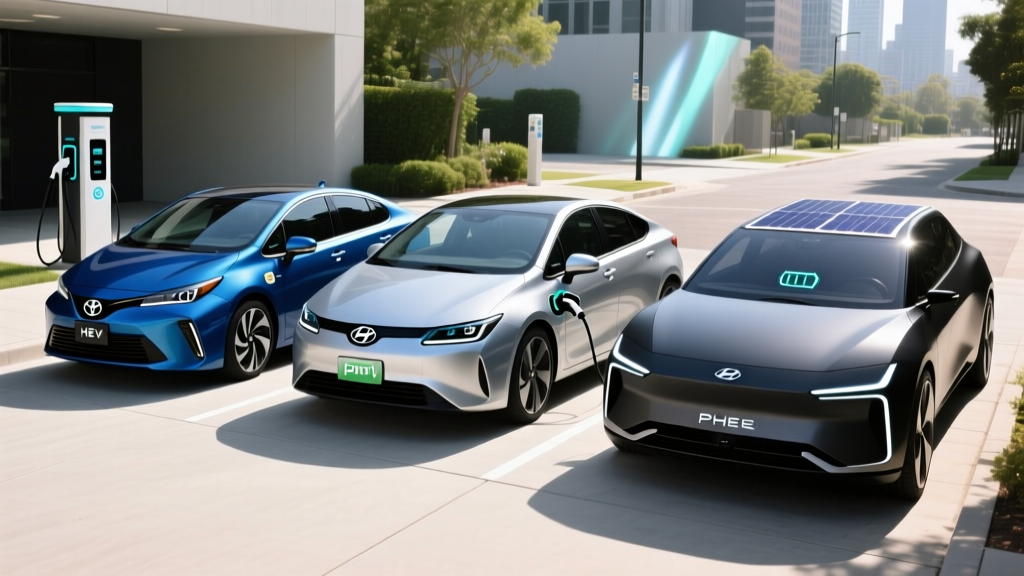
The Camry has never been offered as a plug-in hybrid (PHEV) in the US market. If you need electric-only driving, you'd look at the Toyota Prius Prime (a PHEV with ~40 miles electric-only range) or a full BEV like the Hyundai Ioniq 6. Here's how these three electrified paths compare:
| Factor | Camry Hybrid (HEV) | Prius Prime (PHEV) | Ioniq 6 (BEV) |
|---|---|---|---|
| Needs a plug? | No — self-charging | Yes — for EV range | Yes — always |
| Electric-only range | None (EV assists only) | ~40 miles | ~340 miles (EPA) |
| Total range | ~570 miles | ~440 miles | ~340 miles |
| Home charging needed? | No | Recommended (120V works) | Yes (240V Level 2 ideal) |
| Federal tax credit (§30D) | Not eligible | Up to $7,500* | Up to $7,500* |
| Starting MSRP (2026) | ~$29,990 | ~$33,445 | ~$39,250 |
| Best for | No home charging, high mileage | Short commute + road trips | Home charging, low fuel cost |
*§30D tax credit eligibility depends on buyer income caps, MSRP limits, battery sourcing requirements, and point-of-sale transfer rules. Verify current-year rules at irs.gov or consult a tax professional.
- You live in an apartment or lack access to home/workplace charging
- You drive 15,000+ miles/year and want maximum range without plug-in hassle
- You want a proven, low-maintenance hybrid with a 10-year battery warranty
- Your budget is under $35,000 and you don't qualify for or want to chase tax credits
- You have reliable Level 2 home charging and a commute under 40 miles (PHEV) or 300 miles (BEV)
- You want to minimize or eliminate gasoline use and qualify for the §30D credit
- You want electric-only driving for HOV lane access or zero tailpipe emissions in your neighborhood
2026 Camry Hybrid Powertrain: Specs and Performance
The 2026 Camry Hybrid uses Toyota's fifth-generation hybrid system, pairing a 2.5-liter Dynamic Force four-cylinder engine with one or two electric motors (one for FWD, an additional rear motor for AWD trims).
| Engine | 2.5L inline-4 (Atkinson cycle) |
|---|---|
| Engine horsepower | 184 hp @ 6,000 rpm |
| Front electric motor | 134 hp (100 kW) |
| Combined net horsepower | 225 hp (FWD) / 232 hp (AWD) |
| Hybrid battery | 1.6 kWh lithium-ion (sealed, not user-serviceable) |
| Transmission | eCVT (planetary gearset, no traditional belt/CVT) |
| 0–60 mph | ~7.1 seconds (FWD) |
| Fuel tank | 12.0 gallons (regular unleaded) |
| Total driving range | ~576 miles (LE FWD at 48 combined) |
| Drivetrain | FWD standard; electronic AWD available |
The 1.6 kWh battery is small by PHEV or BEV standards—it exists to buffer energy between the engine, regenerative braking, and the electric motor. It cannot be plugged in and does not provide meaningful electric-only driving beyond low-speed creep maneuvers (typically under 1 mile at speeds below 25 mph). This is by design: the battery cycles shallowly and frequently, which is why Toyota's hybrid batteries last well beyond their warranty periods.
Battery Warranty, Lifespan, and Replacement Cost
Hybrid battery longevity is the single most common concern among first-time hybrid buyers. Here are the facts for the 2026 Camry Hybrid:
- Coverage: 10 years / 150,000 miles (whichever comes first)
- Applies to: Hybrid battery pack, hybrid control module, inverter
- Capacity threshold: Toyota warrants against defects and abnormal degradation; there is no published minimum capacity retention percentage (unlike BEV warranties)
- Transferability: Fully transferable to subsequent owners
In real-world data aggregated from fleet operators and long-term owner surveys, Toyota's lithium-ion hybrid batteries routinely last 150,000–200,000+ miles before any significant capacity loss. Many first-generation Prius packs exceeded 200,000 miles. The 2026 Camry's fifth-gen system uses improved thermal management and shallower cycling strategies that should extend this further.
Out-of-warranty replacement cost: If the hybrid battery does eventually fail (typically at 12–18 years of age), a new OEM replacement runs approximately $2,500–$4,000 including labor at a Toyota dealer. Independent hybrid specialists and refurbished packs can reduce this to $1,500–$2,500. For context, this is comparable to a major transmission repair on a conventional gas car and far less than a BEV battery replacement ($8,000–$20,000+).
The hybrid system also includes a separate hybrid system warranty covering the inverter, converter, and electronic control units for 8 years / 100,000 miles.
Pricing, Trims, and Tax Credit Eligibility
The 2026 Camry Hybrid starts at an accessible price point, but it's important to understand the tax credit situation clearly:
| Trim | Drivetrain | MSRP | Federal §30D Credit |
|---|---|---|---|
| LE | FWD | $29,990 | Not eligible |
| LE | AWD | $31,390 | Not eligible |
| SE | FWD | $31,490 | Not eligible |
| XLE | FWD | $34,190 | Not eligible |
| XSE | AWD | $36,290 | Not eligible |
Why no federal tax credit? The IRS §30D New Clean Vehicle Credit applies only to plug-in electric vehicles (PHEVs and BEVs) with battery capacities of at least 7 kWh. The Camry Hybrid's 1.6 kWh battery does not qualify. This is true for all conventional hybrids (HEVs) regardless of manufacturer.
However, some states and localities offer incentives for hybrid purchases—check your state's energy office or AFDC incentive database for current programs. A few states offer reduced registration fees or HOV lane access for hybrids, though these benefits have largely shifted toward plug-in vehicles.
Pros, Cons, and the Ownership Verdict
- Class-leading 48–51 MPG combined (LE) with no plug-in requirement
- 576-mile total range — fewer fill-ups, ideal for road trips
- 10-year / 150,000-mile hybrid battery warranty
- Low starting price ($29,990) with strong resale value
- Smooth, quiet eCVT powertrain with 225 hp (adequate passing power)
- Toyota Safety Sense 3.0 standard (adaptive cruise, lane-keep, AEB)
- No plug-in option — cannot drive on electric-only power
- No federal tax credit eligibility
- AWD trims lose 1–2 MPG combined
- Highway MPG (41–44) less impressive than city (47–51)
- 2.5L engine can drone under hard acceleration (eCVT characteristic)
- Rear seat and cargo space slightly reduced vs. prior gas-only generations
Frequently Asked Questions
How many MPG does the 2026 Camry Hybrid get?
The EPA rates the Camry Hybrid LE FWD at 51 city / 44 highway / 48 combined MPG. Sportier trims (SE, XLE, XSE) are rated 44–48 combined. In real-world city driving, many owners report 52–55 MPG thanks to regenerative braking. Highway driving at 75 mph typically yields 40–43 MPG.
Does the Camry Hybrid need to be plugged in?
No. The Camry Hybrid is a conventional hybrid (HEV), not a plug-in hybrid (PHEV). It charges its small 1.6 kWh battery through regenerative braking and the gasoline engine. You simply fill it with regular unleaded gasoline—no charging cable, no outlet, no home charger installation required.
How far can the Camry Hybrid go on electric only?
Effectively zero miles in practical terms. The hybrid system uses the electric motor to assist the engine, enable engine-off coasting, and power low-speed creep (under ~25 mph for very short distances). It does not provide meaningful electric-only driving. If you need 30–40 miles of electric-only range, consider the Toyota Prius Prime PHEV instead.
Is the Camry Hybrid reliable? What does battery replacement cost?
Toyota's hybrid system is among the most proven in the industry, with two decades of real-world data. The hybrid battery is warranted for 10 years / 150,000 miles, and real-world lifespan commonly reaches 150,000–200,000+ miles. An out-of-warranty OEM battery replacement costs approximately $2,500–$4,000 at a dealer, or $1,500–$2,500 from an independent hybrid specialist.
Does the Camry Hybrid qualify for any tax credit?
No federal tax credit. The IRS §30D credit requires a plug-in vehicle with a battery of at least 7 kWh. The Camry Hybrid's 1.6 kWh battery does not qualify. Check your state's incentive database at afdc.energy.gov for any local hybrid rebates, though most state programs now prioritize PHEVs and BEVs.
Camry Hybrid vs. Prius: which gets better MPG?
The 2026 Prius Hybrid LE is rated at 57 city / 54 highway / 57 combined—about 9 MPG better than the Camry Hybrid LE. However, the Camry offers significantly more rear-seat legroom (38.0" vs. 34.8"), a larger trunk (15.1 cu ft vs. ~20 cu ft including under-floor), a quieter ride, and available AWD. The Prius wins on efficiency; the Camry wins on comfort and space.
How does the 2026 Camry Hybrid compare to the original 2007 Camry Hybrid?
The original 2007 Camry Hybrid was rated at 33 city / 34 highway / 34 combined—a respectable figure for its era. The 2026 model delivers roughly 41% better combined fuel economy (48 vs. 34 MPG) while producing 225 hp compared to the 2007's 192 hp. That's the result of nearly two decades of hybrid system refinement, a more efficient Atkinson-cycle engine, and lighter lithium-ion batteries replacing the original nickel-metal hydride pack.