Quick Verdict: A Proven Hybrid That Still Delivers in 2026
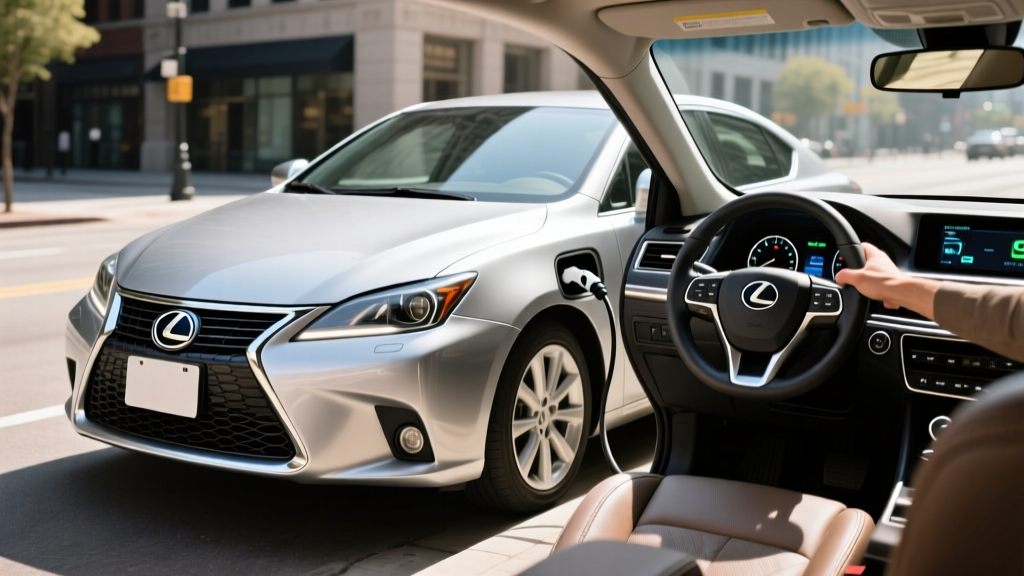
The 2015 Lexus CT 200h hybrid remains one of the most efficient luxury-branded hatchbacks you can buy on the used market. Built on Toyota's third-generation Prius powertrain, it pairs a 1.8-liter Atkinson-cycle four-cylinder with an electric motor for a combined 134 horsepower and an EPA-rated 42 MPG combined. Lexus discontinued the CT 200h in the U.S. after the 2017 model year, but its reputation for bulletproof reliability and low running costs keeps it in strong demand among used hybrid shoppers.
If you're evaluating the 2015 Lexus CT 200h hybrid against newer PHEVs or full EVs, this guide covers the exact fuel economy figures, battery longevity data, replacement costs, and ownership economics you need to make an informed decision in 2026.
HEV vs. PHEV: Where the CT 200h Fits
The 2015 Lexus CT 200h is a conventional hybrid (HEV) — not a plug-in hybrid. This is a critical distinction:
- HEV (Conventional Hybrid): The battery charges exclusively through regenerative braking and the gas engine. You never plug it in. The electric motor assists the engine and enables brief low-speed electric-only driving (typically under 1 mile at very low speeds).
- PHEV (Plug-In Hybrid): Has a larger battery (typically 8–20 kWh) that you plug in to charge, offering 20–50 miles of electric-only range before the gas engine engages.
- BEV (Battery Electric Vehicle): Runs entirely on electricity with no gas engine. Requires plug-in charging and offers 200–400+ miles of range.
The CT 200h's hybrid system is designed for maximum fuel efficiency without any change to your fueling routine. You simply fill up at a gas station like any conventional car — the hybrid system works transparently in the background to cut fuel consumption roughly in half compared to a similarly sized non-hybrid.
Fuel Economy: EPA Ratings and Real-World MPG
| Metric | EPA Rating | Real-World Expectation |
|---|---|---|
| City MPG | 43 MPG | 44–48 MPG (hybrids excel in stop-and-go) |
| Highway MPG | 40 MPG | 37–41 MPG (less regen benefit at steady speed) |
| Combined MPG | 42 MPG | 40–45 MPG depending on driving mix |
| Fuel Tank Capacity | 11.9 gallons | ~450–500 miles per tank |
| Annual Fuel Cost (15,000 mi) | ~$1,050 at $3.10/gal (2026 avg) | |
According to fueleconomy.gov, the 2015 Lexus CT 200h earns 43 city / 40 highway / 42 combined. In real-world ownership, many drivers report exceeding the EPA city figure — this is common with Toyota Hybrid Synergy Drive systems, which recapture significant energy through regenerative braking in urban traffic.
Highway driving tells a different story. At sustained speeds above 70 mph, aerodynamic drag dominates and the electric motor contributes less. Expect highway-only trips to yield 37–40 MPG. Cold weather (below 40°F) reduces fuel economy by roughly 5–10% as the engine runs more frequently to maintain cabin heat and battery temperature.
Hybrid Battery Warranty & Lifespan
Original warranty: 8 years / 100,000 miles (10 years / 150,000 miles in CARB states including CA, NY, MA, and others).
Real-world lifespan: Toyota/Lexus hybrid batteries in the CT 200h platform commonly last 150,000–200,000+ miles with proper maintenance. Many 2010–2015 Prius and CT 200h examples have exceeded 200,000 miles on the original battery pack.
Replacement cost (2026): A new OEM hybrid battery from Lexus costs approximately $3,500–$4,500 installed. Refurbished/remanufactured units are available for $1,500–$2,500 installed from independent hybrid specialists.
Powertrain Specifications
| Specification | 2015 Lexus CT 200h |
|---|---|
| Powertrain Type | Conventional Hybrid (HEV) |
| Gas Engine | 1.8L 4-cylinder Atkinson cycle (98 hp, 105 lb-ft) |
| Electric Motor | Permanent magnet synchronous (80 hp / 60 kW) |
| Combined Net Horsepower | 134 hp |
| Hybrid Battery | 1.3 kWh Nickel-Metal Hydride (NiMH) |
| Transmission | ECVT (electronically controlled CVT) |
| 0–60 mph | 9.8 seconds |
| Drivetrain | Front-wheel drive |
| Curb Weight | 3,130 lbs |
| Cargo Volume | 14.3 cu ft (rear seats up) |
| Plug-In Required? | No — refuels at gas station only |
The CT 200h shares its Hybrid Synergy Drive powertrain with the third-generation Toyota Prius (2010–2015). The 1.3 kWh NiMH battery pack is small by modern standards — it exists to buffer energy for acceleration assist and regenerative braking, not to provide meaningful electric-only range. At low speeds (under ~25 mph) with a light throttle, the CT 200h can travel roughly 0.5–1 mile on electric power alone before the gas engine engages.
Performance is adequate rather than quick. The 9.8-second 0–60 time is slower than most modern compact hatchbacks. The ECVT delivers smooth, seamless acceleration without the rubber-band feeling of traditional CVTs, but passing power on highway on-ramps requires a deliberate foot. This is a car optimized for efficiency, not sportiness — despite the "F Sport" trim's cosmetic enhancements.
Used Market Pricing and Tax Credit Eligibility
As of early 2026, the 2015 Lexus CT 200h trades on the used market in these ranges:
- Base trim (80,000–110,000 miles): $11,000–$14,500
- Premium/F Sport trim (60,000–90,000 miles): $13,500–$17,000
- Low-mileage examples (under 50,000 miles): $16,000–$19,500
Does the 2015 CT 200h Qualify for Any Tax Credit?
Federal §30D New EV Credit: No. This credit applies only to new plug-in vehicles (PHEVs and BEVs) with qualifying battery sourcing. The CT 200h is a conventional hybrid and was never eligible.
Used Clean Vehicle Credit (§25E): No. The IRS used-EV credit of up to $4,000 requires the vehicle to be a plug-in electric vehicle (PHEV or BEV) with a battery capacity of at least 7 kWh. The CT 200h's 1.3 kWh NiMH battery does not qualify. Per IRS guidelines, conventional hybrids are excluded from both new and used federal tax credits.
State incentives: Most state-level incentives in 2026 target plug-in vehicles. A handful of states previously offered rebates for conventional hybrids, but these have largely expired. Check your state's energy office for any remaining programs.
Reliability, Maintenance, and Long-Term Ownership
The 2015 Lexus CT 200h benefits from one of the most proven hybrid powertrains ever produced. Toyota's Hybrid Synergy Drive has accumulated hundreds of billions of real-world miles across the Prius, Camry Hybrid, and Lexus CT/HS/ES lines. The 1.8L 2ZR-FXE engine is a low-stress Atkinson-cycle design known for exceptional longevity.
Key reliability considerations for 2026 buyers:
- Hybrid battery: At 11 years old, many original CT 200h batteries are still functioning, but capacity loss (degradation) is expected. Have a hybrid specialist perform a battery health check before purchase. Warning signs of a failing pack include reduced fuel economy, the engine running more frequently, and dashboard warning lights.
- Inverter coolant pump: A known wear item on this generation. Replacement is ~$400–$600. Listen for unusual whining from the engine bay.
- EGR (exhaust gas recirculation) system: The EGR valve and cooler can clog with carbon over time, causing rough idle or a check-engine light. A $200–$400 cleaning every 80,000–100,000 miles is recommended preventive maintenance.
- Brake actuator: The regenerative braking system uses an electro-hydraulic actuator. Some owners report failures around 120,000–150,000 miles. Replacement cost: $1,200–$1,800.
- 12V auxiliary battery: Like all hybrids, the CT 200h has a standard 12V battery (located in the rear cargo area). If the car won't start or shows electrical gremlins, this is often the culprit — not the hybrid battery.
For a deeper look at reliability data, NHTSA lists 3 recalls for the 2015 CT 200h related to airbag inflators and fuel system components — verify all recall work has been completed before purchasing.
CT 200h vs. Alternatives: Hybrid, PHEV, or Full EV?
2015 Lexus CT 200h Pros
- 42 MPG combined with zero lifestyle change (no plugging in)
- Exceptional long-term reliability — proven Toyota hybrid system
- Low annual fuel cost (~$1,050/yr at 15,000 miles)
- Lexus build quality, quiet cabin, premium materials
- Strong resale value; parts widely available
- No range anxiety — 450+ miles per tank
2015 Lexus CT 200h Cons
- Slow acceleration (9.8 sec 0–60) — underpowered for highway merging
- Small 14.3 cu ft cargo area for a hatchback
- Dated infotainment — no Apple CarPlay/Android Auto
- Firm ride quality, especially with 17" F Sport wheels
- Rear visibility is limited; backup camera was optional in 2015
- No federal or state tax credit eligibility
Who Should Choose the 2015 CT 200h vs. Alternatives?
Choose the 2015 Lexus CT 200h if:
- You want maximum MPG without changing your fueling routine (no charging required)
- You lack access to home or workplace charging, making a PHEV or EV impractical
- You prioritize long-term reliability and low maintenance costs over performance
- Your budget is $12,000–$18,000 for a used luxury hatchback
- You drive a mix of city and highway and want proven real-world efficiency
Consider a used PHEV (e.g., 2017–2020 Prius Prime) if:
- You have home Level 2 charging access and want 25 miles of electric-only commuting
- You want to reduce gas consumption further while retaining a gas engine for road trips
Consider a used EV (e.g., 2019–2022 Nissan LEAF or Chevy Bolt) if:
Ownership Cost Breakdown: 5-Year Projection
Here's what owning a 2015 Lexus CT 200h actually costs over five years, assuming 15,000 miles/year and a $14,000 purchase price:
| Cost Category | Annual | 5-Year Total |
|---|---|---|
| Fuel (42 MPG, $3.10/gal) | $1,107 | $5,535 |
| Insurance (national avg) | $1,350 | $6,750 |
| Maintenance (oil, tires, brakes) | $600 | $3,000 |
| Potential hybrid battery replacement | — | $0–$4,000 (if needed) |
| Depreciation (est. $14K → $8K) | — | $6,000 |
| Total (excluding battery replacement) | ~$21,285 |
For comparison, a non-hybrid compact hatchback averaging 28 MPG combined would cost approximately $8,300 in fuel over the same period — nearly $2,800 more. The CT 200h's fuel savings partially offset its potentially higher insurance premiums (Lexus badge) and the risk of hybrid battery replacement.
Frequently Asked Questions
How many MPG does the 2015 Lexus CT 200h get?
The EPA rates the 2015 CT 200h at 43 city / 40 highway / 42 combined MPG. In real-world driving, city-heavy commuters often see 44–48 MPG thanks to aggressive regenerative braking, while highway-only driving at 75+ mph typically yields 37–40 MPG. Cold weather reduces efficiency by 5–10%.
Is the 2015 Lexus CT 200h a plug-in hybrid?
No. The CT 200h is a conventional hybrid (HEV). You never plug it in. The 1.3 kWh NiMH battery charges automatically through regenerative braking and the gas engine. It cannot be charged from an external power source, and it provides only minimal electric-only driving (under 1 mile at low speeds).
How much does a replacement hybrid battery cost?
In 2026, a new OEM Lexus hybrid battery for the CT 200h costs approximately $3,500–$4,500 including installation at a dealer. Refurbished or remanufactured batteries from independent hybrid specialists run $1,500–$2,500 installed. Many original batteries last 150,000–200,000+ miles, so replacement is not guaranteed to be necessary.
Is the 2015 CT 200h reliable?
Yes. The CT 200h uses Toyota's third-generation Hybrid Synergy Drive, one of the most thoroughly proven hybrid systems in automotive history. The 1.8L engine is low-stress and long-lasting. Primary concerns for 11-year-old examples include hybrid battery health, EGR system clogging, and brake actuator wear — all of which are well-documented and serviceable.
Does the 2015 Lexus CT 200h qualify for any tax credit?
No. Federal tax credits (§30D for new vehicles and §25E for used) require a plug-in vehicle with a battery of at least 4–7 kWh. The CT 200h's 1.3 kWh NiMH battery and conventional hybrid architecture make it ineligible for any current federal or most state incentive programs.
How does the CT 200h compare to the Toyota Prius?
The 2015 CT 200h shares its entire powertrain with the 2015 Toyota Prius, including the 1.8L engine, electric motor, and ECVT. The Prius achieves slightly better EPA ratings (48/45/50 vs. 43/40/42) due to its more aerodynamic shape and lighter weight. The CT 200h trades a few MPG for a more premium interior, quieter cabin, and Lexus dealership experience. Mechanically, they are nearly identical.
Should I buy a used CT 200h or a newer EV?
It depends on your charging access and budget. If you can charge at home and spend $20,000–$30,000, a newer EV like the Chevy Bolt or Hyundai Kona Electric will deliver lower running costs and better performance. If you lack charging access, drive long or unpredictable distances, or want to stay under $18,000, the CT 200h is a smart, low-risk choice that requires zero infrastructure investment.