Quick Verdict: A Pioneering Hybrid SUV Showing Its Age
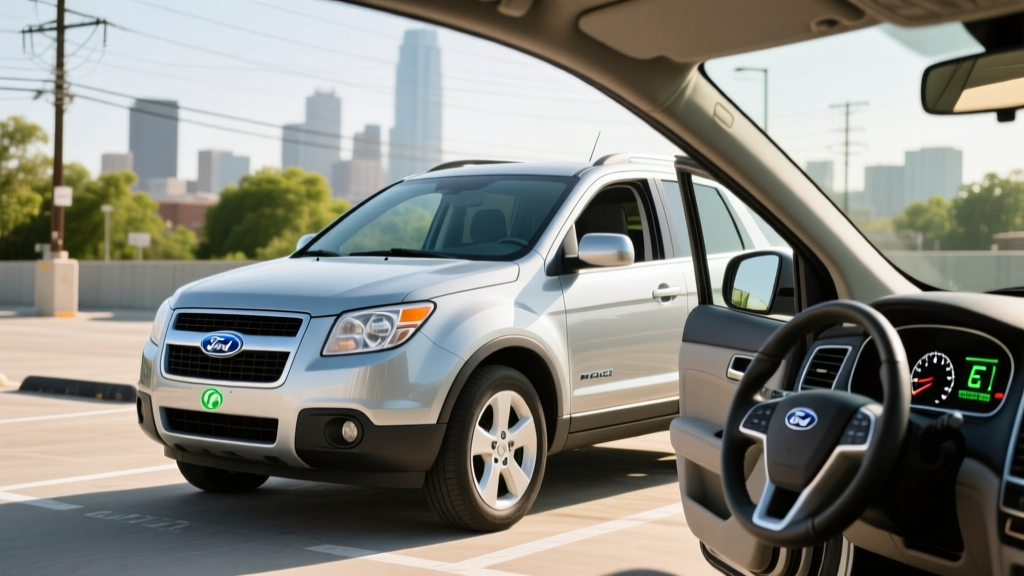
The 2011 Ford Escape Hybrid was one of the first mainstream hybrid SUVs to reach American driveways, pairing a 2.5-liter Atkinson-cycle four-cylinder with an electric motor for an EPA-rated 34 MPG combined. Over a decade later, it remains a budget-friendly entry point for hybrid-curious buyers who want SUV practicality without plug-in complexity. But with a 14-year-old nickel-metal hydride (NiMH) battery pack and aging powertrain electronics, prospective used buyers need to go in with eyes wide open about battery replacement risk and what this vehicle can — and cannot — deliver in 2026.
This guide covers the exact fuel economy figures, battery longevity data, real-world ownership costs, and how the Escape Hybrid stacks up against modern hybrid and plug-in hybrid alternatives. If you're considering one on the used market, this is everything you need to know before handing over the cash.
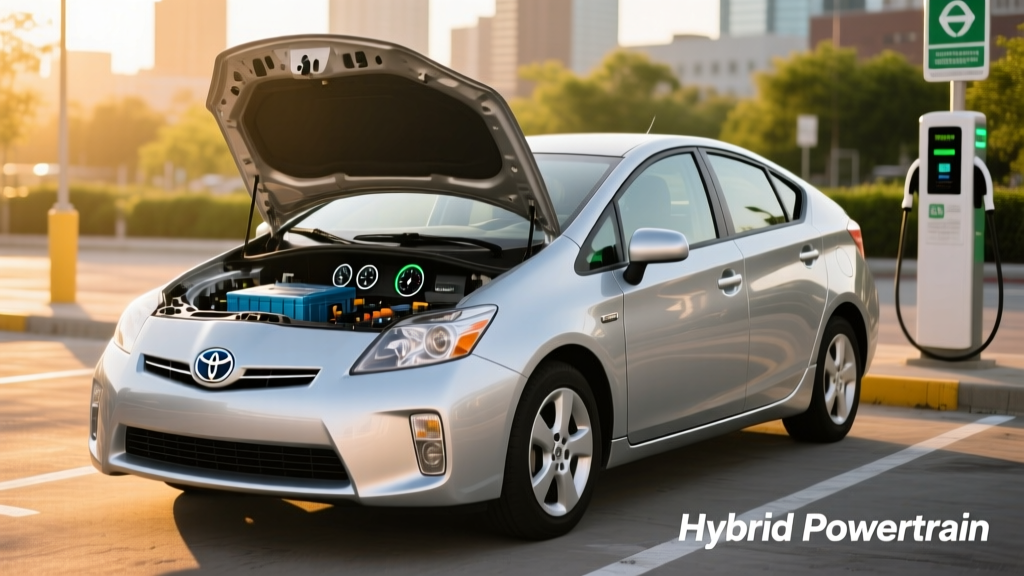
The 2011 Ford Escape Hybrid is a conventional hybrid electric vehicle (HEV). It charges its battery exclusively through regenerative braking and the gasoline engine — there is no plug, no electric-only driving range, and no external charging capability. This is fundamentally different from a plug-in hybrid (PHEV) like the modern Toyota RAV4 Prime or Ford Escape PHEV, which offers 30-40 miles of electric-only range and requires plugging in to access that benefit. The Escape Hybrid operates like a standard gas car at the fuel pump; you simply drive it and let the hybrid system optimize efficiency behind the scenes.
2011 Ford Escape Hybrid Fuel Economy: EPA Numbers and Real-World MPG
The EPA rated the 2011 Ford Escape Hybrid at 34 MPG city / 31 MPG highway / 34 MPG combined for the front-wheel-drive model. The all-wheel-drive variant drops slightly to 31 city / 29 highway / 31 combined. These figures made it one of the most efficient compact SUVs of its era, trailing only the Toyota Highlander Hybrid among SUV nameplates.
| Metric | FWD | AWD |
|---|---|---|
| City MPG | 34 | 31 |
| Highway MPG | 31 | 29 |
| Combined MPG | 34 | 31 |
| Fuel Tank Capacity | 16.5 gal | 16.5 gal |
| Total Range (est.) | ~561 mi | ~512 mi |
Source: fueleconomy.gov
Like most conventional hybrids, the Escape Hybrid tends to exceed its EPA city rating in stop-and-go traffic, where regenerative braking and electric-motor assist do the most work. Owners on Fuelly and hybrid forums report 33-36 MPG in mixed city driving when the battery is healthy. Highway efficiency drops more noticeably — expect 28-30 MPG at 70+ mph, as the electric motor provides minimal assist at sustained high speeds and the aerodynamic profile of an SUV works against you.
Cold-weather penalty: In sub-freezing temperatures, the gasoline engine runs more frequently to maintain cabin heat and battery temperature, reducing observed fuel economy by 10-15%. Winter FWD owners report 28-30 MPG combined in northern climates.
Powertrain Specs: Engine, Motor, and Combined Output
The 2011 Escape Hybrid uses Ford's second-generation hybrid synergy system, co-developed with Aisin (the same supplier behind Toyota's hybrid transaxles). The powertrain combines a naturally aspirated 2.5-liter Atkinson-cycle inline-four with a permanent-magnet electric motor, mated to an electronically controlled continuously variable transmission (eCVT).
| Component | Specification |
|---|---|
| Gasoline Engine | 2.5L Atkinson-cycle I4, 156 HP @ 6,000 rpm, 136 lb-ft torque |
| Electric Motor | Permanent-magnet AC synchronous, ~94 HP (70 kW) |
| Combined Net Output | 177 HP |
| Transmission | eCVT (planetary gearset, no traditional belts) |
| Hybrid Battery | NiMH (nickel-metal hydride), ~1.8 kWh, 330V nominal |
| 0-60 mph | ~9.5 seconds (FWD) |
| Drivetrain Options | FWD or AWD (eCVT-based, no mechanical driveshaft on AWD) |
| Curb Weight | ~3,830 lbs (FWD) |
The Atkinson-cycle engine sacrifices low-RPM torque for superior thermal efficiency, while the electric motor fills in the torque gap off the line. The result is adequate acceleration for merging and city driving, though the Escape Hybrid feels its weight on steep highway grades. The eCVT is a proven, durable design — unlike belt-driven CVTs in some competitors, this planetary-gear system has no wearable belts or cones.
Hybrid Battery Longevity, Warranty, and Replacement Cost
The 2011 Escape Hybrid's NiMH battery pack was originally covered by Ford's hybrid component warranty: 8 years / 100,000 miles (extended to 10 years / 150,000 miles in California Air Resources Board states and those that adopted CARB emissions standards). As of 2026, every 2011 model year vehicle has aged out of factory warranty coverage, meaning any battery failure is an out-of-pocket expense for the current owner.
OEM replacement: A new Ford NiMH battery pack for the 2011 Escape Hybrid costs approximately $2,500-$3,500 for the part alone, with dealer installation bringing the total to $3,500-$5,000.
Aftermarket/remanufactured: Several hybrid battery specialists offer reconditioned NiMH packs for $1,200-$2,200 installed. These typically carry a 1-3 year warranty.
Cell-level repair: Some independent hybrid shops can identify and replace individual failed modules within the pack for $500-$1,000, though this is a temporary fix if the remaining cells are also degrading.
How Long Does the Battery Actually Last?
NiMH batteries in the Escape Hybrid have proven reasonably durable, with many original packs reaching 150,000-200,000 miles before significant degradation. However, age is as much a factor as mileage. A 2011 model with 90,000 miles that sat unused for extended periods may have a weaker pack than one with 160,000 miles driven consistently.
Warning signs of a failing hybrid battery include:
- Noticeable drop in fuel economy (5+ MPG below historical averages)
- The gasoline engine running constantly, even at low speeds and stops
- Dashboard warning: "Check Hybrid System" or battery-state-of-charge display staying in the red/low zone
- Reduced regenerative braking feel
Before purchasing, request a hybrid battery health scan using a scan tool that reads individual module voltages. A healthy pack shows module voltages within 0.2V of each other; wider variance signals cell imbalance and impending failure.
Used Market Pricing and Tax Credit Eligibility
The 2011 Ford Escape Hybrid originally started at approximately $30,570 MSRP for the FWD Limited trim (the hybrid was only offered in the higher trim level). In the 2026 used market, expect to pay:
- $5,500-$8,000 — examples with 120,000-170,000+ miles, potential battery concerns
- $8,000-$11,000 — well-maintained examples with 80,000-120,000 miles, documented service history
- $11,000-$14,000 — low-mileage survivors under 80,000 miles with recent battery health checks
Does the 2011 Escape Hybrid Qualify for Any Tax Credit?
No. The federal §30D new clean vehicle credit applies only to new vehicle purchases and has specific battery-sourcing, MSRP cap, and buyer income requirements under current IRS rules. The 2011 Escape Hybrid does not qualify.
For used vehicles, the §25E Used Clean Vehicle Credit offers up to $4,000 (30% of sale price, capped) but requires the vehicle to be a plug-in electric vehicle or fuel cell vehicle with a battery capacity of at least 7 kWh. The Escape Hybrid is a conventional HEV with a ~1.8 kWh NiMH pack — it does not meet the threshold. No federal tax credit is available for this vehicle.
Some states may offer minimal incentives for used hybrid purchases, but these are uncommon and vary by jurisdiction. Check your state's energy office or department of environmental quality for current programs.
2011 Escape Hybrid vs Modern Alternatives: HEV, PHEV, or Full EV?
The hybrid landscape has shifted dramatically since 2011. Here's how the Escape Hybrid compares to the options a budget-conscious SUV buyer faces today:
| Factor | 2011 Escape Hybrid (HEV) | Used PHEV (e.g., 2019+ RAV4 Prime) | Used BEV (e.g., 2020+ Tesla Model Y) |
|---|---|---|---|
| Typical Used Price (2026) | $6K-$13K | $28K-$40K | $22K-$35K |
| Fuel Economy / Efficiency | 31-34 MPG combined | 38-42 MPG + 30-42 mi electric | 110-130 MPGe |
| Plugs In? | No | Yes (Level 1/2) | Yes (Level 1/2/DC) |
| Home Charging Needed? | No | Recommended | Essential |
| Federal Tax Credit (Used §25E) | Not eligible | Up to $4,000 (if eligible) | Up to $4,000 (if eligible) |
| Battery Replacement Risk | Moderate-High (age) | Low-Moderate | Moderate (degradation) |
| Annual Fuel Cost (12K mi/yr) | ~$1,100-$1,300 | ~$500-$900 (with home charging) | ~$400-$700 (with home charging) |
Choose the 2011 Escape Hybrid if: Your budget is under $12,000, you lack home charging access (apartment/street parking), you drive mostly in the city where hybrid efficiency shines, and you want zero behavior change from a gas car.
Choose a used PHEV if: You can install a Level 2 charger at home, your daily commute is under 40 miles (coverable on electric), and you want the flexibility of gas for road trips while cutting fuel costs 50-70% on weekdays.
Choose a used BEV if: You have reliable home charging, your household has a second gas car for long trips (or you're comfortable planning DC fast-charge stops), and you want the lowest per-mile operating cost and minimal maintenance.
Reliability and Common Issues Beyond the Battery
The 2011 Escape Hybrid benefits from a proven powertrain lineage — the eCVT and hybrid system are mechanically simpler than conventional automatic transmissions, with no torque converter, clutch packs, or traditional friction brakes doing the primary stopping work (regen handles most deceleration, extending pad life to 80,000-120,000 miles in many cases).
Known problem areas to inspect before buying:
- Brake actuator assembly: The electrohydraulic brake system can develop faults around 100,000-140,000 miles. Replacement runs $1,200-$2,000. Test for firm, consistent pedal feel and listen for unusual pump cycling.
- Electric power steering (EPS): Some owners report EPS motor or sensor failures. Check for warning lights and smooth assist at low speeds.
- Coolant system: The hybrid system has a separate inverter coolant loop. Verify it has been serviced per schedule; neglected inverter coolant can lead to expensive hybrid-system faults.
- A/C compressor: The Escape Hybrid uses an electric A/C compressor (required because the engine shuts off at stops). These are more expensive to replace than belt-driven units — budget $800-$1,400 if it fails.
- Rust: Check rear wheel arches, rocker panels, and the subframe, especially on vehicles from salt-belt states.
The NHTSA lists several recalls for the 2011 Escape Hybrid, including a significant one related to the brake motor/actuator. Confirm all recalls have been performed — any Ford dealer can check this with the VIN at no cost.
Pros, Cons, and Final Assessment
Pros
- Strong city MPG (34 EPA, often exceeded in real-world stop-and-go)
- No plug-in required — zero infrastructure or behavior change
- Proven eCVT durability with minimal moving parts
- Extended brake pad life from regenerative braking
- Low used-market entry price ($6K-$13K)
- Competent cargo space (29.2 cu ft behind rear seats)
Cons
- Aged NiMH battery with no remaining warranty — $2,500-$5,000 replacement risk
- Highway MPG underwhelming (29-31) compared to modern hybrids
- Sluggish acceleration (9.5s to 60 mph) by current standards
- Outdated infotainment — no Apple CarPlay/Android Auto, basic SYNC
- No federal or state tax credit eligibility
- Increasingly difficult to find hybrid-qualified technicians
At its current used-market price, the 2011 Ford Escape Hybrid can be a rational purchase for a specific buyer: someone with a tight budget, no home charging option, and primarily urban driving needs. The fuel savings over a comparable gas-only Escape are meaningful — roughly $400-$600 per year at current gas prices and 12,000 miles driven annually. However, that savings can evaporate in a single battery replacement event.
If you're spending $8,000-$10,000 on a used Escape Hybrid, set aside $2,000-$3,000 as a battery contingency fund. If the battery has been recently replaced with documentation, that's a significant value-add. If the original 14-year-old pack is still in the car, assume it's on borrowed time.
Frequently Asked Questions
How many MPG does the 2011 Ford Escape Hybrid actually get?
The EPA rates it at 34 city / 31 highway / 34 combined for FWD, and 31/29/31 for AWD. Real-world owners report 33-36 MPG in city-heavy driving with a healthy battery. Highway driving at 70+ mph typically yields 28-30 MPG. Cold weather can reduce combined figures by 10-15%.
Does the 2011 Escape Hybrid need to be plugged in?
No. This is a conventional hybrid (HEV), not a plug-in hybrid. The battery charges through regenerative braking and the gasoline engine. You fuel it exactly like a regular gas car — there is no plug, no charging cable, and no electric-only driving mode.
How much does it cost to replace the hybrid battery?
An OEM Ford replacement runs $3,500-$5,000 installed at a dealer. Remanufactured aftermarket packs cost $1,200-$2,200 installed from hybrid specialists. Individual cell-module repair is possible for $500-$1,000 but may be a temporary fix. Given the vehicle's age, a remanufactured pack is often the most cost-effective option.
Is the 2011 Escape Hybrid reliable?
The hybrid powertrain itself (eCVT, motor, power electronics) has proven durable, with many examples exceeding 200,000 miles. The main reliability concern in 2026 is battery age — NiMH cells degrade with time regardless of mileage. Other known issues include the brake actuator assembly, electric A/C compressor, and electric power steering. Check for open NHTSA recalls and service records before purchasing.
Does the 2011 Escape Hybrid qualify for any tax credit?
No. It is not eligible for the federal §30D new vehicle credit (it's not a new vehicle, and conventional HEVs have never qualified). It also does not qualify for the §25E used clean vehicle credit, which requires a plug-in electric vehicle with at least 7 kWh of battery capacity. The Escape Hybrid has a ~1.8 kWh NiMH pack and no plug. No federal tax incentives apply.
Should I buy a 2011 Escape Hybrid or a newer used hybrid?
If your budget allows $18,000-$25,000, a 2017-2020 Toyota RAV4 Hybrid or Honda CR-V Hybrid offers significantly better fuel economy (39-41 MPG combined), modern safety tech (automatic emergency braking, lane-keeping), Apple CarPlay/Android Auto, and a hybrid battery with remaining warranty life. The Escape Hybrid makes sense only if your budget is strictly under $12,000 and you accept the battery replacement risk as a calculated tradeoff for a low purchase price.