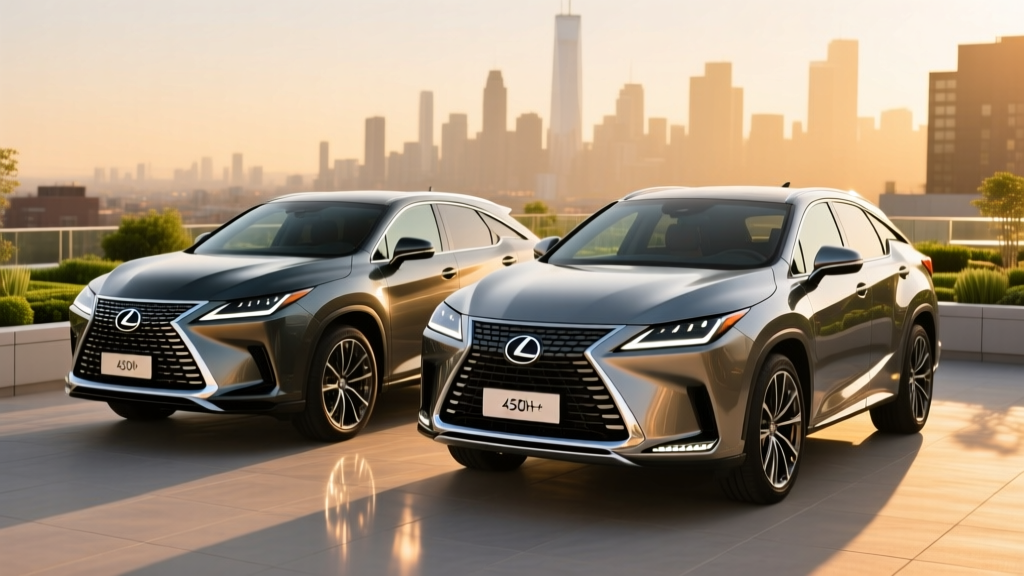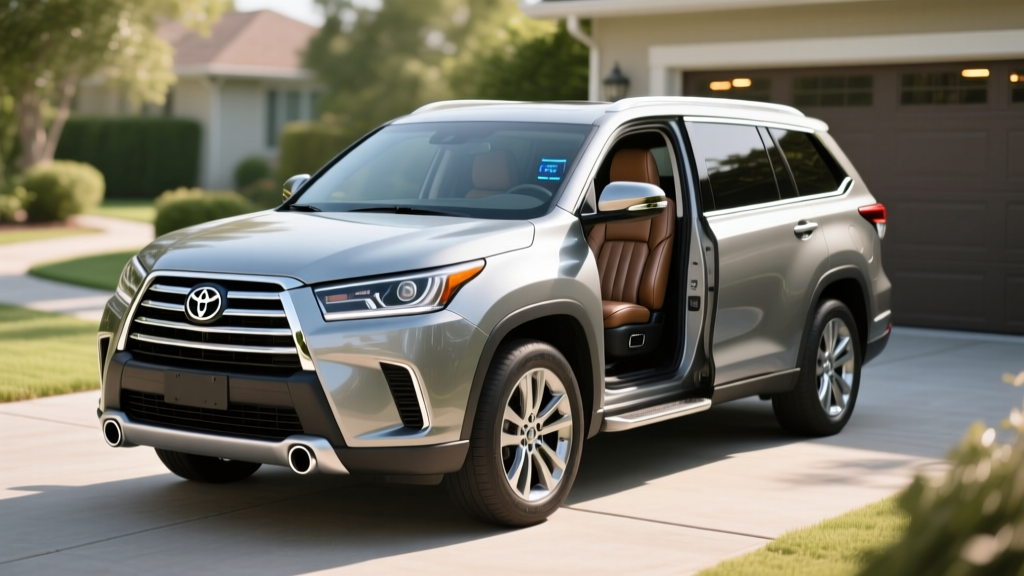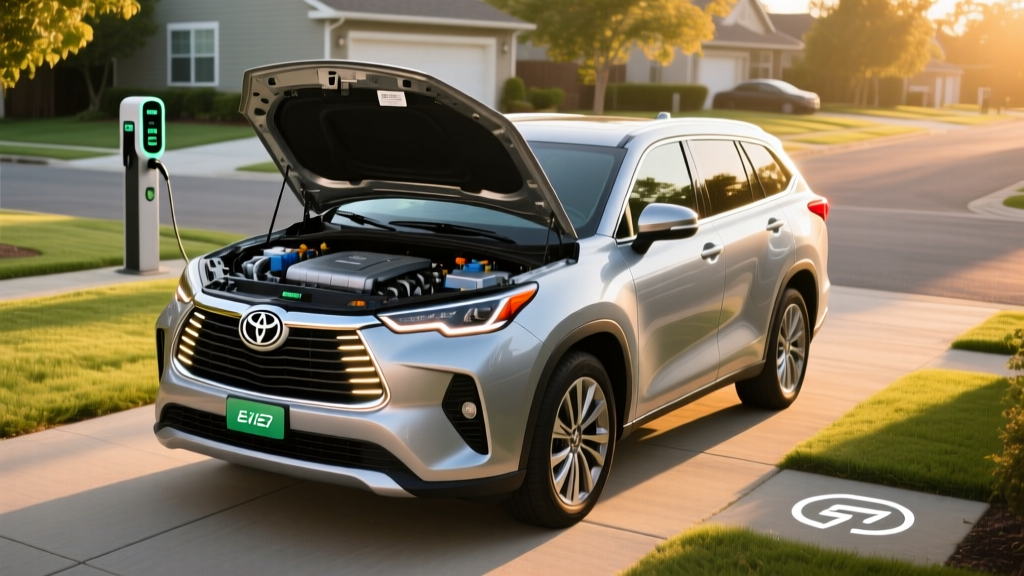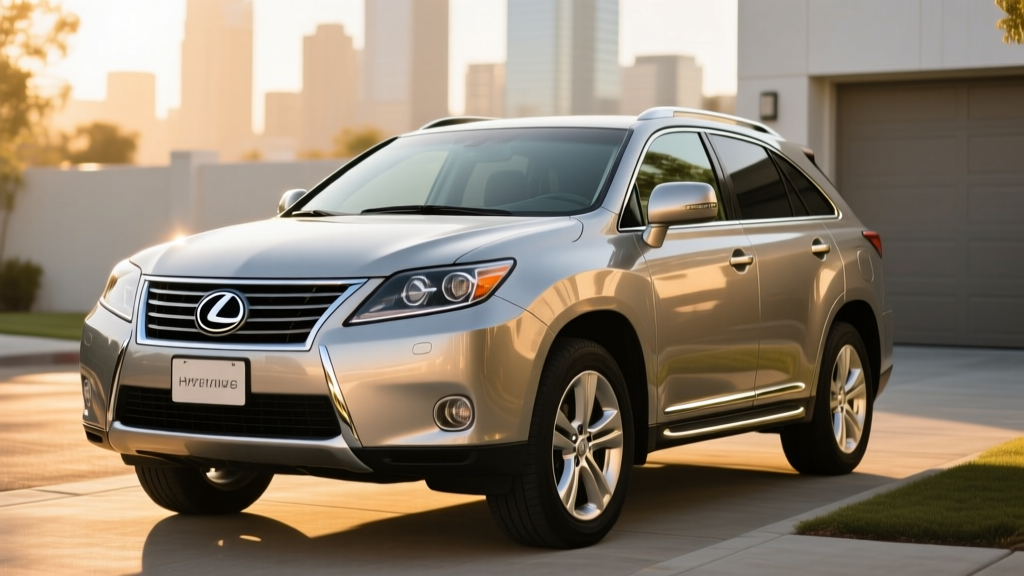
The 2006 Lexus RX 400h was the first luxury hybrid SUV sold in the United States, pairing a 3.3-liter V6 with Toyota's Hybrid Synergy Drive to deliver V8-like acceleration with four-cylinder fuel economy. Nearly two decades later, this pioneering hybrid remains a popular used-car target — but prospective buyers need clear data on battery health, real-world MPG, and repair costs before signing any paperwork.
This guide covers everything a 2026 buyer needs to know about the 2006 Lexus hybrid SUV: EPA fuel economy versus real-world numbers, hybrid battery lifespan and replacement cost, powertrain specs, and how the RX 400h stacks up against modern hybrids, PHEVs, and full EVs.
What Is the 2006 Lexus RX 400h?
The 2006 Lexus RX 400h is a conventional hybrid electric vehicle (HEV) — not a plug-in hybrid. It charges its own battery through regenerative braking and the gasoline engine. There is no charging port, no plug, and no electric-only driving range beyond a few low-speed miles. If you see listings referencing a "2006 Lexus hybrid SUV," they are almost certainly describing the RX 400h, as it was the only hybrid model Lexus offered that year.
HEV vs PHEV — What's the Difference?
| Feature | HEV (RX 400h) | PHEV (e.g., 2026 Lexus NX 450h+) |
|---|---|---|
| Plug-in charging | No — self-charging | Yes — Level 1 or Level 2 |
| Electric-only range | ~1 mile at low speed | ~37 miles (EPA) |
| Battery size | ~1.6 kWh (NiMH) | ~18.1 kWh (lithium-ion) |
| Federal tax credit | No (expired) | Up to $7,500 if eligible |
| Regenerative braking | Yes | Yes |
Fuel Economy: EPA MPG vs Real-World Numbers
The EPA rated the 2006 Lexus RX 400h at 31 MPG city / 27 MPG highway / 28 MPG combined for the front-wheel-drive model, and 31/27/28 MPG for the all-wheel-drive variant, according to fueleconomy.gov. These numbers were exceptional for a 4,500-pound luxury SUV in 2006.
| Drivetrain | City MPG | Highway MPG | Combined MPG |
|---|---|---|---|
| FWD | 31 | 27 | 28 |
| AWD (E-Four) | 31 | 27 | 28 |
Real-World MPG Expectations in 2026
Hybrids typically exceed their EPA city rating in stop-and-go traffic because regenerative braking recaptures energy. However, a 20-year-old RX 400h with a degraded hybrid battery may see 22–26 MPG combined in real-world use. Owner forums and long-term reports commonly cite:
- Healthy battery: 26–30 MPG combined (close to EPA)
- Degraded battery (15+ years): 22–25 MPG combined
- Highway-dominant driving: 25–28 MPG (hybrids are less efficient on the highway where regen braking contributes less)
If the hybrid battery has been replaced or refurbished, expect fuel economy to return near the original EPA sticker. This is the single most important variable when evaluating a used 2006 RX 400h.
Powertrain and Performance Specs
The RX 400h uses Toyota's second-generation Hybrid Synergy Drive, combining a 3.3-liter V6 gasoline engine with front and rear electric motors. The result was 272 net system horsepower — more than the gas-only RX 350 of the same era.
| Specification | 2006 Lexus RX 400h |
|---|---|
| Engine | 3.3L V6 (3MZ-FE), 211 hp |
| Front electric motor | 123 kW (165 hp) |
| Rear electric motor (AWD) | 50 kW (67 hp) |
| Net system horsepower | 272 hp |
| Transmission | eCVT (planetary gearset) |
| Hybrid battery | NiMH, ~1.6 kWh (usable ~0.8 kWh) |
| 0–60 mph | ~7.3 seconds |
| Curb weight | ~4,500 lbs |
| Towing capacity | 3,500 lbs |
The eCVT is not a belt-driven CVT like those in some competitors — it's a planetary gearset with no belts or pulleys to wear out. This is a major reliability advantage and a reason the powertrain routinely exceeds 200,000 miles with basic maintenance.
Hybrid Battery: Lifespan, Warranty, and Replacement Cost
The 2006 RX 400h uses a nickel-metal hydride (NiMH) battery pack located under the rear seat. Lexus originally warranted this battery for 8 years / 100,000 miles (10 years / 150,000 miles in California Air Resources Board states). That factory warranty has long expired for all 2006 models.
Battery Lifespan & Replacement Cost
- Original chemistry: NiMH (nickel-metal hydride)
- Typical lifespan: 12–18 years / 150,000–200,000+ miles
- New OEM replacement: $3,000–$4,500 (dealer-installed)
- Refurbished/remanufactured: $1,500–$2,500 (independent shop)
- Individual module replacement: $300–$800 (replacing only failed cells)
Most 2006 RX 400h examples on the road today have either had a battery replacement or will need one soon. Before purchasing, request a hybrid battery health report — many independent shops and dealerships can read the battery's State of Health (SoH) via OBD-II scan tool. Look for a block voltage variance under 0.2V and an SoH reading above 70%.
Signs of a Failing Hybrid Battery
- Noticeable drop in fuel economy (below 22 MPG)
- Engine running more frequently at stops
- Dashboard warning: "Check Hybrid System"
- Rapid state-of-charge swings on the energy monitor
- Reduced regenerative braking feel
Reliability and Long-Term Ownership Costs
The RX 400h benefits from the same powertrain architecture as the Toyota Highlander Hybrid and Camry Hybrid — one of the most proven hybrid systems ever built. The 3MZ-FE V6 engine is known for longevity, and the eCVT transmission has no friction bands or clutches to replace.
Common non-hybrid maintenance items for a 20-year-old RX 400h include:
- Inverter coolant pump: Known to fail around 120,000–150,000 miles (~$300–$500 replacement)
- 12V auxiliary battery: Standard replacement every 4–5 years (~$200)
- Brake actuator assembly: Some owners report failure past 150,000 miles ($800–$1,500)
- Rack-and-pinion steering: Occasional leaks on high-mileage examples
Overall, the RX 400h is one of the most reliable luxury SUVs of its era, provided the hybrid battery is healthy. Total annual maintenance for a well-maintained example typically runs $600–$1,200, far less than comparable German luxury SUVs of the same vintage.
Tax Credits and Purchase Pricing in 2026
The 2006 Lexus RX 400h originally qualified for a federal hybrid tax credit of up to $2,200 under pre-2010 energy legislation. That credit expired long ago, and the vehicle does not qualify for the current §30D Clean Vehicle Credit, which applies only to new plug-in electric vehicles meeting battery sourcing and MSRP requirements under current IRS guidelines.
Used Market Pricing (2026 Estimates)
| Condition | Mileage Range | Estimated Price |
|---|---|---|
| Fair (original battery, high miles) | 180,000+ | $3,000–$4,500 |
| Good (battery replaced or healthy) | 120,000–170,000 | $5,000–$7,500 |
| Excellent (low miles, documented service) | Under 120,000 | $8,000–$11,000 |
At these prices, the RX 400h competes with newer non-hybrid crossovers. The fuel savings over a comparable gas-only SUV of this era (say, a 2006 BMW X5 at 16 MPG combined) can amount to $800–$1,200 per year at 15,000 miles driven annually with gas at $3.50/gallon.
2006 RX 400h vs Modern Hybrids, PHEVs, and EVs
How does this 20-year-old hybrid compare to what you can buy new today? The landscape has shifted dramatically.
| Vehicle | Type | Combined MPG / MPGe | Electric Range | Starting Price |
|---|---|---|---|---|
| 2006 Lexus RX 400h | HEV | 28 MPG | N/A | ~$5,000–$8,000 (used) |
| 2026 Lexus RX 350h | HEV | 36 MPG | N/A | ~$53,000 |
| 2026 Lexus NX 450h+ | PHEV | 84 MPGe / 36 MPG | 37 mi | ~$60,000 |
| 2026 Toyota RAV4 Prime | PHEV | 94 MPGe / 38 MPG | 42 mi | ~$45,000 |
| 2026 Hyundai Ioniq 5 | BEV | 114 MPGe | 303 mi | ~$42,000 |
The modern RX 350h delivers 36 MPG combined — an 8 MPG improvement — with a lithium-ion battery, updated safety tech, and a full factory warranty. The PHEV options offer 37–42 miles of electric-only commuting, potentially eliminating gasoline use for most daily driving if you can charge at home.
Who Should Choose the 2006 RX 400h?
Pros
- Low purchase price ($5K–$8K)
- Proven, reliable Toyota hybrid powertrain
- No plug-in charging required
- Luxury ride and quiet cabin
- Strong 272 hp for confident merging
- 3,500-lb towing capacity
Cons
- Hybrid battery likely needs replacement ($1,500–$4,500)
- No modern safety features (no AEB, lane-keep, blind-spot)
- Dated infotainment (no Apple CarPlay/Android Auto)
- Fuel economy trails modern hybrids by 8–10 MPG
- No federal tax credit eligibility
- Higher emissions than PHEV or BEV alternatives
Hybrid vs PHEV vs EV: Which Is Right for You?
Decision Framework
- Choose the 2006 RX 400h (used HEV) if: Your budget is under $10,000, you can't charge at home, and you want a reliable, fuel-efficient luxury SUV without plug-in complexity.
- Choose a new PHEV if: You have home charging, a commute under 40 miles, and want electric-only daily driving with gas-engine backup for road trips. Budget: $45K–$60K.
- Choose a full EV (BEV) if: You have reliable home or workplace charging, want minimal maintenance, and your daily driving is under 250 miles. Budget: $35K–$55K before tax credits.
Frequently Asked Questions
How many MPG does the 2006 Lexus RX 400h hybrid get?
The EPA rates the 2006 RX 400h at 31 MPG city, 27 MPG highway, and 28 MPG combined. Real-world fuel economy depends heavily on hybrid battery health — expect 26–30 MPG with a healthy battery and 22–25 MPG with a degraded one.
Does the 2006 Lexus hybrid SUV need to be plugged in?
No. The 2006 RX 400h is a conventional hybrid (HEV), not a plug-in hybrid. It charges its battery entirely through regenerative braking and the gasoline engine. There is no charging port or plug.
How much does it cost to replace the hybrid battery?
A new OEM hybrid battery from Lexus costs approximately $3,000–$4,500 installed. Refurbished or remanufactured batteries from independent shops run $1,500–$2,500. Individual module replacement (replacing only failed cells) can cost as little as $300–$800.
Is the 2006 Lexus RX 400h reliable?
Yes, with caveats. The Toyota-based hybrid powertrain and eCVT transmission are among the most reliable ever built. The main risk is the aging NiMH hybrid battery, which is now past its expected 12–18 year lifespan. Other common wear items include the inverter coolant pump and brake actuator on high-mileage examples.
Does the 2006 RX 400h qualify for any tax credit?
No. The original federal hybrid tax credit for this model expired years ago. The current IRS §30D Clean Vehicle Credit applies only to new plug-in vehicles (PHEVs and BEVs) meeting specific battery sourcing, MSRP, and buyer income requirements. Used hybrids receive no federal credit.
Can the 2006 RX 400h drive on electric power alone?
Only for very short distances (under 1 mile) at low speeds (under 25 mph). The hybrid system uses electric assist primarily to supplement the gasoline engine during acceleration and to enable engine-off coasting — not for sustained electric-only driving like a PHEV or BEV.
How does the 2006 RX 400h compare to a modern hybrid SUV?
A 2026 Lexus RX 350h delivers 36 MPG combined (vs. 28 MPG), a lithium-ion battery with a 10-year/150,000-mile warranty, modern ADAS features (automatic emergency braking, lane-keeping), and current infotainment. The trade-off is price: $53,000+ new vs. $5,000–$8,000 for a used 2006 model.
Sources: EPA fuel economy data from fueleconomy.gov; IRS Clean Vehicle Credit rules from irs.gov; Lexus RX 400h specifications from manufacturer archives and NHTSA records at nhtsa.gov.