The Ultimate Guide to Buying Used Hybrids: Ranking Reliability and Battery Health
Purchasing a used hybrid vehicle is one of the smartest financial decisions a driver can make. You benefit from exceptional fuel economy, reduced emissions, and a lower purchase price compared to a brand-new model. However, the most common deterrent for used hybrid buyers is the fear of high-voltage battery degradation and the potentially steep cost of replacement. The good news? Modern hybrid batteries are engineered to last well beyond 150,000 miles, and with the right diagnostic approach, you can accurately assess a battery's health before handing over your cash.
In this comprehensive how-to guide, we will walk you through the exact steps to evaluate a used hybrid's battery health, outline the critical warning signs to watch for, and rank the best used hybrid cars on the market based on long-term reliability and battery longevity.
How-To: Evaluating Used Hybrid Battery Health
Before looking at specific models, you must know how to inspect a hybrid battery. Relying solely on a standard pre-purchase inspection (PPI) is not enough, as many general mechanics lack the specialized software to read high-voltage battery block data. Here is your step-by-step guide to testing a used hybrid battery.
Step 1: The Digital Diagnostic Test (OBD2 Scanning)
The most accurate way to measure battery health is by reading the internal resistance and voltage variance of the individual battery modules. To do this, you will need an OBD2 Bluetooth adapter (such as the OBDLink MX+ or Carista adapter) and a specialized smartphone app like Dr. Prius or Hybrid Assistant.
- Connect the Scanner: Plug the OBD2 adapter into the port under the dashboard and pair it with your smartphone via Bluetooth.
- Run the Life Expectancy Test: Using the Dr. Prius app, initiate the 'Life Expectancy Test'. This algorithm rapidly charges and discharges the battery while the car is in Park, measuring the voltage delta between the highest and lowest battery blocks.
- Interpret the Results: A voltage variance of less than 0.20V under load generally indicates a healthy battery. If the variance spikes above 0.30V, or if the app flags a specific block as weak, the battery is nearing the end of its usable life and will soon trigger a check engine light (often code P0A80).
Step 2: The Physical Road Test
Digital tests must be paired with real-world driving behavior. Take the vehicle on a 20-minute drive that includes both city stop-and-go traffic and highway speeds.
- Monitor the State of Charge (SOC):strong> Watch the battery indicator on the dash. If the battery bars drop from full to empty in a matter of seconds during mild acceleration, the battery's overall capacity has severely degraded.
- Listen for the Inverter and Cooling Fan: The hybrid battery cooling fan (usually located near the rear seats or in the trunk) should run quietly. If you hear a loud, struggling whirring noise, the fan filter may be clogged, which causes the battery to overheat and degrade prematurely.
- Test EV Mode: If the vehicle has an 'EV' button, press it at low speeds. The car should be able to drive at least half a mile on electric power alone. If the internal combustion engine (ICE) immediately kicks in despite a high state of charge, the battery cannot sustain the required voltage under load.
Ranked: The Best Used Hybrids for Reliability and Battery Health
Based on long-term ownership data, powertrain durability, and battery chemistry stability, here are the top-ranked used hybrids for buyers prioritizing reliability.
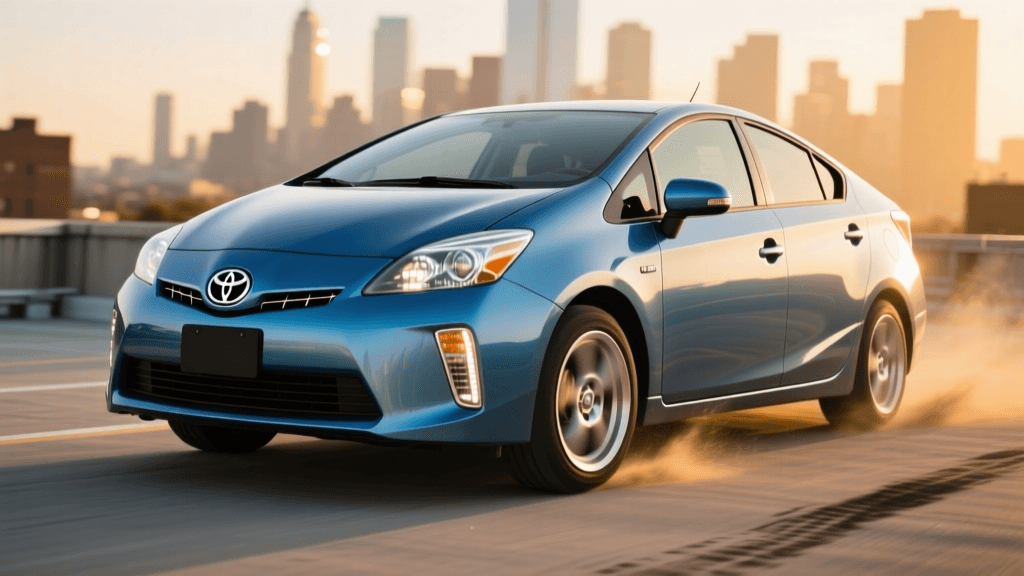
1. Toyota Prius (2016–2022, Fourth Generation)
The fourth-generation Prius remains the undisputed king of hybrid reliability. Toyota refined its Hybrid Synergy Drive system to reduce parasitic losses and improve thermal management. Depending on the trim, the Gen 4 utilizes either an advanced Nickel-Metal Hydride (NiMH) or a Lithium-Ion (Li-Ion) battery pack. Both chemistries have proven capable of exceeding 200,000 miles with minimal degradation. The widespread availability of aftermarket and refurbished replacement batteries also makes long-term ownership incredibly affordable.
2. Toyota Camry Hybrid (2018–Present, Eighth Generation)
Built on Toyota’s New Global Architecture (TNGA) platform, the Camry Hybrid offers midsize comfort without sacrificing fuel economy. The 2.5-liter dynamic force engine paired with the electric motor is a masterpiece of reliability. The battery pack is located under the rear seats, which improves weight distribution and protects it from trunk-based temperature extremes. According to data from the EPA's hybrid technology overview, modern systems like the Camry's utilize sophisticated regenerative braking algorithms that prevent the battery from ever reaching a true 100% or 0% charge, drastically extending its lifespan.
3. Lexus ES 300h (2013–2018, Fifth Generation)
For buyers seeking luxury, the Lexus ES 300h shares its core powertrain with the Toyota Camry Hybrid but benefits from Lexus's superior build quality and sound deadening. The NiMH battery in this generation is notoriously robust. Because Lexus owners tend to adhere to strict dealership maintenance schedules, finding a well-cared-for used model with a pristine battery health report is highly likely.
4. Honda Accord Hybrid (2018–2022, Tenth Generation)
Honda utilizes a different approach with its two-motor i-MMD (Intelligent Multi-Mode Drive) system, which operates more like a series hybrid where the gas engine primarily acts as a generator. The Accord Hybrid's Lithium-Ion battery pack is highly efficient and manages heat exceptionally well. While Honda's hybrid system is slightly more complex than Toyota's planetary gear setup, the 2018+ models have demonstrated excellent battery longevity and stellar real-world fuel economy.
Used Hybrid Comparison Data Table
Use the table below to compare the top-ranked used hybrids based on battery specifications, estimated replacement costs, and expected lifespans.
| Vehicle Model | Best Model Years | Battery Chemistry | Est. OEM Replacement Cost | Expected Battery Lifespan |
|---|---|---|---|---|
| Toyota Prius (Gen 4) | 2016–2022 | NiMH / Li-Ion | $2,500 - $3,200 | 150k - 200k+ miles |
| Toyota Camry Hybrid | 2018–Present | NiMH / Li-Ion | $2,800 - $3,500 | 150k - 200k+ miles |
| Lexus ES 300h | 2013–2018 | NiMH | $3,500 - $4,500 | 150k - 180k miles |
| Honda Accord Hybrid | 2018–2022 | Lithium-Ion | $3,000 - $4,000 | 120k - 160k miles |
Navigating Warranties and Battery Replacement Costs
If you discover that a used hybrid's battery is failing, or if you buy one that eventually needs a replacement, understanding your warranty coverage is critical. By federal mandate, all hybrid battery components are covered under warranty for a minimum of 8 years or 100,000 miles. However, if you live in a state that follows California Air Resources Board (CARB) regulations—such as California, New York, Massachusetts, and several others—the hybrid battery warranty is extended to 10 years or 150,000 miles.
If your vehicle is out of warranty, you are not forced to pay dealership OEM prices. The Department of Energy's Alternative Fuels Data Center highlights the growing industry of hybrid battery recycling and refurbishment. Companies like Green Bean Batteries or local hybrid specialists offer reconditioned battery packs for 40% to 50% less than OEM prices, often backed by their own multi-year warranties. Alternatively, individual bad modules can sometimes be replaced by specialized technicians for under $500, though this is a temporary fix compared to a full pack replacement.
Final Thoughts on Buying a Used Hybrid
Buying a used hybrid does not have to be a gamble. By equipping yourself with an OBD2 scanner, utilizing specialized diagnostic apps, and focusing on proven platforms like the Toyota Prius and Camry Hybrid, you can confidently navigate the used car market. The fuel savings you accumulate over the first few years of ownership will easily offset any eventual battery maintenance, making a reliable used hybrid one of the most cost-effective vehicles you can put in your driveway.