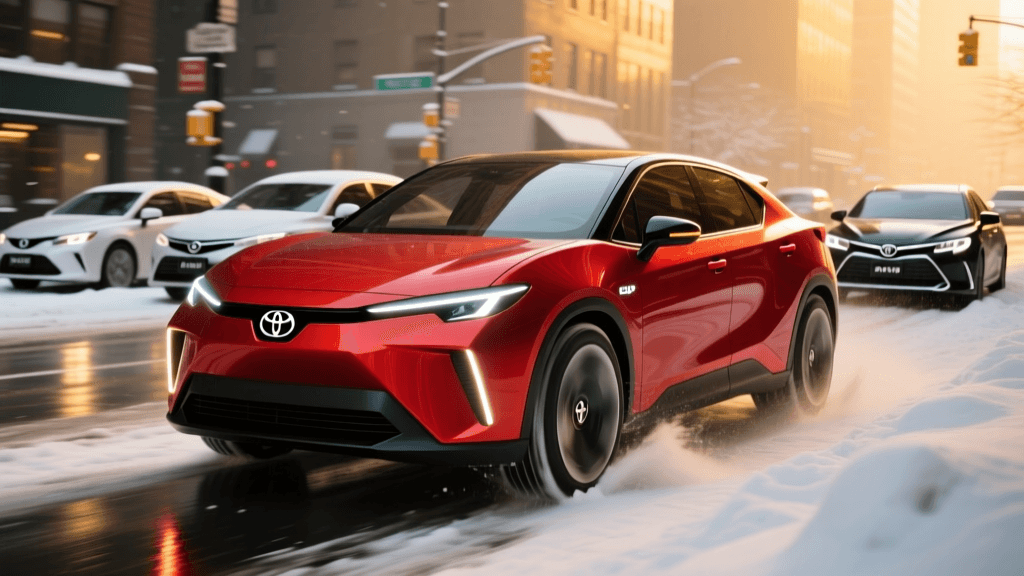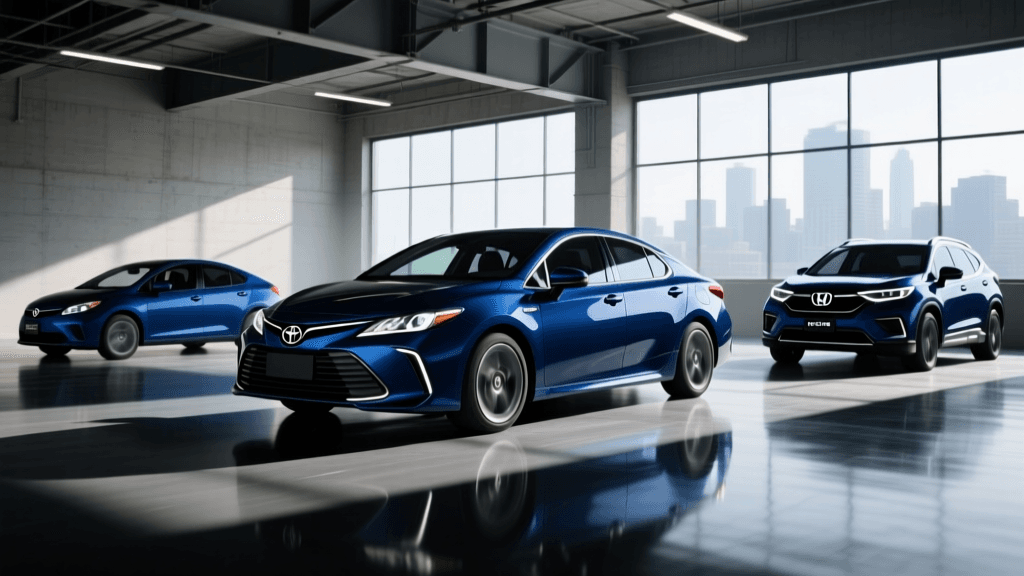
The All-Weather Dilemma: Traction vs. Efficiency
For decades, automotive buyers faced a frustrating compromise: if you wanted the all-weather security of all-wheel drive (AWD), you had to accept a significant penalty at the gas pump. Traditional mechanical AWD systems add weight, rotational mass, and drivetrain friction, inherently reducing fuel economy. However, the electrification revolution has fundamentally rewritten this rulebook. Modern hybrid and plug-in hybrid vehicles are now leveraging electric motors to power the rear axle, providing on-demand traction without the parasitic drag of a traditional driveshaft.
In this head-to-head showdown, we are ranking the best AWD hybrid cars and SUVs on the market today. We will evaluate how well these vehicles balance maximum fuel efficiency with genuine all-weather traction, pitting industry heavyweights like the Toyota Prius, Toyota RAV4 Hybrid, and Honda CR-V Hybrid against one another. Whether you are navigating snowy mountain passes or simply seeking peace of mind during a torrential downpour, finding the right synergy between grip and miles per gallon is critical.
Contender 1: Toyota Prius AWD (The Efficiency Champion)
The redesigned Toyota Prius AWD is a revelation, proving that a hybrid hatchback can be stylish, surprisingly quick, and incredibly efficient. Under the hood, the 2.0-liter hybrid powertrain generates a combined 196 horsepower. But the real magic happens at the rear axle, where a dedicated 41-kilowatt electric motor powers the rear wheels. This electronic AWD system engages automatically from a stop and up to 43 mph to provide extra grip during acceleration, and it instantly reactivates if the front wheels slip at higher speeds.
According to the EPA Fuel Economy database, the Prius AWD achieves an astonishing 49 MPG combined (53 city / 54 highway for the LE trim). This makes it the undisputed efficiency king of the AWD segment. However, its traction capabilities are strictly tuned for light snow, rain, and pavement slip. With only 5.3 inches of ground clearance, the Prius AWD is not meant for deep snow or off-road excursions. It is the ultimate choice for urban commuters who need extra grip on wet highways but prioritize minimizing their carbon footprint and fuel costs above all else.
Contender 2: Toyota RAV4 Hybrid AWD (The Traction Heavyweight)
If the Prius is the efficiency champion, the Toyota RAV4 Hybrid AWD is the versatile workhorse. Toyota utilizes a similar electronic On-Demand AWD system here, but it is tuned for more rugged applications. The rear electric motor is more robust, providing immediate torque to the rear wheels when slip is detected. The RAV4 Hybrid produces 219 horsepower and offers a much more commanding 8.1 inches of ground clearance, allowing it to tackle unplowed driveways and light forest roads with confidence.
The trade-off for this increased utility and traction is a slight dip in fuel economy compared to the Prius. The RAV4 Hybrid AWD is rated at 39 MPG combined. While this is a few miles per gallon short of the hatchback, it is still remarkably efficient for a compact SUV with genuine soft-roading capabilities. The RAV4 also features a dedicated Trail mode, which uses brake-based torque vectoring to limit wheel spin and send power to the wheels with the most grip, making it a standout performer in muddy or uneven snowy conditions.
Contender 3: Honda CR-V Hybrid AWD (The Mechanical Master)
Honda takes a completely different engineering approach with the CR-V Hybrid AWD. Rather than using a separate rear electric motor, Honda employs a traditional mechanical driveshaft connected to the hybrid powertrain up front. This Real-Time AWD system can send up to 50 percent of the engine's torque to the rear wheels. While this adds physical weight and rotational mass, it provides a more natural, predictable feel during high-speed cornering and sustained slippery conditions.
The CR-V Hybrid AWD produces 204 horsepower and achieves an impressive 40 MPG combined. Because the mechanical AWD system does not rely solely on a small rear battery buffer, it excels in sustained low-traction environments, such as long, steep, snowy climbs where electronic eAWD systems might overheat or lose rear propulsion. Furthermore, the mechanical setup gives the CR-V a slight edge in towing confidence and high-speed stability in crosswinds and heavy rain.
Head-to-Head Data Matrix: AWD Hybrids Compared
To visualize how these top contenders stack up, we have compiled a comprehensive data matrix comparing their vital statistics. This table highlights the direct correlation between AWD system type, vehicle weight, and overall efficiency.
| Vehicle Model | Combined MPG | AWD System Type | Total Horsepower | Ground Clearance | Best Use Case |
|---|---|---|---|---|---|
| Toyota Prius AWD | 49 MPG | Electronic (eAWD) | 196 hp | 5.3 inches | Urban commuting, wet highways |
| Honda CR-V Hybrid AWD | 40 MPG | Mechanical Driveshaft | 204 hp | 8.2 inches | Family hauling, sustained snow |
| Toyota RAV4 Hybrid AWD | 39 MPG | Electronic (eAWD) | 219 hp | 8.1 inches | Soft-roading, deep snow, trails |
| Ford Escape Hybrid AWD | 39 MPG | Electronic (eAWD) | 210 hp | 7.3 inches | Suburban daily driving |
Deep Dive: Electronic (eAWD) vs. Mechanical AWD Systems
When evaluating traction and efficiency, understanding the underlying engineering is crucial. The head-to-head battle between the Toyota and Honda systems perfectly illustrates the pros and cons of modern hybrid drivetrains.
The Case for Electronic eAWD (Toyota Prius and RAV4)
Electronic AWD systems eliminate the heavy steel driveshaft, center differential, and rear axle gears found in traditional setups. By placing an independent electric motor directly on the rear axle, engineers save weight and eliminate mechanical parasitic loss when AWD is not needed. This results in superior fuel economy. The computer can also react to wheel slip in milliseconds, spinning the rear electric motor instantly before the front wheels even lose traction. The downside? The rear motor is limited by the capacity of the hybrid battery to discharge high current continuously. In extreme, prolonged off-road or deep-snow scenarios, the system may temporarily limit rear power to protect the battery from overheating.
The Case for Mechanical AWD (Honda CR-V)
Honda's decision to retain a mechanical driveshaft in the CR-V Hybrid is rooted in driving dynamics and sustained traction. A physical connection between the front powertrain and the rear wheels means that as long as the engine is running, torque can be routed backward. This provides a more linear, predictable power delivery that driving enthusiasts prefer. It also means the system is not reliant on battery discharge rates for rear-wheel grip. The efficiency penalty is minimal thanks to an intelligent disconnect clutch that completely decouples the driveshaft during steady-state highway cruising, allowing the CR-V to achieve 40 MPG despite its mechanical hardware.
Winter Traction and Safety Considerations
Traction is only one piece of the all-weather safety puzzle. Advanced AWD systems must work in harmony with a vehicle's electronic stability control, anti-lock brakes, and structural safety systems. Safety and crashworthiness, which often correlate with advanced traction control systems, are rigorously tested by the Insurance Institute for Highway Safety (IIHS). Vehicles that earn Top Safety Pick designations typically feature sophisticated sensor suites that can anticipate loss of traction and preemptively adjust power delivery and braking force.
Furthermore, for broader safety and winter driving preparedness, consulting National Highway Traffic Safety Administration (NHTSA) guidelines reminds drivers that AWD helps you accelerate and maintain a straight line, but it does not help you stop. Regardless of whether you choose the electronic eAWD of the RAV4 or the mechanical system of the CR-V, equipping your hybrid with dedicated winter tires is the single most effective upgrade you can make to maximize the effectiveness of these advanced drivetrains.
The Final Verdict: Which AWD Hybrid Wins?
The ultimate winner of this head-to-head showdown depends entirely on your specific lifestyle and traction requirements.
- Choose the Toyota Prius AWD if your primary goal is maximizing fuel efficiency. It offers the best MPG in the segment and provides more than enough electronic traction for rainy commutes and lightly snow-covered suburban streets.
- Choose the Honda CR-V Hybrid AWD if you want the best balance of family utility, high-speed stability, and sustained traction. Its mechanical AWD system provides a reassuring, natural grip in prolonged winter storms and offers excellent cargo space.
- Choose the Toyota RAV4 Hybrid AWD if you need a rugged, adventurous vehicle. With its Trail mode, higher ground clearance, and punchy 219-horsepower powertrain, it is the most capable hybrid for escaping the city and tackling unpaved, slippery terrain.
By leveraging electrification, the automotive industry has finally solved the traction versus efficiency dilemma. You no longer have to sacrifice your fuel budget to ensure your family arrives safely through the worst weather the road can throw at you.