The AWD Hybrid Dilemma: Traction vs. Efficiency
Winter driving and fuel efficiency have historically been at odds. Traditional mechanical all-wheel-drive (AWD) systems add weight, parasitic drivetrain loss, and friction, inevitably dropping miles per gallon. However, the latest generation of hybrid vehicles with AWD has completely rewritten this rulebook. By utilizing independent rear electric motors, automakers can provide on-demand traction without the severe fuel economy penalty of a mechanical driveshaft.
In this head-to-head product showdown, we are ranking the best hybrid cars with AWD currently on the market. Because Toyota dominates the electrified AWD sedan and hatchback niche, this showdown focuses strictly on their current lineup: the Toyota Prius AWD, the Toyota Camry Hybrid AWD, and the Toyota Crown AWD. We will evaluate their traction capabilities, drivetrain engineering, real-world efficiency, and overall value to determine which AWD hybrid deserves a spot in your driveway. According to data from the EPA Fuel Economy database, electrified AWD systems are closing the gap with their front-wheel-drive counterparts, making them a no-compromise choice for four-season drivers.
Contender 1: Toyota Prius AWD (The Efficiency King)
The all-new Toyota Prius AWD is a revelation. Gone are the days of the sluggish, uninspiring hybrid hatchback. The current generation pairs a 2.0-liter four-cylinder engine with three electric motors—one up front and a dedicated 41-kW motor on the rear axle. This setup produces a combined 196 horsepower, making it genuinely quick off the line.
The AWD system is 'Electronic On-Demand,' meaning the rear motor engages only during initial acceleration from a stop, when front-wheel slippage is detected, or during hard cornering. Once the vehicle reaches 43 mph, the rear motor disengages to eliminate drag and preserve efficiency. The Prius AWD achieves an astonishing EPA-estimated 49 mpg city, 50 mpg highway, and 49 mpg combined. While its 5.1 inches of ground clearance limits deep snow traversal, its low center of gravity and rapid torque vectoring make it incredibly stable on icy, plowed roads.
Contender 2: Toyota Camry Hybrid AWD (The Midsize Sweet Spot)
Stepping up to the midsize segment, the Toyota Camry Hybrid AWD offers a more spacious cabin and a more powerful baseline hybrid system. It utilizes a 2.5-liter four-cylinder engine paired with the same Electronic On-Demand AWD philosophy. The rear electric motor provides instant torque to the rear wheels when front-wheel slip is detected.
With 232 total system horsepower, the Camry AWD feels notably more confident during highway passing maneuvers in wet conditions compared to the Prius. Efficiency takes a slight hit due to the larger footprint and heavier curb weight, landing at an EPA-estimated 44 mpg combined. However, for families needing more rear legroom and a larger trunk for winter gear, the Camry represents the ultimate sweet spot between utility and fuel savings. Furthermore, the Camry consistently earns top marks in crash testing, frequently appearing on the IIHS Top Safety Pick+ list, giving buyers peace of mind when roads turn treacherous.
Contender 3: Toyota Crown AWD (The Premium Cruiser)
The Toyota Crown bridges the gap between a traditional sedan and a crossover, offering a raised ride height that is highly advantageous in snow. The standard Crown Hybrid AWD uses a 2.5-liter hybrid system producing 236 horsepower. Unlike the Prius and Camry, the Crown's AWD system is slightly more robust, tuned to handle the vehicle's higher center of gravity and heavier weight.
It provides a more traditional, rear-biased feel during acceleration, which enhances traction when pulling away from a dead stop on packed snow. The trade-off is efficiency; the Crown AWD is rated at 41 mpg combined. However, the Platinum trim offers the Hybrid MAX powertrain with 340 horsepower and a mechanical AWD system, though efficiency plummets to 28 mpg. For this showdown, we focus on the standard hybrid, which still handily beats any non-hybrid AWD crossover on the market while providing superior snow clearance.
Head-to-Head Traction & Drivetrain Analysis
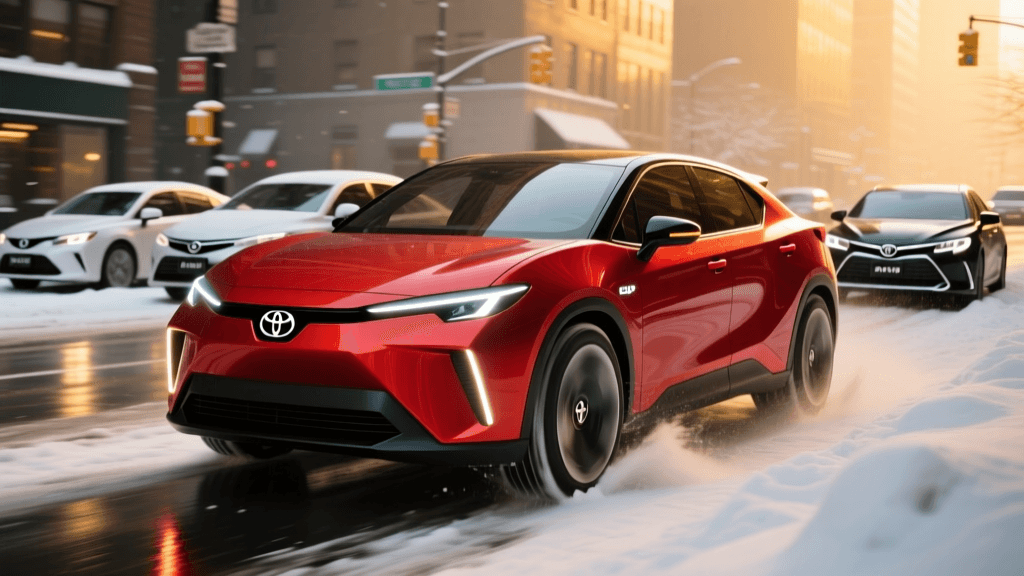
When evaluating traction, we must distinguish between 'electronic on-demand' and 'full-time' AWD. The Prius and Camry rely on a rear motor that acts as a pusher. This is highly effective for starting from a stop on ice and maintaining stability in rain, but it cannot send power to the rear wheels at high cruising speeds. The Crown, with its slightly different tuning and higher ground clearance (over 6 inches), provides better physical clearance over snowdrifts and a more confident launch in deep slush. If your commute involves steep, unplowed driveways, the Crown's physical advantages win. If you drive mostly cleared but slick urban roads, the Prius and Camry provide more than enough electronic intervention.
Efficiency & Specifications Showdown
| Model | AWD Type | Horsepower | EPA Combined MPG | Ground Clearance | Starting MSRP (Est.) |
|---|---|---|---|---|---|
| Toyota Prius AWD | Electronic On-Demand | 196 hp | 49 MPG | 5.1 inches | $31,450 |
| Toyota Camry Hybrid AWD | Electronic On-Demand | 232 hp | 44 MPG | 5.7 inches | $33,500 |
| Toyota Crown AWD (Standard) | Electronic On-Demand | 236 hp | 41 MPG | 6.1 inches | $42,500 |
Actionable Advice for Winter Commuters
To maximize the potential of your AWD hybrid during the winter months, consider the following expert tips:
- Tire Selection is Paramount: AWD helps you accelerate, but it does not help you stop or turn. The low-rolling-resistance all-season tires equipped from the factory harden in freezing temperatures. Invest in a dedicated set of winter tires on steel wheels to unlock the true potential of the hybrid AWD system.
- Manage Regenerative Braking: In heavy snow or icy conditions, use your vehicle's drive mode selector to reduce regenerative braking aggressiveness. Sudden deceleration from high regen settings can cause the front wheels to lose grip and induce understeer.
- Optimize Cabin Heating: Cold weather forces the hybrid engine to run more frequently to generate cabin heat, which ruins MPG. Use heated seats and a heated steering wheel instead of cranking the HVAC blower, allowing the car to stay in EV mode longer during city driving.
- Cost of Ownership: According to the latest AAA Your Driving Costs report, fuel is a major variable in annual ownership expenses. By choosing an AWD hybrid over a traditional gas-powered AWD compact SUV (which averages 25-28 mpg), drivers can save upwards of $800 to $1,200 annually at the pump, easily offsetting the cost of a dedicated winter tire setup.
Final Ranking: Which AWD Hybrid Wins?
1st Place: Toyota Prius AWD
The Prius takes the top spot because it achieves the seemingly impossible: it delivers genuine all-weather traction while maintaining nearly 50 mpg. For the vast majority of commuters who face wet roads, light snow, and icy intersections, the Prius AWD is the most financially sound and environmentally responsible choice on the market.
2nd Place: Toyota Camry Hybrid AWD
The Camry secures second place as the ultimate family hauler. It sacrifices a few miles per gallon compared to the Prius but offers vastly superior cargo space, rear-seat comfort, and highway stability. It is the perfect daily driver for parents shuttling kids to school in unpredictable weather.
3rd Place: Toyota Crown AWD
The Crown ranks third simply due to its higher price point and lower efficiency. However, if you live in an area that receives heavy, unplowed snowfall, the Crown's raised ride height makes it a formidable alternative to a traditional, gas-guzzling SUV. It offers premium luxury and excellent traction, provided you are willing to accept the 41 mpg combined rating.