Understanding the Mach-E Extended Range Battery Architecture
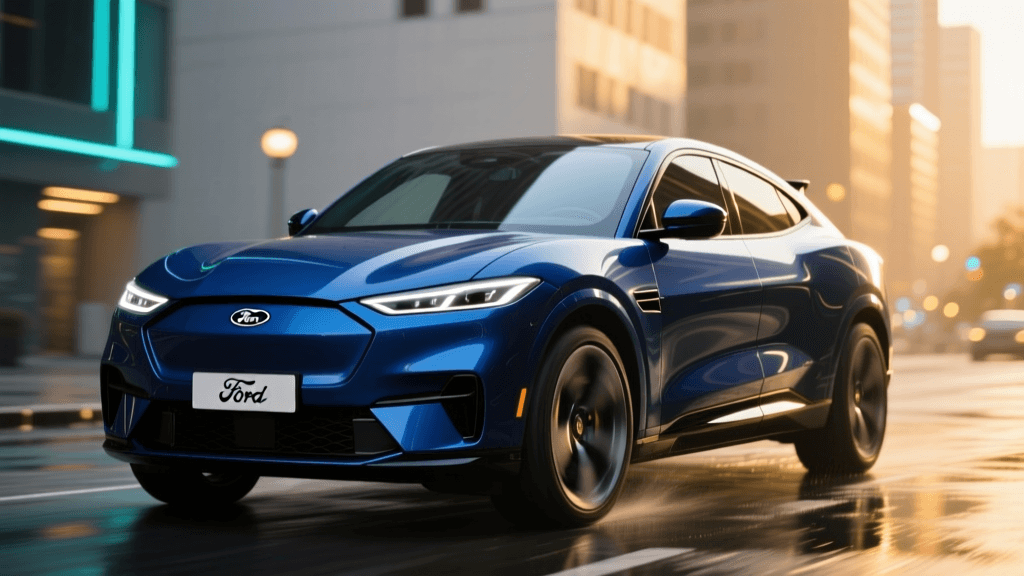
The Ford Mustang Mach-E Extended Range (ER) variant is a cornerstone of Ford's electric vehicle lineup, equipped with a substantial 91 kWh usable (approximately 98 kWh gross) lithium-ion NMC (Nickel Manganese Cobalt) battery pack. While this massive energy reservoir provides an EPA-estimated range of up to 312 miles and robust performance, the complexity of modern EV battery management systems (BMS) means owners may occasionally face troubleshooting scenarios. From phantom 12V battery drains to DC fast charging bottlenecks and high-voltage contactor recalls, diagnosing these issues requires a systematic approach. According to the U.S. Department of Energy's Alternative Fuels Data Center, proper maintenance and understanding of EV battery architecture are critical for maximizing lifespan and ensuring reliable daily operation.
This comprehensive troubleshooting guide is designed specifically for Mach-E Extended Range owners. We will break down the most common battery-related faults, provide actionable diagnostic steps, and outline the solutions required to get your EV back to peak efficiency.
Troubleshooting the Infamous 12V Battery Drain
Paradoxically, the most common 'battery' issue reported by Mach-E owners does not involve the 91 kWh high-voltage traction battery, but rather the traditional 12V lead-acid auxiliary battery. The 12V battery is responsible for powering the vehicle's computers, door handles, infotainment system, and, most importantly, the high-voltage contactors that connect the main battery to the drivetrain.
Symptoms of 12V Failure
- The vehicle refuses to unlock via the keypad or phone-as-a-key.
- The dashboard displays a '12V Battery Fault' or 'Propulsion Battery Fault' warning.
- The car appears completely dead, even if the main high-voltage battery shows a high state of charge.
Diagnosis and Actionable Fixes
Early software versions of the Mach-E suffered from a bug where the DC-DC converter (which charges the 12V battery from the main HV pack) would not activate frequently enough during prolonged sleep modes, leading to parasitic drain.
Step 1: Verify Software Updates. Ensure your Mach-E has received the latest Powertrain Control Module (PCM) and Body Control Module (BCM) over-the-air (OTA) updates. Ford released specific patches to optimize the DC-DC converter's wake cycles, drastically reducing 12V drain.
Step 2: Check for Parasitic Draw. If your software is up to date and the 12V battery (typically an H6/Group 48 AGM) is still dying within weeks, check for aftermarket accessories. Dashcams wired to constant 12V sources or OBD-II dongles left plugged in will drain the battery rapidly. Disconnect these and monitor the voltage.
Step 3: Replacement. If the 12V battery is over three years old and fails a load test at an auto parts store, replace it immediately. A failing 12V battery can trigger false high-voltage fault codes, immobilizing the car. Expect to pay between $250 and $350 for a premium AGM replacement and installation.
High-Voltage Contactor Issues and Recall Checks
One of the most critical troubleshooting areas for the Mach-E Extended Range involves the high-voltage battery contactors. These heavy-duty relays connect and disconnect the main battery pack from the vehicle's high-voltage bus.
Ford issued a major recall for certain Mach-E models because the high-voltage DC fast charging and wide-open throttle events could cause excessive heat in the contactors, potentially causing them to weld open (resulting in a sudden loss of motive power) or weld closed (preventing the car from shutting off). You can verify if your specific VIN is affected by visiting the Ford Official Recall Center.
Troubleshooting Contactor Warnings
If your Mach-E suddenly displays a wrench icon alongside a 'Propulsion Power Reduced' message immediately after a DC fast charging session, pull over safely.
- Do not attempt to force a restart. If the contactor has welded open, the vehicle will not drive. If it has welded closed, the vehicle may not power down safely.
- Check for Recall Completion. If you have not had the recall software update applied, schedule a service appointment immediately. The update modifies the charging algorithms and thermal management protocols to prevent contactor overheating.
- Extended Warranty Coverage. Ford extended the warranty on the high-voltage battery contactors to 10 years or 150,000 miles for affected vehicles. If a contactor fails outside the recall parameters, it is covered under this extension.
Diagnosing Slow DC Fast Charging Speeds
The Mach-E Extended Range battery supports a peak DC fast charging rate of 150 kW, capable of adding roughly 59 miles of range in 10 minutes under optimal conditions. However, many owners troubleshoot instances where the charging speed barely crests 50 kW at a 350 kW Electrify America or Tesla Supercharger (via adapter) station.
The Role of Battery Preconditioning
Lithium-ion NMC batteries accept high current safely only when they are within a specific thermal window (typically between 85°F and 95°F at the cell level). If you pull up to a DC fast charger cold, the BMS will severely restrict current to protect the cells from lithium plating.
The Fix: Always use the vehicle's native navigation system to route to your charging station. This triggers the BMS to begin 'preconditioning' the battery, using the powertrain's thermal management system to heat the pack using grid power or the battery's own energy. Preconditioning can take 30 to 45 minutes depending on ambient temperatures.
Troubleshooting the CCS Port
If preconditioning is active but speeds remain low, inspect the CCS1 charge port. Debris, dirt, or moisture in the lower DC pins can cause the charger to negotiate a lower amperage for safety. Use compressed air and a dry microfiber cloth to clean the port. Additionally, ensure your third-party NACS-to-CCS adapter (if using a Tesla Supercharger) is fully seated and rated for the full 150 kW / 500V threshold; cheap adapters will bottleneck your charging speed.
Fixing Inaccurate Range Estimates (BMS Recalibration)
The Mach-E's range estimator, often colloquially called the GOM (Guess-O-Meter), calculates remaining range based on recent driving efficiency, ambient temperature, and climate control usage. Occasionally, owners of the Extended Range model report that the vehicle will not display a range higher than 240 miles, even after a 100% charge.
How to Recalibrate the BMS
If your battery health is fine but the software is confused about the pack's true capacity, a manual BMS recalibration is required. The U.S. Environmental Protection Agency (EPA) notes that EV range estimates are dynamic and heavily influenced by recent driving cycles, meaning a recalibration resets the baseline.
- Drive the vehicle down to a very low state of charge (between 2% and 5%). Avoid letting it hit 0% and strand you.
- Plug the vehicle into a Level 2 home charger (240V, 32A or 48A).
- Allow the vehicle to charge uninterrupted to 100%.
- Once it hits 100%, leave it plugged in for an additional 2 to 3 hours. This allows the BMS to perform cell balancing, ensuring all 91 kWh of usable capacity are properly indexed.
Mach-E ER Battery Troubleshooting Matrix
Use the table below as a quick-reference diagnostic tool for common Extended Range battery anomalies.
| Symptom | Probable Cause | Actionable Fix / Next Step |
|---|---|---|
| Car is completely dead; doors won't unlock. | 12V Auxiliary Battery Depleted | Jump-start the 12V system via the front frunk terminals; replace 12V battery if over 3 years old. |
| Sudden loss of power; Wrench icon on dash. | HV Contactor Welded Open | Pull over safely; check VIN for active recalls; tow to Ford EV-certified dealer. |
| DC Fast Charging capped at 40-50 kW. | Cold Battery / No Preconditioning | Route to charger via nav to trigger thermal preconditioning; clean CCS port pins. |
| Max range shows 240 miles at 100% charge. | BMS Cell Imbalance / GOM Error | Perform manual BMS recalibration (drain to 5%, L2 charge to 100%, leave plugged in). |
| Range drops rapidly in winter. | Normal NMC Chemistry Behavior | Precondition cabin while plugged in; use seat heaters instead of cabin air to save energy. |
Conclusion: Maintaining Your Extended Range Investment
The Ford Mustang Mach-E Extended Range battery is a highly capable, durable piece of engineering, covered by an 8-year/100,000-mile warranty against defects and excessive degradation (loss of more than 30% capacity). However, the integration of high-voltage systems with traditional 12V architecture and complex thermal management software means that troubleshooting requires an informed approach. By keeping your software updated, utilizing proper charging etiquette, and understanding the difference between a 12V parasitic drain and a high-voltage fault, you can ensure your Mach-E delivers its promised 300+ mile range reliably for years to come.