The Rivian R1T: Bridging Daily Commutes and Off-Grid Futures
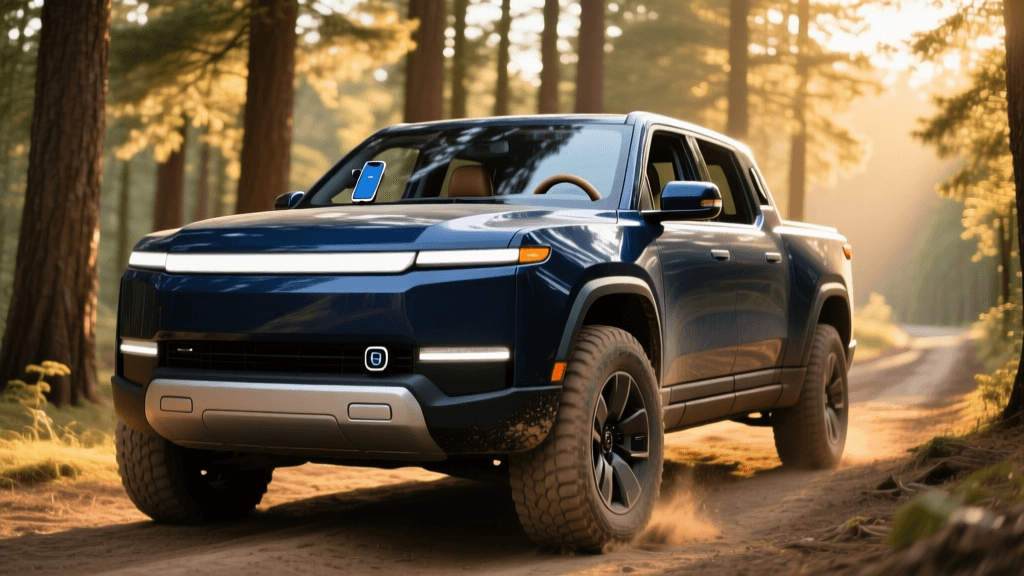
The Rivian R1T is not just a vehicle; it is a harbinger of the electric truck revolution. As the first modern electric pickup to reach consumers, it set a benchmark that legacy automakers are still scrambling to meet. But as the EV landscape shifts toward software-defined architectures and advanced battery chemistries, how does the R1T hold up today as both a daily driver and a rugged adventure vehicle? More importantly, what does its trajectory tell us about the future of the electric utility segment?
The Daily Driver Experience: Refinement and Software Evolution
Driving the Rivian R1T in an urban or suburban environment defies the traditional compromises of body-on-frame trucks. Thanks to its skateboard chassis and standard air suspension, the R1T glides over potholes and speed bumps with the compliance of a luxury crossover. The dual-motor setup provides instantaneous torque, making highway merging and city stoplights effortless.
However, the true future-proofing of the R1T lies in its software. Rivian has consistently rolled out Over-the-Air (OTA) updates that fundamentally alter the truck's capabilities. Features like Highway Assist, Camp Mode, and enhanced one-pedal driving profiles have been introduced or refined long after the initial purchase. According to Car and Driver's ongoing R1T coverage, these software iterations are crucial, transforming the truck from a static piece of hardware into an evolving digital platform. For the daily commuter, this means the vehicle you buy today will likely have better range optimization, smarter battery preconditioning, and more intuitive UI menus a year from now.
Urban Maneuverability and Practicality
Despite its imposing stance, the R1T is surprisingly manageable in tight spaces. The available four-wheel steer system (on certain configurations) and a relatively tight turning radius make grocery store parking lots less daunting. Furthermore, the front trunk (frunk) offers 11 cubic feet of secure, weatherproof storage—ideal for daily charging cables, gym bags, or groceries, keeping the main bed clean for heavier tasks.
Adventure Capability: Redefining the Off-Grid Experience
Where the R1T truly separates itself from internal combustion predecessors is in its adventure utility. The absence of a transmission tunnel and exhaust system allowed Rivian to engineer the signature Gear Tunnel. This 11-cubic-foot pass-through storage is a game-changer for campers, skiers, and overlanders, allowing you to store muddy boots, wet wetsuits, or bulky camping chairs out of sight and out of the elements.
Off-Road Dynamics and Towing
With up to 14.9 inches of ground clearance and advanced drive modes like All-Purpose, Off-Road, and Snow, the R1T is a capable trail companion. The quad-motor variant offers tank turns and individual wheel torque vectoring that makes rock crawling remarkably precise. Yet, the future of electric adventure isn't just about clearance; it's about energy management. Towing with an EV remains a hurdle, as aerodynamic drag heavily impacts range. Rivian’s upcoming Max Pack and software-driven trailer integration aim to mitigate this by providing more accurate range predictions when hauling the R1T's 11,000-pound maximum tow rating.
Future Trends: Battery Chemistry and the Adventure Horizon
The electric vehicle industry is rapidly diversifying its battery supply chain, and Rivian is at the forefront of this transition. The introduction of the Standard battery pack, utilizing Lithium Iron Phosphate (LFP) chemistry, signals a major industry trend. As noted by the U.S. Department of Energy's Alternative Fuels Data Center, LFP batteries offer exceptional cycle life and thermal stability, albeit with slightly lower energy density. For the R1T owner, this means a more durable, cost-effective battery for daily driving and moderate adventures, reserving the expensive, high-nickel Large and Max packs for those who demand 400+ miles of range for remote overlanding.
Looking ahead, the integration of silicon-anode technology and structural battery packs will further reduce weight and increase energy density. The R1T's modular skateboard architecture positions it well to adopt these next-generation cells without requiring a complete vehicle redesign.
Data Table: Rivian R1T Battery Configurations & Adventure Metrics
| Battery Pack | Chemistry / Type | EPA Est. Range | Tow Impact (Est.) | Best Use Case |
|---|---|---|---|---|
| Standard Pack | LFP (Lithium Iron Phosphate) | ~270 Miles | Range reduced by ~40-50% | Daily commuting, light weekend trips, cost-conscious buyers. |
| Large Pack | NMC (Nickel Manganese Cobalt) | ~352 Miles | Range reduced by ~40-50% | Frequent road trips, moderate towing, balanced adventure rig. |
| Max Pack | High-Density NMC / Silicon-Anode | ~400+ Miles | Range reduced by ~40-50% | Remote overlanding, heavy towing, off-grid expeditions. |
Industry Outlook: The R1T in the EV Truck Wars
The electric truck market has become fiercely competitive. The Ford F-150 Lightning offers superior value and fleet utility, the Chevrolet Silverado EV boasts massive range and a mid-gate, and the Tesla Cybertruck pushes the boundaries of manufacturing with its exoskeleton design. Yet, the Rivian R1T maintains a distinct position as a premium, lifestyle-oriented adventure vehicle.
According to Edmunds' comprehensive Rivian R1T hub, the R1T's blend of luxury interior materials, innovative storage solutions, and genuine off-road prowess keeps it at the top of the premium EV truck segment. As legacy automakers struggle with software integration and dealer-network EV transitions, Rivian’s direct-to-consumer model and agile software development give it a distinct future advantage.
Ownership Costs and Long-Term Value
When evaluating the R1T through the lens of future industry trends, total cost of ownership (TCO) is a critical metric. Electric trucks generally require less routine maintenance than their internal combustion counterparts—no oil changes, spark plugs, or transmission fluid replacements. Rivian’s mobile service fleet and expanding network of Adventure Centers are actively addressing the service bottlenecks that plagued early adopters. Furthermore, as the EV market matures, the R1T’s robust build quality and continuous OTA updates are helping it retain strong residual values compared to early-generation EVs from legacy brands. For buyers looking at the horizon, investing in an R1T is not just buying a truck; it is buying into a continuously improving ecosystem.
Actionable Advice for Current and Future R1T Owners
To maximize the R1T’s potential as both a daily driver and an adventure rig, consider the following strategies:
- Optimize Your Charging Profile: If you opt for the LFP Standard Pack, you can (and should) charge to 100% daily, as LFP chemistry requires full charges for accurate state-of-charge calibration. For the Large NMC pack, set your daily limit to 85% to preserve long-term battery health, only charging to 100% right before a road trip.
- Leverage the Gear Tunnel: Install the Gear Tunnel Shuttle (a sliding drawer system) to easily access heavy camping gear or tools without crawling into the tunnel. For daily use, it’s the perfect secure spot for golf clubs or strollers.
- Tire Selection is Critical: The factory Pirelli Scorpion all-season tires are excellent for daily driving and range efficiency. However, if your adventure outlook includes deep mud or sharp rocks, invest in a set of 34-inch All-Terrain (A/T) tires. Be aware that A/T tires will reduce your EPA range by roughly 10-15% and increase road noise.
- Master Camp Mode: When sleeping in the truck bed or using the bed tent, activate Camp Mode. This prevents the vehicle from entering sleep mode, maintains climate control, and keeps the 110V and 12V outlets active for charging laptops or running portable fridges overnight.
Conclusion
The Rivian R1T is more than capable of handling the school run, the grocery haul, and the weekend trail. As battery chemistries evolve and software unlocks new efficiencies, the R1T represents a future where utility vehicles do not force a compromise between environmental responsibility and rugged capability. Whether you are navigating city streets or charting a path through the backcountry, the R1T is built to adapt, evolve, and lead the charge into the next era of electric exploration.