The Ultimate Asymmetric EV Showdown: Innovation vs. Infrastructure
When Henrik Fisker unveiled the Fisker Ocean, it was heralded as the next great disruptor in the electric vehicle space. Boasting a solar roof, sustainable vegan interiors, and a range that promised to eclipse the competition, the Ocean was designed to take the fight directly to the segment benchmark: the Tesla Model Y. On paper, this head-to-head matchup was a clash of titans. In reality, it has become a cautionary tale about the difference between building a great car and building a viable automotive company.
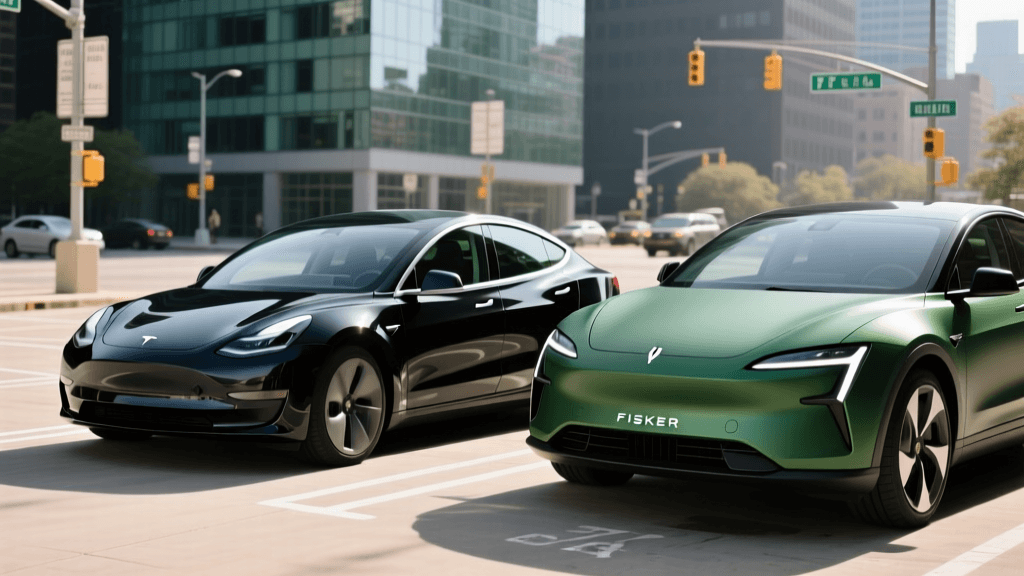
In this comprehensive review and viability assessment, we pit the Fisker Ocean against the Tesla Model Y. We will evaluate their design, performance, and real-world utility, while addressing the massive elephant in the room: Fisker Inc.'s catastrophic financial collapse and subsequent Chapter 11 bankruptcy filing in mid-2024. For prospective EV buyers navigating the used market or considering distressed startup vehicles, understanding the risks of orphaned EVs is just as critical as knowing the 0-60 mph times.
Design and Interior: California Cool vs. Minimalist Tech
The Fisker Ocean was designed to be a lifestyle statement. Its standout feature is undoubtedly "California Mode," which allows all the windows, including the rear quarter glass and the rear hatch window, to roll down completely, simulating a convertible-like open-air experience. Furthermore, the Ocean Extreme trim featured a solar-panel roof that could theoretically add up to 1,500 miles of range per year under optimal conditions. The interior utilized recycled materials, including repurposed fishing nets and plastic bottles, giving it an eco-conscious warmth that contrasted sharply with the sterile environments of some competitors.
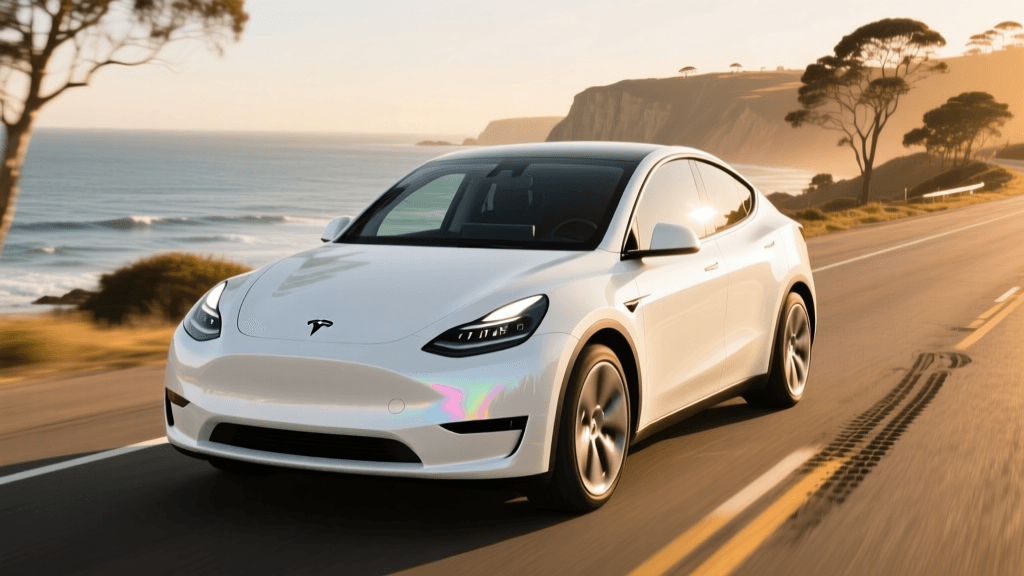
Conversely, the Tesla Model Y embraces extreme minimalism. There are virtually no physical buttons; everything from the glovebox release to the windshield wipers is controlled via the central 15-inch touchscreen. While the Model Y's interior lacks the bespoke, avant-garde flair of the Fisker, it benefits from years of iterative manufacturing refinements, resulting in better panel gap consistency and a more intuitive (albeit screen-dependent) ergonomic layout. According to Car and Driver's Fisker Ocean Hub, the Ocean's interior feels incredibly premium for a startup, but the sheer complexity of its moving parts and glass mechanisms introduces long-term durability questions that the simpler Model Y largely avoids.
Performance, Range, and Charging: The Numbers Game
When comparing the top-tier variants of both vehicles, the Fisker Ocean Extreme and the Tesla Model Y Long Range AWD, the spec sheet tells a fascinating story of brute force versus refined efficiency.
| Feature | Fisker Ocean Extreme | Tesla Model Y Long Range |
|---|---|---|
| Battery Capacity | 113 kWh (NMC) | ~75 kWh (NMC/LFP) |
| EPA Est. Range | 360 miles | 310 miles |
| 0-60 mph | 3.7 seconds | 4.8 seconds |
| Peak DC Charging | ~250 kW | ~250 kW |
| Curb Weight | ~6,000 lbs | ~4,398 lbs |
| Service Network | Defunct / Third-Party | Proprietary / Mobile |
The Fisker Ocean achieves its massive 360-mile EPA range through sheer battery volume. Its 113 kWh nickel-manganese-cobalt (NMC) pack is enormous, but it contributes to a curb weight that exceeds 6,000 pounds. This mass is felt in the corners; while the Ocean is impressively quick in a straight line, its suspension tuning struggles to mask the weight during aggressive direction changes. The Tesla Model Y Design Page highlights a vehicle that, while offering less peak range, utilizes a smaller battery pack more efficiently. The Model Y's lighter footprint translates to superior handling agility, better tire wear, and faster real-world charging speeds relative to its battery size, as it doesn't have to push electrons into a massive 113 kWh reservoir.
The Viability Showdown: Ecosystem vs. The Orphaned EV
A vehicle is only as good as the company supporting it, and this is where the head-to-head showdown becomes a bloodbath. In June 2024, Fisker Inc. filed for Chapter 11 bankruptcy protection, halting production and abandoning its direct-to-consumer sales model. As detailed in the Fisker Inc. Corporate History and Bankruptcy records, the company burned through billions in capital, failed to secure a critical manufacturing partnership with Foxconn, and ultimately ran out of runway after desperate attempts to liquidate inventory via heavily subsidized lease deals.
What does this mean for a head-to-head comparison? The Tesla Model Y is backed by the most robust EV charging and service infrastructure on the planet. Tesla owners have access to the Supercharger network, over-the-air (OTA) updates that consistently add new features, and a vast network of mobile and physical service centers.
Fisker Ocean owners, on the other hand, are navigating a nightmare scenario. With the company's North American headquarters shuttered and customer service lines disconnected, owners are left entirely reliant on independent mechanics for physical repairs. More critically, the supply chain for proprietary parts—such as the unique solar roof glass, the motorized revolving infotainment screen, and custom exterior lighting signatures—has completely evaporated. A single minor fender bender in a Fisker Ocean could result in the vehicle being declared a total loss simply because replacement body panels do not exist in the aftermarket.
Software, Tech, and the "Bricking" Threat
Modern electric vehicles are essentially rolling computers, heavily reliant on cloud-based servers for telematics, digital key functionality, and app connectivity. When an automaker goes bankrupt, the servers that authenticate these services are eventually shut down to save money.
For the Fisker Ocean, this poses an existential threat. If Fisker's backend servers are permanently decommissioned, owners risk losing access to the mobile app, remote climate control, and potentially even the digital key features required to start the vehicle. Furthermore, the Ocean's complex software was plagued with bugs at launch, requiring immediate OTA patches. Without a functioning corporate software team, these bugs will remain permanently unresolved, and features that were promised but never delivered (like certain advanced driver assistance systems) will never materialize. In a head-to-head tech showdown, the Model Y's vertically integrated, financially secure software ecosystem wins by default, as it guarantees the vehicle will remain functional and connected for its entire lifespan.
The Verdict: Should You Buy a Distressed Startup's EV?
As the used EV market begins to see heavily depreciated Fisker Oceans appear on auction sites and independent lots at seemingly irresistible prices, the temptation for bargain hunters will be immense. You might find an Ocean Extreme with premium features for the price of a base-model Nissan Leaf. However, our actionable advice is unequivocal: avoid the Fisker Ocean unless you are a dedicated automotive collector or a master technician with a high tolerance for risk.
The hidden costs of owning an orphaned EV far outweigh the initial savings. Between the looming threat of software bricking, the impossibility of sourcing replacement parts, and the complete lack of warranty support, the Fisker Ocean is a financial liability masquerading as a bargain.
In this head-to-head showdown, the Tesla Model Y remains the undisputed champion of practicality, infrastructure, and long-term viability. If the Model Y's minimalist interior doesn't suit your taste, we strongly recommend looking toward established legacy automakers with robust EV commitments and secure supply chains, such as the Hyundai Ioniq 5 or the Kia EV6. In the rapidly evolving EV landscape, buying the car is only half the battle; ensuring the company will be there to support it is the other. Tesla passes that test effortlessly, while Fisker serves as a tragic, multi-billion-dollar reminder of the perils of automotive startup hype.