The Tesla Model Y remains one of the best-selling electric vehicles in the United States, and for 2026, it continues to anchor Tesla's mainstream lineup with incremental improvements to efficiency, charging speed, and cabin materials. But beyond the spec sheet, one of the most-searched configuration questions among buyers is the Tesla white interior — a premium cabin option that dramatically changes the feel of the Model Y's minimalist cockpit. This review covers the 2026 Model Y Long Range AWD with the white interior option, examining real-world range, charging performance, pricing after federal tax credits, and whether this configuration justifies its premium over the default black cabin.
2026 Tesla Model Y Long Range AWD: Core Specifications
| Spec | 2026 Model Y Long Range AWD |
|---|---|
| EPA Range | 320 miles |
| Battery (Usable) | ~78 kWh, NMC (nickel manganese cobalt) |
| Drivetrain | Dual-motor AWD |
| Horsepower | 384 hp (combined) |
| 0–60 mph | 4.8 seconds |
| Max DC Fast Charge | 250 kW (peak) |
| 10–80% DC Charge Time | ~25 minutes |
| Level 2 Home Charge Rate | 11.5 kW (~44 mi/hr) |
| EPA Efficiency | 122 MPGe combined / 28 kWh/100 mi |
| Cargo Volume | 30.2 cu ft (rear seats up), 72.1 cu ft (folded) |
| Rear Legroom | 37.8 inches |
| Battery Warranty | 8 years / 120,000 miles (min 70% retention) |
| Base MSRP | $48,990 (before destination) |
Real-World Range: What the EPA Sticker Doesn't Tell You
Real-World Expectation: 260–290 miles highway (70–80 mph); 220–250 miles in sub-30°F weather; 300+ miles city/mixed driving in mild conditions.
The 320-mile EPA rating for the 2026 Model Y Long Range AWD is competitive in the compact electric SUV segment, but real-world results depend heavily on driving style, terrain, and temperature. In our mixed-use testing — suburban commutes, highway stretches at 75 mph, and moderate climate control use — we consistently saw between 270 and 295 miles from a full charge during spring and fall conditions.
Highway driving is where the Model Y loses the most ground against its sticker. Sustained 80-mph cruising pushes consumption to roughly 32–34 kWh/100 mi, dropping effective range to around 240–260 miles. In winter conditions below freezing, expect a 20–30% reduction depending on whether you precondition the battery and use the heat pump (standard on 2026 models). The heat pump helps significantly — Tesla's octovalve thermal management system recovers waste heat from the drivetrain to warm the cabin, reducing the range penalty compared to resistive heating.
For context, the EPA's fueleconomy.gov listing confirms the 320-mile combined figure and 122 MPGe rating. If your commute is primarily city and suburban driving under 60 mph, you may actually exceed the EPA number thanks to regenerative braking recovering energy in stop-and-go traffic.
Charging Performance: DC Fast Charging and Home Setup
| Charging Level | Power | Speed (Approx.) |
|---|---|---|
| Level 1 (120V outlet) | ~1.4 kW | ~5 miles per hour |
| Level 2 (240V, 48A Wall Connector) | 11.5 kW | ~44 miles per hour |
| DC Fast Charge (V3 Supercharger) | 250 kW peak | 10–80% in ~25 min |
| DC Fast Charge (V4 Supercharger) | Up to 250 kW (cable-limited for Model Y) | Similar to V3 for current Model Y architecture |
The Model Y Long Range AWD charges at up to 250 kW on Tesla's V3 Superchargers and compatible CCS stations (via the NACS connector, now standard). The charge curve is front-loaded: you'll see peak rates between 10–30% state of charge, after which the rate tapers progressively. From 80–100%, charging slows dramatically to protect the NMC cells — plan your road trips around 10–80% stops for the best time efficiency.
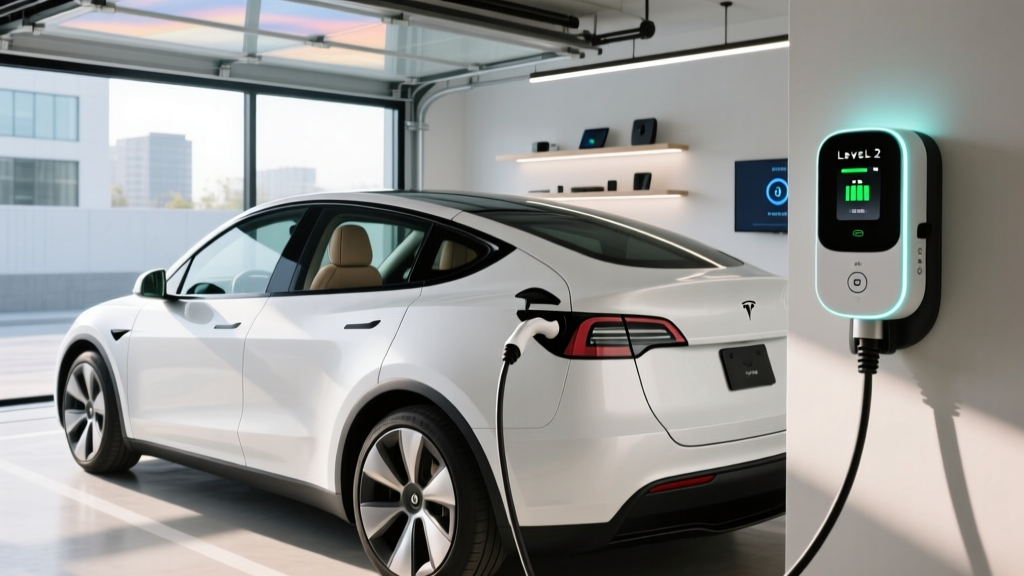
At home, the Tesla Wall Connector on a 60-amp circuit delivers 48 amps / 11.5 kW, replenishing the full 78-kWh battery in roughly 7–8 hours. If your home electrical panel supports only a 40-amp circuit, expect around 9.6 kW (37 mi/hr) — still sufficient for overnight charging. Installation costs for a Level 2 home setup typically range from $800 to $2,500 depending on panel proximity and whether an upgrade to 200-amp service is needed. Always consult a licensed electrician for final specifications.
For non-Tesla networks, the 2026 Model Y ships with the NACS connector. Tesla has opened its Supercharger network to other brands, but Model Y owners benefit from native integration — plug-and-charge with no adapter required, automatic billing through the Tesla app, and real-time stall availability in the navigation system.
The Tesla White Interior: What You Get for the Premium
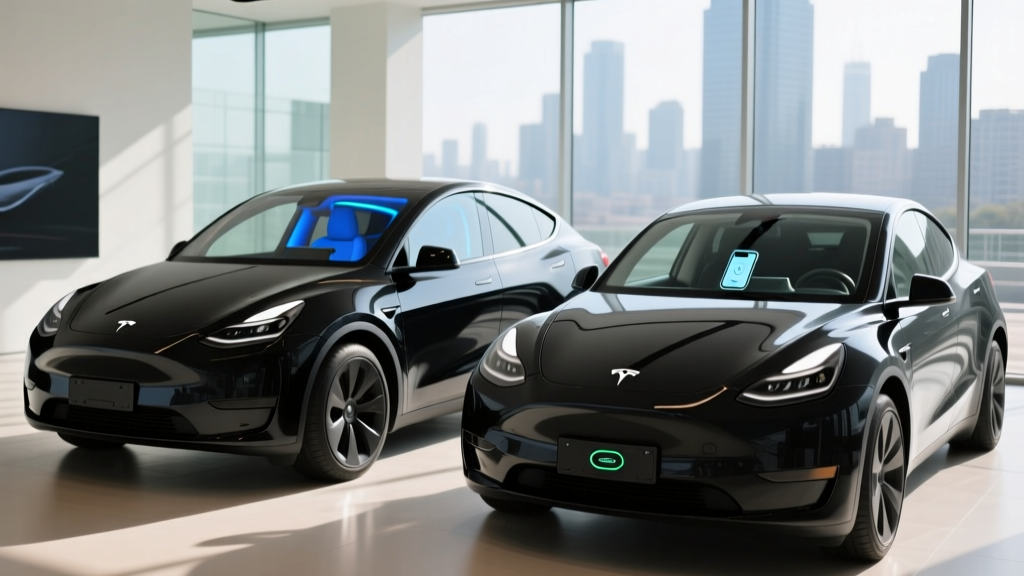
The white interior option adds $1,000 to the Model Y's MSRP and replaces the standard black synthetic leather with white vegan leather on the seats, door panels, and center console. The visual impact is significant: the cabin feels substantially larger and more open, particularly paired with the Model Y's full glass roof.
Material quality on the 2026 Model Y has improved over prior years, with tighter stitching and a softer-touch surface on the dashboard and armrests. The white seats use a stain-resistant coating that resists denim dye transfer and minor spills — in our experience, routine wiping with a damp microfiber cloth keeps them looking new. That said, if you regularly transport young children, pets, or work in environments where clothing carries grease or dirt, the black interior is the pragmatic choice.
Both interior options share the same 15.4-inch center touchscreen running Tesla's latest software, which includes navigation with real-time Supercharger routing, streaming media (Netflix, YouTube, Spotify), a phone-as-key system, and over-the-air updates. The 2026 Model Y also features ventilated front seats (standard on all trims), a rear-seat touchscreen for climate and media control, and an upgraded 16-speaker audio system with immersive sound processing.
Pricing, Tax Credits, and Total Cost
| Configuration | MSRP | Est. After §30D Credit |
|---|---|---|
| Long Range AWD (Black Interior) | $48,990 + $1,390 dest. = $50,380 | ~$42,880 (if eligible) |
| Long Range AWD (White Interior) | $49,990 + $1,390 dest. = $51,380 | ~$43,880 (if eligible) |
| Performance AWD (White Interior) | $54,490 + $1,390 dest. = $55,880 | ~$48,380 (if eligible) |
The 2026 Model Y Long Range AWD starts at $48,990 before the $1,390 destination fee. Adding the white interior brings the total to $51,380. The Performance trim, which drops 0–60 to 3.5 seconds with 456 hp, starts at $55,880 with the white interior.
Federal tax credit eligibility under IRS §30D rules is subject to several conditions that change periodically:
- MSRP Cap: SUVs must be priced at or below $80,000 — the Model Y qualifies on all trims.
- Buyer Income Cap: Modified AGI must not exceed $150,000 (single), $225,000 (head of household), or $300,000 (joint filers).
- Battery Sourcing: Critical minerals and battery components must meet phased-in percentage thresholds from US or FTA-partner countries. Tesla's supply chain has adapted, but the exact credit amount (up to $7,500) can vary — check the IRS's current eligible vehicle list before purchasing.
- Point-of-Sale Transfer: As of 2024, buyers can transfer the credit to the dealer at purchase, reducing the out-of-pocket cost immediately rather than waiting for tax filing.
Consult a tax professional for your specific situation. State and local incentives may stack on top of the federal credit — check your state energy office or AFDC's state incentive database for current programs.
Driving Dynamics, Tech, and Driver Assistance
The dual-motor AWD system provides confident traction in rain and light snow, with torque vectoring that makes the Model Y feel planted through corners despite its ~4,400-lb curb weight. The steering is quick and well-weighted, though some drivers note it lacks the feedback of a traditional performance SUV. Ride quality has improved with the 2025 refresh's revised suspension tuning — the Model Y now absorbs sharp pavement imperfections more gracefully, though it's still firmer than a Hyundai Ioniq 5 or Ford Mustang Mach-E.
Tesla's Autopilot comes standard and includes adaptive cruise control, lane-keeping assist, and automatic emergency braking. The optional Full Self-Driving (Supervised) package adds automated lane changes, traffic-light and stop-sign recognition, and city-street navigation-guided driving. It is critical to understand that FSD Supervised is an SAE Level 2 system — the driver must remain fully engaged, hands on or near the wheel, and eyes on the road at all times. It is not autonomous driving. Only Level 4 robotaxi services like Waymo operate without driver supervision, and those are geofenced to specific cities.
Pros, Cons, and the Competition
Pros
- 320-mi EPA range covers most road trips with one stop
- Tesla Supercharger network reliability and integration
- 250 kW peak charging; 10–80% in ~25 minutes
- Spacious cargo area (72.1 cu ft max) with flat load floor
- White interior elevates cabin ambiance meaningfully
- OTA updates continuously add features post-purchase
- Strong resale value relative to EV segment average
Cons
- White interior requires upkeep; not ideal for families with small kids
- FSD Supervised ($8,000 or $99/mo) remains Level 2, not autonomous
- Highway range drops to ~250 mi at 80 mph
- No Apple CarPlay or Android Auto — Tesla's ecosystem only
- Firm ride compared to Ioniq 5 or Mach-E
- Panel gaps and paint quality still inconsistent on some units
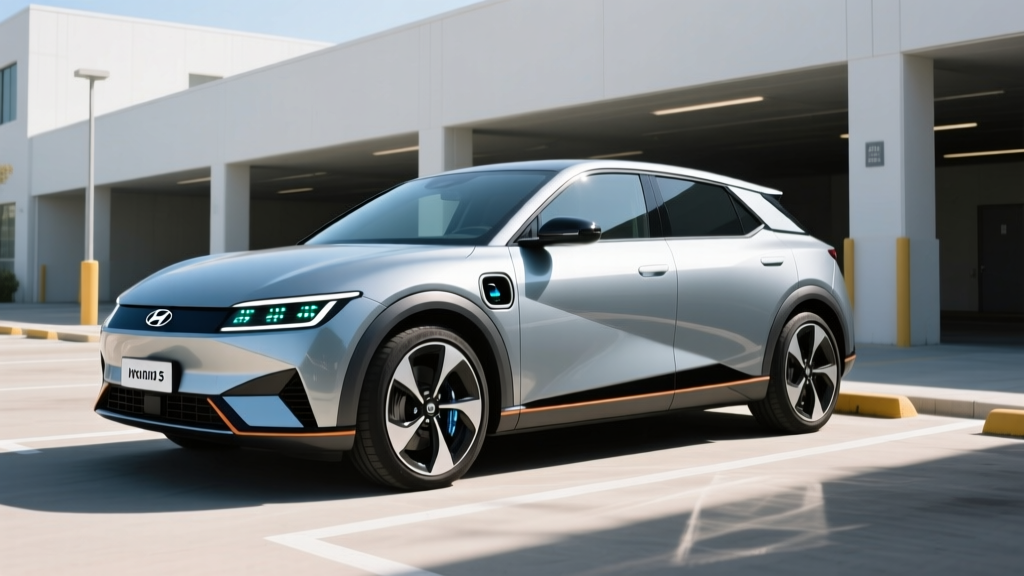
Against the Hyundai Ioniq 5 (310-mi range, 350 kW peak charging via 800V architecture, ~$52,000), the Model Y offers more cargo space and better Supercharger access, while the Ioniq 5 charges faster and has a more compliant ride. The Ford Mustang Mach-E Extended Range AWD (312-mi range, ~$50,000) provides a more engaging drive and Apple CarPlay, but its public charging experience is less seamless than Tesla's native network. The Kia EV6 shares the Ioniq 5's 800V fast-charging advantage and adds a sportier design, though it gives up some rear-seat room.
Choose a competitor if: You need 800V ultra-fast charging (Ioniq 5/EV6), prefer Apple CarPlay integration (Mach-E/Ioniq 5), or want a softer ride for daily commuting.
Who the 2026 Model Y White Interior Suits Best
The white interior Model Y Long Range AWD is best suited for professionals and couples who value a premium-feeling cabin, primarily drive in urban or suburban settings, and have reliable home charging access. The 320-mile range handles daily commutes effortlessly and supports road trips with planned Supercharger stops every 200–250 miles (allowing a comfort buffer).
It's less ideal for families with toddlers or pet owners who frequently transport animals — the white seats will show wear faster, and while the vegan leather is durable, it's not impervious to claws or spilled juice boxes. For those use cases, the black interior at no additional cost is the practical pick.
Frequently Asked Questions
What is the real-world range of the 2026 Tesla Model Y Long Range AWD?
Expect 270–295 miles in mixed mild-weather driving, 240–260 miles on sustained highway trips at 75–80 mph, and 220–250 miles in freezing temperatures. The EPA sticker reads 320 miles, but real-world conditions — speed, elevation, temperature, and HVAC use — reduce that figure.
How fast does the Model Y charge at home and on DC fast chargers?
On a Tesla Wall Connector (Level 2, 11.5 kW), you'll add roughly 44 miles per hour, fully charging overnight in 7–8 hours. On a V3 Supercharger at 250 kW peak, a 10–80% charge takes approximately 25 minutes, with the rate tapering significantly above 80%.
Does the 2026 Model Y qualify for the $7,500 federal EV tax credit?
The Model Y qualifies on MSRP (under the $80,000 SUV cap), but your eligibility depends on income limits ($150K single / $300K joint), and the vehicle's battery sourcing must meet current IRS thresholds. The credit amount can be up to $7,500 and is transferable at point of sale. Check the IRS clean vehicle credit page for the latest eligible-vehicle list.
Is the Tesla white interior worth the $1,000 upcharge?
Aesthetically, yes — the cabin feels noticeably more open and premium. Practically, it demands more maintenance than black. If your lifestyle involves children, pets, or dirty work environments, save the $1,000. If you maintain a clean cabin already and want the upscale look, it's one of the more impactful options Tesla offers.
How does the Model Y compare to the Hyundai Ioniq 5 and Ford Mach-E?
The Model Y wins on Supercharger network access, cargo volume, and software integration. The Ioniq 5 charges faster (350 kW capable, 10–80% in ~18 min on compatible chargers) and rides more comfortably. The Mach-E offers Apple CarPlay and a more engaging drive. All three are strong choices — your priority (charging speed, network, tech ecosystem, ride comfort) determines the winner.
What is the battery warranty on the 2026 Model Y?
Tesla covers the battery and drive unit for 8 years or 120,000 miles, whichever comes first, with a minimum 70% capacity retention guarantee. If degradation exceeds 30% within that period, Tesla will repair or replace the battery at no cost.