The Tesla P100D 0-60 Legend: Does It Hold Up?
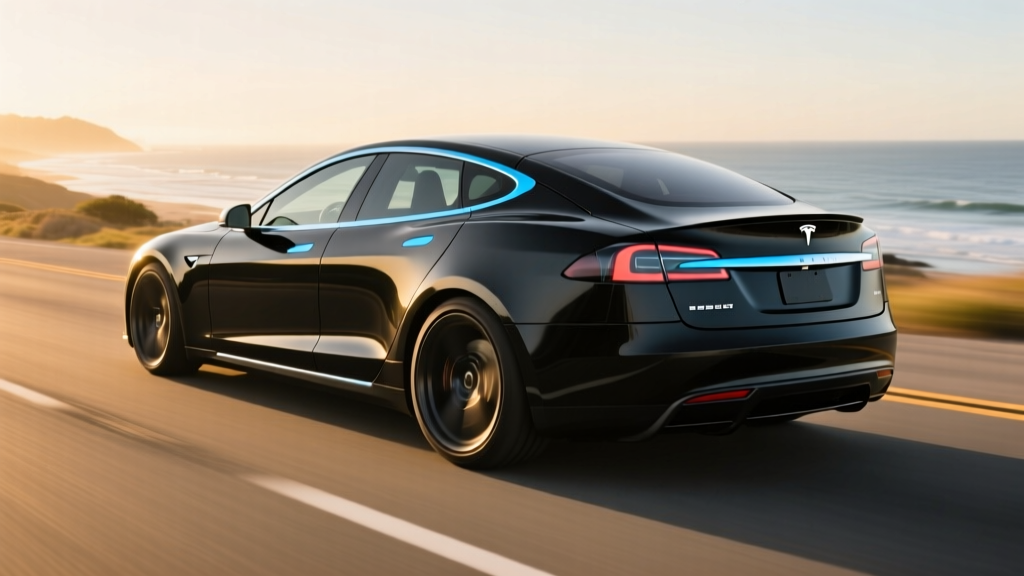
When Tesla launched the Model S P100D with Ludicrous Mode, its 2.5-second 0-60 mph time shattered expectations for what a four-door sedan could do. The P100D wasn't just fast — it was supercar fast, and it did it with zero tailpipe emissions and room for five. But the P100D was discontinued after the 2019 model year, replaced by the Model S Performance (and later Plaid) architecture. So in 2026, is hunting down a used P100D still a smart move?
This review examines the P100D's real-world performance, range, charging behavior, battery longevity, and ownership economics on today's used market — with the exact numbers you need before writing a check.
Performance: The P100D 0-60 Time That Changed Everything
| Spec | Value |
|---|---|
| 0-60 mph | 2.5 seconds (Ludicrous Mode) |
| Quarter-mile | 10.9 seconds @ 125 mph |
| Top Speed | 155 mph |
| Horsepower | ~762 hp (combined dual-motor) |
| Torque | ~791 lb-ft |
| Drivetrain | Dual-motor AWD |
| Battery Capacity | 100 kWh (usable ~98 kWh), NMC chemistry |
The P100D's dual-motor all-wheel-drive powertrain produces roughly 762 horsepower, with the rear motor handling the bulk of acceleration duty. The Ludicrous Mode launch — which requires a battery preconditioning ritual and a state of charge above 90% for maximum output — delivers a violent, neck-snapping 2.5-second sprint to 60 mph. Car and Driver verified this figure independently, and some tests with rollout subtracted returned times as low as 2.28 seconds.
For context, the 2026 Model S Plaid hits 60 mph in 1.99 seconds with its tri-motor setup and 1,020 hp. The P100D is slower on paper, but the visceral experience of its Ludicrous launch still embarrasses nearly anything at a stoplight. The difference? Plaid's advantage comes from sustained power delivery and a dedicated track-mode cooling system the P100D simply doesn't have.
EPA Range and Real-World Expectations
Real-World Highway (70+ mph): ~240–265 miles
Real-World Cold Weather (below 32°F): ~200–230 miles
City / Moderate Driving: ~280–300 miles
The P100D carried an EPA rating of 315 miles when new — impressive for a 100 kWh NMC battery pushing a 4,900-pound sedan. But as with every EV, the sticker number assumes a blended cycle. Sustained highway driving at 75–80 mph cuts range by roughly 15–20%, landing you between 240 and 265 miles on a full charge in warm weather.
Cold weather compounds the hit. The P100D lacks the heat pump found in the 2021+ refreshed Model S; it relies on resistive cabin heating and a less sophisticated battery thermal management system. In sub-freezing temperatures, expect a 25–35% range reduction, dropping usable range to 200–230 miles. Preconditioning the battery while plugged in mitigates some of this loss.
On the used market, battery degradation matters. A 2017–2019 P100D with 60,000–80,000 miles will typically show 5–10% degradation depending on charging habits. Tesla's NMC cells hold up well, but frequent DC fast charging to 100% accelerates capacity loss. Always check the vehicle's State of Health (SoH) via the service menu or a third-party diagnostic before purchasing.
Charging Speed: DC Fast, Level 2, and the Curve
| Level | Power / Rate | Time / Miles Added |
|---|---|---|
| Level 1 (120V household) | ~1.4 kW | ~3–4 miles per hour |
| Level 2 (240V / 48A home) | ~11.5 kW | ~30–34 miles per hour; full charge in ~9 hrs |
| DC Fast Charge (V2 Supercharger) | Peak ~145 kW | 10–80% in ~40 minutes |
| DC Fast Charge (V3 Supercharger) | Capped at ~145 kW (adapter limited) | 10–80% in ~40 minutes |
Here's where the P100D shows its age. Its charging architecture tops out around 145 kW on DC fast charging — adequate when the car was new, but modest against the 250 kW that V3 Superchargers and CCS-based competitors now deliver. The P100D's charge curve peaks early (around 20–30% SoC) and tapers aggressively past 60%, meaning the back half of a charging session is slow.
On a V3 Supercharger (250 kW capable), the P100D won't pull more than its ~145 kW ceiling. A 10–80% session takes roughly 40 minutes — acceptable for road trips but noticeably slower than a 2024+ Model S, which does the same in about 25 minutes.
For home charging, a Level 2 Wall Connector at 48 amps adds about 30–34 miles of range per hour. A full overnight charge from 10% takes about 9 hours. This is perfectly adequate for daily use — plug in when you get home, wake up with a full battery. Install costs for a Level 2 home setup typically run $800–$2,000 including the charger and electrician labor, depending on panel proximity and local permit fees.
Efficiency: MPGe and Energy Consumption
The EPA rated the P100D at 101 MPGe combined (109 city / 96 highway). In more useful terms, it consumes roughly 33 kWh per 100 miles in mixed driving. That's on the thirstier side for a large sedan — the refreshed 2021+ Model S Long Range achieves 124 MPGe thanks to improved aerodynamics, the heat pump, and a more efficient powertrain.
At the national average electricity rate of ~$0.16/kWh (per EIA data), charging a P100D costs roughly $5.28 per 100 miles. Compare that to a gas sedan averaging 30 MPG at $3.40/gallon ($11.33 per 100 miles), and the P100D still delivers meaningful fuel savings — even with its higher consumption.
Interior, Cargo, and Livability
The pre-refresh Model S interior is a mixed bag in 2026. The 17-inch center touchscreen remains functional, and Tesla's over-the-air updates have kept the infotainment system reasonably current — you still get Netflix, Spotify, and navigation with real-time Supercharger routing. However, the build quality, materials, and sound insulation don't match what you'd find in a similarly priced 2026 luxury EV like the BMW i5 or Mercedes EQS.
| Dimension | P100D (Pre-Refresh Model S) |
|---|---|
| Front Legroom | 42.7 inches |
| Rear Legroom | 35.4 inches |
| Cargo (rear trunk) | 26.3 cu ft |
| Cargo (front trunk / frunk) | 5.3 cu ft |
| Cargo (rear seats folded) | 58.1 cu ft |
| Seating Capacity | 5 adults |
The hatchback-style rear trunk is genuinely practical — 26.3 cubic feet with seats up, expanding to 58.1 with the 60/40 split folded. The frunk adds another 5.3 cubic feet for charging cables or a gym bag. This cargo flexibility remains one of the Model S platform's enduring strengths.
Tech, Autopilot, and Driver Assistance
Tesla Autopilot and Full Self-Driving (Supervised) require continuous driver engagement. The driver must keep hands on the wheel and eyes on the road at all times. This is NOT autonomous driving.
Most used P100D examples come equipped with some version of Tesla's Autopilot hardware. Early 2017 models have Hardware 2.0 or 2.5; later 2018–2019 cars may have Hardware 3.0 (the computer capable of running current FSD Supervised). Verify the hardware version before purchase — HW3.0 is a significant advantage for ongoing software support.
Basic Autopilot (Traffic-Aware Cruise Control and Autosteer) is included standard. FSD (Supervised) was a $15,000 option when new and may transfer with the vehicle if previously purchased — but Tesla has changed FSD transfer policies multiple times, so confirm with Tesla directly before relying on a transfer.
Safety-wise, the pre-refresh Model S earned a 5-star overall rating from NHTSA. However, it has not been tested by IIHS under the more rigorous protocols introduced after 2020, and its headlight rating and crash-avoidance tech lag behind modern competitors.
Pricing, Tax Credits, and Used-Market Value
| Item | Amount |
|---|---|
| Original MSRP (2017–2019) | $135,000–$145,000+ (with options) |
| Typical Used Price (2026 market, 50K–80K mi) | $35,000–$55,000 |
| Federal Used EV Tax Credit (§25E) | Up to $4,000 (30% of sale price, max $4,000) |
| Effective Price After Credit | ~$31,000–$51,000 |
The P100D is not eligible for the new-vehicle §30D federal tax credit (up to $7,500) because it is no longer in production. However, it may qualify for the §25E used clean vehicle credit, which provides 30% of the sale price up to $4,000 on used EVs priced at $25,000 or less. Here's the catch: most P100D examples sell above $25,000, meaning many will not meet the price cap. Per IRS rules, the buyer must also meet income limits ($75,000 single / $150,000 joint) and purchase from a licensed dealer.
If you find a high-mileage P100D listed below $25,000, the $4,000 credit becomes available — but scrutinize the battery health carefully at that price point. A battery replacement on a 100 kWh pack runs $12,000–$16,000 out of warranty.
Warranty and Battery Longevity
When new, the P100D carried Tesla's standard battery and drive unit warranty: 8 years / 150,000 miles, whichever comes first, with a minimum 70% capacity retention guarantee. For a 2018 model, that factory warranty expires in 2026 — meaning most P100Ds on the market are at or past warranty expiration.
Tesla's 100 kWh NMC batteries have demonstrated solid longevity in fleet data. Studies from sources like Recurrent Auto show typical capacity retention of 88–92% at 80,000 miles. However, individual results vary widely based on Supercharging frequency, charge limits, and climate. A P100D that was charged to 100% daily and Supercharged frequently will degrade faster than one kept between 20–80% on home Level 2 charging.
Out-of-warranty battery replacement costs range from $12,000 to $16,000 for a refurbished 100 kWh pack. Drive unit replacements run $5,000–$8,000. These are worst-case scenarios — many P100Ds reach 150,000+ miles without major powertrain work — but they should factor into your total-cost-of-ownership calculation.
Pros, Cons, and the Verdict
- 2.5-second 0-60 mph still elite by any standard
- 315-mile EPA range adequate for most daily and road-trip use
- Hatchback cargo versatility (26.3 cu ft trunk + frunk)
- Tesla Supercharger network access (17,000+ stalls in North America)
- Over-the-air updates keep software current
- Used prices offer supercar performance at sedan money
- 145 kW DC fast-charge ceiling is slow vs. modern EVs
- Pre-refresh interior quality and noise levels feel dated
- No heat pump — cold-weather range loss is significant
- Factory warranty likely expired on most examples
- High-mileage battery replacement risk ($12K–$16K)
- Autopilot hardware may be outdated (HW2.0/2.5 on early cars)
Look elsewhere if: You need fast road-trip charging, modern interior luxury, active factory warranty coverage, or the latest driver-assistance hardware. A used 2021+ Model S Long Range or a new Hyundai Ioniq 5 N may serve you better.
Frequently Asked Questions
What is the real-world range of the Tesla P100D?
The EPA rated it at 315 miles, but expect 240–265 miles at highway speeds and 200–230 miles in freezing weather. Battery degradation on used examples will further reduce these figures by 5–12% depending on mileage and charging history.
How fast does the P100D charge at home and on the road?
At home on a Level 2 (240V/48A) charger, it adds about 30–34 miles per hour, with a full charge in roughly 9 hours. On DC fast charging, it peaks at about 145 kW and takes approximately 40 minutes for a 10–80% session — slower than modern EVs due to its older charging architecture.
Does the Tesla P100D qualify for any federal tax credit?
It does not qualify for the new-vehicle §30D credit since it's no longer in production. It may qualify for the §25E used EV credit (up to $4,000), but only if the sale price is $25,000 or less, you buy from a licensed dealer, and you meet IRS income limits ($75K single / $150K joint). Most P100Ds sell above the $25K price cap.
Is the P100D worth buying versus a used Model S Plaid?
If your budget allows, a used 2022–2024 Model S Plaid offers significantly more: 1.99-second 0-60, 250 kW charging, a heat pump, HW4.0 Autopilot, the refreshed interior, and likely remaining factory warranty. The Plaid commands $65,000–$85,000 used, however, versus $35,000–$55,000 for a P100D. If budget is the constraint and you accept the trade-offs, the P100D delivers remarkable performance per dollar.
How long will a P100D battery last?
Tesla's 100 kWh NMC packs typically retain 88–92% capacity at 80,000 miles based on fleet data. Many reach 150,000+ miles with 80%+ retention. Conservative charging habits (20–80% daily, limited Supercharging) extend longevity. Budget $12,000–$16,000 as a worst-case replacement reserve.
Can I still use Tesla Superchargers with a P100D?
Yes. The P100D uses Tesla's proprietary connector and has full access to the Supercharger network. It can also use the growing number of non-Tesla chargers via the J1772 adapter (included) for Level 2 and, with Tesla's CCS adapter, access third-party DC fast-charging networks like Electrify America — though at the car's ~145 kW ceiling.