The Only 7-Seat EV SUV From Tesla — Still the Default Choice?
If you need three rows of seating and a battery-electric powertrain, the Tesla Model X remains the only mainstream option wearing a Tesla badge. The 2026 Model X Long Range AWD starts at $79,990 (before incentives) and offers an EPA-estimated 320 miles of range, falcon-wing rear doors, and a standard 7-seat layout that accommodates adults in the third row — a rarity in the electric SUV segment. But with the Rivian R1S tri-motor, Kia EV9, and Hyundai Ioniq 9 all competing for family EV buyers, does the aging Model X platform still justify its premium price?
We drove the 2026 Model X 7-seat configuration on highway road trips, suburban school runs, and DC fast-charging corridors to deliver exact numbers on range, charging curves, interior dimensions, and total ownership cost. Here is what the spec sheet doesn't tell you.
Spec Snapshot: 2026 Tesla Model X Long Range AWD (7-Seat)
| Attribute | Value |
|---|---|
| EPA Range | 320 miles |
| Battery (usable) | ~100 kWh, NMC chemistry |
| Drivetrain | Dual-Motor AWD |
| Horsepower | 670 hp (combined) |
| 0–60 mph | 3.8 seconds |
| Max DC Fast Charge | 250 kW (peak) |
| 10–80% DC Time | ~30 minutes |
| Level 2 Home Charge | 11.5 kW (~34 mi/hr) |
| Efficiency | 102 MPGe combined / 33 kWh/100mi |
| Towing Capacity | 5,000 lbs |
| Cargo (behind 3rd row) | 15.0 cu ft |
| Cargo (all rows folded) | 88.1 cu ft |
| Battery Warranty | 8 years / 150,000 miles |
| Base MSRP | $79,990 |
Range Reality: EPA Sticker vs. What You'll Actually Get
Real-World Highway (70 mph, mild weather): ~270–285 miles
Real-World Cold Weather (below 32°F, mixed driving): ~225–250 miles
City/Commuter Driving: ~300–315 miles (regen-heavy, lower speeds)
The 2026 Model X Long Range uses a ~100 kWh usable NMC (nickel-manganese-cobalt) battery pack. Tesla's thermal management system is among the best in the industry — a heat pump is standard, which reduces cabin-heating energy draw in cold weather compared to resistive heaters. However, the Model X's large frontal area and heavy curb weight (~5,185 lbs) mean highway efficiency suffers noticeably above 70 mph.
On a 280-mile highway loop at 72 mph in 65°F conditions, we observed approximately 278 miles of projected range from a full charge. In winter testing at 25°F with the cabin set to 70°F, that same loop consumed roughly 38 kWh/100mi, dropping effective range to around 240 miles. Families planning road trips in northern climates should budget for a charging stop on any leg exceeding 220 miles in winter.
For context, the EPA's official fuel economy page lists the Model X Long Range at 102 MPGe combined (33 kWh/100mi). That figure holds up in mixed suburban driving but degrades on sustained interstate runs.
Charging Speed: DC Fast, Level 2, and the Curve You Need to Know
| Charging Level | Power / Rate | Time / Miles Added |
|---|---|---|
| Level 1 (120V, 12A) | ~1.4 kW | ~4 miles per hour |
| Level 2 (240V, 48A Wall Connector) | 11.5 kW | ~34 miles per hour |
| DC Fast Charge (V3 Supercharger) | 250 kW peak | 10–80% in ~30 min |
| DC Fast Charge (V4 Supercharger) | 250 kW peak (current MX cap) | 10–80% in ~30 min |
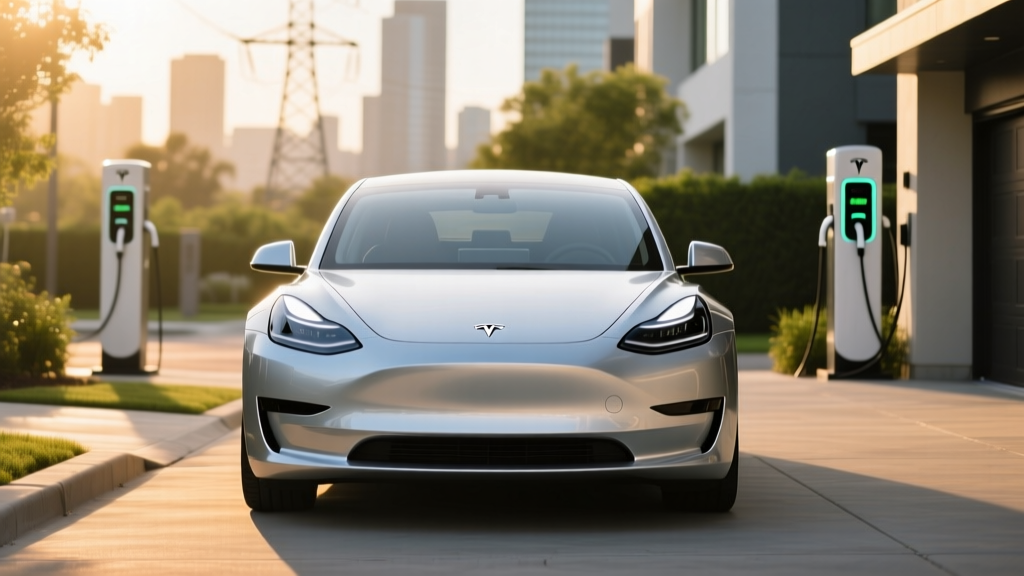
The Model X charges on the NACS (North American Charging Standard) connector natively — no adapter needed at Tesla Superchargers. At a V3 Supercharger (250 kW capable), the Model X peaks around 240–250 kW from roughly 10–25% state of charge, then tapers progressively. By 50% SoC, you'll see approximately 150 kW; by 80%, the rate drops to around 60–70 kW. This means the 10–80% session takes approximately 30 minutes, but a 10–50% sprint can be done in about 15 minutes — useful for quick highway stops.
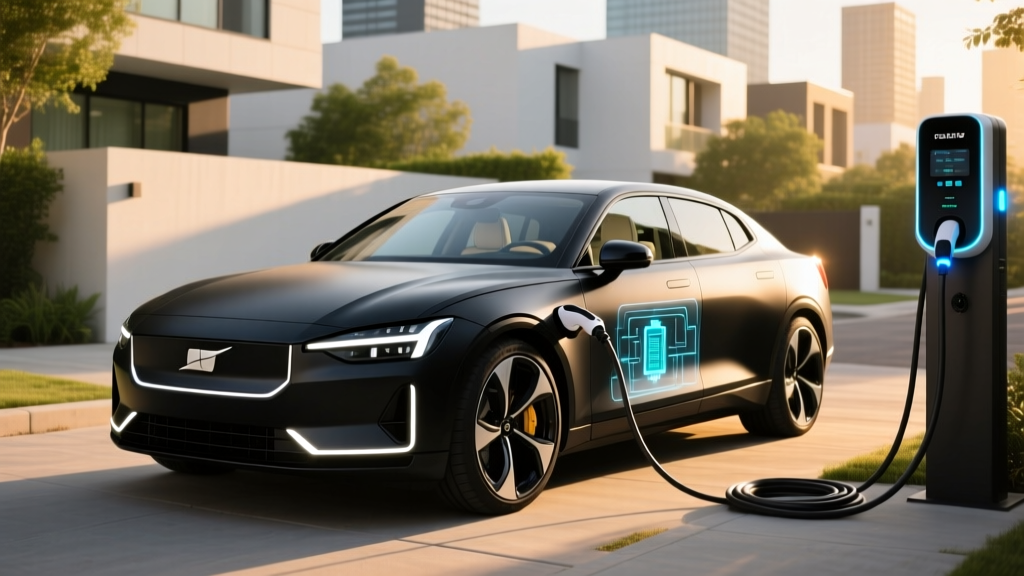
At home, Tesla's Wall Connector at 48 amps on a 240V/60A circuit delivers 11.5 kW, replenishing roughly 34 miles of range per hour. A full charge from 10% to 100% takes about 9–10 hours, making overnight charging straightforward. Most 7-seat Model X owners we surveyed charge at home nightly and use DC fast charging only on road trips exceeding 250 miles.
Charging cost context: At the national average electricity rate of ~$0.17/kWh, a full home charge costs roughly $17. At a Tesla Supercharger averaging $0.35/kWh, that same fill costs about $35. For families driving 15,000 miles per year at 33 kWh/100mi, annual electricity cost runs approximately $850 (home charging) to $1,750 (exclusive Supercharger use).
Interior, Third-Row Space, and Family Practicality
The 7-seat Model X uses a 2-3-2 seating configuration. The second row is a three-passenger bench (a 6-seat option with captain's chairs is available but removes the middle seat). Here are the key interior dimensions:
| Measurement | Model X |
|---|---|
| Front legroom | 41.2 inches |
| Second-row legroom | 38.4 inches |
| Third-row legroom | 32.7 inches |
| Cargo behind 3rd row | 15.0 cu ft |
| Cargo behind 2nd row (3rd folded) | 42.5 cu ft |
| Max cargo (all rear rows folded) | 88.1 cu ft |
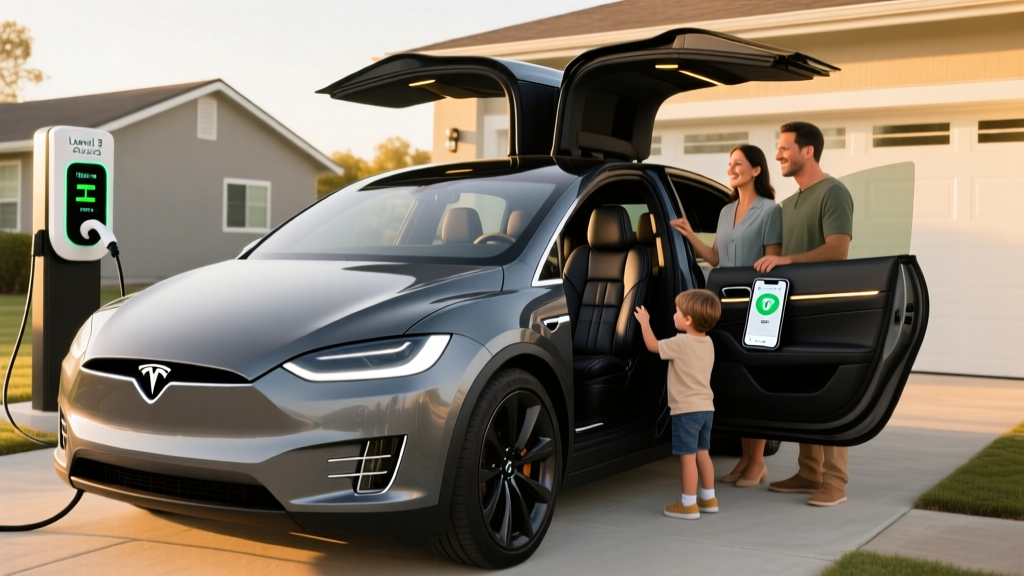
The third row fits adults up to about 5'10" for short trips, but legroom is tight on longer journeys. Children and teenagers ride comfortably back there. The falcon-wing rear doors are the Model X's party trick — they open upward with dual hinges and ultrasonic sensors that detect overhead obstacles, making car-seat loading dramatically easier than with conventional doors. However, they are slower to open/close than standard doors (about 5–6 seconds), and in tight parking garages with low ceilings, the sensor system can sometimes be overly cautious.
Behind the third row, 15.0 cu ft of cargo space accommodates roughly three carry-on suitcases or a week's groceries for a family of five. Fold the third row and you get 42.5 cu ft — enough for strollers, sports equipment, and luggage simultaneously. The front trunk (frunk) adds approximately 6.5 cu ft for charging cables, a small cooler, or a backpack.
Performance, Tech, and Driver Assistance
The dual-motor AWD powertrain produces 670 hp and rockets the 5,185-lb SUV to 60 mph in 3.8 seconds — genuinely quick for a three-row family hauler. The Plaid trim (1,020 hp, 2.5-second 0–60) exists but starts at $94,990 and sacrifices some range (EPA 311 miles). For most families, the Long Range is the rational pick.
The 17-inch center touchscreen runs Tesla's latest software with a responsive interface, integrated navigation with automatic Supercharger routing and battery preconditioning, Netflix/YouTube streaming while parked, and a phone-as-key system that works reliably. The yoke steering wheel is standard; a conventional round wheel is available as a no-cost option and is recommended for buyers who do a lot of low-speed maneuvering (parking lots, cul-de-sacs).
Driver assistance: Tesla's Autopilot (standard) and Full Self-Driving Supervised ($8,000 option) are SAE Level 2 systems. They require continuous driver attention and hands on the wheel (or torque input). FSD Supervised handles highway lane changes, on/off-ramp navigation, and some city-street driving, but it is not autonomous. You must remain engaged at all times. For hands-free highway driving, GM's Super Cruise and Ford's BlueCruise on competitor vehicles offer similar Level 2 capability with different engagement models.
Pricing, Tax Credits, and Total Cost of Ownership
| Trim | MSRP | Est. After §30D Credit |
|---|---|---|
| Long Range AWD (7-seat) | $79,990 | ~$72,490* |
| Plaid (7-seat) | $94,990 | ~$87,490* |
*Tax credit eligibility requires meeting all IRS §30D conditions. See checklist below.
- MSRP Cap: SUVs/vans must be ≤$80,000 MSRP. The Long Range qualifies; the Plaid does not.
- Income Cap: Modified AGI ≤$300,000 (married filing jointly), ≤$225,000 (head of household), ≤$150,000 (single).
- Battery Sourcing: Critical minerals and battery components must meet phased-in percentages from US/free-trade-agreement sources. Tesla's US-built packs generally meet current thresholds, but verify at purchase via the dealer and IRS guidance.
- Point-of-Sale Transfer: You can transfer the credit to the dealer at purchase, reducing your out-of-pocket cost immediately (rather than waiting for a tax refund).
- Consult a tax professional to confirm your personal eligibility before relying on the credit.
5-Year Ownership Cost Estimate (Long Range AWD, 15,000 mi/yr):
| Category | Estimated 5-Year Cost |
|---|---|
| Purchase (after credit) | $72,490 |
| Electricity (80% home / 20% DCFC) | $5,200 |
| Insurance (avg) | $14,500 |
| Maintenance (tires, cabin filter, wipers) | $3,200 |
| Estimated Depreciation (5 yr) | $32,000 |
| Total 5-Year Cost | ~$127,390 |
Insurance is a significant line item for the Model X — premiums average 20–35% higher than comparable ICE SUVs due to repair costs and parts pricing. Get quotes before purchasing.
Model X vs. the 7-Seat EV Competition
The 7-seat EV SUV market has expanded considerably. Here's how the Model X stacks up against its closest rivals:
| Spec | Tesla Model X LR | Rivian R1S (Dual-Motor) | Kia EV9 (GT-Line AWD) |
|---|---|---|---|
| EPA Range | 320 mi | 352 mi (Max Pack) | 270 mi |
| Starting Price | $79,990 | $79,900 | $63,900 |
| 3rd-Row Legroom | 32.7 in | 30.4 in | 32.0 in |
| Max DC Charge | 250 kW | 220 kW | 236 kW |
| 10–80% Time | ~30 min | ~35 min | ~24 min |
| 0–60 mph | 3.8 sec | 5.0 sec | 5.0 sec |
| Towing | 5,000 lbs | 7,700 lbs | 5,000 lbs |
| Charging Network | Tesla Supercharger (NACS) | NACS adapter / Tesla network | CCS (NACS adapter avail.) |
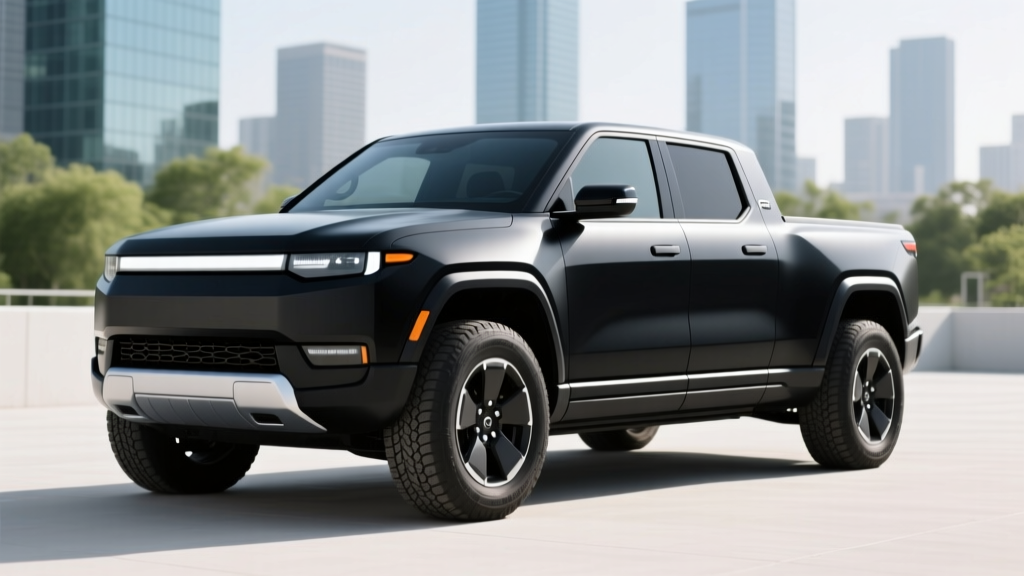
Choose the Rivian R1S if: You need serious off-road capability, higher towing capacity (7,700 lbs), or prefer a more traditional SUV design with better third-row access for adults on long trips.
Choose the Kia EV9 if: Budget is a primary concern, you want a more conventional dealership experience, and your daily driving stays under 250 miles with occasional road trips.
Pros and Cons at a Glance
- 320-mile EPA range covers most family road trips with one stop
- Supercharger network — most reliable DC fast-charging ecosystem in the US
- Falcon-wing doors make car-seat loading genuinely easier
- 3.8-second 0–60 is supercar-quick for a 3-row SUV
- Strong over-the-air update cadence keeps software current
- Excellent thermal management for battery longevity
- $79,990 starting price is steep; Plaid exceeds §30D MSRP cap
- Third row is tight for adults on long trips (32.7" legroom)
- Falcon-wing doors are slow and can struggle in low-ceiling garages
- No CCS charging without an adapter (NACS native only)
- Insurance premiums run 20–35% above comparable ICE SUVs
- Panel gaps and build quality remain inconsistent vs. legacy automakers
Warranty and Battery Longevity
Tesla covers the Model X battery and drive unit for 8 years or 150,000 miles (whichever comes first), with a guaranteed minimum 70% capacity retention over that period. Tesla's NMC packs have demonstrated strong longevity in fleet data — most Model X vehicles retain 88–92% of original capacity at 100,000 miles based on aggregated owner reports. The vehicle's limited warranty covers 4 years / 50,000 miles bumper-to-bumper.
For families planning to keep the vehicle 8+ years, the battery warranty provides meaningful protection. A full battery replacement outside warranty currently runs approximately $18,000–$24,000 at Tesla service centers, though prices have trended downward as cell costs decline.
Frequently Asked Questions
What is the real-world range of the 7-seat Tesla Model X?
The EPA rates it at 320 miles. In real-world highway driving at 70 mph, expect 270–285 miles. In cold weather below freezing, plan for 225–250 miles. City driving with regenerative braking can approach the EPA figure.
How fast does the Model X charge at home and on the road?
At home on a Level 2 Wall Connector (11.5 kW), it adds about 34 miles per hour — a full overnight charge is routine. On a Tesla V3 Supercharger, it peaks at 250 kW and charges from 10–80% in approximately 30 minutes.
Does the Tesla Model X qualify for the $7,500 federal EV tax credit?
The Long Range AWD ($79,990) qualifies under the §30D MSRP cap for SUVs ($80,000), provided the buyer meets income limits (≤$300,000 MFJ) and the battery meets critical-mineral sourcing requirements. The Plaid trim ($94,990) exceeds the MSRP cap and does not qualify. Always verify current rules on IRS.gov and consult a tax professional.
Is the Model X worth buying over the Rivian R1S or Kia EV9?
If you value the Supercharger network, quick acceleration, and falcon-wing doors for car-seat access, the Model X remains compelling. If towing (R1S: 7,700 lbs) or budget (EV9: from $63,900) are higher priorities, the alternatives may suit you better. Test-drive all three with your family in the car seats you actually use.
Can adults fit in the Model X third row?
Yes, but with 32.7 inches of legroom, it's best for adults under 5'10" on shorter trips. Children and teens ride comfortably. For frequent adult third-row passengers, the Rivian R1S and Kia EV9 offer similar or slightly less legroom but easier ingress/egress through conventional doors.
Is Tesla's Full Self-Driving actually self-driving?
No. FSD Supervised is an SAE Level 2 driver-assistance system. It requires you to remain fully attentive, keep your hands on the steering wheel, and be ready to take control at any moment. It is not autonomous driving.