What Tesla's Miramar San Diego Facility Actually Does
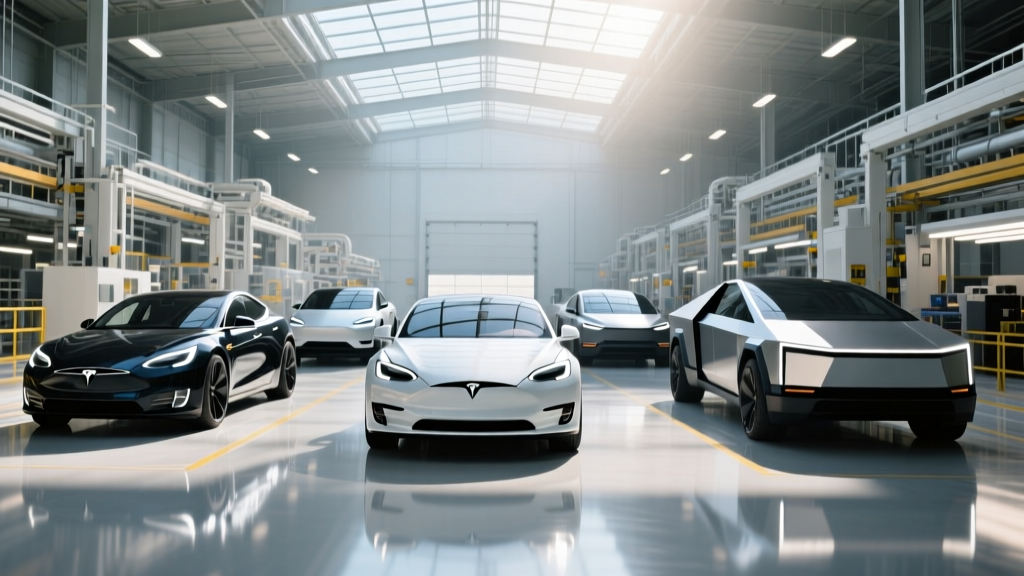
If you've searched for "Tesla Miramar San Diego," you've likely encountered a maze of results pointing to everything from service centers to delivery hubs. The Miramar area in northern San Diego houses one of Tesla's key regional delivery and service operations — not a manufacturing gigafactory, but a critical node in Tesla's West Coast logistics network. For Southern California EV buyers, this facility is often the final stop before taking delivery of a new Model 3, Model Y, Model S, or Model X.
This guide breaks down what the Miramar location offers, what 2026 Tesla models you'll find in the San Diego pipeline, and the hard specs — range, charging, pricing, and tax credit eligibility — that matter when you're picking up your vehicle.
2026 Tesla Model Lineup: Specs That Matter at Delivery
San Diego buyers taking delivery at Miramar typically receive one of four models. Here's the spec breakdown for the current 2026 lineup, pulled from EPA fueleconomy.gov and Tesla's official specifications.
| Spec | Model 3 RWD | Model 3 Long Range AWD | Model Y Long Range AWD | Model S Plaid |
|---|---|---|---|---|
| EPA Range | 272 mi | 341 mi | 310 mi | 396 mi |
| Battery (usable) | ~60 kWh (LFP) | ~79 kWh (NMC) | ~79 kWh (NMC) | ~100 kWh (NMC) |
| Peak DC Charge | 170 kW | 250 kW | 250 kW | 250 kW |
| 10-80% DC Time | ~30 min | ~25 min | ~25 min | ~28 min |
| Level 2 Rate | 7.6 kW (~30 mi/hr) | 11.5 kW (~44 mi/hr) | 11.5 kW (~44 mi/hr) | 11.5 kW (~44 mi/hr) |
| 0-60 mph | 5.8 sec | 4.2 sec | 4.8 sec | 1.99 sec |
| Horsepower | 271 hp | 384 hp | 384 hp | 1,020 hp |
| Drivetrain | RWD | Dual-Motor AWD | Dual-Motor AWD | Tri-Motor AWD |
| MPGe (combined) | 132 MPGe | 125 MPGe | 117 MPGe | 120 MPGe |
| Base MSRP | $38,990 | $44,990 | $48,990 | $89,990 |
Real-World Range: What San Diego Drivers Actually See
Model 3 Long Range AWD: EPA 341 mi → Expect ~280-300 mi on I-5 highway driving at 70-75 mph. In San Diego's mild climate (rarely below 50°F), cold-weather range loss is minimal — typically 5-8%, not the 20-30% seen in Midwest winters.
Model Y Long Range AWD: EPA 310 mi → Expect ~250-275 mi highway. The taller, heavier crossover profile costs efficiency at sustained speed.
Model 3 RWD (LFP): EPA 272 mi → Expect ~220-240 mi highway. The LFP battery's lower energy density shows here, but the trade-off is exceptional longevity.
San Diego's temperate coastal climate is one of the best environments in the country for EV range retention. You won't see the brutal 30-40% range drops that Minnesota or Chicago owners face in January. However, sustained I-5 or I-8 freeway driving at 75+ mph will still cost you 15-20% versus the EPA sticker, regardless of temperature. Aerodynamic drag scales with the square of speed — physics doesn't negotiate.
For the Model 3 Long Range, that means a realistic San Diego-to-Los-Angeles trip (roughly 120 miles each way) leaves you with a comfortable buffer, while a San Diego-to-Phoenix run (350 miles) requires at least one Supercharger stop — conveniently available at Tesla's El Centro Supercharger station along I-8.
Charging Speed: Home and DC Fast Charging Explained
Charging speed is where kW (power, or how fast energy flows) and kWh (energy, or battery capacity) diverge — a distinction that trips up many first-time EV buyers. Your Model Y's 79 kWh battery needs energy; the 250 kW peak charge rate determines how quickly that energy arrives.
| Charging Level | Power | Miles Added/Hour | Best For |
|---|---|---|---|
| Level 1 (120V outlet) | ~1.4 kW | ~4-5 mi/hr | Emergency / overnight trickle |
| Level 2 (240V home) | 7.6-11.5 kW | 30-44 mi/hr | Daily home charging |
| DC Fast (Supercharger V3) | Up to 250 kW | ~1,000+ mi/hr peak | Road trips |
| DC Fast (Supercharger V4) | Up to 350 kW* | Higher sustained rate | Newer installations |
*V4 Supercharger availability is expanding; not all San Diego stations support 350 kW yet. Current Model 3/Y onboard architecture caps at 250 kW regardless.
Home charging reality: Most San Diego homes with a 240V NEMA 14-50 outlet and a Tesla Wall Connector (or the Universal Wall Connector at $595) will add roughly 44 miles of range per hour on a Long Range model. An overnight 8-hour session replenishes ~350 miles — more than enough for any daily commute. Installation in the Miramar/Scripps Ranch area typically runs $800-$2,000 depending on panel proximity and whether a 200A service upgrade is needed.
DC fast charging curve reality: The advertised 250 kW peak only applies between roughly 10-30% State of Charge. Above 50%, the rate tapers significantly — by 80%, you're charging at closer to 60-80 kW. That 10-80% time of ~25 minutes assumes you arrive at a low SoC and the battery is preconditioned (navigate to a Supercharger in the Tesla app and the car preheats the battery en route). Skip preconditioning and add 5-10 minutes to your stop.
Pricing, Trims, and the §30D Federal Tax Credit
Tesla pricing has shifted multiple times over the past two years. Here's where the 2026 lineup stands, with critical tax credit context for California buyers.
| Model/Trim | Base MSRP | §30D Credit | Effective Price* |
|---|---|---|---|
| Model 3 RWD | $38,990 | Up to $7,500 | ~$31,490 |
| Model 3 Long Range AWD | $44,990 | Up to $7,500 | ~$37,490 |
| Model Y Long Range AWD | $48,990 | Up to $7,500 | ~$41,490 |
| Model S Long Range | $79,990 | $0 (MSRP cap) | $79,990 |
| Model X Long Range | $84,990 | $0 (MSRP cap) | $84,990 |
*Effective price assumes full §30D credit eligibility. Your actual credit depends on multiple factors.
- MSRP Cap: Sedans (Model 3) must be ≤$55,000; SUVs/trucks/vans (Model Y) must be ≤$80,000. Model S and Model X exceed these limits and do NOT qualify.
- Buyer Income Cap: Modified AGI ≤$150,000 (single), ≤$225,000 (head of household), ≤$300,000 (joint).
- Battery Sourcing: Critical minerals and battery component requirements phase in annually under the Inflation Reduction Act. As of 2026, a high percentage of components must be sourced from the U.S. or FTA partners — Tesla's Fremont and Nevada battery supply chain generally meets these requirements for Model 3 and Model Y, but confirm at point of sale.
- Point-of-Sale Transfer: You can now transfer the credit to the dealer at purchase, reducing your out-of-pocket cost immediately rather than waiting for a tax refund.
- Verify: Always check current rules at IRS.gov — requirements change, and VIN-specific eligibility can be confirmed through the IRS portal.
California buyers also benefit from the state's Clean Vehicle Rebate Project (CVRP), which has offered up to $2,000 for eligible buyers, plus potential local utility rebates from SDG&E for home charger installation. Check the California Energy Commission for current availability, as state programs frequently exhaust funding and reopen.
Tesla Autopilot and FSD: What Level Are We Actually Talking About?
Despite the "Full Self-Driving" branding, Tesla's Autopilot and FSD (Supervised) are SAE Level 2 driver-assistance systems. This means: the driver must remain fully engaged, hands on or near the wheel, eyes on the road, and ready to take over at any moment. The car does not handle all driving scenarios independently. This is fundamentally different from Level 4 robotaxi services like Waymo, which operate without a driver in defined areas.
Every Tesla delivered at Miramar includes Basic Autopilot — adaptive cruise control and lane-keeping on marked highways. The FSD (Supervised) upgrade ($8,000 one-time or $99/month as of 2026) adds city-street navigation, traffic light and stop sign recognition, and automatic lane changes. It's impressive technology, but it remains a driver-supervision system, not autonomous driving.
For San Diego commuters on I-5, I-805, or I-15, Basic Autopilot handles stop-and-go traffic competently. FSD adds value primarily on complex surface streets — though its performance varies by road marking quality and construction zone frequency, both of which are common in San Diego's perpetual freeway expansion projects.
Cargo, Passenger Space, and Daily Livability
Tesla's minimalist interior maximizes cabin volume relative to exterior footprint. Here's what fits in the models San Diego buyers most commonly pick up at Miramar:
Model 3: 23 cu ft total cargo (trunk + frunk), 42.3 inches front legroom, 35.2 inches rear legroom. The frunk adds ~3 cu ft — useful for charging cables and groceries you want separated from the trunk.
Model Y: 76 cu ft cargo with rear seats folded (30 cu ft behind the second row), plus a ~4 cu ft frunk. This is where the crossover form factor pays off: a family of four with strollers, beach gear, and a week's groceries fits without a roof box. The optional third row (for smaller children) is available but tight — 26.5 inches of legroom is best reserved for kids under 10.
Model S: 28 cu ft cargo, 42.4 inches front legroom, 35.4 inches rear. More premium materials and a larger 17-inch center display, but the liftback design means less vertical cargo flexibility than the Model Y.
Pros, Cons, and Who Should Buy
- Supercharger network — the most reliable DC fast-charging ecosystem in the U.S., with 20+ stations in greater San Diego
- Over-the-air updates continuously add features
- Class-leading efficiency (kWh/100mi) across the lineup
- Strong resale value relative to most EV competitors
- San Diego's mild climate maximizes range and battery longevity
- Instant torque makes I-5 merging effortless
- No Apple CarPlay or Android Auto — Tesla's proprietary infotainment only
- Build quality inconsistency (panel gaps, paint) still surfaces on some deliveries
- FSD (Supervised) is expensive and remains Level 2 despite the name
- No physical buttons — HVAC, mirrors, and glovebox all controlled via touchscreen
- Insurance premiums run 15-30% higher than comparable gas vehicles in California
- Model S/X no longer qualify for federal tax credit due to MSRP caps
Best for: The Model Y Long Range is the strongest all-around pick for San Diego families — enough range for weekend trips to Big Bear or Joshua Tree, Supercharger access for longer hauls, and cargo volume that handles Costco runs and beach days. The Model 3 RWD at ~$31,490 (after credit) is the value play for single commuters driving the I-15 or I-805 corridor daily.
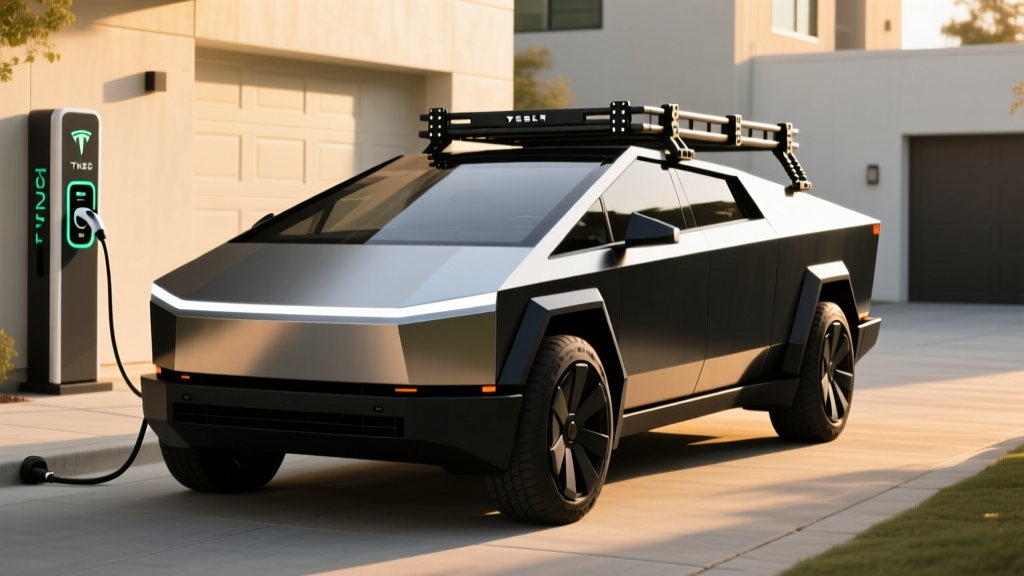
Look elsewhere if: You need Apple CarPlay, you want a traditional dealership experience with in-person negotiation, or you need a truck bed (the Cybertruck is available but polarizing and starts at $79,990, above the §30D MSRP cap for trucks).
Warranty and Battery Longevity
Tesla's warranty structure is straightforward:
- Basic Vehicle: 4 years / 50,000 miles
- Battery & Drive Unit (Model 3 RWD): 8 years / 100,000 miles
- Battery & Drive Unit (Long Range / Performance): 8 years / 120,000 miles
- Capacity Retention Threshold: Tesla warrants that the battery will retain at least 70% of original capacity during the warranty period
For the LFP battery in the Model 3 RWD, real-world degradation data is encouraging. LFP chemistry tolerates regular 100% charging (Tesla actually recommends it for LFP packs, unlike NMC where 80% daily is preferred). San Diego owners with LFP packs report minimal degradation — typically 3-5% after 50,000 miles — owing to both the chemistry's inherent stability and the region's moderate temperatures.
Frequently Asked Questions
What is the real-world range of a Tesla in San Diego?
San Diego's mild climate is ideal for EV efficiency. Expect roughly 85-90% of the EPA sticker on highway drives — so a Model 3 Long Range (EPA 341 mi) delivers ~280-300 real-world highway miles. City driving with regenerative braking can match or slightly exceed EPA figures.
How fast does a Tesla charge at home and on the road?
At home on a 240V Level 2 connection, expect 30-44 miles of range per hour depending on the model. On a V3 Supercharger (250 kW peak), a 10-80% charge takes roughly 25 minutes with battery preconditioning. Actual speed depends on battery temperature, starting SoC, and station load.
Does the Tesla Model Y qualify for the $7,500 federal tax credit?
Yes, the Model Y qualifies — it's classified as an SUV under IRS rules, so the MSRP cap is $80,000 (the Model Y starts at $48,990). You must also meet income caps ($150K single / $300K joint) and the vehicle must meet battery sourcing requirements, which Tesla's domestic supply chain generally satisfies. Verify your specific VIN at the IRS portal before purchase.
Is a Tesla worth buying over a Hyundai Ioniq 5 or Ford Mustang Mach-E in San Diego?
Tesla's Supercharger network remains the decisive advantage for road-trippers. If you primarily drive locally and rarely take long trips, the Ioniq 5 (with 800V ultra-fast charging at 350 kW on Electrify America) and the Mach-E are compelling alternatives with competitive range and more traditional interiors. For San Diego-to-LA or San Diego-to-Vegas runs, Tesla's proprietary charging infrastructure is still the most seamless experience.
What should I check before taking delivery at Tesla Miramar?
Inspect panel gaps (especially hood and trunk alignment), paint quality under daylight, all camera feeds on the touchscreen, and confirm your chosen wheel size matches the build sheet. Bring your insurance binder, driver's license, and financing documents. If you ordered FSD, verify it's activated before leaving the lot.