Introduction to the Tesla Model 3 Highland
For beginners stepping into the electric vehicle market, the Tesla Model 3 has long been the default recommendation. However, the introduction of the "Highland" refresh—officially launched for the 2024 model year—has fundamentally transformed the car. This isn't just a minor facelift; it is a comprehensive overhaul that addresses the most common critiques of the original Model 3 while retaining the performance and software ecosystem that made it famous. If you are considering making the jump to an EV, understanding the nuances of the Highland refresh is crucial. In this beginner's complete guide, we will break down the exterior aerodynamics, interior luxury upgrades, ride quality improvements, and the real-world ownership experience of the updated Tesla Model 3.
Exterior Design and Aerodynamic Tweaks
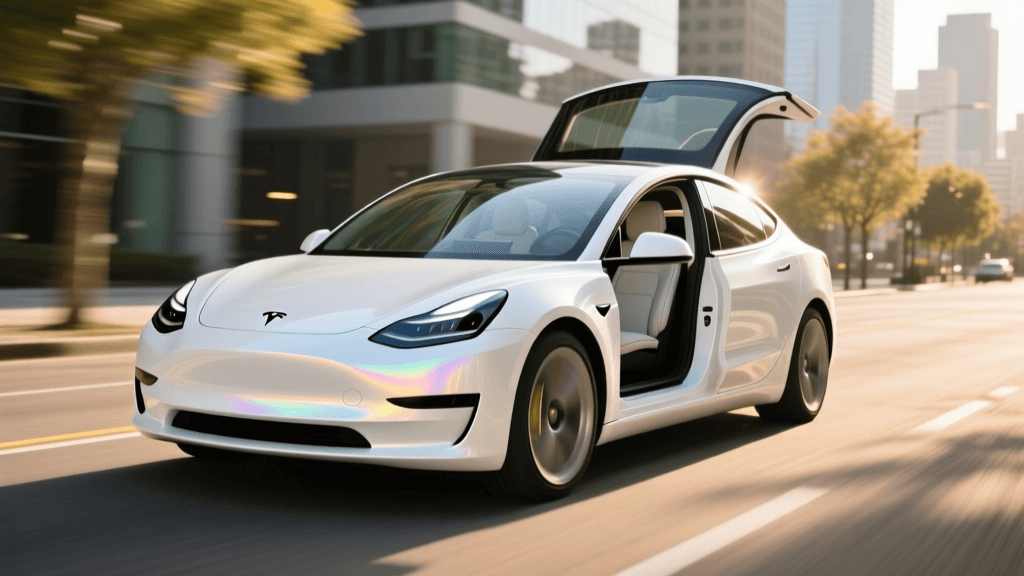
At first glance, the Highland Model 3 looks distinctly sharper and more aggressive than its predecessors. Tesla redesigned the front fascia to improve aerodynamic efficiency, which directly translates to better range. The new headlights are slimmer and more angular, integrating seamlessly into the hood lines, while the front bumper features larger, more pronounced air intakes to cool the battery and motors during high-speed driving.
At the rear, the traditional multi-piece taillights have been replaced by a single, continuous C-shaped light bar that wraps around the trunk. This not only modernizes the rear profile but also improves visibility for trailing drivers. Tesla also introduced new aero-optimized wheels and tires, which work in tandem with the sleeker body to reduce drag. According to Tesla's official Model 3 page, these aerodynamic refinements are a primary reason the vehicle achieves its impressive EPA-estimated range figures without requiring a massive, heavy battery pack.
Interior Overhaul: Premium Meets Minimalist
The most dramatic changes in the Highland refresh are found inside the cabin. Pre-refresh Model 3 interiors were often criticized for being too spartan, but the new iteration brings a level of premium luxury that rivals established European automakers. The dashboard is now wrapped in a soft, acoustic textile material, replacing the previous glossy wood or vegan leather trims. Ambient lighting strips run continuously across the dash and door panels, creating a sophisticated, modern lounge atmosphere at night.
For the first time, the front seats are both heated and ventilated—a massive quality-of-life improvement for drivers in hot climates. The rear passengers have not been forgotten, either. The controversial lack of rear climate controls has been solved with the addition of an 8-inch rear touchscreen. This display allows rear passengers to control the airflow, adjust the heated rear seats, and even stream media from YouTube or Netflix, effectively turning the back row into an entertainment hub. As noted in Car and Driver's comprehensive Model 3 hub, these interior material upgrades significantly elevate the perceived value of the vehicle, making it a much more compelling choice for luxury-minded beginners.
Ride Quality and Noise Reduction (NVH)
Historically, the Model 3's stiff suspension and loud cabin at highway speeds were major pain points. The Highland refresh directly attacks these issues through extensive Noise, Vibration, and Harshness (NVH) engineering. Tesla has equipped the new Model 3 with acoustic laminated glass on all windows—front, rear, and sides. This creates a remarkably quiet cabin, drastically reducing wind and tire noise at 70 mph.
Furthermore, the suspension has been completely retuned. Tesla introduced frequency-selective dampers that absorb sharp, low-speed bumps (like potholes and speed bumps) while remaining firm and composed during high-speed cornering. The result is a car that feels planted and sporty when you want it to be, but surprisingly plush and comfortable during daily commutes. For a beginner transitioning from a traditional luxury sedan, this ride quality bridges the gap between EV novelty and daily drivability.
Range, Performance, and Charging Specs
Choosing the right trim is essential for new EV owners. The Highland refresh is currently offered in two primary configurations in North America: the Rear-Wheel Drive (RWD) and the Long Range All-Wheel Drive (AWD). Below is a comparison table to help you decide which fits your lifestyle.
| Specification | Model 3 RWD | Model 3 Long Range AWD |
|---|---|---|
| Drivetrain | Rear-Wheel Drive | Dual Motor AWD |
| EPA Estimated Range | 272 miles | 341 miles |
| 0-60 mph Acceleration | 5.8 seconds | 4.2 seconds |
| Top Speed | 125 mph | 125 mph |
| Peak Charging Speed | 170 kW | 250 kW |
| 10-80% Charge Time | ~25 minutes | ~25 minutes |
For beginners with access to home charging and a moderate daily commute, the RWD model offers incredible value and lower upfront costs. However, if you plan on taking frequent road trips or live in an area with harsh winter weather, the Long Range AWD is the superior choice. The dual-motor setup provides superior traction in snow and rain, while the larger battery buffer reduces range anxiety on long highway stretches. Industry experts at Electrek's Tesla Model 3 guide frequently recommend the Long Range variant for buyers who want maximum versatility without upgrading to the more expensive Model S or Model Y.
The Controversial Steering Wheel and Turn Signals
No review of the Highland Model 3 is complete without addressing the elephant in the room: the removal of the traditional steering column stalks. Tesla has moved the turn signals to capacitive-touch buttons on the left side of the steering wheel, and the gear selector (Park, Reverse, Neutral, Drive) to the right side of the steering wheel, with a backup touch-capacitive strip on the overhead console.
For beginners, this represents the steepest learning curve in the vehicle. Navigating roundabouts or multi-lane intersections requires you to keep your hands at the 9-and-3 position to easily reach the signal buttons. While software updates have improved the sensitivity and added predictive auto-canceling features, it still requires a few weeks of muscle-memory adaptation. We highly recommend taking an extended test drive to ensure you are comfortable with this minimalist control scheme before committing to a purchase.
Home Charging Setup for Beginners
Owning a Tesla Model 3 Highland means plugging into the most robust charging ecosystem in the world: the Supercharger network. However, 80% of your charging will happen at home. To maximize the convenience of your new EV, you must set up a proper Level 2 home charging station.
- Electrical Panel Check: Hire a licensed electrician to ensure your home's main panel has the capacity to support a new 60-amp circuit.
- NEMA 14-50 Outlet vs. Wall Connector: While a standard 240V NEMA 14-50 outlet is a great, flexible option (allowing you to take your mobile connector on trips), installing the hardwired Tesla Wall Connector provides faster charging speeds (up to 44 miles of range per hour) and a cleaner aesthetic.
- Scheduling: Use the Tesla app to schedule charging during off-peak utility hours, often between 12 AM and 5 AM, to drastically reduce your electricity costs.
Tech, Autopilot, and Tesla Vision
The Highland Model 3 is equipped with Hardware 4.0 (HW4), Tesla's latest suite of cameras and computing power. The cameras now feature higher resolution sensors and improved low-light performance. Tesla has fully committed to "Tesla Vision," meaning ultrasonic parking sensors and radar have been entirely removed. Instead, the car relies on its neural network to generate a 3D map of its surroundings.
While the infotainment system remains lightning-fast and intuitive, beginners should be aware that relying solely on cameras for parking can sometimes result in slightly less precise distance estimates compared to physical ultrasonic sensors. However, the updated Autopilot lane-centering and adaptive cruise control on the highway are exceptionally smooth, making long road trips significantly less fatiguing.
Final Verdict for EV Beginners
The Tesla Model 3 Highland refresh successfully matures the platform from an exciting tech experiment into a refined, premium daily driver. The dramatic improvements in cabin quietness, ride comfort, and interior materials address the few lingering complaints of the previous generation. While the removal of physical stalks demands a brief adjustment period, the overall package—backed by the unmatched Supercharger network and industry-leading software—makes it an outstanding entry point into the EV world. Whether you choose the value-packed RWD or the versatile Long Range AWD, the Highland Model 3 remains the benchmark by which all other compact electric sedans are measured.